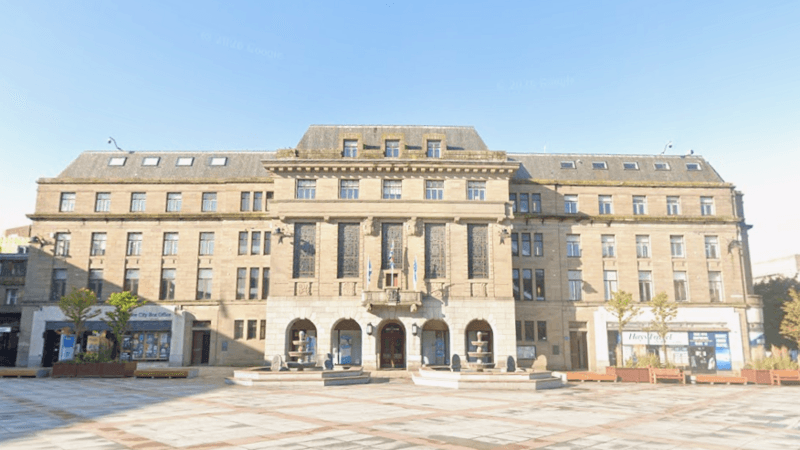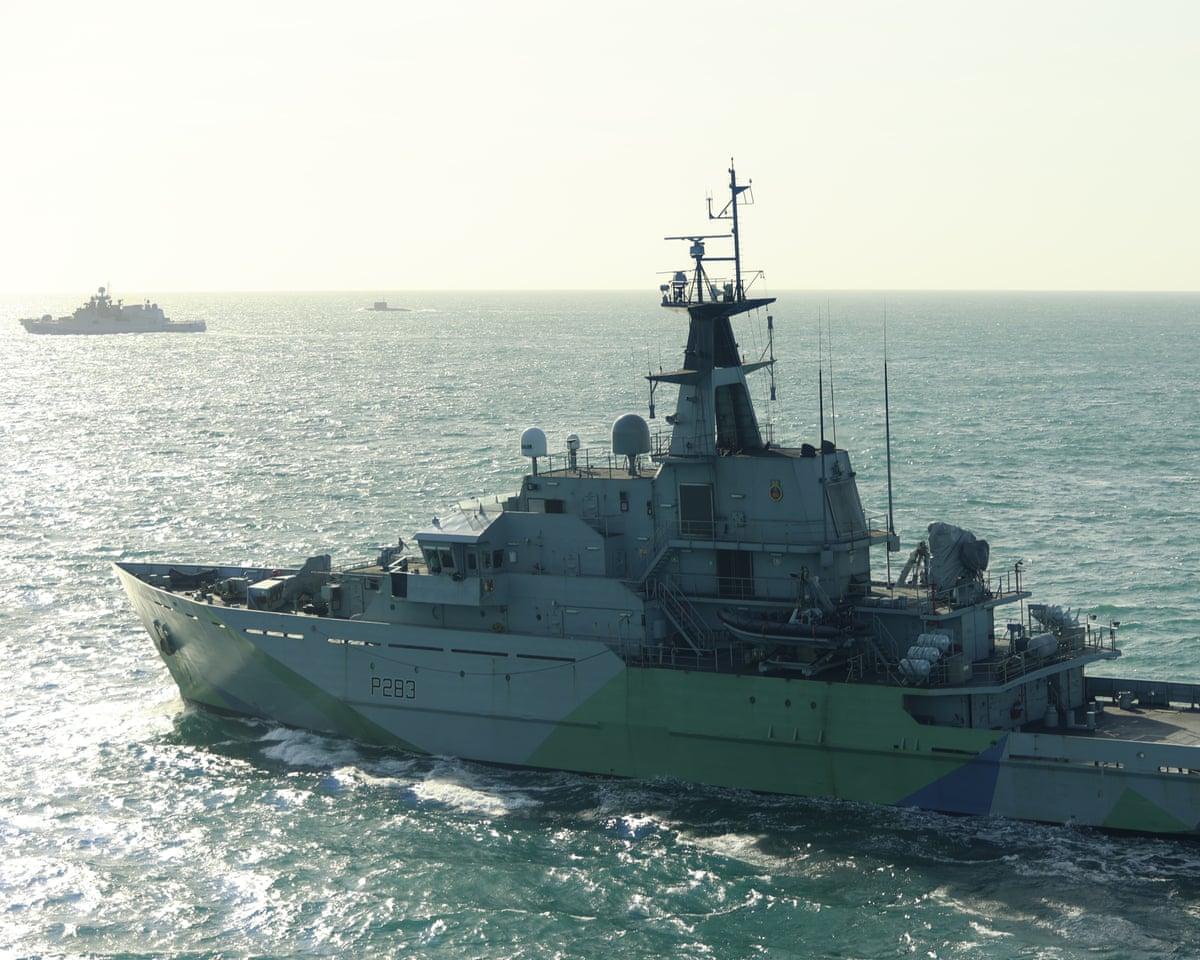
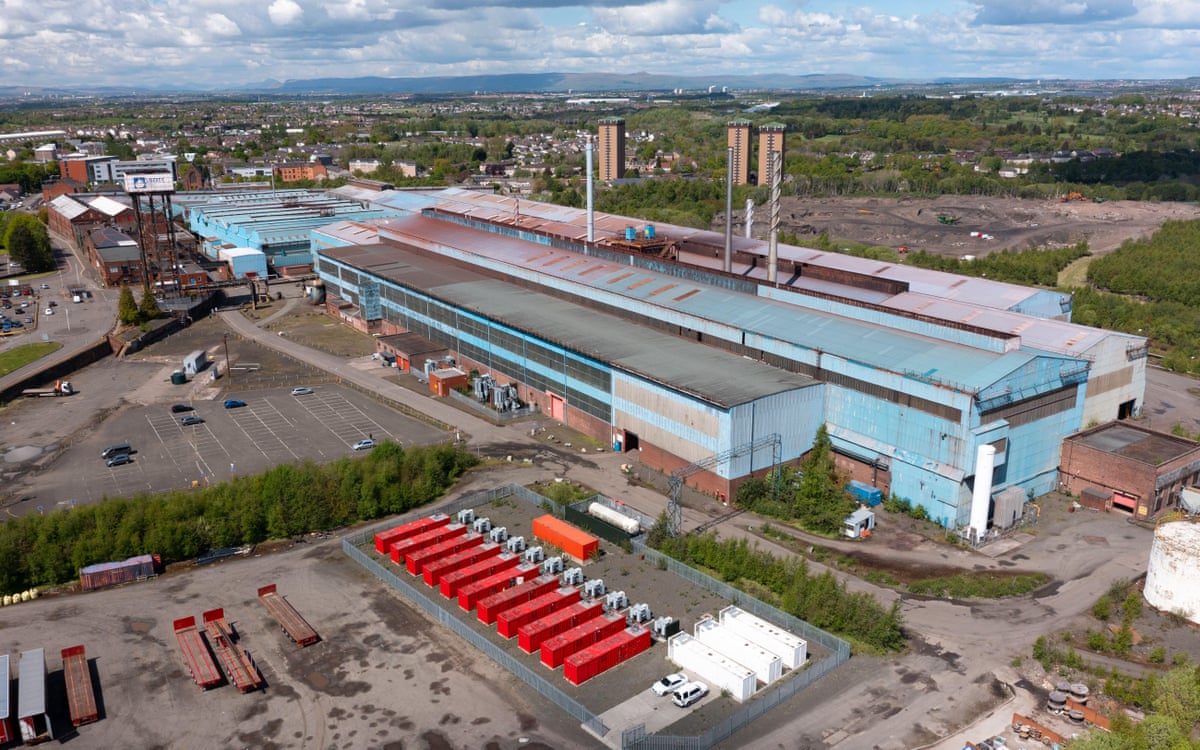
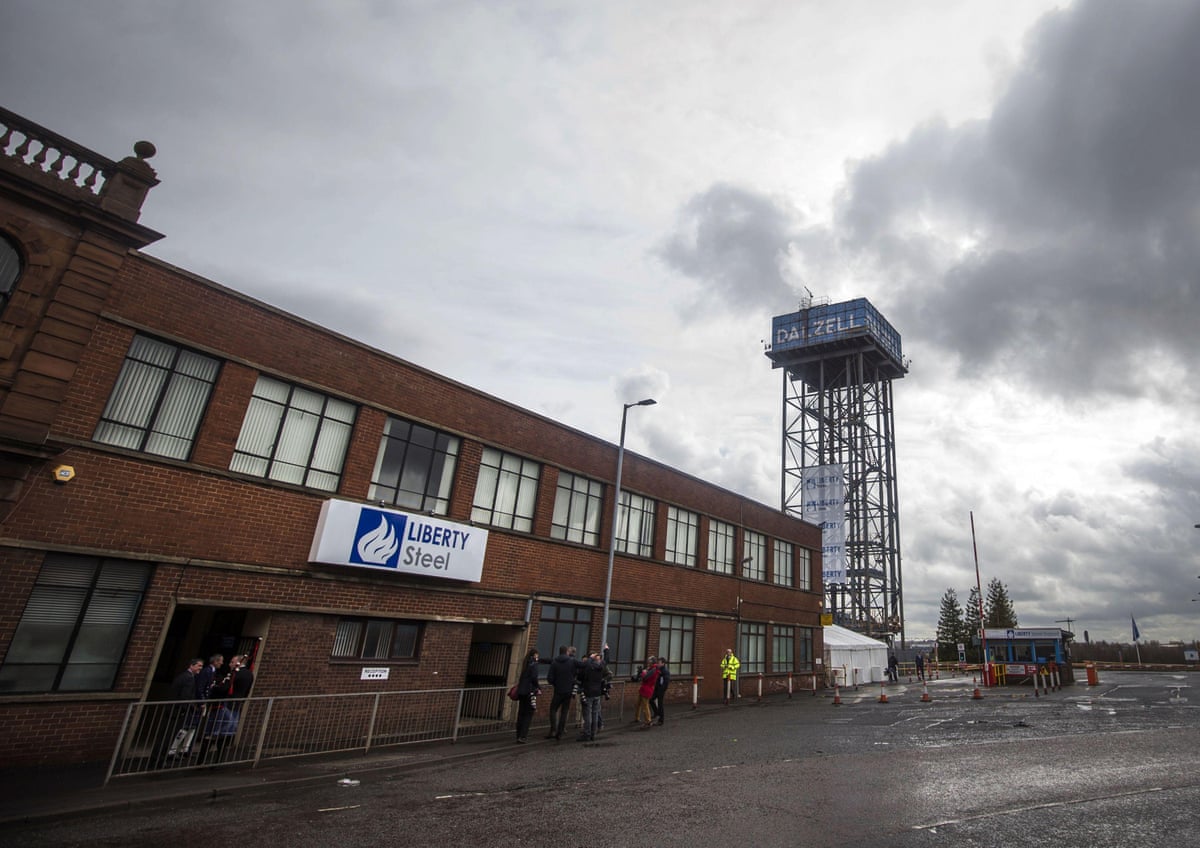
The future of three new Royal Navy warships hangs in doubt as Liberty Steel Dalzell, the only British mill capable of producing the specialised steel plates required for their construction, faces mounting financial difficulties. According to The Guardian, the Motherwell-based plate mill has struggled to pay bills and worker wages in recent weeks, raising serious questions about whether the £1.6bn warship programme can proceed as planned.
The Dalzell plant holds a contract to produce 34,000 tonnes of metal plate for the navy's fleet solid support (FSS) ships, which are scheduled to be built in Belfast by Spanish state-owned shipbuilder Navantia. The government confirmed it was "closely monitoring" the situation at the facility amid deepening concerns over its operational viability.
What triggered the financial crisis?
Liberty Steel Dalzell and its parent company, the Gupta Family Group (GFG) Alliance controlled by metals tycoon Sanjeev Gupta, have been under severe financial strain since the collapse of their main lender, Greensill Capital, in 2021. The National Energy System Operator (Neso), the government body responsible for electricity transmission, filed a winding up petition against the company last month over unpaid electricity charges, though it is understood that debt has now been repaid and the petition will be withdrawn.
The company has also faced difficulties with pension contributions. Aviva, the pension provider, stated it was "currently unable to accept further pension contributions into the workplace pension plans for members of this scheme", prompting GFG to say it was engaging with Aviva and the Pensions Regulator to resolve the issue. Additionally, the security firm contracted to protect the Dalzell site withdrew its services over the weekend after bills remained unpaid.
Worker pay packets have been late twice in recent months, including at the end of October, adding to staff concerns about the plant's stability. Companies within GFG remain under investigation by the UK's Serious Fraud Office for suspected fraud, fraudulent trading and money laundering.
Why is Dalzell so critical to the warship programme?
Dalzell is the only steelworks in Britain capable of producing the heavy steel plates needed for the FSS ships. The three vessels are designed to carry munitions, food and other supplies for the navy's Royal Fleet Auxiliary, with the first of the 216-metre ships due for delivery in 2031. The contract was awarded to Navantia partly to revitalise Belfast's historic Harland & Wolff shipyard, which built the Titanic.
However, the longer Dalzell remains unable to produce the required steel, the greater the risk that Navantia will source the material from overseas suppliers. Navantia has already indicated it will build the first ship largely in Spain because the Harland & Wolff shipyard was not yet ready, according to comments the company made to the Financial Times in September.
Could the plant be saved?
Industry figures and union representatives believe Dalzell could be revived if it received adequate working capital. British Steel's Scunthorpe blast furnaces, now under government control, could supply metal to Dalzell for plate production, creating a domestic supply chain for the warship programme. However, this would require government intervention and financial support.
The Community union has called for urgent action. General secretary Alasdair McDiarmid stated:
"We need to see a viable plan for Dalzell's long-term future – the workforce deserve nothing less. If Liberty cannot produce this now, the case for government intervention will be unavoidable. We simply cannot afford to lose this crucial asset for defence, and for the entire UK steel sector."
A government spokesperson responded:
"This has been a difficult situation for the staff and local community supporting Liberty Dalzell. We want to see the company operational once more, and are closely monitoring the situation. Navantia UK has a 'local first' policy when it comes to suppliers for the fleet solid support programme. Ministers have encouraged Navantia UK to use UK suppliers, including for steel, where possible."
What is the current operational status?
The Dalzell plant has produced some plate in recent weeks, but using steel reportedly sourced from Kazakhstan, which is unsuitable for the defence contract. According to reporting on the situation, this demonstrates the plant's inability to source appropriate material domestically.
GFG has acknowledged the challenges facing the operation. A company spokesperson said:
"Like the rest of the UK steel industry, Dalzell faces tough operating conditions with energy costs far higher than the prices its international competitors pay. Despite that the plant has restarted and GFG are pursuing new commercial deals to bring more volume through the mill. The Navantia contract remains in place and Dalzell's UK slab supplier has indicated capacity from early next year."
What happens next?
Dalzell's UK slab supplier has indicated capacity availability from early 2027, which could provide a pathway for the plant to resume production of defence-grade steel. However, the timing remains critical, as delays in plate production could force Navantia to commit to alternative suppliers for the warship programme.
The situation reflects broader challenges in the UK steel sector. The government is simultaneously managing the future of British Steel, which operates under state control following financial difficulties, while also attempting to support domestic suppliers for major defence contracts. The outcome at Dalzell will have implications not only for the Royal Navy's warship programme but also for the viability of British steel manufacturing more broadly.