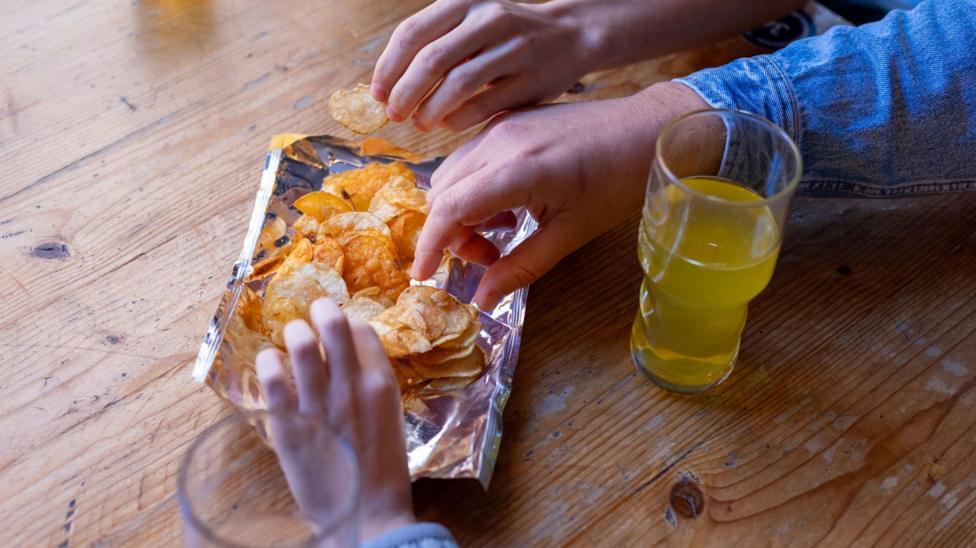
The naming of smoky bacon-flavoured crisps has emerged as an unexpected political challenge as the government pursues closer alignment with European food regulations. The dispute centres on new EU rules that restrict how meat-related terms can be used to describe food products, raising questions about whether popular British snack brands may need rebranding if the UK adopts these standards.
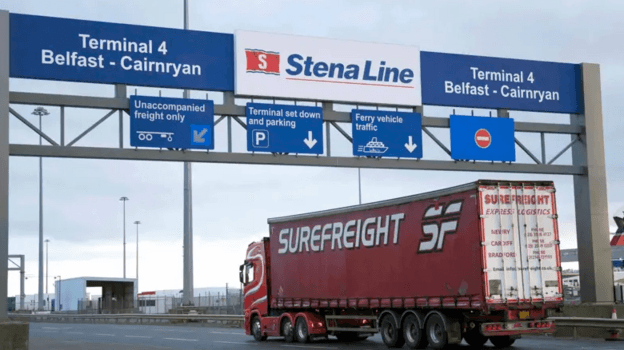
According to BBC News, the government is negotiating a comprehensive food standards deal with the EU intended to reduce costs for British companies trading across the continent. Labour ministers have emphasised the potential economic benefits of the agreement, which could be finalised at a summit scheduled for later this month. However, the requirement for Britain to adopt EU food rules across numerous sectors has reignited debates about sovereignty and regulatory independence that dominated the Brexit period.
The controversy highlights a broader political risk for the government: realigning with regulations that British policymakers had no role in shaping. Conservative and Reform UK politicians have seized on such cases to argue that Britain would become a "rule taker" from Brussels rather than a rule maker. On Thursday, Environment Secretary Angela Eagle dismissed questions about the impact on snacks by telling a radio presenter to "get a life", but the incident underscores the sensitivity surrounding regulatory alignment.
The smoky bacon crisp issue is not new. In 2024, the EU moved to phase out certain artificial smoke flavourings, creating headlines about potential impacts on the beloved British flavour. Now, a separate and more fundamental challenge has emerged: the flavour name itself faces restriction under new EU regulations adopted this summer.
What are the new EU meat-naming rules?
The European Union has adopted rules restricting the use of 31 meat-related terms—including bacon, drumstick, steak, pork, chicken and beef—to products that actually contain meat. The regulation, which entered into force on 18 August 2026, aims to prevent consumer confusion with plant-based alternatives using identical names. The restrictions are scheduled to apply from 19 August 2029.
The final list is narrower than earlier proposals: terms such as "sausage" and "burger" remain available for non-meat products, and the rules explicitly exclude cell-cultured or lab-grown products from using the reserved meat terms. However, the European snack industry is seeking urgent clarity on how the rules will apply to meat-flavoured crisps, particularly those made without any meat extracts.
The UK government has indicated that these new regulations will fall within the scope of its proposed food standards deal with the EU. This means they would apply to companies marketing products in Britain, which is among Europe's largest consumers of crisps according to market analysts.
Could British crisps need rebranding?
The prospect has emerged that crisps with names such as smoky bacon and roast chicken could require relabelling to be sold in British shops, although significant uncertainty remains about how the rules will apply in practice. The new EU regulations will allow the European Commission to create exemptions for meat-related names with an established long-term history of describing other food products, but Brussels has not yet set out how it intends to use this power or what it means for snacks.
A group of conservative German MEPs are also pursuing a specific carve-out for meat names in snacks and sauces through separate legislation currently moving through the European Parliament. The European Snacks Association has raised concerns that flavour names such as "smoky bacon" could be caught by the EU rules, and an amendment has been proposed to exempt snack flavour descriptions.
What do British snackmakers say?
The Food and Drink Federation, which represents British crispmakers including Walkers and KP Snacks, has supported the government's bid to reach a food deal because of its potential to reduce trade barriers with Europe. However, the organisation has highlighted the new meat-naming rules as an example of where it wants the government to work with industry to ensure UK interests are reflected in EU decision-making.
Meat protections are an example of a new EU rule that UK businesses will need to comply with, but which the UK was not involved in developing.
Kate Halliwell, the federation's chief scientific officer, made this point in emphasising the need for greater consultation. The Potato Processors' Association, which also represents major snackmakers, said it was monitoring the situation closely and wanted clarification of how the rules could affect its members.
Vanessa Richardson, the association's deputy director general, stated that her organisation supported moves to reduce "unnecessary barriers" in food trade. However, she stressed the importance of implementing the government's deal in a way that "avoids unintended consequences for established product descriptions which consumers clearly understand as referring to a flavour".
What is the government doing?
The Department for Environment, Food & Rural Affairs (Defra) has said it stands ready to help British snack businesses prepare for the impact of the new EU rules. It remains unclear what a British version of the regulations would look like, or whether they would need to apply from 2029 alongside the new European regulations.
The UK and EU have completed a draft food and drink deal to remove many checks on food and animal-product trade, which is expected to require UK legislation before implementation. The deal is expected to remove a £200 veterinary export certificate and a £25 plant-health certificate for covered products, potentially delivering significant savings for exporters.
What happens next?
EU ambassadors are due to review the draft food deal on 4 November, ahead of the UK-EU summit in Brussels on 20 November. The food deal is expected to take effect in early 2028, while the EU's restrictions on meat-related names are scheduled to apply from 19 August 2029. The timing means British businesses will have several years to prepare for any necessary changes to product naming and labelling, though the government and industry groups are pushing for clarity on how the rules will be applied well before that deadline.