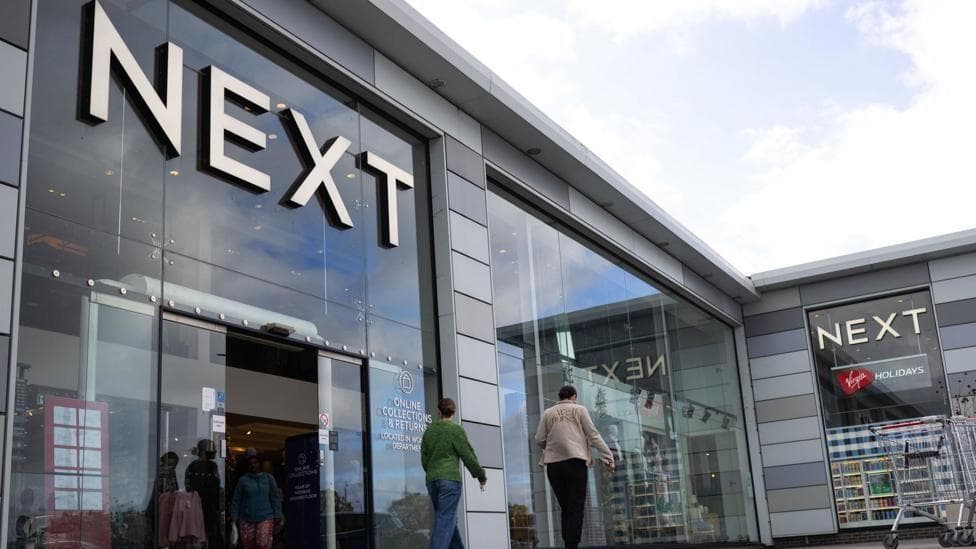
Next has secured a significant victory in its appeal against an employment tribunal ruling, with judges allowing the retailer to maintain higher hourly rates for warehouse workers compared with shop floor staff in a protracted equal pay dispute. The Employment Appeal Tribunal on 2 September 2026 overturned a key element of a landmark 2024 ruling that had found Next was unjustified in paying warehouse operatives more than store workers for roles deemed to be of equal value.
The original tribunal decision in 2024 had concluded that Next's pay structure breached equal pay law. More than 3,500 current and former employees, predominantly women, had been positioned to receive potentially over £30 million in back pay under that judgment. The appeal tribunal's decision to overturn the basic pay finding significantly reduces the financial exposure for the company, though other aspects of the case remain contested.
Why did the tribunal allow the pay difference?
The appeal tribunal accepted Next's argument that the company was justified in paying warehouse operatives at a higher rate due to specific labour market conditions. The judges found that recruitment and retention pressures in the warehouse sector, which did not apply to the retail floor workforce, provided a legitimate business rationale for the pay differential. According to , the ruling lets Next continue paying warehouse workers more than sales consultants based on these market-driven factors.
Next stated in response that the decision affirmed a fundamental principle of employment markets: that employers must retain the ability to pay competitive rates necessary to recruit staff, without being obliged to raise pay elsewhere when no justification exists. The company described the outcome as a
"landmark victory" succeeding on the "key issue of basic pay"and argued the judgment represented
"not only correct in law, but also a victory for common sense."

What parts of the original ruling remain in place?
The appeal tribunal upheld the 2024 findings on night-time premiums, overtime premiums, and paid rest breaks, meaning those elements of the equal pay claim continue to favour the claimants. According to Leigh Day, the law firm representing store workers, the tribunal left some of these findings intact while sending certain issues back for further determination. The Sunday premium question has been returned to the Employment Tribunal for resolution.
Critically, Next did not appeal the original tribunal's equal-value finding that store and warehouse roles were comparable, meaning that foundational element of the claimants' case remains binding. This preserves the legal principle that the two groups perform work of equivalent value, even though the appeal tribunal found the pay difference justified on market grounds.
What is the discrimination aspect of the case?
Both the original Employment Tribunal and the Appeal Tribunal found no direct sex discrimination in Next's pay structure, despite shop floor staff being predominantly female and warehouse workers being predominantly male. According to , the EAT rejected the claimants' cross-appeal on discrimination. This finding means the pay difference, while potentially unfavourable to women as a group, was not deemed to result from intentional discriminatory treatment based on sex.
What happens next in the case?
Next has indicated it will seek permission to appeal the tribunal's decisions on night-time premiums, overtime premiums, and paid rest breaks, continuing the legal battle on those fronts. Leigh Day, representing the store workers, described the basic pay conclusion as
"disappointing"and confirmed it will appeal the decision. The case involving 3,540 claimants will therefore proceed to further proceedings on the unresolved issues.
The dispute originated when claims were first filed in 2018, with compensation potentially assessed across up to six years of employment. The case has become emblematic of broader equal pay challenges in the retail sector, occurring alongside similar disputes at other major employers. Birmingham City Council resolved a substantial equal pay settlement with thousands of female workers in the previous year, while Brighton and Hove City Council faces over 1,000 equal pay cases.
Key Facts
- The appeal tribunal overturned the basic pay element of the 2024 ruling but upheld findings on premiums and rest breaks, with some issues sent back for further determination
- The case involves 3,540 claimants, predominantly women, who originally stood to receive over £30 million in back pay
- Next argued market forces justified higher warehouse pay due to recruitment and retention pressures not affecting retail floor staff
- Both tribunals found no direct sex discrimination despite the predominantly female shop floor workforce and predominantly male warehouse workforce
- The equal-value finding that store and warehouse roles are comparable remains binding, with disputes continuing over pay premiums and Sunday working rates