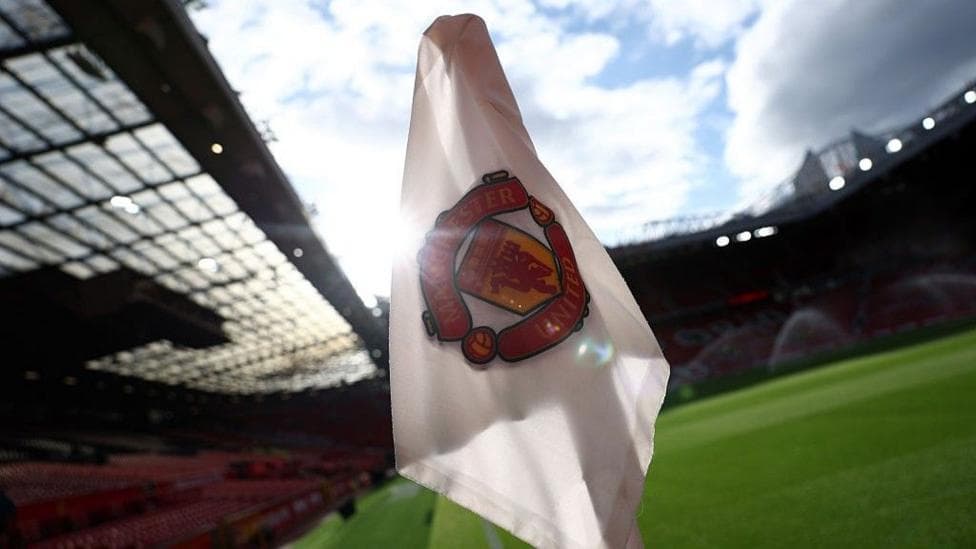
Manchester United's overall debt remains above £1bn despite Sir Jim Ratcliffe's extensive cost-cutting measures, with the club confirming it has spent £63.5m acquiring land for their new stadium. The club currently sits 12th in the Premier League and has already been eliminated from the EFL Cup.
The financial position reflects a complex picture at Old Trafford. While United announced record revenues of £677.6m and a £22.6m operating profit despite not playing in European competition for the first time in a decade, the underlying debt burden persists. This marks a dramatic turnaround from the £113.2m loss recorded in 2023-24.
However, progress on cost reduction has been uneven. The club saved £8.5m of a projected £16.5m severance payment to former manager Ruben Amorim after he took a position at AC Milan. Yet other financial pressures have intensified, particularly in financing costs.
How significant are the club's finance costs?
Net finance costs for the year reached £69.6m, representing a 228.3% increase from the previous period. United attributed most of this rise to foreign exchange losses. According to football finance expert Kieran Maguire, cumulative finance costs have now exceeded £1bn since the leveraged Glazer family acquisition in 2005. The club's latest financial reporting indicates a fresh loss of £43m, with non-current borrowings reported at £577.6m and the revolving credit facility at £100m at the end of June 2026.
The refinancing structure has also shifted the debt profile. The June 2026 refinancing replaced the old $425m notes with $550m new notes at a 5.36% interest rate, maturing on 10 June 2031. This replaced an earlier tranche that had carried 3.79% interest and was due in June 2027, extending the repayment timeline but at a higher rate.
What is the stadium project's financial impact?
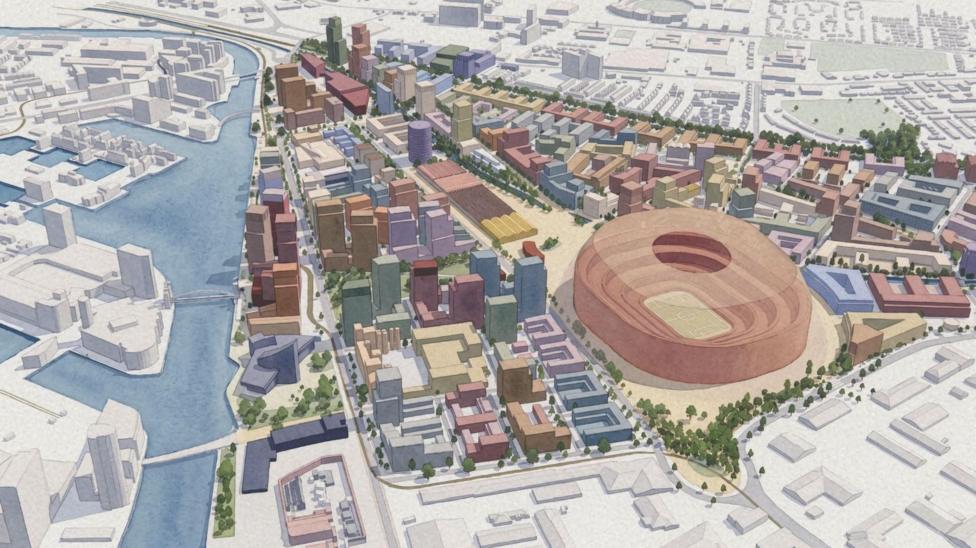
United confirmed that £63.5m of an additional $125m (£94.14m) added to their historic debt during the summer refinancing was spent on land acquisition for their new stadium. The club has not disclosed how the remainder of those funds were deployed. The stadium itself is projected to cost in excess of £2bn.
The overall debt structure now comprises the historic debt at £577.6m, the £111.4m outstanding on the revolving credit facility, and outstanding transfer fees. Club sources indicate that transfer obligations represent approximately 75% of the £473m listed as 'trade and other payables'. While the overall debt has reduced from £1.3bn at the end of December, it remains above £1bn.
The stadium project is being framed as part of a wider Old Trafford regeneration, with the new facility to be constructed 350 yards from the current ground. However, the loan itself is recorded within club accounts, meaning the stadium financing directly affects the club's reported debt position.

Why are supporters concerned about squad investment?
Fan frustration centres on what many view as inadequate investment in the playing squad relative to the club's financial capacity. United spent £148m on three new signings—Carlos Baleba, Andrey Santos and Youri Tielemans—during the summer transfer window. This represented less than a third of the £458m Manchester City invested in their squad and fell below even newly promoted Ipswich's spending.
Supporters have specifically criticised the failure to purchase a left-back to provide competition for Luke Shaw, who has already missed three matches through injury, or to add striking depth to support Benjamin Sesko, who missed pre-season while recovering from a shin complaint that has already resurfaced. While United argue that additional funds were earmarked for the stadium project, the financing structure means these decisions occur within the context of significant debt servicing obligations.
The Women's Super League squad has also faced criticism for limited investment. The women's team currently sits second bottom of the table with one point from three games.
What cost-cutting measures has the club implemented?
Ratcliffe has pursued aggressive cost reduction since taking charge. Two rounds of redundancies resulted in 450 people losing their jobs. The latest salary costs have been reduced by £11.3m to £302m, primarily through changes to the men's first team squad composition and savings from headcount reduction programmes implemented over the previous two fiscal years.
These measures reflect the club's stated commitment to financial sustainability. Chief executive Omar Berrada stated:
We are pleased to have secured record revenues. This demonstrates the underlying strength of our business, and shows the direct impact of the work we have been doing over the past two years. While these results confirm that we are on the right trajectory, we will continue to take a disciplined approach to ensure our finances remain sustainable. With that financial sustainability in mind, we have strengthened both our men's and women's teams during the summer window and our men's team has seen the return of Champions League football to Old Trafford.
What is the broader context of supporter discontent?
The financial position exists against a backdrop of significant supporter unrest. A larger fan protest against Ratcliffe and the Glazers took place on 13 September 2026, with supporters also opposing the planned 100,000-capacity new stadium. Anger has focused not only on team performance but also on the cost and financing structure of the stadium project itself.
The club's financial strategy reflects competing priorities: servicing substantial historic debt, funding a major stadium redevelopment, and investing in playing personnel. The tension between these objectives has become increasingly visible to supporters, particularly given the club's disappointing league position and early cup elimination.
What matches lie ahead?
Manchester United are scheduled to host Tottenham Hotspur on 10 October 2026 in the Premier League, followed by an away fixture against Leeds United on 18 October 2026 and a home match against Bournemouth on 25 October 2026. In European competition, the club's next Champions League home match is against Roma on 3 November 2026, with a further tie against RB Leipzig scheduled for 8 December 2026.
Key Facts:
- Manchester United's overall debt remains above £1bn despite cost-cutting efforts and record revenues of £677.6m
- The club spent £63.5m on stadium land acquisition as part of a summer refinancing that added $125m to historic debt
- Net finance costs reached £69.6m, a 228.3% increase, with cumulative finance costs exceeding £1bn since the 2005 Glazer buyout
- Summer transfer spending of £148m was less than a third of Manchester City's investment and below newly promoted Ipswich's expenditure
- Two rounds of redundancies have eliminated 450 jobs as part of Ratcliffe's cost reduction programme