The United Kingdom's economic expansion will fall short of earlier projections for 2027 due to the prolonged conflict in the Middle East, according to the Organisation for Economic Co-operation and Development (OECD). The international body indicated that numerous nations face similar headwinds from the ongoing geopolitical tensions affecting global markets.
The OECD has revised its forecast for UK growth downward to 1% in 2027, down from a previous estimate of 1.1%. However, the organisation simultaneously raised its projection for 2026, increasing the expected growth rate from 0.9% to 1.1% for that year, reflecting stronger-than-anticipated domestic spending patterns.
What is driving the revised outlook?
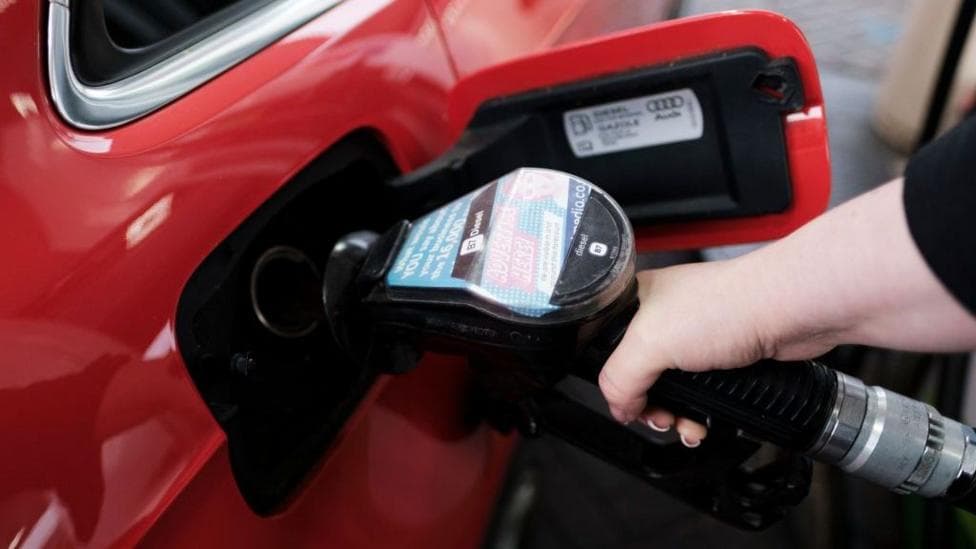
The downgrade for 2027 stems primarily from elevated fuel costs resulting from Middle East tensions, which are expected to constrain economic activity as the year progresses. The OECD noted that the magnitude of this impact will depend on how quickly supply chain disruptions are resolved. In the nearer term, solid consumer and business spending is supporting the 2026 upgrade, but energy price pressures will intensify headwinds in the following year.

How widespread is this economic slowdown?
The OECD's concerns extend well beyond the UK. Global growth is forecast to be 0.1 percentage points lower than previously anticipated, with Australia, Canada, and the Euro-area among the countries experiencing downward revisions. The international organisation identified multiple risks to worldwide economic stability, including the Middle East conflict and climate-related supply disruptions such as those from a strong El Niño weather pattern.
What are the broader economic pressures?
Middle East hostilities have already contributed to rising oil and gas prices across global markets, pushing inflation higher in numerous countries including the UK. Beyond geopolitical factors, weather-related shocks pose additional threats to food production and prices. These combined pressures create a complex environment for policymakers navigating inflation control and growth objectives.
What happens next?
Chancellor John Healey is preparing to announce his first Budget at the end of October, a moment when these revised economic forecasts will likely inform fiscal policy decisions. The timing of the OECD's downgrade underscores the challenging economic backdrop against which the government must balance spending, taxation, and borrowing priorities for the coming years.
Key Facts:
- UK growth forecast for 2027 revised down to 1% from 1.1%
- 2026 growth projection upgraded to 1.1% from 0.9% due to solid domestic demand
- Global growth expected to be 0.1 percentage points lower than previously forecast
- Middle East conflict driving higher fuel prices, which will constrain 2027 growth
- Multiple countries affected, including Australia, Canada, and the Euro-area