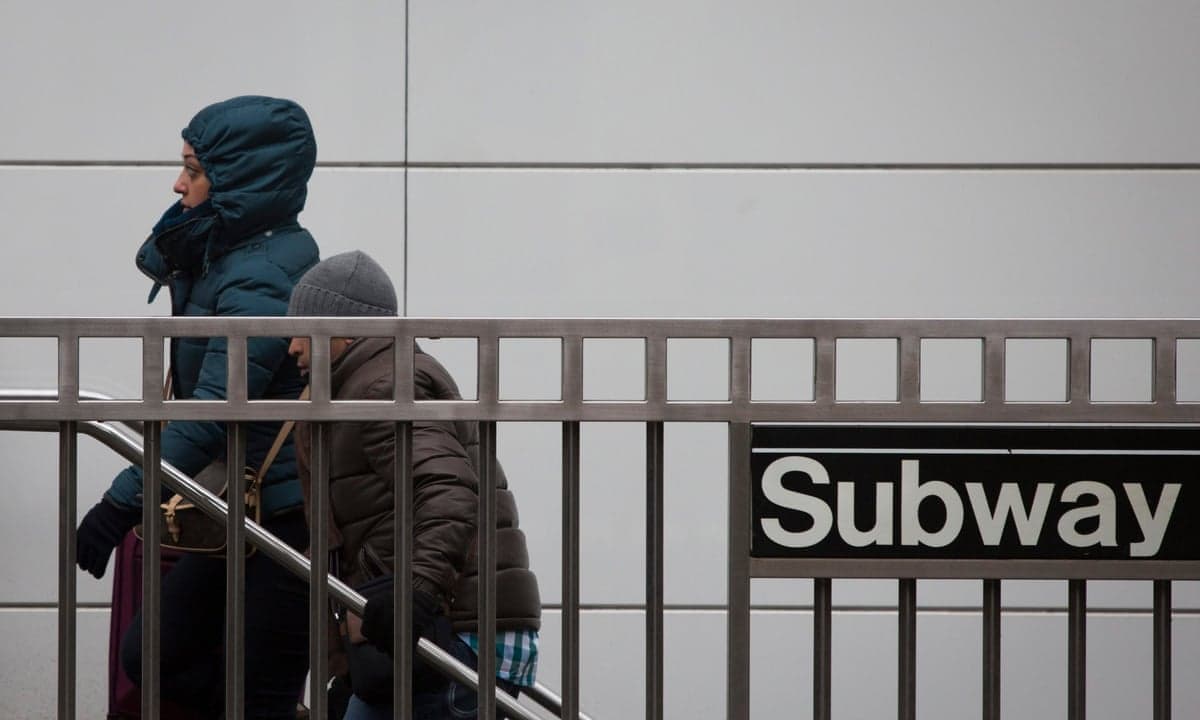
Families across the United States are bracing for a difficult winter as geopolitical tensions drive up energy costs, threatening millions who already struggle to afford heating and electricity. According to The Guardian, heating oil prices have surged dramatically, with some households facing bills nearly $900 higher than previous winters. The situation represents a convergence of global conflict, supply disruptions and longstanding affordability challenges that leave vulnerable families facing impossible choices between heating, food and medicine.
This story was first reported by The Guardian.
The war in Iran has not created America's energy affordability crisis, but it is accelerating an already severe problem. Research by the National Energy Assistance Directors Association found that electricity shutoffs in 10 states had increased 28% over the past two years, even before recent price spikes. Millions of Americans were already falling behind on utility bills before global energy markets experienced fresh disruption.
Heating oil serves as a particularly stark indicator of broader energy affordability pressures. Unlike gasoline, which households can reduce through conservation, heating oil is essential for survival during winter months. Families cannot simply stop purchasing fuel when prices rise. On October 30, heating oil traded at approximately $4.61 per gallon, according to Trading Economics, while the U.S. Energy Information Administration forecasts an average seasonal heating-oil bill of $2,115, with prices averaging $5.26 per gallon for the winter ahead.
Who faces the greatest burden?
Families living on Social Security, minimum-wage workers and others with limited budgetary flexibility are experiencing the heaviest toll from rising energy prices. Even middle-class households struggle to absorb an additional $100 to $150 monthly for gasoline, groceries and home heating combined. A recent survey found that more than a quarter of all families have reduced heating and cooling in their homes to uncomfortable levels to save money, while 19% cut back on groceries or switched to less expensive food options.
The problem extends beyond the poorest households. Many working families earn too much to qualify for existing assistance programs but still cannot comfortably afford their energy bills. Without intervention, families will fall further behind on payments, and some risk losing heat during the coldest months of the year.
How do global oil markets affect US households?
Heating oil and diesel are essentially the same petroleum product, and both have been severely affected by disruptions to global energy markets. Higher diesel prices increase transportation costs for food, goods delivery, farm operations and construction equipment—expenses that eventually reach consumers through higher prices at grocery stores and elsewhere. The U.S. Energy Information Administration reports that global distillate production has fallen amid reduced refining activity, while U.S. distillate exports rose 20% in the first seven months of 2026 compared with the same period in 2025, further tightening domestic supplies.
Even if the war ended immediately, energy prices would not necessarily return to previous levels. Damaged refineries require repairs, shipping routes must reopen, and depleted petroleum inventories need replenishment—a process that could take months. Families cannot postpone paying heating bills while oil markets recover. The Energy Information Administration projects that East Coast distillate stocks will remain 20% to 30% below their five-year average through winter, according to Yahoo Finance, creating ongoing supply pressure.
What immediate action is needed?
Congress must act before winter arrives to provide emergency relief. The National Energy Assistance Directors Association is calling for lawmakers to add $3 billion to the Low Income Home Energy Assistance Program (LIHEAP), which helps low-income families pay heating bills. This funding would allow states to provide supplemental assistance covering rising heating oil and electricity prices before the winter heating season begins.
Beyond the lowest-income households, Congress should consider temporarily expanding LIHEAP eligibility to struggling middle-class families while ensuring that assistance to the poorest households is not reduced. Without such intervention, millions of families will fall further behind on energy payments as winter temperatures drop.
What is the longer-term solution?
The United States has long measured energy security by domestic oil and natural gas production levels. Yet producing more energy domestically has not protected American families from price shocks caused by wars thousands of miles away. A fundamental shift in energy policy is necessary.
Expanding renewable energy sources, including wind and solar, offers a path forward because their fuel costs cannot be driven up by geopolitical conflict. Solar power has no equivalent to the Strait of Hormuz—a chokepoint through which much global oil passes and where supply disruptions trigger worldwide price increases. The Energy Information Administration forecasts that natural-gas and propane households—approximately half of U.S. households—will spend less on heating this winter, with 9% lower natural-gas spending and 3% lower propane spending expected, demonstrating that energy source matters significantly for affordability outcomes.
Transitioning toward renewable and distributed energy sources represents the longer-term challenge. In the immediate term, millions of families are heading into winter facing energy bills they cannot afford, and Congress must provide relief before the season's coldest months arrive.
What happens next?
The Energy Information Administration's next Short-Term Energy Outlook is scheduled for release on November 10, 2026, with updated winter fuel forecasts. The agency will continue monitoring supply conditions, inventory levels and price trends throughout the heating season. While the war in Iran will eventually end, the underlying energy affordability crisis will persist unless policymakers address both immediate household needs and the structural vulnerabilities that make American families vulnerable to distant geopolitical events.