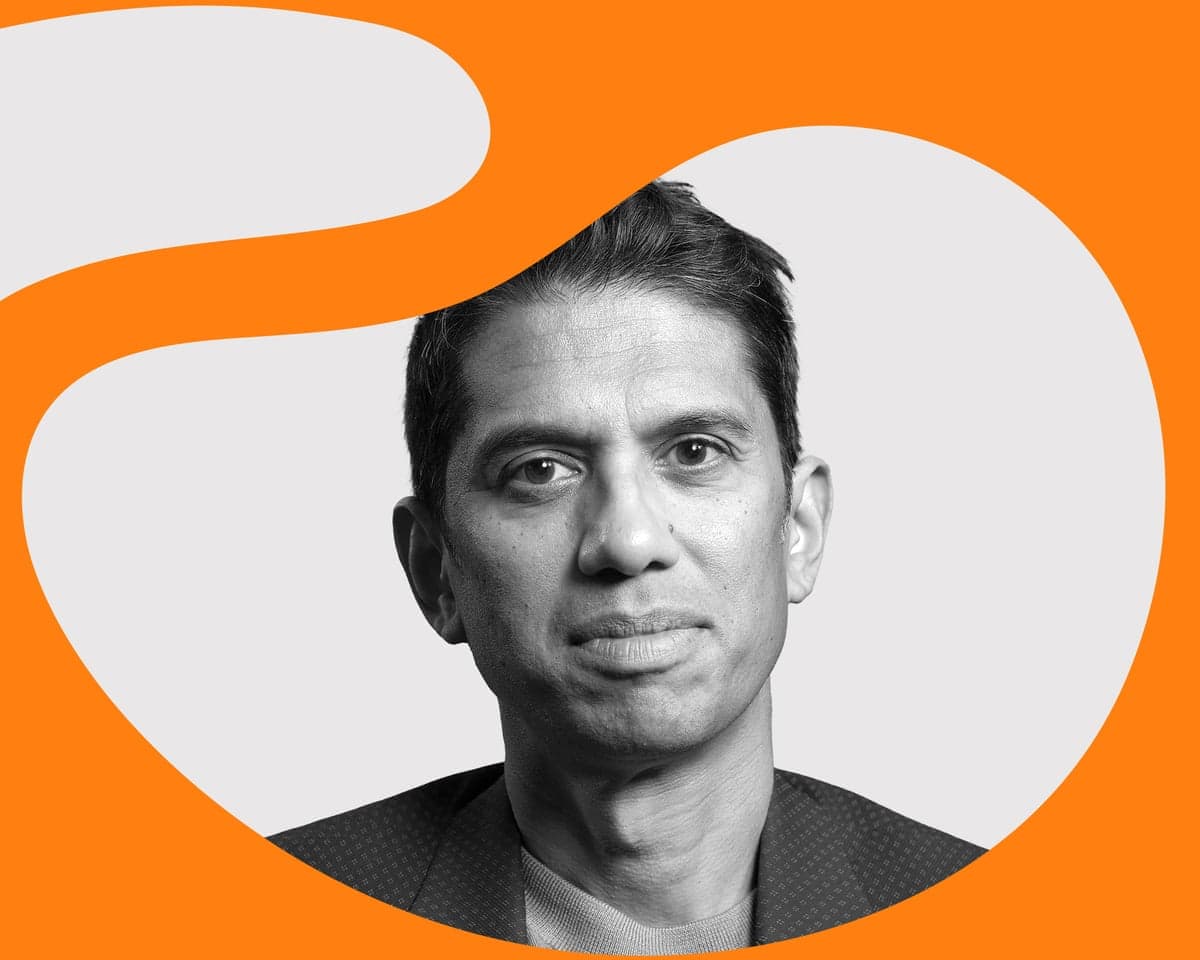
According to The Guardian, senior economics commentator Aditya Chakrabortty fielded reader questions on 29 October 2026 about the future of Britain's economy, the viability of AI-led growth, and the persistence of inequality. His responses challenged government strategy and offered perspectives on how radical change might occur across employment, housing and industrial policy.
Chakrabortty, who hosts the Saturday podcast Radical Thinking and was awarded an MBE earlier in 2026 for services to public understanding of the economy, addressed eight substantive questions from readers ranging from artificial intelligence investment to private education and the rise of far-right politics.
Can AI-driven growth deliver the economic transformation the government expects?
The government's strategy depends heavily on artificial intelligence to generate future economic growth, but Chakrabortty expressed deep scepticism about whether this approach will succeed. He pointed to research by the Foundational Economy collective of economists and analysts, whose book When Nothing Works documents how technology accounted for less than 5% of GDP across the UK and much of Europe despite decades of successive governments promoting the 'knowledge economy'.
I find the slavering of the UK's politicians and press before America's AI oligarchy vulgar and idiotic, especially when all the indications are that these trade deals work against the interest of Britons.
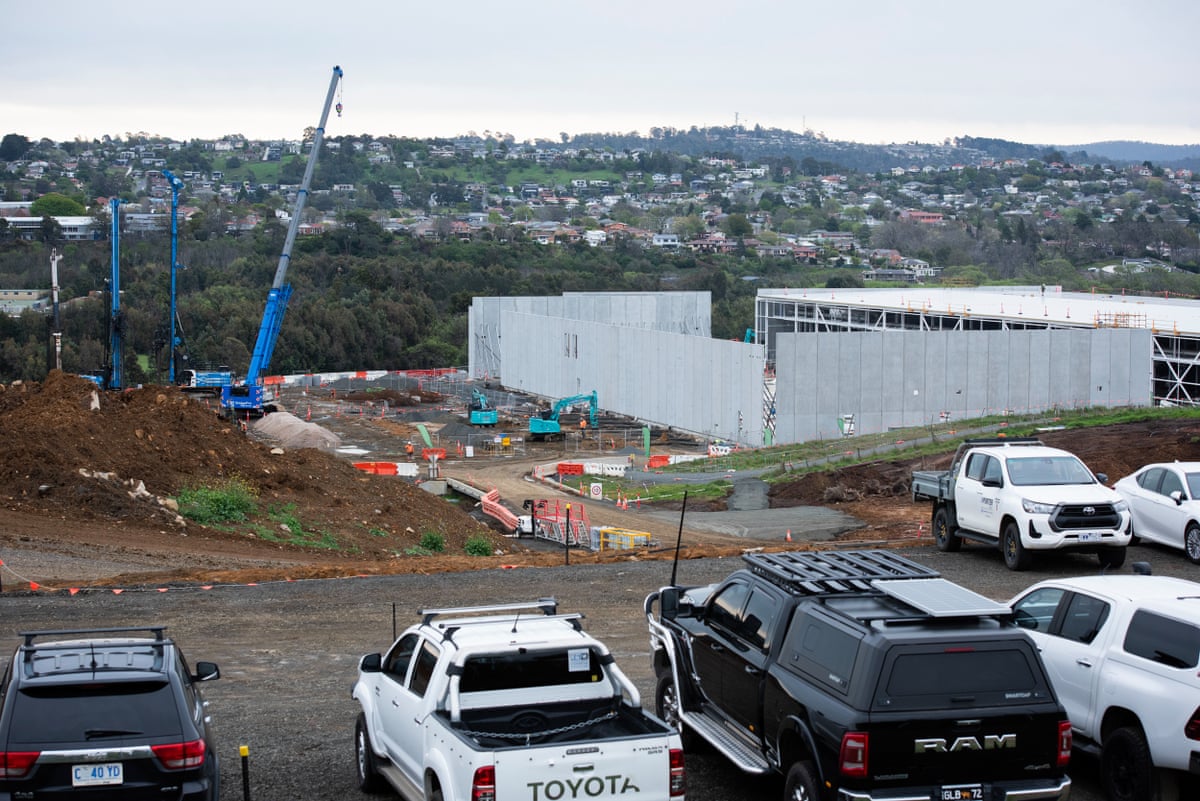
Chakrabortty warned that the 28 October Budget announced a £700 million AI package, including £40 million for a national capability to investigate and respond to agentic AI security incidents, yet the underlying economic model faces structural problems. He argued that AI hyperscalers and the incoming Trump administration are inflating a speculative bubble that will eventually burst with severe consequences.
When it pops it will be a political failure, a market failure, an economic failure.He drew a parallel to his August 2008 column for The Guardian, written before the collapse of Lehman Brothers, in which he warned the Left to prepare for a looming crisis. At the time, Bill Emmott, then editor of The Economist, dismissed his concerns as alarmist.
On the question of whether a Plan B exists should AI-driven growth fail to materialise, Chakrabortty suggested the Left must prepare now for the moment when the bubble deflates, just as he had warned about the financial crisis more than a decade earlier.
What does it mean to move beyond neoliberalism?
Two readers asked variations of the same question: whether it is possible to dismantle the neoliberal thinking that has dominated UK policy for decades, and whether doing so would simply mean reverting to the economic policies of the 1970s with all their attendant problems of inflation, IMF bailouts and industrial unrest.
Chakrabortty acknowledged that he rarely uses the term neoliberal in his own writing because many readers lack a clear sense of what it encompasses. He identified four distinct processes often grouped under that label: handing public assets to private actors; reducing the active role of the state in providing essentials; weakening the power of labour; and the dismantling of institutions such as trade unions and the BBC. Political economist Will Davies has described the ideology as
the disenchantment of politics by economics.
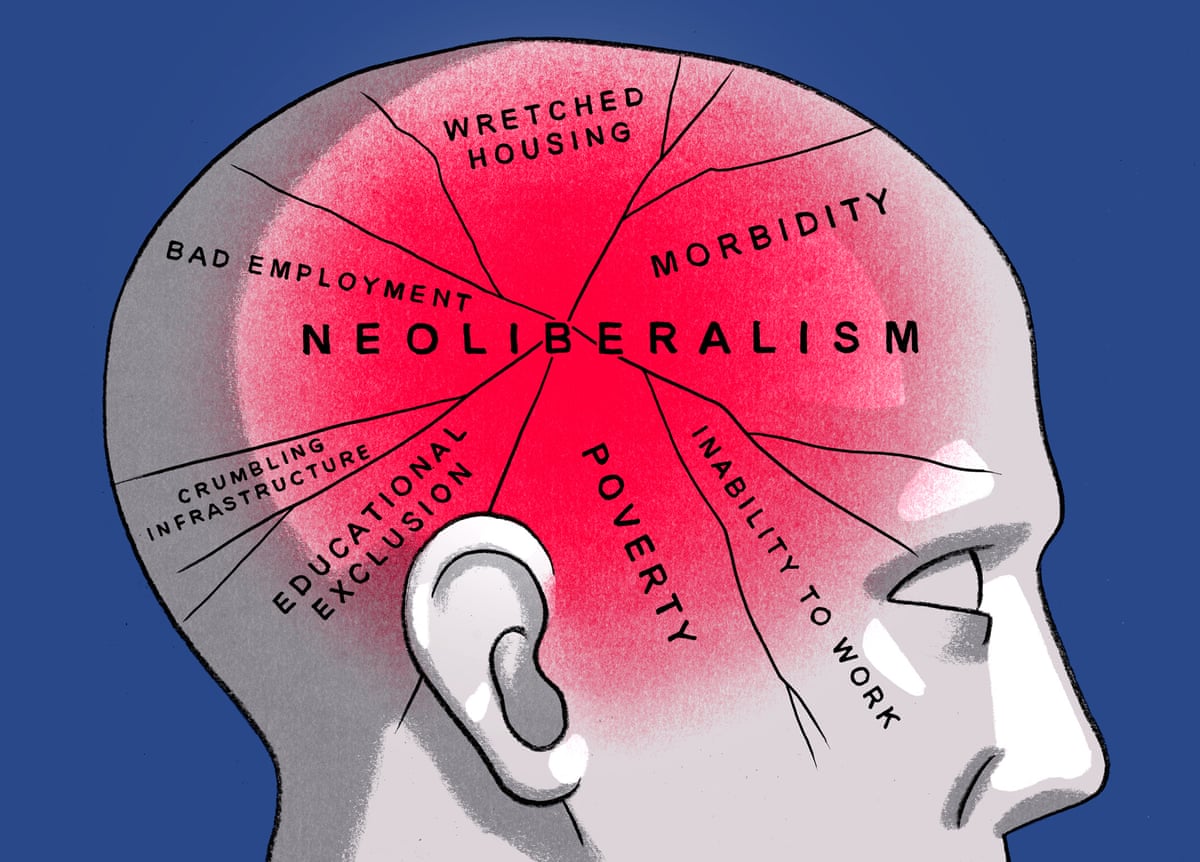
The reality, Chakrabortty explained, is that few countries have travelled as far down this path as Britain. The UK was the first nation to industrialise and the first wealthy country to de-industrialise on a significant scale. It was also the first social democratic polity to privatise at such scale, and it has systematically weakened institutions that other countries actively protect and envy.
Reversing these changes entirely is not realistic.
I can't see a quick path back to major manufacturing status – not now we've destroyed our supply chains.George Osborne's March of the Makers initiative failed to achieve its ambitions, though Chakrabortty pointed readers to Reindustrialise Britain by Costas Lapavitsas, Larry Elliott and Doug Nicholls for an alternative perspective on manufacturing revival.
However, other avenues appear more promising. He highlighted the employment rights and renters' rights initiatives begun by Angela Rayner, noting that many politicians understand the problems but their solutions remain fragmented and insufficient in scope.
Can private education be justified?
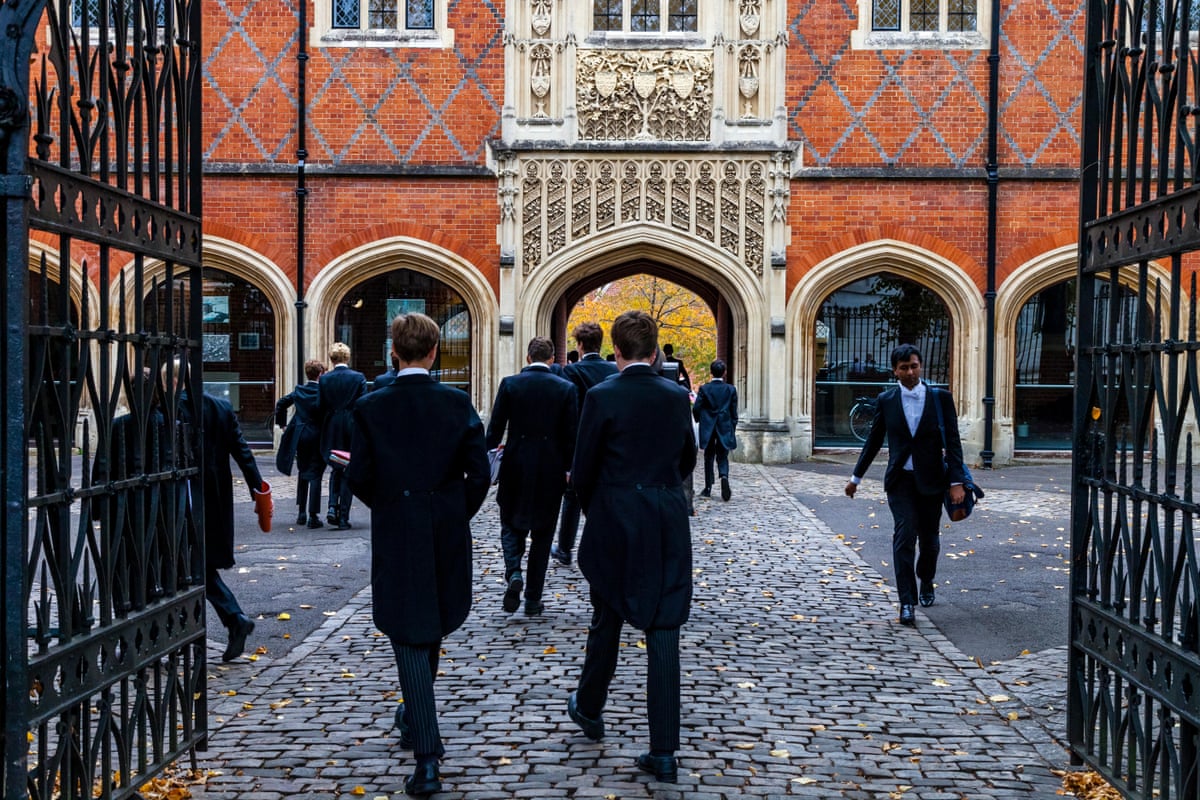
When asked whether private education can be justified when it diverts scarce resources to educate the mediocre and elevates them to positions of power—citing Jacob Rees-Mogg, Michael Gove, Boris Johnson and Nigel Farage as examples—Chakrabortty declined to mount a defence.
Thank you for your kind invitation, John, but I must decline.
Why interview Michael Gove on a podcast called Radical Thinking?
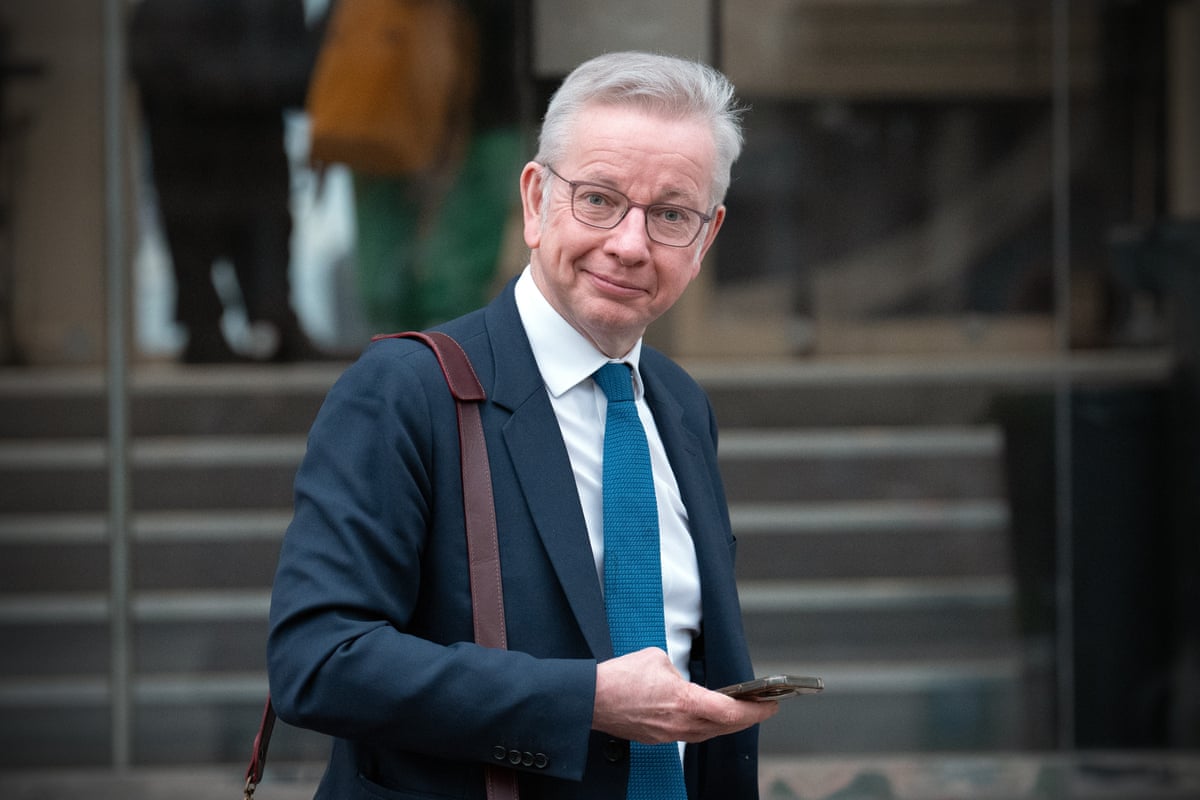
A listener questioned why Radical Thinking, a podcast ostensibly focused on radical ideas, had featured Michael Gove, whom the questioner regarded as thoroughly orthodox and central to the political establishment. The listener also asked whether Chakrabortty would consider interviewing climate activist Andreas Malm instead.
Chakrabortty began his response by acknowledging that the question itself was the opening point of the Gove interview. He explained that across the West and beyond, the radical politics currently gaining traction comes not from the Left but from the Right.
Think of Nigel Farage in the UK, Alice Weidel of the AfD, Giorgia Maloni running Italy, her past in neo-fascist politics.
Gove, he argued, is a significant thinker and an intelligent figure who has both led the Right—as one of the architects of Brexit—and followed it, as editor of The Spectator.
Here was a man accepting that the Conservatism that he'd previously championed was dead, and that its successor was a new, nastier, nativist right that derived much of its legitimacy from the failures of him and his colleagues.Chakrabortty found the interview fascinating precisely because it captured Gove grappling with the obsolescence of the political project he had championed.
Where is the moral outrage over inequality?
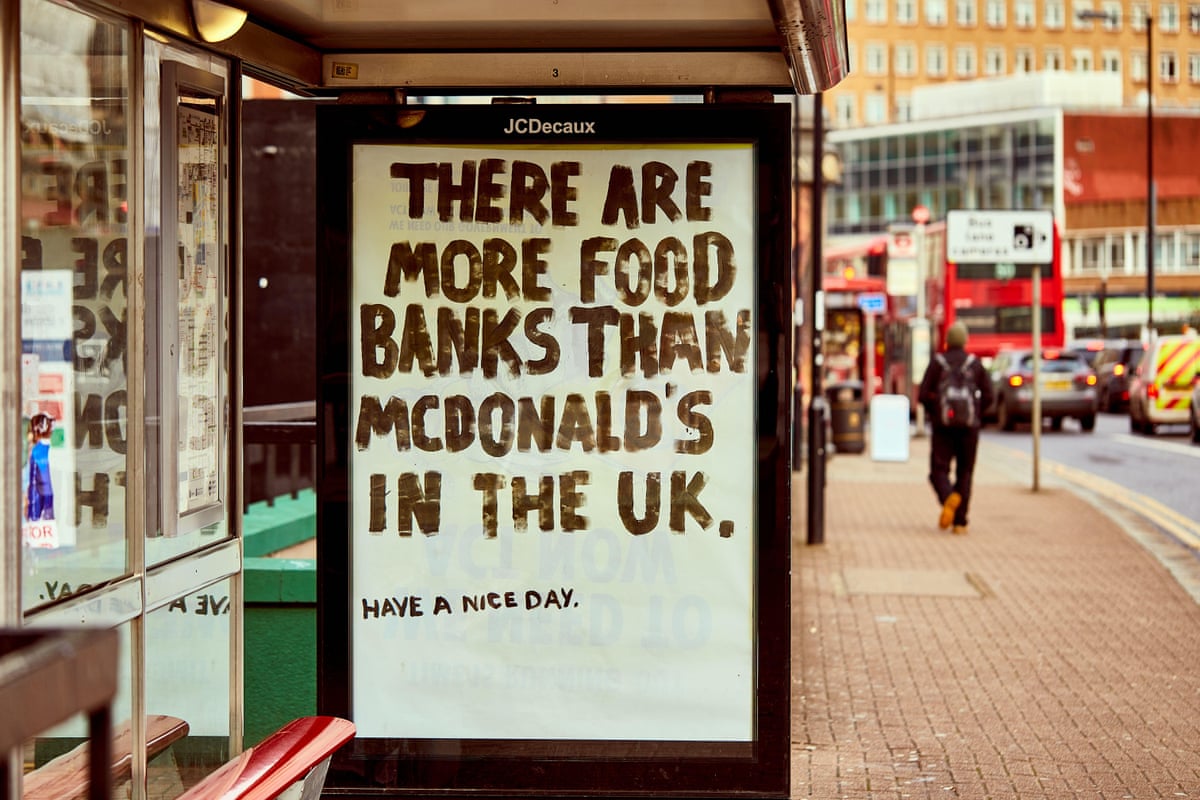
A reader expressed alarm at the levels of deprivation in Britain—one of Europe's richest countries—where millions cannot eat well, keep their homes warm or participate in social life. They asked why this situation is treated as acceptable and where the moral outrage has gone.
Chakrabortty shared the reader's outrage and noted that many others feel the same way. Confronted with the reality of approximately 300,000 homeless households in England, many containing children, in one of the wealthiest societies in human history, most people would agree the situation is unacceptable and outrageous.
But in a highly-unequal country, not everyone sees or feels or even brushes against this deprivation.Inequality creates a fragmented society where those with resources can insulate themselves from the suffering of others.
Is Britain experiencing economic and social collapse?
One reader asked bluntly whether the UK is heading for total economic and social collapse, how soon it might arrive, and whether recovery is possible afterwards.
Chakrabortty's answer was stark:
In truth, I think the UK is in economic and social collapse – it's just that some people can't see it, and others are too polite or arrogant to point it out.He pointed to the evidence: the most miserable period for wages and growth since the Napoleonic Wars; the worst decade for living standards since the end of rationing; environmental degradation with sewage in rivers; and a succession of prime ministers who blunder through office, are removed, and then earn substantial sums in the private sector—not only Liz Truss but also David Cameron and Boris Johnson.
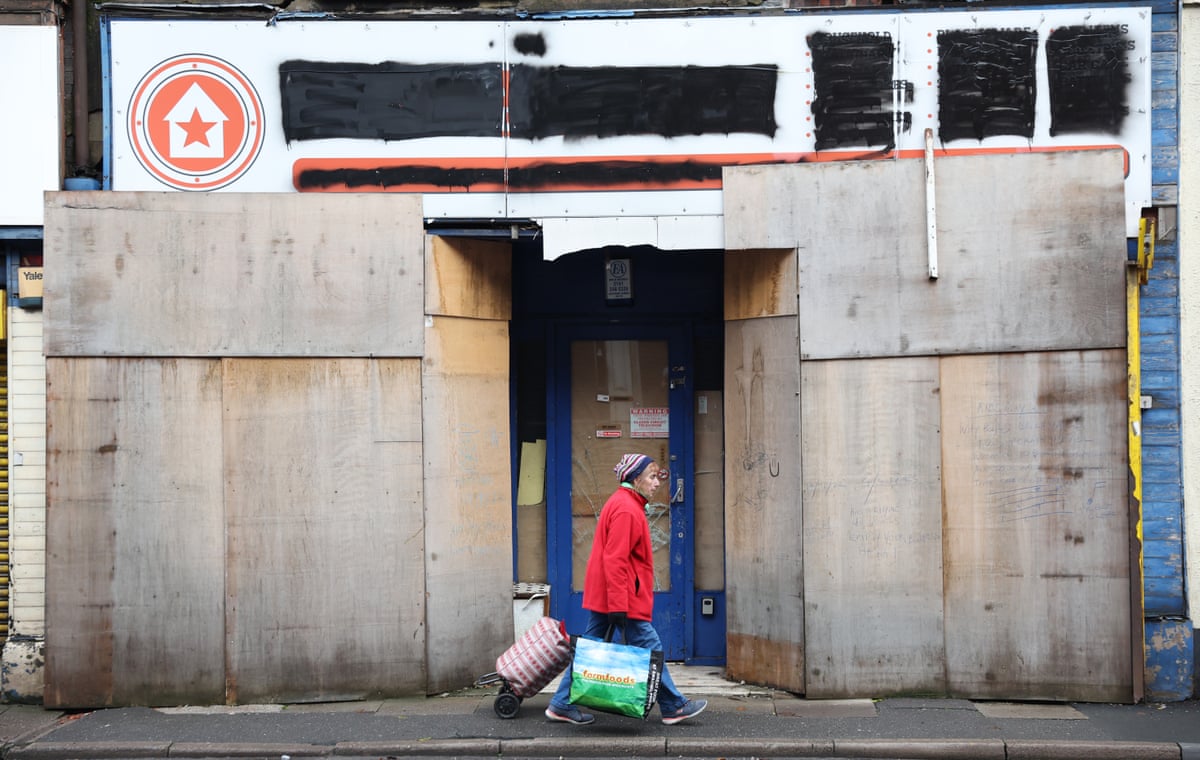
The reason this collapse is not widely recognised, Chakrabortty explained, is that Britain is a highly unequal country where pain is concentrated among those already most vulnerable. Even in a collapsing economy, some people prosper. He cited Argentina in the 1990s and 2000s as an example of a country where economic collapse coexisted with wealth for a privileged minority. Rather than asking when collapse will arrive, Chakrabortty urged readers to recognise that it is already here and to push for something better.
What is the difference between Radical Thinking and Politics?
A listener praised the thoughtful interaction between Chakrabortty and his guests but expressed confusion about whether Radical Thinking and Politics are separate programmes, noting they appear to share production staff. The listener also asked why further reading suggestions, which had appeared in earlier programming, no longer accompany episodes.
Chakrabortty explained that Radical Thinking began as a one-off series designed to capture the energy and ideas of a particular moment—a change of prime minister in the UK, the Trump midterms, and the rise of the far right. Episodes are published every weekend on The Guardian's platform as well as on YouTube, Spotify and Apple Podcasts. The upcoming Saturday episode features two dissenting economists discussing central issues from the Budget.
He acknowledged that part of the production team comes from Politics Weekly, and because Radical Thinking was conceived as a one-off series, it does not have a separate channel. However,
The reaction so far has been astonishing, so strong that we're thinking about more. So: watch this spaceRegarding further reading suggestions, Chakrabortty said he introduced them as an experiment and acknowledged they have not appeared consistently.
Glad you like the further reading. Again, I started it as an experiment – and I know it hasn't appeared everywhere – but if it's useful i'll keep it up.
About Aditya Chakrabortty and Radical Thinking
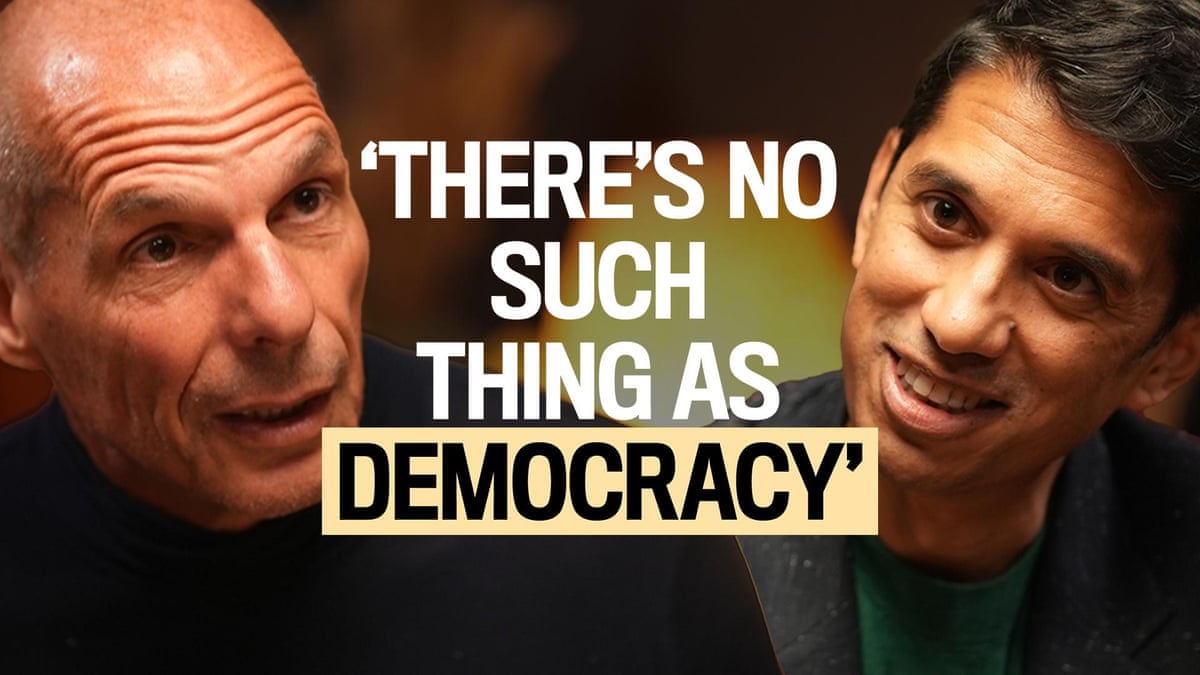
Chakrabortty is The Guardian's award-winning senior economics commentator who shares his thoughts on the economy and its impact on society through his regular opinion column. Earlier in 2026 he was awarded an MBE for services to public understanding of the economy and wider social issues. He launched Radical Thinking as a Saturday podcast where he interviews major thinkers about the ideas that have shaped contemporary times. His conversations have included economist Yanis Varoufakis discussing democracy and the Eurozone crisis, and writers Naomi Klein and Astra Taylor exploring Gaza, fascism and climate chaos. In a recent episode, he discussed doomscrolling and democracy with playwright James Graham, who suggested that algorithms have created
a massive crisis of the newand are preventing society from imagining different futures.
What happens next with AI policy and local partnerships
The government's approach to AI is evolving beyond the broad £700 million investment announced in the Budget. The government plans to pilot local AI partnerships, beginning with West Yorkshire, South Yorkshire, and York and North Yorkshire. Additionally, strategic data-centre projects seeking enhanced support will face tests covering community investment, energy costs, British jobs and national security. Before the Budget announcement, AI minister Kanishka Narayan stated that the government should shape AI in the interests of Britain and the public, rather than allowing technology tycoons to act without restraint. These developments suggest an attempt to balance AI investment with broader social and economic considerations, though Chakrabortty's scepticism about whether such measures can succeed within a fundamentally unequal economic system remains a central tension in the debate.