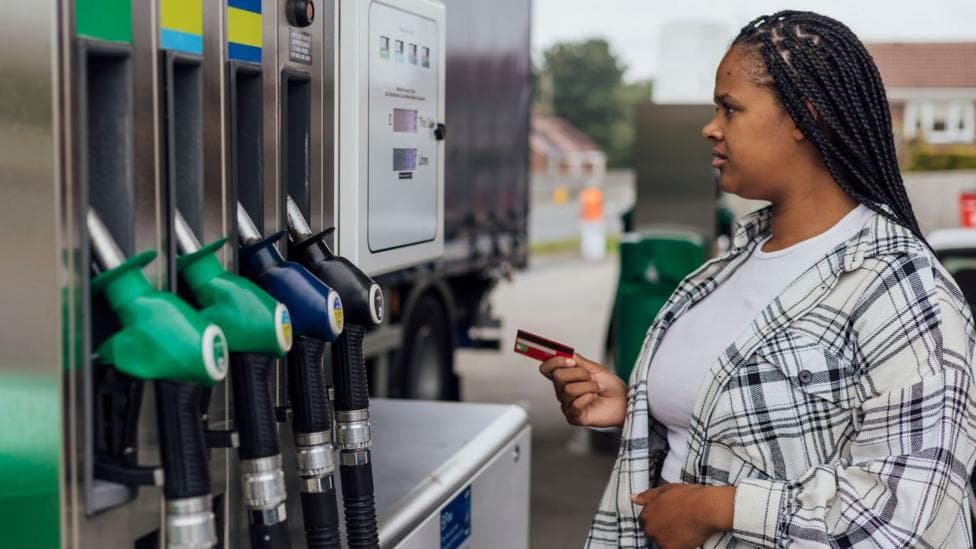
A full-time nursery worker has described how mounting financial pressures may force her to seek additional employment, as official data reveals the cost of living crisis deepening across the UK. Emma Ashfield, who raises an eight-year-old daughter, said the combination of childcare, utilities, food and clothing expenses has become unmanageable on her current income.
The Office for National Statistics released figures on Wednesday showing inflation climbed to 3.1% in August 2026, up from 2.9% the previous month. This marks the highest rate recorded in four months and remains above the Bank of England's 2% target. According to the ONS inflation bulletin, core inflation stood at 2.6% while the broader CPIH measure reached 3.3%.
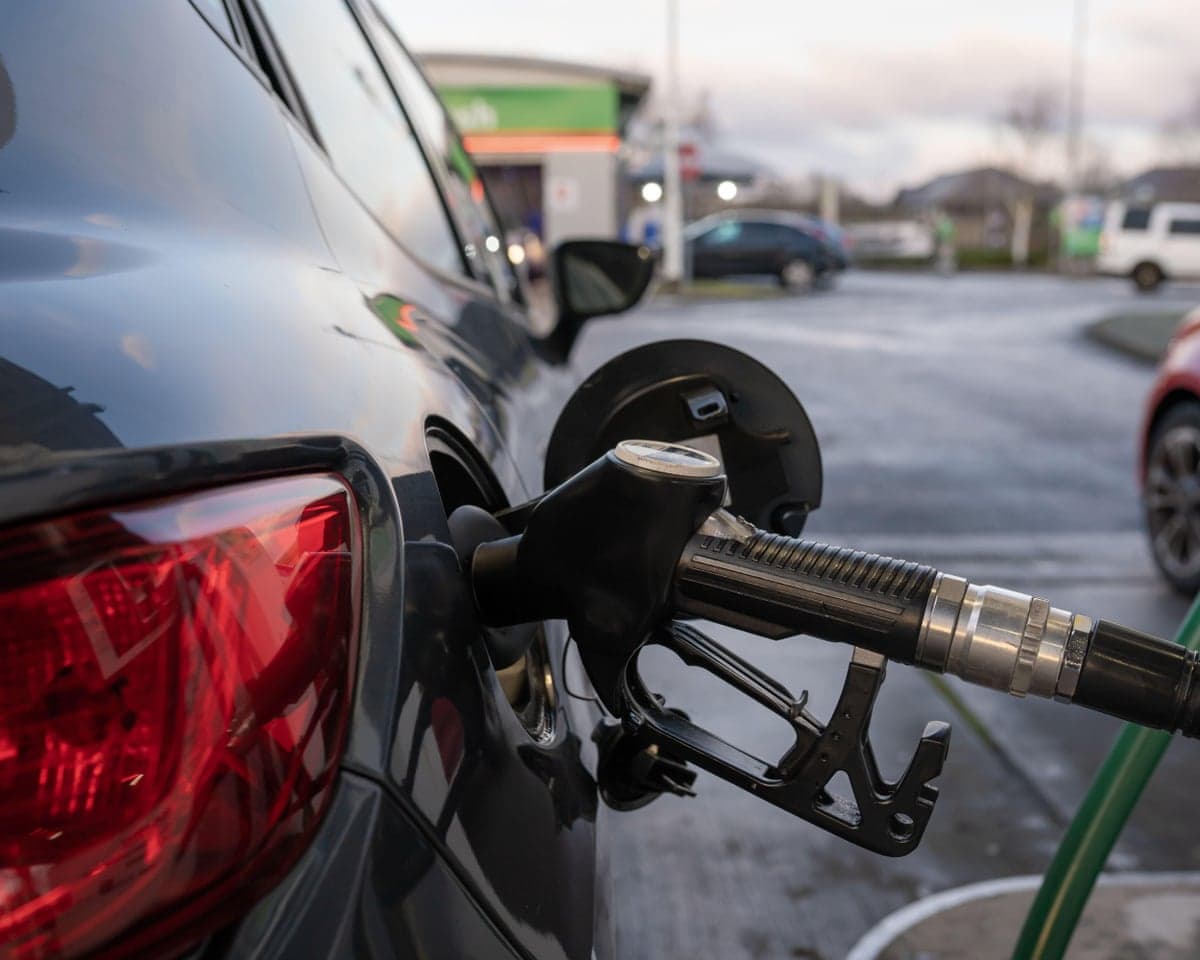
Motor fuels contributed significantly to the increase, with petrol averaging 161.3p per litre and diesel 181.8p per litre in August. Food and drink inflation, meanwhile, remained stable at 1.3%, though officials have warned that rising energy costs could push this category higher in coming months.
How are households managing the financial strain?
Ashfield explained that after-school nursery provision helps her manage childcare alongside her partner, but the family faces relentless pressure across multiple spending categories.
It is very hard with the cost of living, of food, gas and electric, and especially with my wee girl getting up [in years], the price of clothes as well, everything is just extremely expensive.
She identified school uniforms, rent and council rates as persistent financial burdens. The prospect of learning to drive adds another layer of expense, with driving lessons costing approximately £400 monthly.
You are trying to keep food on the table, [buy] clothes, trying to provide for them, alongside [that] your child wants the after-school clubs or any activities, you are trying to afford that as well as everything else, you would basically need a second job.
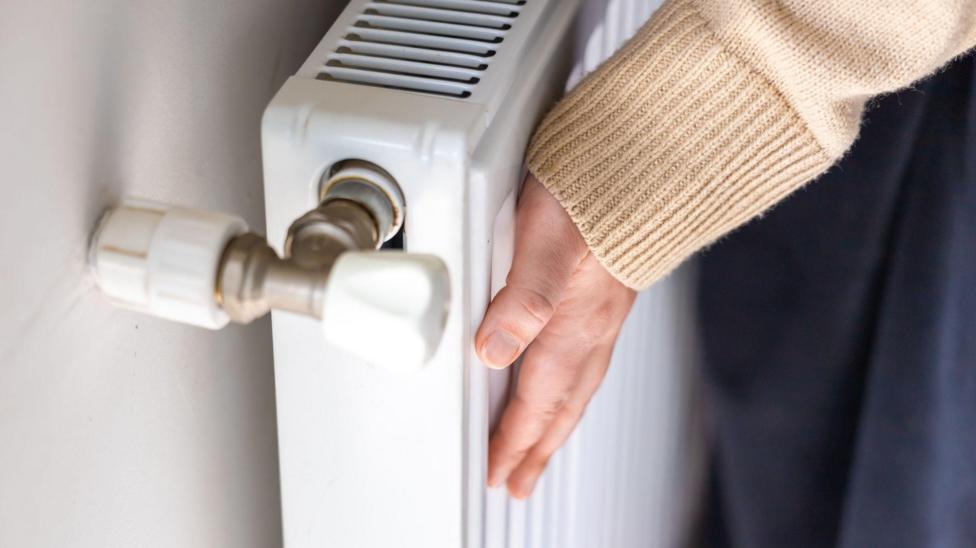
Energy costs represent a particular worry as winter approaches. Ashfield described constantly switching on heating and highlighted electricity as her primary concern.
I am constantly putting heating on, and the electric is a main one for me, I find electric very pricey... and it is costly trying to heat my apartment too. My wee girl is always wanting the heating on, so that's another thing.

Millions of UK households face sharply rising energy bills heading into winter. According to energy market analysis, Ofgem's price cap will increase by 4% from 1 October 2026, pushing the typical annual bill to approximately £1,723. The same forecasters predict a further rise in January 2027 that would lift typical bills to around £1,872. Gas prices have also surged above 200p per therm for the first time since late 2022.
What impact is inflation having on businesses?
The hospitality sector is experiencing acute pressure from rising costs. Selina Horshi, managing director of the White Horse Hotel in Londonderry, identified energy and food as the hotel's largest expense categories. She warned that even if inflation were to moderate, the cumulative effect of sustained price increases continues to erode business viability.

I have to heat the whole hotel, whether I have one customer who can afford to come in and use it, or whether it is 500 customers, so I have quite a high fixed cost base. I need to keep it warm, I need to keep the pool hot, I need to keep the lights on, and I need to keep buying a huge variety of food where there has been particularly high inflation.
All those costs are piling up and what it has done, is squeeze margins further and further.
As a member of Londonderry's chamber of commerce, Horshi observed that while various business sectors face inflationary pressures, hospitality bears a disproportionate burden.
The costs are continuing to go up, but because the costs are going up for every household as well, people have less money in their pockets and hospitality is one of the last places you spend. It is where you spend if you have money left over... and people have less money left over after they have spent what money they have on their increased costs for households.
What happens next?
The Office for National Statistics has scheduled its next Consumer Price Inflation release for 21 October 2026. Ofgem's revised energy price cap takes effect on 1 October 2026, marking the first of two anticipated increases before the end of the year. Households and businesses will be watching closely to see whether inflation continues its upward trajectory or begins to moderate in the coming months.