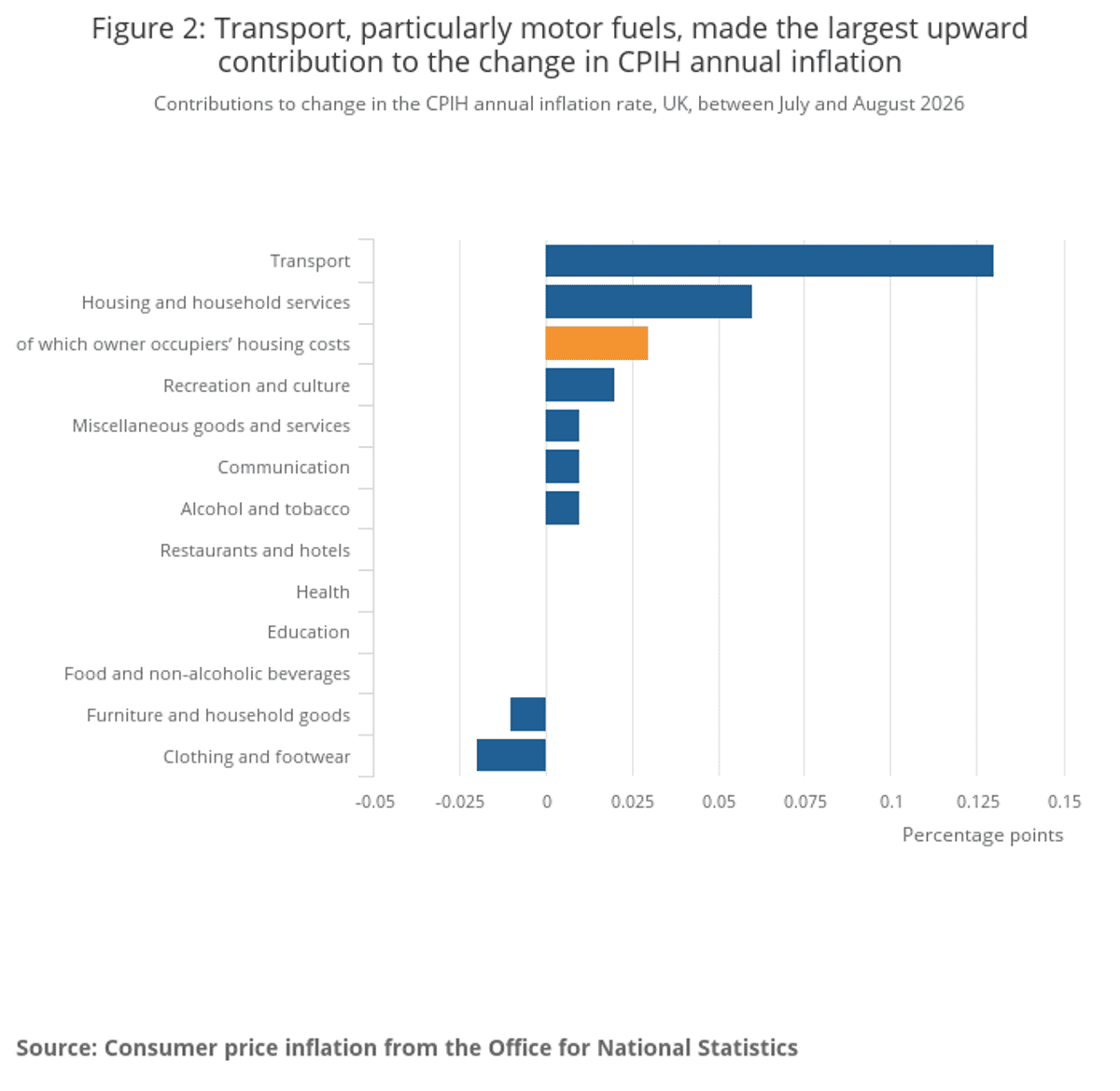
The cost of living squeeze on UK households has intensified, with inflation rising to 3.1% in August, up from 2.9% in July. The Consumer Prices Index, which tracks the cost of goods and services across the economy, reflects mounting pressure on family budgets as transport costs—particularly motor fuels—drive the increase. On a monthly basis, the CPI rose by 0.5% in August, according to the Office for National Statistics.
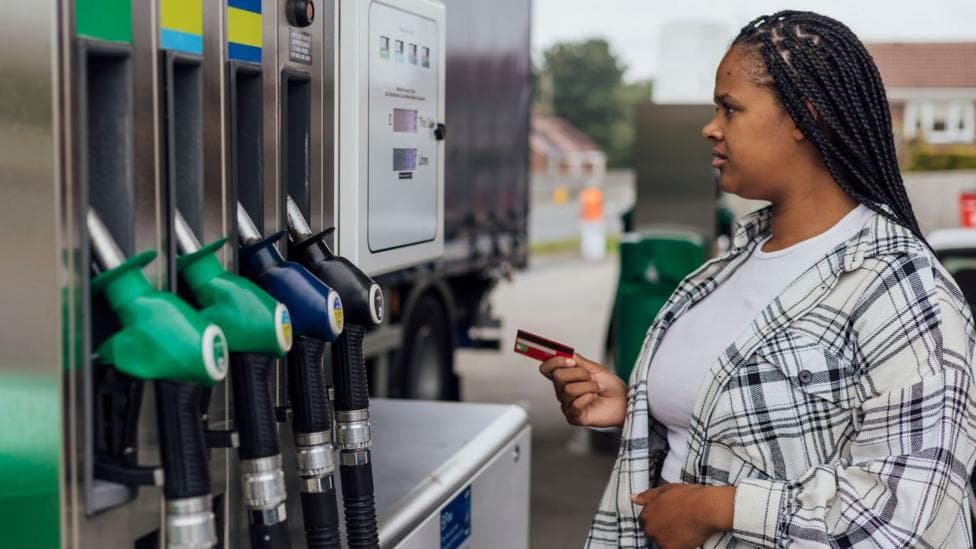
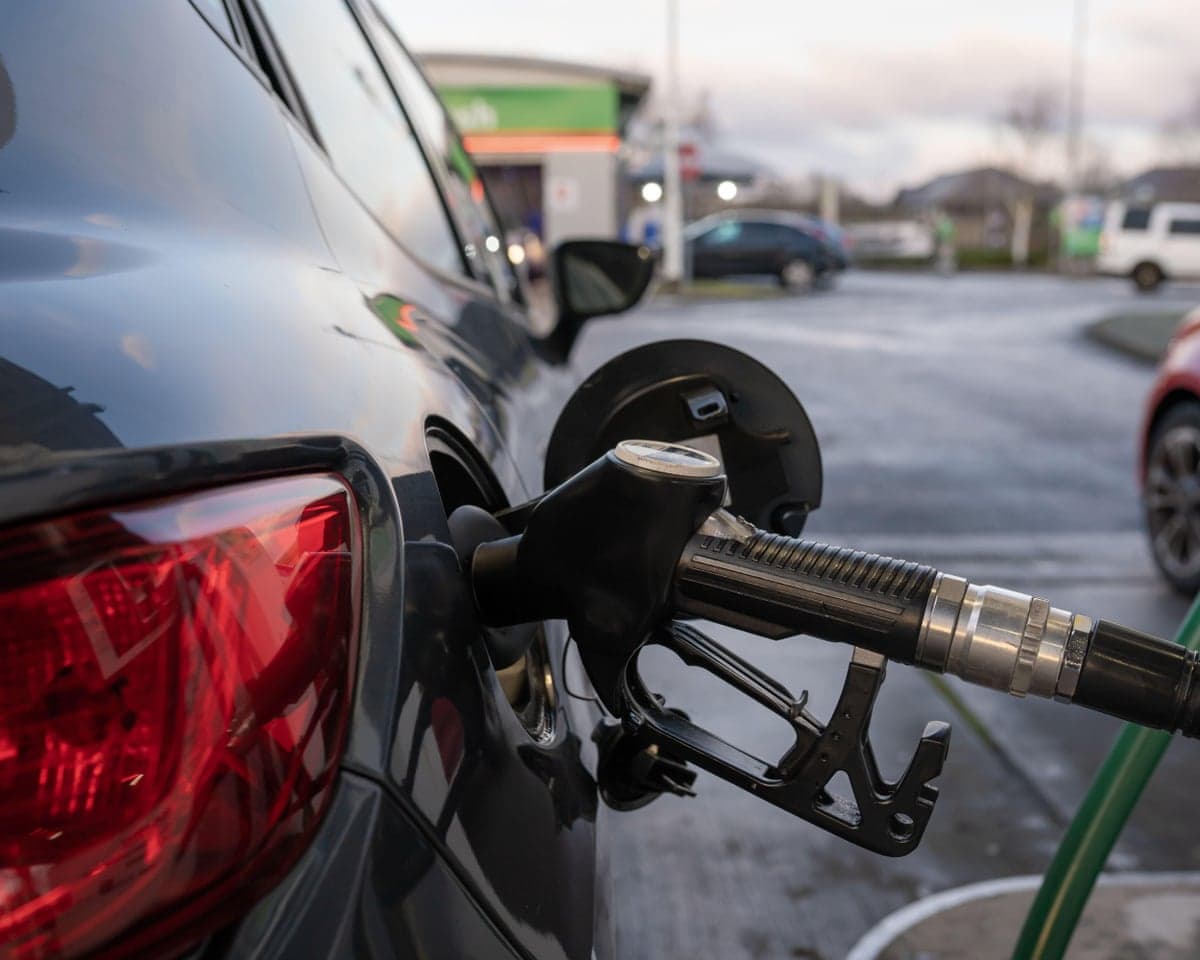
The August reading comes as petrol and diesel prices have reached their highest levels since the Iran conflict began, making a visit to the pumps the most expensive since 2022. Higher fuel costs, driven by the jump in oil prices following geopolitical tensions, have been the primary driver of the month-on-month increase.
The inflation rise puts renewed pressure on the Bank of England, whose 2% target is now significantly exceeded. According to reporting, the Bank of England expects CPI to peak at 3.2% in October and November, with food-price inflation reaching 3.5% in December. The August figure also comes amid broader economic headwinds: UK government borrowing costs hit their highest level since 2007 yesterday, and the average 10-year bond yield for the Group of Seven largest economies reached its highest point since mid-2008.
What is driving the inflation increase?
Transport costs have emerged as the primary inflationary force in August. The Office for National Statistics specifically identified motor fuels as the key factor pushing the monthly CPI increase of 0.5%. Beyond fuel, other pressures are building across the economy. Food inflation and energy prices have also contributed to the upward momentum, with core inflation standing at 2.6% in July and services inflation at 3.4%.
Retail prices have accelerated sharply, with the British Retail Consortium reporting that shop prices rose 1.5% in August, the fastest pace since February 2024. Within retail, food inflation reached 2.8% while non-food inflation stood at 0.9%, indicating that grocery costs are rising significantly faster than other consumer goods.

Some economists have pointed to an emerging factor in UK inflation: so-called "AI-flation." Experts at Pantheon Macroeconomics have suggested that higher electronics prices, linked to chip shortages amid the artificial intelligence boom, could add 0.2 percentage points to inflation. Rob Wood, their UK economist, highlighted this potential contribution to overall price pressures.
How do economists view the inflation outlook?
The August reading aligns closely with economist forecasts, which had predicted a rise to around 3.1%. Sanjay Raja, chief UK economist at Deutsche Bank, noted that
after broadly matching expectations in July, we see price momentum pushing up again in August. Some goods inflation, food inflation and a chunky rise in energy prices will likely see inflation take another small step higher to round up the summer.
Public inflation expectations have also risen, adding to concerns about future price pressures. According to survey data, 12-month inflation expectations in Britain rose to 3.9% in August and longer-term expectations reached 4.1%, their highest levels since April. These expectations can become self-fulfilling if consumers and businesses adjust their behaviour in response to anticipated price rises.
What are the broader economic implications?
The inflation rise comes at a time of heightened financial stress for UK households already struggling with the cost of living. Higher inflation typically erodes the purchasing power of wages and savings, particularly affecting those on fixed incomes. The pressure on government borrowing costs also has implications for public finances, as the state faces higher costs to service its debt.
The UK is not facing inflation pressures in isolation. Last week, US inflation was recorded at 3.4%, which is likely to encourage the Federal Reserve to raise interest rates. Higher US rates can have spillover effects on global financial markets and the UK economy, particularly through exchange rates and capital flows.
What happens next?
The Office for National Statistics has scheduled the next Consumer Price Inflation release for 16 September 2026, when economists and policymakers will assess whether the upward momentum in prices continues or begins to moderate. In the meantime, the Bank of England will continue to monitor inflation data as it considers its monetary policy stance. The central bank's decisions on interest rates will be closely watched by households and businesses seeking clarity on future borrowing costs and the trajectory of the cost of living crisis.
Key facts
- UK Consumer Prices Index rose to 3.1% in August 2026, up from 2.9% in July, driven primarily by transport costs and motor fuel prices
- Petrol and diesel prices have reached their highest levels since the Iran conflict began, with pump prices at their most expensive since 2022
- The Bank of England expects inflation to peak at 3.2% in October and November, with food-price inflation potentially reaching 3.5% in December
- Public inflation expectations rose to 3.9% for the next 12 months and 4.1% for longer-term expectations, their highest since April 2026
- The next scheduled inflation release from the Office for National Statistics is set for 16 September 2026