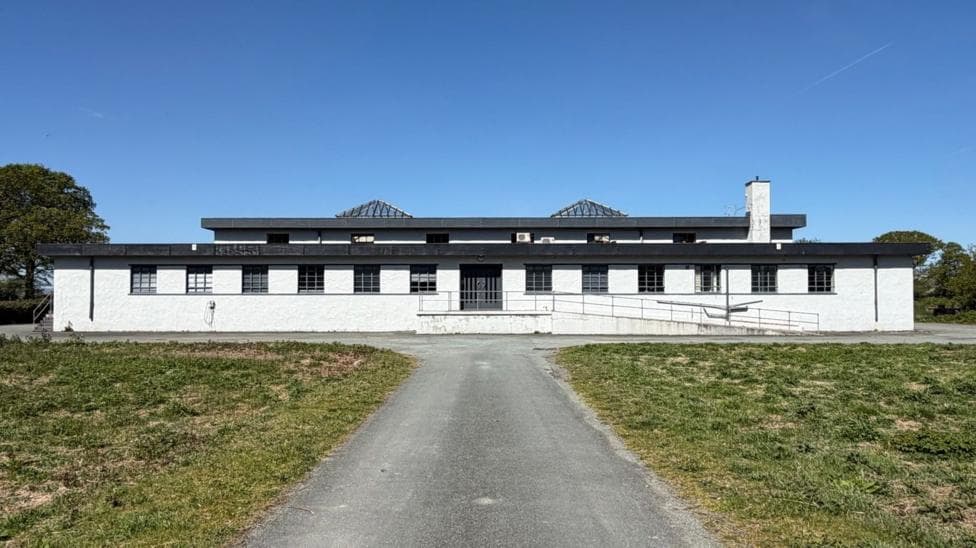
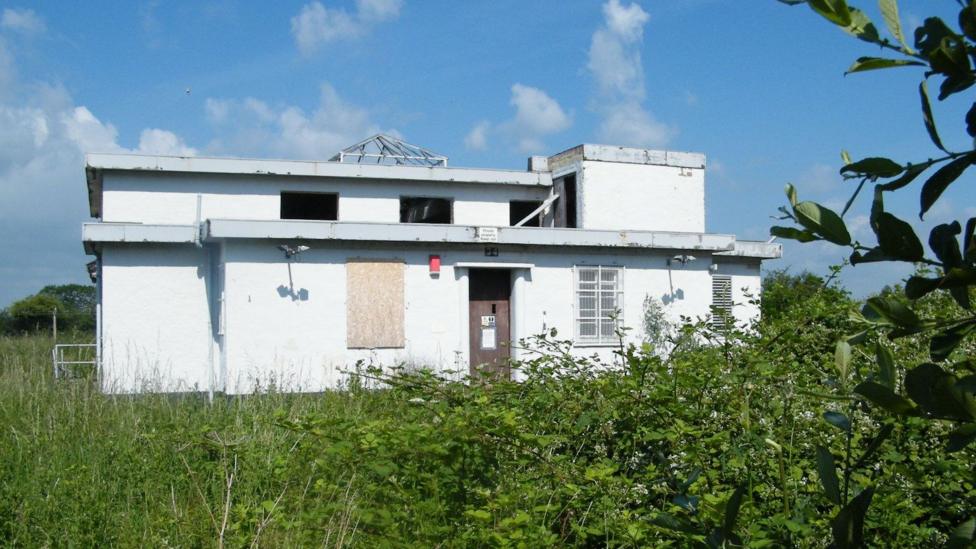
A significant piece of British military communications infrastructure is entering the property market. Shortwave A, part of Criggion Radio Station in Powys, has been listed for £495,000, marking the end of an era for one of the nation's most strategically important wartime transmission hubs. According to BBC News, the building operated as a critical relay point for military and civilian messages from 1942 until 1972, though the original radio equipment and the station's distinctive 600-foot towers no longer remain.
The facility played a vital role in World War Two and the Cold War, transmitting long-distance communications to warships, submarines and civilian networks before the advent of satellite technology. Robert Pearce, a retired Royal Air Force radio engineer who owns another section of the former station, reflected on the loss of the installation's technological legacy, stating:
It's very, very sad we've lost it. We were the absolute leaders in technology.
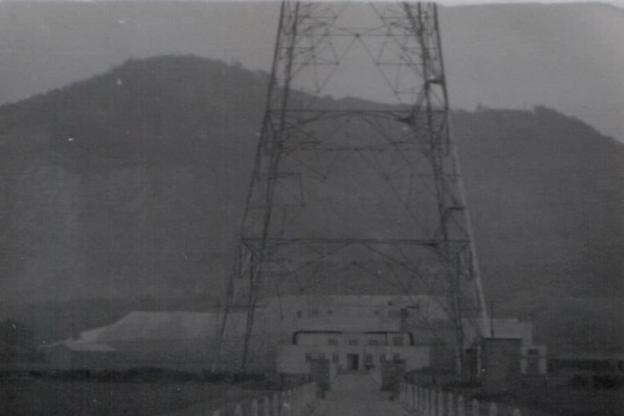
Criggion Radio Station was constructed rapidly in 1942 as a backup to the main communications centre in Rugby, Warwickshire, following concerns that the primary facility might be targeted by enemy bombing. The location selection process prioritised sites that were flat, isolated and positioned near elevated terrain suitable for anchoring the extensive aerial systems required for long-distance radio transmission. The village of Criggion, situated on the Shropshire border, met these criteria perfectly.
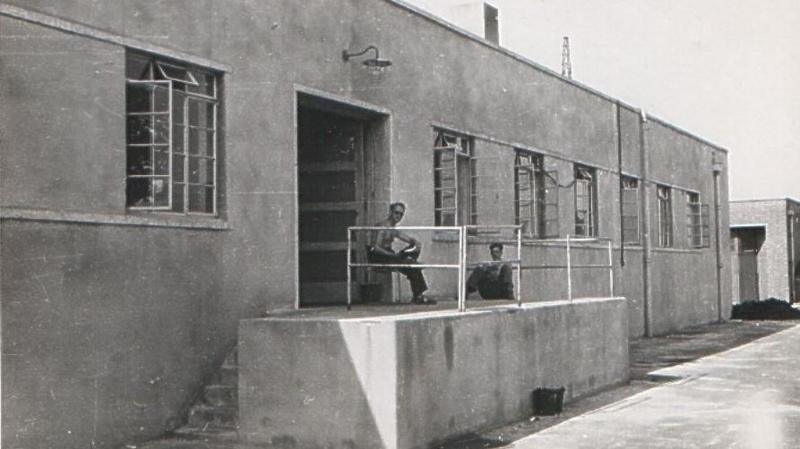
The engineering achievement at Criggion was substantial. The station incorporated miles of buried copper wire to amplify radio signals, made innovative use of the 900-foot Breidden Hill to support its large aerial array, and featured distinctive Eiffel-style transmission towers visible across the surrounding countryside. Staff members even employed an amphibious military vehicle—a hybrid between an armoured truck and a motorboat—to reach the site during periods of flooding from the nearby River Severn. The buildings themselves were constructed on raised foundations to provide additional protection against inundation.
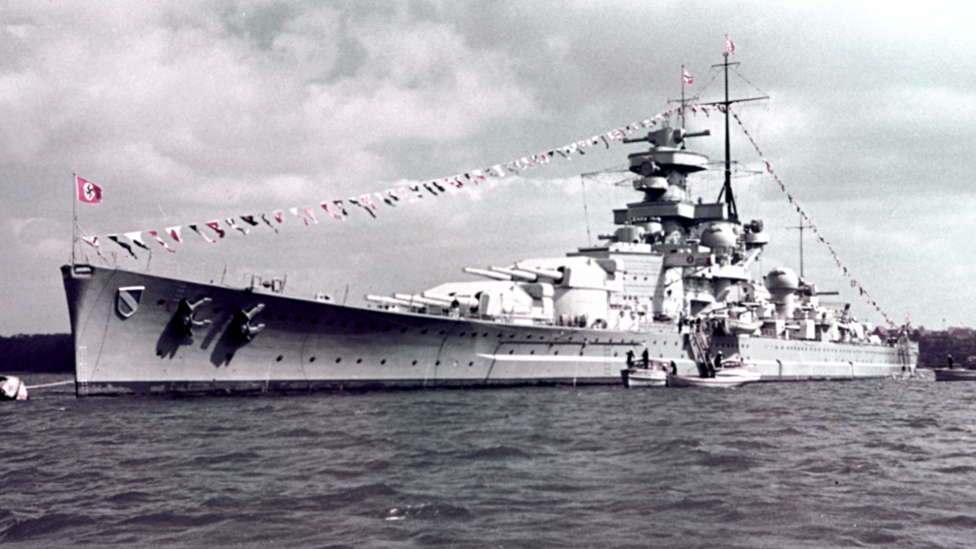
During World War Two, Criggion relayed coded messages from the Admiralty, the government body commanding the Royal Navy. The station's personnel had no knowledge of the content they were transmitting. However, historical records indicate that Criggion transmitted orders responsible for the sinking of several enemy warships, most notably the Scharnhorst, one of Nazi Germany's most formidable and successful battleships. The Scharnhorst was destroyed on 26 December 1943 during the Battle of the North Cape.
A critical moment in the station's wartime service occurred when Rugby's VLF transmitter was disabled by an accidental fire in 1943, and Criggion assumed its Admiralty responsibilities within three days; Rugby remained non-operational for six months. This transition underscored the strategic importance of maintaining redundant communication pathways during wartime.
Peak Operations During the Cold War
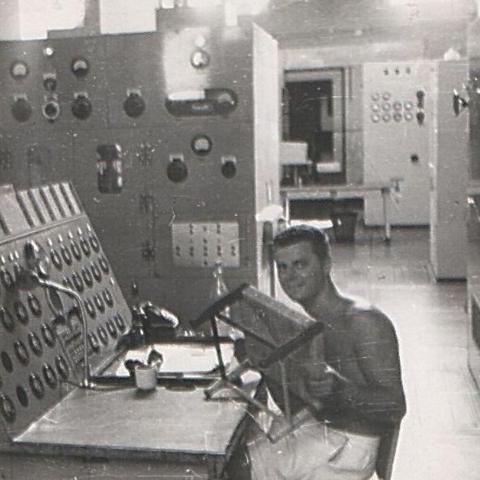
The station reached its maximum operational capacity during the Cold War period, when staffing levels ranged between 120 and 160 personnel. During this era, Criggion transmitted Very Low Frequency (VLF) messages to Britain's submarine fleet, a critical function for maintaining command and control of the nation's underwater deterrent. Beyond military applications, the facility also handled civilian traffic before satellite communication became widespread, serving as a vital international communications bridge.
Technological Obsolescence and Decline
Advances in telecommunications technology rendered Criggion's Shortwave buildings obsolete during the 1970s. Two of the station's structures remained in service under British Telecom, the privatised successor to the General Post Office's telecommunications division, until the entire facility was formally decommissioned in 2003. This closure ended six decades of continuous radio operations at the site.
Following decommissioning, the station deteriorated significantly and became a destination for urban explorers investigating abandoned infrastructure. In 2014, Powys councillor Graham Brown expressed frustration that the installation had been
left to rotand advocated for its conversion into a historical attraction. Rather than pursuing a unified preservation strategy, the four principal buildings were sold to separate buyers.
Current Ownership and Future Use
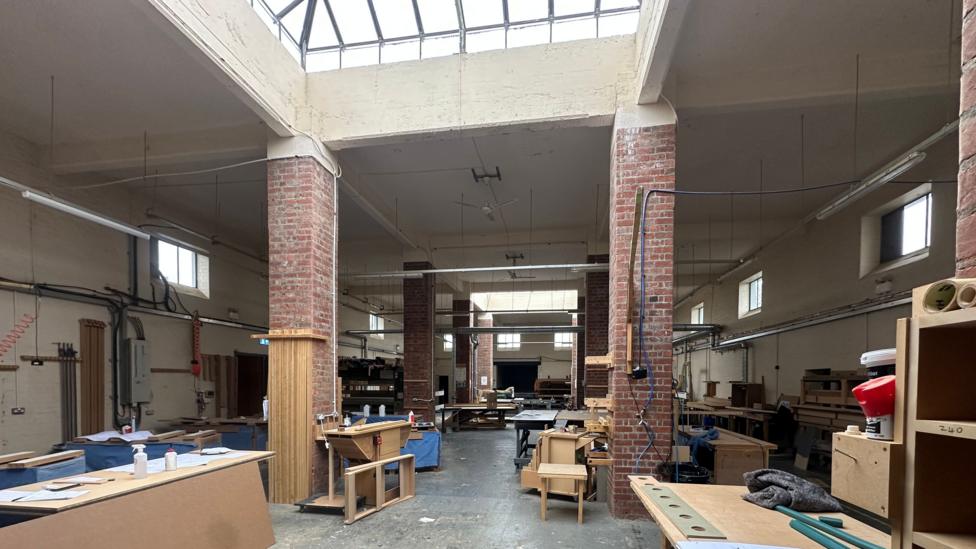
The Studio People, an acoustic design and studio installation company, acquired Shortwave A and operated it as their office and workshop facility until 2026. The property now being marketed for sale comprises approximately 12,199 square feet (1,133 square metres), a secure circular yard, parking and surplus land with potential for additional buildings subject to planning permission. The sales particulars indicate a rateable value of £29,750 as of 1 April 2026.
Robert Pearce, who grew up in nearby Shrewsbury, purchased the station's Low Frequency (LF) building with the intention of establishing a radio museum. Regulatory constraints on changing the building's designated purpose prevented this ambition, leading Pearce to describe his acquisition humorously as
a very expensive garden shed. Undeterred, he obtained his amateur radio licence and now broadcasts daily from the historic site to fellow amateur radio operators on the amateur radio band.
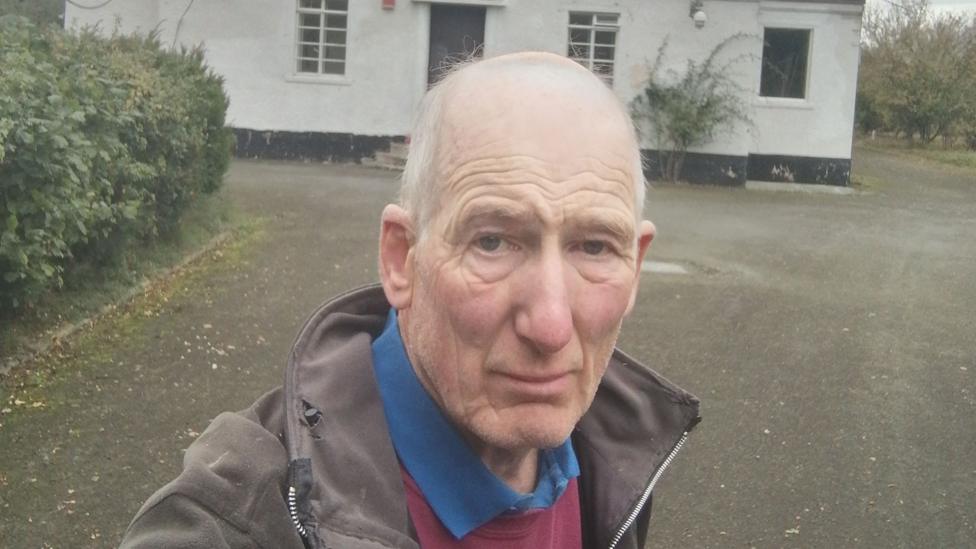
Pearce's radio callsign concludes with GBY, one of the original callsigns used by Criggion during its operational years. He explained his daily activities at the site:
We talk, we give signal reports, see what the weather is like, or what you're building.Despite his regret over the loss of the station's original technological equipment, Pearce continues to maintain an active presence at Criggion and conducts tours of his building for fellow radio enthusiasts.
The sale of Shortwave A represents another chapter in the broader story of Britain's Cold War infrastructure entering the civilian property market. Similar heritage sites across Wales have faced comparable challenges in recent years, from the secret nuclear bunker built within World War Two tunnels beneath Bridgend to the last remaining house in the abandoned mining village of Troedrhiwfuwch, as communities grapple with preserving historical significance while adapting these structures to contemporary uses.
What Happens Next
The property is being offered on a freehold basis with vacant possession upon completion. The listing provides no specified sale deadline or scheduled decision date, leaving the timeline for the transaction open-ended. Prospective buyers will inherit not only a substantial building with significant historical credentials but also the opportunity to shape the future use of a site that played a measurable role in shaping twentieth-century military history.