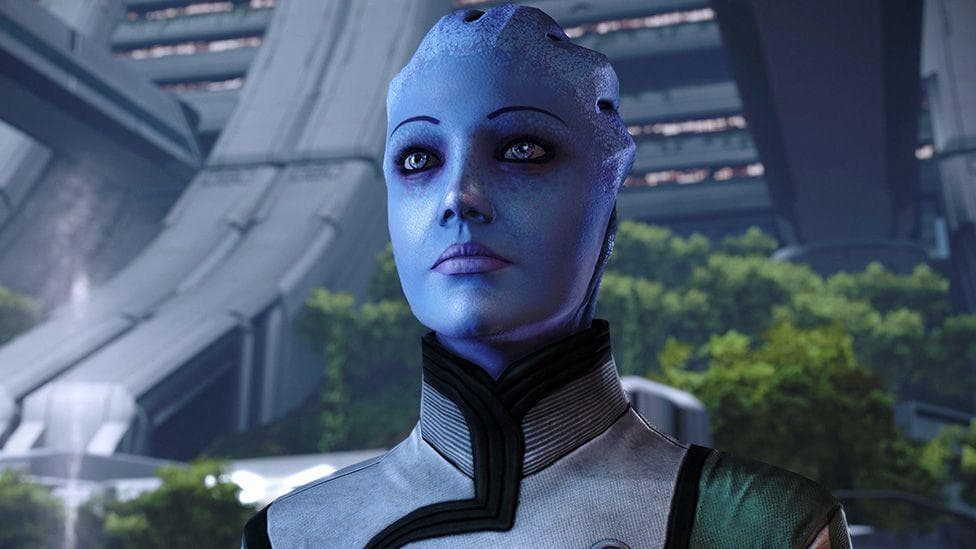
BioWare, the Canadian video game developer renowned for creating the Mass Effect sci-fi trilogy and Dragon Age fantasy series, has ceased operations. The studio's closure follows disappointing sales performance on its two most recent titles, prompting parent company Electronic Arts (EA) to wind down the operation as part of a broader restructuring that will eliminate 400 jobs across the publisher. According to BBC News, the decision marks the end of a 31-year history for the Edmonton-based developer.
In a statement, BioWare expressed gratitude to its player community, describing fans as "the most important part of the story" throughout the studio's existence. The closure also terminates early development on the next Mass Effect game and shuts BioWare's Edmonton workspace, according to The Verge. Of the 400 positions being eliminated company-wide, roughly 50 are at BioWare—representing about 3% of EA's total workforce, the Los Angeles Times reported.
EA acquired BioWare in 2007, integrating the studio into its portfolio of development teams. The developer had built its reputation on narrative-driven role-playing games with branching storylines that gave players meaningful choices. Its breakthrough came in 1998 with Baldur's Gate, an adaptation of the Dungeons and Dragons ruleset that established the studio's credentials in the genre.
What made BioWare influential?
BioWare achieved its greatest commercial and critical success in the late 2000s with the Mass Effect trilogy and multiple Dragon Age titles. Mass Effect became particularly influential within the gaming industry, celebrated for its ambitious narrative scope and groundbreaking inclusion of same-sex relationship options for players—a feature that helped shape industry standards for character representation.
Why did the studio struggle in recent years?
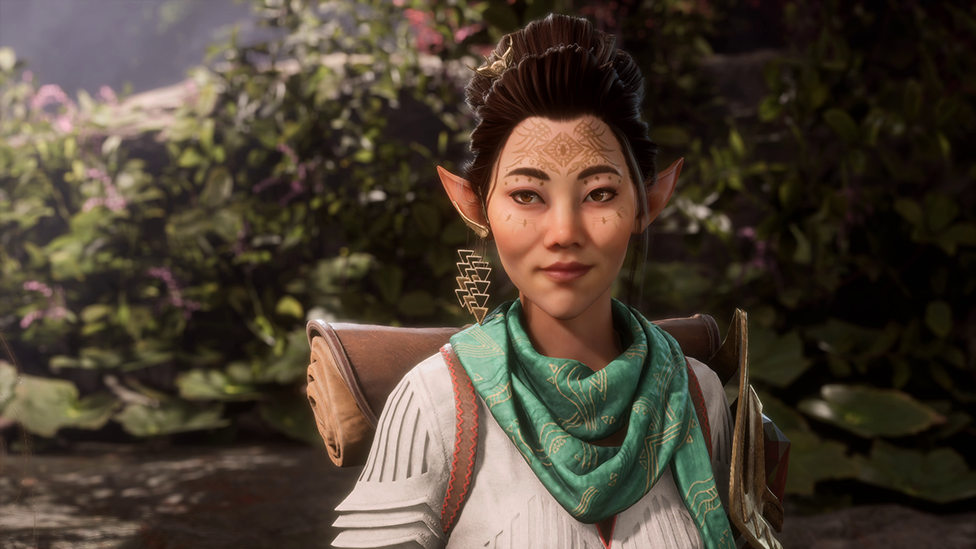
As industry trends shifted toward mult experiences, BioWare attempted to pivot away from single-player games. The 2019 release of Anthem, a mult action title, disappointed both players and critics, failing to achieve the commercial success EA had anticipated. The studio's subsequent effort, Dragon Age: The Veilguard, launched in 2024 as the fourth entry in the Dragon Age series but faced lukewarm reception. The game's extended development cycle drew criticism, particularly from longtime fans who felt it lacked the morally complex decision-making that had defined earlier instalments in the franchise.
What prompted this decision now?
EA's restructuring follows the publisher's acquisition by a Saudi Arabia-led investment group in a $55 billion transaction. As part of the deal, EA assumed $20 billion in debt, creating financial pressure to streamline operations and focus resources on proven franchises. In a memo to staff signed by Chief Operating Officer David Tinson and Chief Studios Officer Cam Weber, the company stated it had conducted a "hard look" at its business model and determined it would concentrate on fewer simultaneous large-scale projects in the action-adventure space.
The company indicated it would prioritize development of a new Star Wars Jedi title and a Marvel Iron Man game, alongside projects under its EA Sports division. These include a "social-first" American Football game code-named "Project Gridiron" and early-stage work to revive the Fight Night boxing simulator. EA also reaffirmed its commitment to long-term support for the skateboarding simulator Skate and The Sims franchise, though it cancelled one new Sims project and announced job cuts at Skate developer Full Circle.
What support will affected employees receive?
EA stated it would attempt to help affected staff members explore alternative roles within the company, according to Deadline. However, the scale of the layoffs—roughly 50 positions at BioWare alone—means many developers will face displacement in a competitive job market.
What's next for EA's major franchises?
Despite BioWare's closure, EA confirmed it remains committed to developing the next Star Wars Jedi game and the Marvel Iron Man project. The publisher's focus on these established intellectual properties reflects a strategic shift toward franchises with proven market appeal, moving away from the experimental mult ventures that characterized BioWare's recent output.