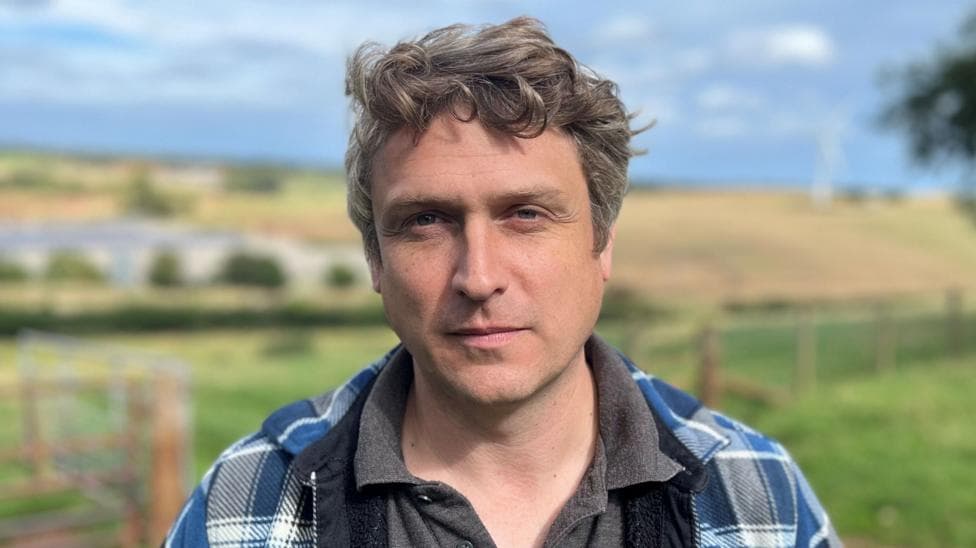
Jamie Wyllie, an East Lothian farmer and office holder in the National Union of Farmers in Scotland, says the Scottish government's proposed food price cap is causing him considerable anxiety. The policy, which would impose price controls on up to 50 essential food items including milk, eggs, cheese and rice, has sparked widespread concern among producers who fear the financial burden will ultimately fall on them rather than the supermarket chains the government intends to target.
As a farmer accustomed to long working hours, Wyllie is no stranger to exhaustion. Yet he describes a different kind of sleeplessness now gripping him—one rooted in worry about how the price cap will affect his family farm, which he says is already operating on razor-thin margins. His concerns reflect a broader anxiety within Scotland's farming community about the government's flagship cost-of-living initiative.
The Scottish government launched a formal consultation on the price controls on 1 September 2026, with the consultation paper outlining that the proposed legal caps would apply only to large supermarket chains and online sales, not every food retailer. First Minister John Swinney has framed the policy as essential "bold action" to help households struggling with the cost of living, arguing he has a "public health responsibility" to ensure people can afford a healthy basket of goods.
However, 23 organisations wrote to Swinney last week urging him to abandon the policy, signalling that opposition extends well beyond individual farmers. Business groups have characterised the plan as ineffective, while producers worry about unintended consequences rippling through the supply chain.
What exactly is the Scottish government proposing?
The government wants large supermarkets to offer at least one variety of each capped item at a controlled price. If that product sells out, retailers could be required to offer another similar product at the same price. The draft bill would apply to businesses with more than 250 employees, annual turnover above £250 million, and more than half of turnover from grocery sales, with non-compliance potentially resulting in fines up to £10,000 on summary conviction or an unlimited fine on indictment.
Beyond the four staple items Swinney has publicly identified, the government has not yet disclosed which food products would be included or what the specific price caps would be. The draft plans would also ban multi-buy promotions on capped goods and allow local authorities to enforce the rules.
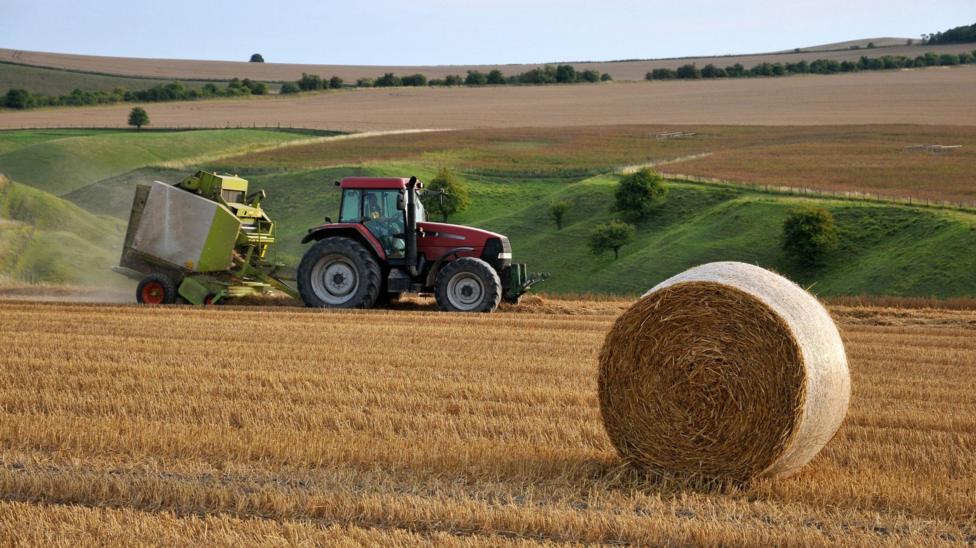
Why are farmers so concerned?
Wyllie's central fear is straightforward: supermarkets will not absorb the financial hit themselves but will instead pass costs down the production chain to farmers like him.
"I struggle to see how, or why, they would swallow that cost. They'll pass it down to us. We see it all the time,"he said.
As someone at the bottom of the supply chain, Wyllie has no one to pass his own costs onto.
"I'm the bottom of the food chain. I can't pass my costs on to anybody else,"he explained. His farms, which specialise in pigs, sheep and crops for bread and cereal production, have already faced mounting pressures in recent years. A UK government national insurance hike and a looming UK-wide tax on fertiliser will affect operations of his size. His energy costs have doubled, with a standing charge of £1,500 per month before he has even used a single unit of electricity.

Wyllie worries that the price cap could prove to be another burden that
"might make producers think twice about what they're doing."When pressed on what he means, he points out that independent farmers face other options: switching to non-food crops or selling their land for development such as artificial intelligence data centres.
"Every time other items get thrown in, like this price cap, it does affect you. It does keep you up at night,"he said.
Wyllie notes that independent farmers are already stretched thin, handling every task from bookkeeping and human resources to operating tractors themselves. The accumulation of regulatory and financial pressures threatens the viability of farms operating on minimal profit margins.
What is the government's response?
Ministers have made clear they want to engage with all parties involved in the supply chain. The Scottish government will host a 'fair food summit' on Tuesday, where Business Minister Tom Arthur will meet with organisations representing producers and retailers. The invitation states the aim is to
"work together to ensure that people across Scotland can afford their weekly shop in a way that works."
However, many producers appear sceptical that both objectives—capping prices and protecting farm incomes—can be achieved simultaneously. There is a perception within the farming community that the government must choose between one or the other, not both.
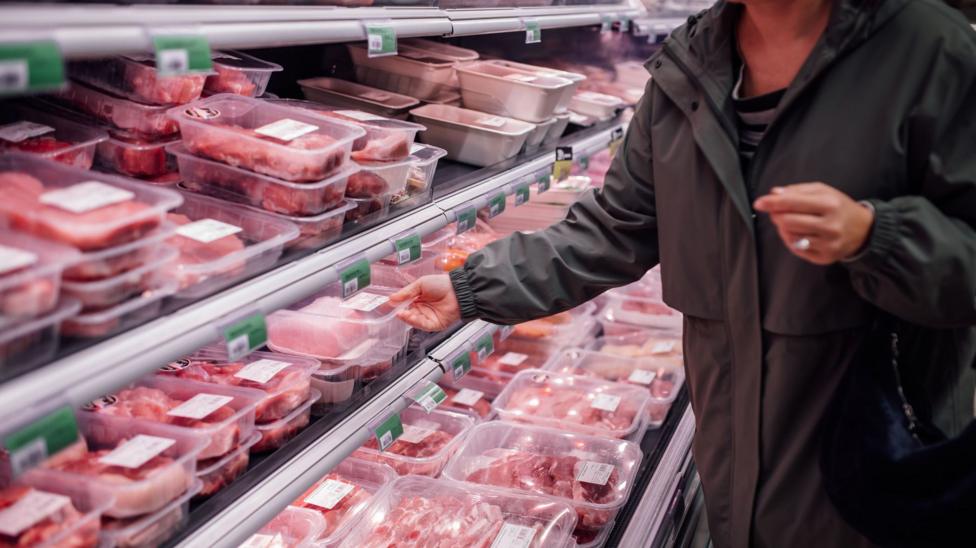
John Swinney has made clear that the cost of living remains a top priority and sounds determined to see the policy become reality, though there is speculation about potential legal hurdles. The UK government has also explored similar territory, asking retailers to freeze some prices, though it has stopped short of forcing shops to do so.
What happens next?
The public consultation is scheduled to run until 24 November 2026, giving stakeholders nearly four months to submit responses. Industry groups are expected to submit detailed feedback on how the policy would affect their operations and the broader food supply chain.
Within the impact assessment published by the Scottish government, options are being floated that could water down the policy slightly, including allowing prices to rise but tracking below rates of food inflation. Whatever emerges from Tuesday's summit, ministers are planning to push forward with the price cap plans.
When Swinney outlined this policy during May's Holyrood election campaign, it was one of the most eye-catching proposals on offer from any party. No one could accuse him of not proposing bold ideas to address a key concern voters have. But delivering it could prove incredibly complicated, and ministers will have their work cut out convincing farmers like Wyllie that the policy can succeed without damaging farm profitability.