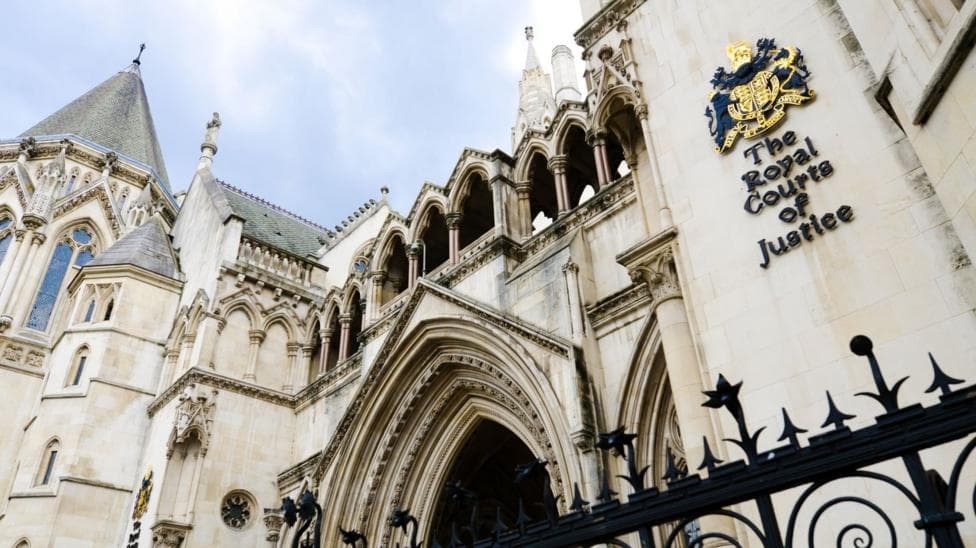
Five former Barclays traders imprisoned for manipulating interbank lending rates have had their convictions set aside by the Court of Appeal following years of legal proceedings.
Jay Merchant, Jonathan Mathew, Philippe Moryoussef, Alex Pabon and Colin Bermingham were originally found guilty at trial for their involvement in rigging interest rates used in loans between financial institutions.
The appellate court quashed their convictions on Wednesday. This decision follows a pattern established when two other former City traders secured overturned convictions in the previous year, creating a legal pathway for additional appeals in similar cases.
Why were these traders prosecuted?
Prosecutors presented the five men as emblematic of excessive banker conduct during the 2008 financial crisis, when public anger at financial institutions reached its peak. Their prosecution formed part of a broader regulatory response to misconduct in the banking sector during that period.
What does this mean for the case?
The overturning of these convictions represents a significant development in a scandal that became one of the most prominent criminal prosecutions emerging from the financial crisis. The successful appeals by earlier traders had already signalled potential vulnerabilities in the original cases, and Wednesday's ruling confirms those concerns extended to this group as well.