

Sarah Bodger says the cost of travelling to work is "crippling". The wool shop owner travels about four hours a day from Bedworth in Warwickshire to Leamington Spa and back, six days a week, and says the new bus fare cap will save her £500 a year when it comes into force in England in January.
She says the journey involves catching two buses each way, but she continues to make the trip because she loves running her shop.
"It makes me happy,"she says. Her current travel costs come to £58 per week, or more than £3,000 a year, according to her own calculations.
The change follows the newly-announced cap on most single bus fares in England, which Sarah says will make a major difference to her finances. After announcing the scheme, Prime Minister Andy Burnham said no-one should be "priced out" or "left behind" when it comes to affordable transport links.
"It's going to make a huge difference to me,"Sarah tells the BBC.
Who else says the bus cap will help?
Another person who thinks the cap will improve his quality of life is Charlie in Bristol. The 24-year-old, who lives on the city's outskirts, said capping bus fares would mean he'd be more likely to travel into the city centre on weekends.
Who will not benefit from the cap?
Holly Haines, who lives in a rural part of Hereford near the England-Wales border, said the cap would have no impact on her bus travel because the service she uses is provided by a Welsh company.
Her bus journey on the Wales-England border currently costs at least £4.20. She said that despite the current £3 bus cap in England, a single on her bus costs at least £4.20, even though the journey is "entirely in England".
"Whilst I would love for other people to benefit from the £2 capped fare... I find it hard that I will not be able to benefit from it,"she said.
Seb Pelisse said the bus fare cap would be positive news for people who do not drive, but it would make little difference to his own finances. The 33 year old, who lives in Surrey, told BBC Your Voice that he uses his car to get around where he lives and commutes on the train to London for work.

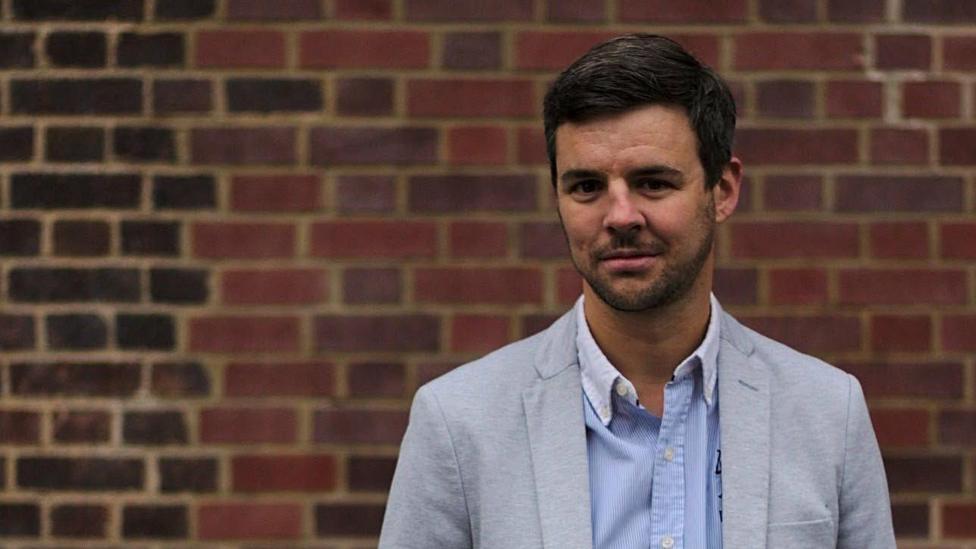
He said the bus fare cap is
"a great measure for anyone not driving", but added that fixing train fares would
"help many more".
"Working in London I would expect the price of the train to go down because the commute is horrendously expensive nowadays,"he said.
When will the new fare cap start?
The new cap will take effect from 1 January 2027 for fares on participating buses outside London. The scheme is expected to cost more than £500m, which Burnham said would be paid for by "reprioritising" government funds.
Shadow Chancellor Mel Stride said the government had not actually specified where the money would come from. In its announcement, the government said £454 million will be reallocated from the Department for Energy Security and Net Zero (DESN), and DESN said this will be used in addition to funds already earmarked by the Department for Transport for buses.
In January 2025, an England-wide bus fare cap rose to £3 under Sir Keir Starmer's Labour government, although Liverpool and Manchester are examples of city regions where fares have been held at £2.
What concerns remain about bus services?
While a lower fare cap is welcome, the Campaign for Better Transport said rural areas were still suffering from fewer bus routes and services. It added that such areas had been more affected by council cut backs in the last decade than urban zones.
Additional reporting by Adam Clarkson.

Get in touch
Your Voice: What story do you want to cover?


