The BBC's director general has acknowledged a genuine risk of industrial action at the broadcaster as he navigates an escalating dispute over compensation and advances plans to eliminate between 1,800 and 2,000 positions.
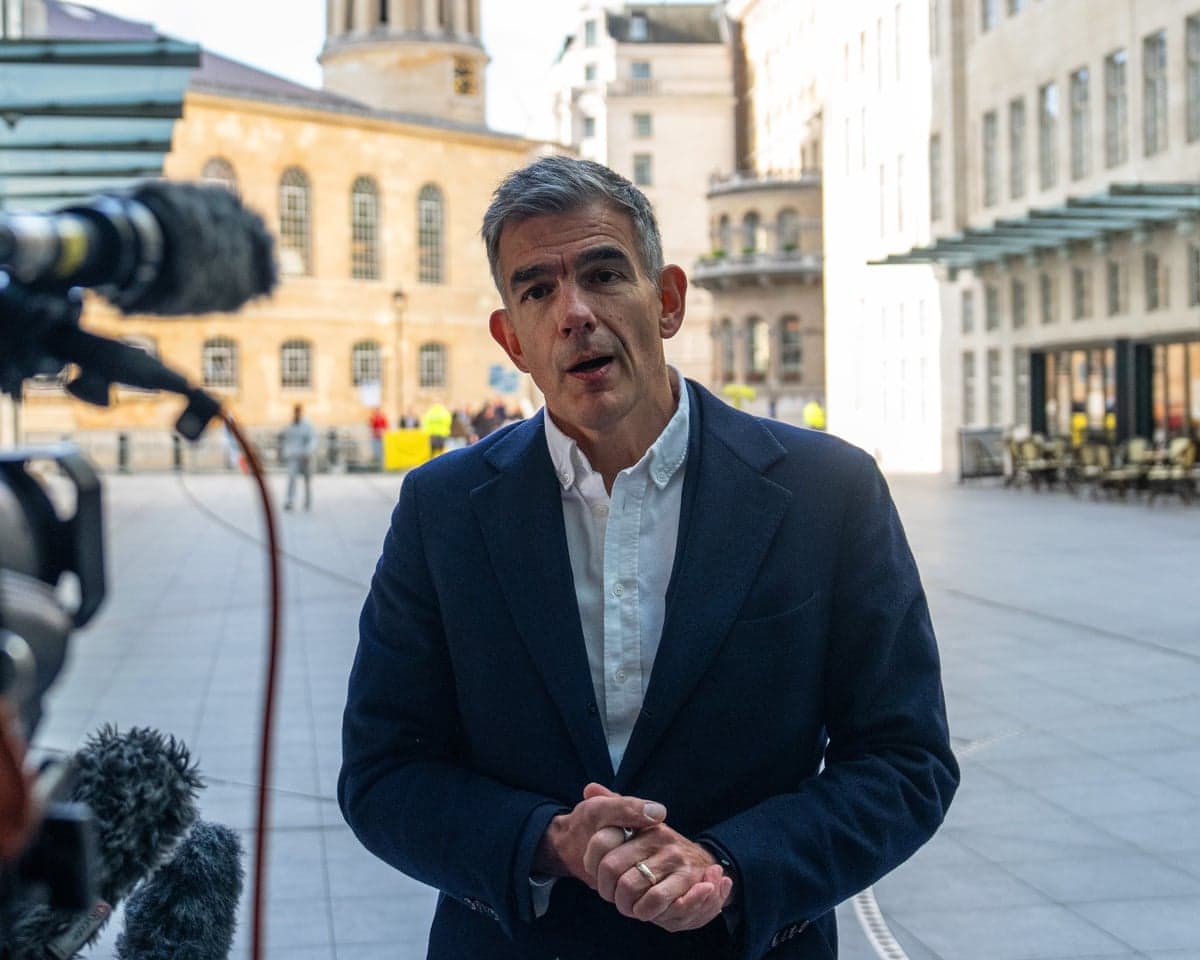
During a staff meeting on Tuesday, Matt Brittin fielded questions about the corporation's financial crisis and ongoing pay negotiations that have resulted in employees rejecting an average 2.1% salary increase. Staff across the BBC are already apprehensive about job reductions expected to be detailed in the coming weeks, and Brittin recognised the serious possibility of strikes.
I understand that there might be [industrial action]he told staff.
I think it would be difficult. But I think we have to face the fact that we are in a really disruptive time for the entire industry. So I hope that people listening to this and talking to colleagues and union leaders as well understand where we are.
According to industry reporting, unions including Bectu and the National Union of Journalists have rejected the improved offer, which they contend remains below UK inflation rates. This rejection has substantially increased the likelihood of a ballot authorising strike action.
Brittin, who assumed the BBC's top position in May, is overseeing a restructuring programme designed to generate £500m in savings by 2028. Although the plan predates his appointment, he is implementing substantial modifications to reshape the corporation as part of the initiative. The BBC has stated that the overall headcount reduction target is around 1,800 to 2,000 over the next three years, with the June savings announcement covering 550 immediate job cuts and around £160m of the £500m savings target.
Brittin acknowledged frustration that the corporation's earlier failure to fully comprehend its financial predicament had necessitated such severe reductions. He attributed the crisis to multiple factors: the BBC has forfeited £1.3bn in revenue over the past decade, predominantly due to government actions such as freezing the licence fee. However, he noted that 40% of the revenue loss stems from rising numbers of people declining to pay the fee as streaming services and digital platforms proliferate.
The director general reiterated his own admission that he had underestimated the severity of the BBC's financial difficulties upon taking office. He disclosed that the corporation had depleted its reserve funds, while income from its commercial operations had already been allocated.
There's really not a lot of elbow room for anythinghe said.
That's quite tough … that's the context that we're in.

How does pay relate to job losses?
Brittin cautioned staff that raising the pay offer would constrain the BBC's capacity to minimise redundancies.
One per cent on pay for everybody is equivalent to about 180 jobshe stated, emphasising the trade-off between compensation increases and employment preservation. When pressed on whether this represented a choice between job cuts and enhanced pay, he responded:
That's the choice that you have to make at a management level … to award more you're going to have to find the money from elsewhere. The cupboard is bare.
The revised pay proposal includes no increase for the most senior executives, while the lowest-paid employees would receive a rise exceeding 2.5%. Despite these adjustments, the offer has failed to satisfy union representatives and staff members concerned about their financial security amid broader economic pressures.
What would a strike mean for the BBC?
Industrial action by BBC personnel would represent a significant setback, particularly as Brittin champions the corporation's national significance during ongoing discussions with government regarding its future financing. The potential strike could become the largest in more than a decade, reflecting the depth of employee discontent. A previous strike over compensation occurred in the past, while a smaller action in 2023 disrupted schedules in response to job losses and modifications to local programming.
Despite its financial difficulties, the BBC maintains a distinctive position in global media as one of the world's most trusted institutions. The broadcaster reaches 94% of adults monthly across the UK, underscoring its cultural importance.
What other issues are affecting staff morale?
During the staff meeting, multiple employees challenged Brittin and Kate Phillips, the BBC's chief content officer, regarding the decision to withdraw a guaranteed job offer previously made to a cohort of apprentices.
I absolutely get the devastation that we can't guarantee that now because of the recent savings challengesPhillips responded.
I do know that [] are doing everything they can to find placements for those people.
This reversal has compounded frustration among junior staff and raised questions about the corporation's commitment to developing new talent during a period of contraction.
How does this compare to other broadcasters?
The BBC's predicament reflects broader financial strain affecting traditional broadcasters. is executing its own restructuring, planning to eliminate 340 positions—representing 28% of its workforce—by the end of 2026 as part of a transformation initiative aimed at redirecting more resources toward original British content.
What happens next?
Any industrial action would require a union ballot before strikes can commence. The BBC's subsequent phase of job-cut announcements is anticipated in the coming weeks as the savings programme advances. Staff and union representatives will be monitoring management's response to the rejected pay offer and assessing whether further negotiations might prevent escalation to formal strike action.
Key Facts:
- The BBC plans to cut 1,800–2,000 jobs by 2028 as part of a £500m savings programme
- Staff rejected a 2.1% average pay rise; unions say it falls below UK inflation
- Management estimates that a 1% pay rise across the workforce would cost approximately 180 jobs
- The corporation has lost £1.3bn in revenue over the past decade, with 60% attributable to government decisions and 40% to changing consumer behaviour
- A strike ballot would be required before any industrial action can proceed