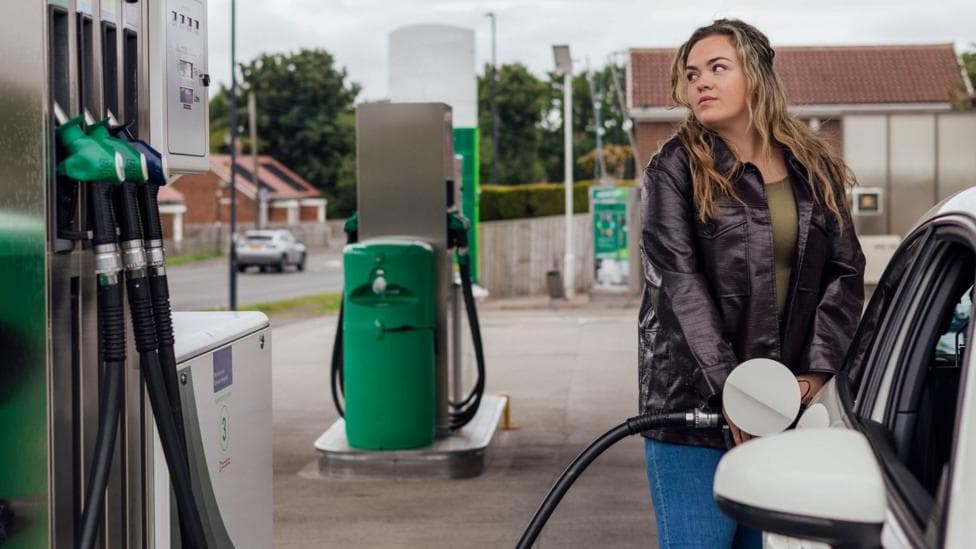
The average price of unleaded petrol has climbed by 5p per litre within seven days, according to the RAC, which cautioned that motorists face continued upward pressure on fuel costs. A litre of unleaded now costs 167.17p—marking the largest weekly jump since April—while diesel has similarly increased by 5p to reach 188.63p per litre.
Fuel costs have accelerated sharply following the outbreak of hostilities between the United States and Iran at the end of February, with military operations severely constraining crude oil supplies across the Middle East. Brent crude, the international benchmark for oil pricing, has returned to $100 per barrel for the first time since July as tensions have intensified. According to , oil jumped more than $4 per barrel on 1 September as renewed fighting between the two nations revived concerns about Middle East supply disruption.
Recent military actions have compounded supply concerns. American forces targeted five Iranian tankers in response to Tehran's attack on a U.S. warship, while Yemen's Houthi movement, which receives backing from Iran, has launched strikes against oil infrastructure in Saudi Arabia. According to , these latest strikes and threats have restricted global oil supply and pushed Brent to fresh six-week highs on 3 September.
Although Brent crude remains substantially below the $120 per barrel reached in April, it has climbed significantly from the $70 level at which it was trading before the conflict began. Recent reports indicate that Brent crude climbed to a six-week high on 7 September after Iran vowed to target energy infrastructure in response to further U.S. strikes, with futures settling at $97.31 per barrel.
How are UK drivers affected?
The 5p per litre increase translates into an additional £2.75 cost for filling a family-sized car over the past week alone. Rod Dennis, senior policy officer at the RAC, emphasised the vulnerability of British motorists to geopolitical events occurring thousands of miles away.
Drivers are having to dig ever deeper into their pockets every time they fill up, and there's no sign of any relief yet,Dennis stated, adding that
with the cost of a barrel of oil having averaged $96 for the last week, wholesale prices are surging and that's already feeding through to prices at the forecourt.

The current petrol price represents the highest level since September 2022, though diesel remains slightly below the 191.54p per litre peak recorded in April. The RAC warned there was
no sign of any relieffor drivers in the near term.
Why do crude oil prices affect UK forecourts so quickly?
Movements in global oil prices feed rapidly into petrol station costs because of the structure of UK fuel taxation. According to UKOilWatch, fuel duty stands at 52.95p per litre and VAT is charged at 20%, which means that wholesale price changes translate swiftly to the pump. This explains why international supply disruptions have such immediate consequences for British drivers.
What do forecasts suggest?
Investment bank Goldman Sachs has raised its Brent crude price forecast by $5 per barrel for December 2026 and 2027, citing expectations that Middle East shipping disruptions will persist into the following year. This suggests that elevated fuel prices may remain a feature of the market for an extended period rather than a temporary spike.
What advice is being offered to motorists?
The RAC has urged drivers to adopt fuel-efficient driving practices and to actively search for the cheapest available forecourts in their area. Dennis recommended that motorists take these steps to minimise the financial impact of sustained high fuel prices.
Key Facts:
- Unleaded petrol has risen to 167.17p per litre, the largest weekly increase since April
- Diesel has climbed to 188.63p per litre, still below its April peak of 191.54p
- Brent crude has returned to $100 per barrel for the first time since July, driven by U.S.-Iran military escalation
- Filling a family car now costs £2.75 more than it did a week earlier
- Goldman Sachs forecasts that Middle East shipping disruptions will continue into 2027, potentially sustaining high oil prices