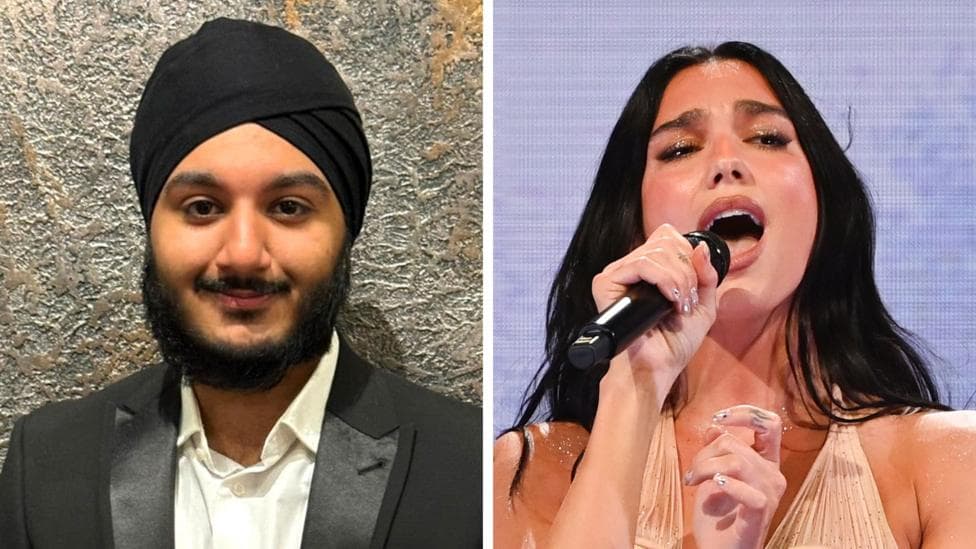
Eknoor Singh, a 22-year-old from London, demonstrates that a mobile phone and reliable internet connection are all that's needed to generate substantial income in the digital age. Working as a professional "clipper"—someone hired to transform longer videos into short, vertical content designed for social media virality—Singh reports annual earnings exceeding £120,000.
"The more views a clip gets, the more money I make,"he explains. The business model is straightforward: clients ranging from clothing brands to record labels, film studios, podcasters and influencers provide longer videos that clippers distil into 30 to 60-second segments. These condensed versions are then uploaded to Instagram, YouTube, TikTok and similar platforms with the goal of maximising engagement and view counts.
The demographic advantage is deliberate. Clippers, typically aged 16 to 25, are expected to possess an intuitive understanding of what resonates with younger audiences—content that older marketing professionals might overlook. This insight has made the profession increasingly valuable to major corporations seeking cost-effective alternatives to traditional advertising.
How does the payment structure work?
Clippers earn based on performance, with rates typically ranging from $2.30 to $5 per 1,000 views across platforms. According to reporting from May 2026, clipping marketplaces now feature campaigns with varying payment structures—some offering $1 per 1,000 views for sports-related content while others pay significantly more, with AI startup campaigns reaching $25 per 1,000 views. This variability means earnings can fluctuate dramatically depending on the client and content type.
Singh's entry into clipping came last year when he earned $300 from a single Instagram post featuring popstar Dua Lipa.
"I was like, 'OK, this is a lot of money for simply posting a video.' I instantly knew how lucrative it could be."That initial success prompted him to pursue clipping full-time, and he now reports consistent monthly earnings of at least £10,000.

Singh identifies several characteristics that distinguish successful clips: humour, brevity and genuine engagement value. In May, he created a viral clip of singer Sabrina Carpenter's reaction to having her dress train stepped on at the Met Gala in New York—content that exemplifies the type of moment clippers hunt for. He declined to disclose the client who commissioned that particular piece.
Who else is succeeding in this field?
Ethan Weems, a 24-year-old from Wichita, Kansas, has built clipping into a sustainable side income alongside other video work. He specialises in creating clips for Caleb Hammer, a YouTuber and podcaster known for his show Financial Audit, which examines guests' personal finances. Weems reports earning at least $1,000 monthly from clipping, income that has allowed him to maintain remote work and spend more time with his wife and one-year-old son.

"I don't want that typical nine-to-five job where I have to go into an office every day,"Weems says, highlighting the lifestyle appeal of the work alongside its financial rewards.
However, success remains concentrated among a small minority. Social media consultant Lia Haberman cautions that the profession mirrors the broader creator economy:
"The vast majority make little to nothing."Streaming industry analyst Devin Nash adds that the hidden demands of the work are frequently underestimated. Successful clippers must
"watch hours and hours of content, and they just live in that world,"he warns, suggesting that the apparent simplicity of the job masks significant time investment.
How do clippers find work?
Intermediary platforms have emerged to connect clippers with clients seeking their services. These range from general forums such as Reddit and Discord to dedicated marketplaces including Clipping Culture, Vyro, Whop and Kick. The specialised platforms charge fees to companies posting work, creating a sustainable business model around the clipping ecosystem. Clipping Culture's client roster includes major entertainment and music companies such as Capital Records, Universal Music Group and HBO Max.
According to Business Insider reporting from April 2026, clipping agencies have expanded significantly, with Clip Tech's co-founder Max Peterson revealing a network of 45,000 clippers working with major brands including Sony, Fox and the NFL. Some of these campaigns offer rates reaching $5 per 1,000 views, substantially higher than baseline rates. The same source noted that while the Federal Trade Commission requires disclosure for clipped advertisements, enforcement action had not yet begun as of October 2026.
For corporations, hiring young creators working from home proves far more economical than purchasing traditional social media advertising while often delivering superior results in terms of audience reach. Boxabl, a Las Vegas-based manufacturer of modular homes, has embraced the strategy extensively. Founder Galiano Tiramani, who appears frequently in the company's videos, reports that
"I think we've done probably a billion views [of clips] so far."
In the United Kingdom, Jimmy McLoughlin, a former Downing Street adviser now hosting the podcast Jimmy's Jobs of the Future, has similarly adopted clipping as a content strategy.
"The clips are almost like trailers for the main events,"he explains. A recent episode featuring Prime Minister Andy Burnham generated close to 50,000 full-length plays but millions of views through clipped segments distributed across social platforms.
How has the clipping industry grown?
The sector has experienced rapid expansion. According to Bloomberg data cited by Digiday, clipping company Clipping achieved approximately $7.7 million in sales and contracted more than 20,000 clippers during its first ten months of operation. creatorXchange, another major player in the space, reported generating more than one billion views across its clipping campaigns before announcing network expansion in June 2026.
Evan Stanfield, founder of Clipping Culture, is himself just 21 years old. He established the platform last year after leaving the University of Kansas, and it now connects brands with more than 340,000 clippers worldwide. Stanfield attributes the explosive growth of short-form video to shifting consumer behaviour:
"People's attention spans are getting shorter and shorter."He notes that clipping remains predominantly a young person's profession because
"they're most of the consumers of short-form videos."

Back in London, Singh embodies the flexibility the profession offers.
"I could be anywhere. I could go on holiday and make money."He describes his work pattern as
"kind of clipping non-stop,"suggesting that the boundary between work and leisure has dissolved entirely for those pursuing clipping as a primary income source.