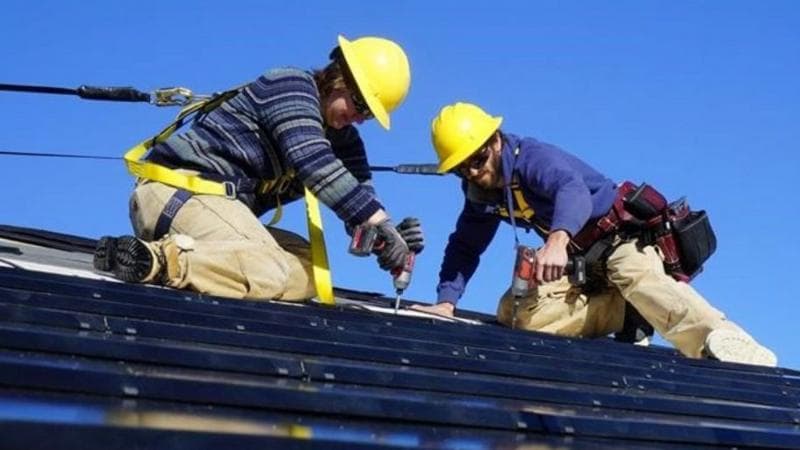
Tesla's abrupt withdrawal from the solar roof market in August marked a watershed moment for an industry that has struggled to gain traction despite decades of development. The company's decision to cease offering solar tiles—products where photovoltaic cells are integrated into roof shingles to blend seamlessly with conventional roofing—has prompted both pessimism and opportunity among remaining manufacturers and installers worldwide.
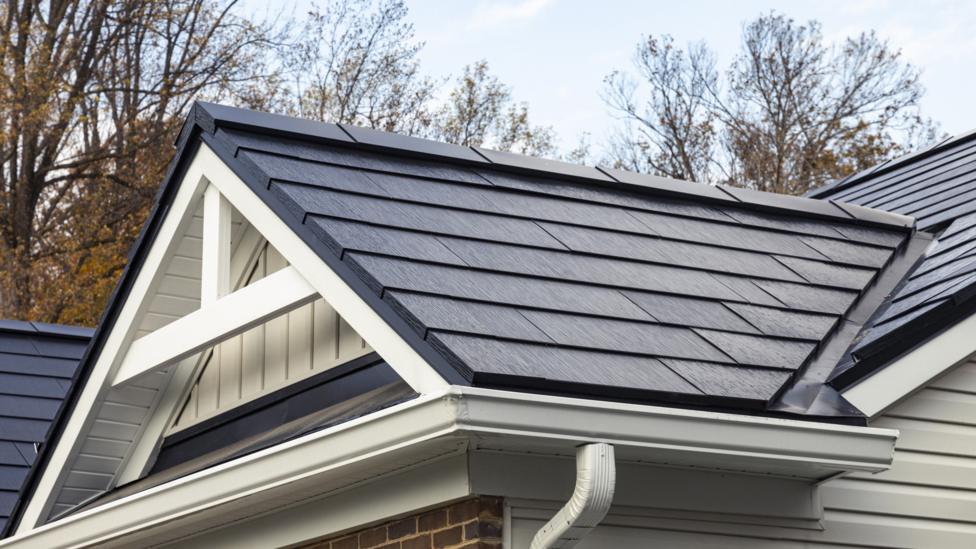
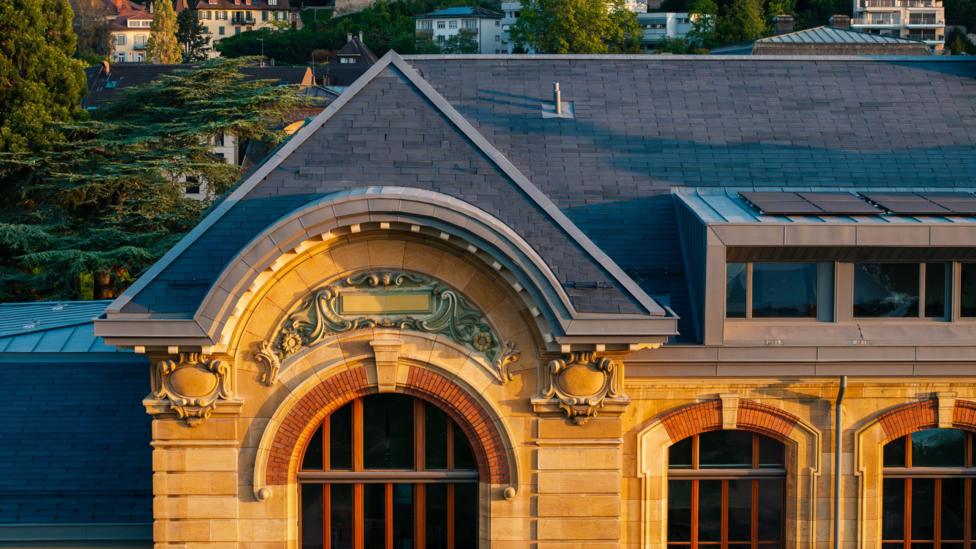
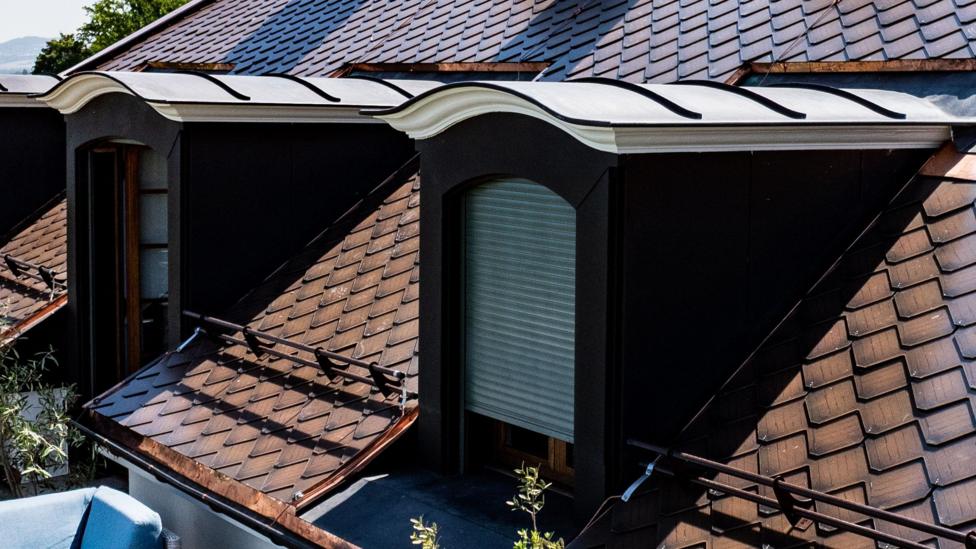
For those who find traditional rooftop solar panels visually unappealing, solar roof tiles represent an attractive alternative. The tiles function identically to standard panels but maintain the appearance of ordinary roofing materials, a feature particularly valuable for heritage properties where building regulations restrict external modifications. Yet despite this aesthetic advantage, the technology has remained niche, expensive, and difficult to scale.
Tesla's exit from the sector sent shockwaves through the industry. According to financial analysis of the company's performance, Tesla installed only approximately 3,000 Solar Roof systems across the United States over roughly seven years, with its peak weekly installation rate reaching just 21–32 units—far below Elon Musk's stated target of 1,000 installations per week. The company had shifted its focus toward conventional solar panels manufactured at its Buffalo, New York facility, which began delivering to residential customers in 2026. Some installers who had invested substantially in Tesla's product now face the prospect of redesigning or modifying projects already underway.
Kate Collardson, who manages operations for the Solar Service of Colorado and has held nearly every position in the solar industry from installer to instructor, recognises the fundamental challenge.
Some people in the US "still hate the look of solar,"she acknowledges. Yet appearance concerns, while significant, represent only one barrier to adoption.
Why do solar roof tiles cost so much more?
A solar roof typically costs approximately twice as much as a conventional rooftop solar panel system before accounting for maintenance and repairs. This price premium stems from multiple factors rooted in manufacturing and installation complexity.
Solar roof components continue to be produced in small batches, which prevents the economies of scale and standardisation that have driven down costs for traditional panels. Deborah Learoyd, CEO and managing director of the Swiss manufacturer Freesuns, estimates that her company's sales have grown 20–30% since its establishment in 2019, yet acknowledges the structural cost challenge.
A lot of the cost is actually the fact that every roof is a little bit different. And so it has to be engineered a little bit differently, installed a little bit differently.
Installation demands coordination among roofers, solar specialists, and electricians—a requirement that complicates project management and extends timelines. Building regulations for solar roofs prove more complex than those governing traditional panels, adding administrative burden. Collardson explains the frustration this creates for roofing contractors:
You try to put a roofer into the equation and they're going, 'This is taking forever. I'm losing money. I could have sold 10 roofing jobs in the time that it takes me to sell this one'.
What makes maintenance and repair more difficult?
Repair costs for solar shingles exceed those for standard photovoltaic systems, creating long-term ownership challenges. Traditional rooftop solar panels include onboard electronics and monitoring systems that pinpoint exactly which panel is underperforming when problems arise.
With solar shingles, we don't really have the benefit of that mapping; there's no room underneath the shingle for the electronics.Technicians must instead rely on thermal imaging cameras to identify faulty sections.
Accessing damaged shingles presents another obstacle. While a single shingle in the middle of an array can theoretically be removed, doing so requires walking across adjacent tiles.
You really shouldn't walk on them because you're going to create micro-fractures and that's going to cause issues down the road.This risk of secondary damage during repair compounds the maintenance burden.
Are solar roof tiles less efficient than standard panels?
Solar roof tiles generate less electricity per unit area than conventional rooftop systems, a disadvantage that requires significantly more roof space to produce equivalent energy output. The reduced efficiency stems from two primary causes: the tiles themselves are physically smaller than standard panels, and their proximity to the roof surface restricts airflow.
Heat dissipation proves critical to solar performance. Standard panels mounted on racks allow air to circulate beneath them, keeping cells cooler. Solar tiles, sitting flush against the roof, trap heat that degrades their output. Coloured tiles perform even worse than black ones. Ben Graves, co-founder of the UK solar company Sunsave, explains the physics:
The reason why all solar cells are black, and increasingly the whole panel is now black, is because black is the best absorbing colour.Aesthetic customisation directly undermines energy production.
Sunsave does not offer solar roofs, and Graves believes the primary barrier is economic rather than aesthetic.
Most people in the UK just don't have enough money to pay for it,he states. While appearance mattered more to consumers five years ago,
now "the vast majority of consumers are most interested in how much they can save".
Could new technology change the economics?
Proponents of solar roof technology argue against direct comparison with standard panels, suggesting instead that roof-integrated systems should be evaluated as a way to generate electricity from otherwise unused roof space. Martin Heinrich, who leads a research group at the Fraunhofer Institute for Solar Energy Systems in Germany, urges this reframing:
Let's not compare PV roof tiles to a standard PV system, but look at PV roof tiles as generating additional electricity from our roofs instead of just having the roof sit there.
One emerging advancement is matrix shingling technology, which represents a fundamentally different approach to connecting solar cells. Rather than using metal wires, cells are cut into narrow strips, layered like overlapping shingles, and joined using electrically conductive adhesive. This design allows electrical current to flow around shaded areas—if a bird deposits waste on part of a cell, electricity can bypass that section rather than losing output from the entire module.
If you get like a bird pooping on a part of the cell, the current can go around it,Learoyd explains. The approach also improves appearance by eliminating visible silver wires and enables more flexible sizing.
Since we cut the cells into smaller areas, we can fill out special sizes more easily. You don't have to adhere to the regular pattern size.Freesuns has adopted matrix shingling as an early commercial user, viewing it as central to future competitiveness.
Automated design software tailored to solar roofs could accelerate the engineering process, since each installation is unique. Learoyd believes such tools would lower costs and provide
the whole construction industry much more confidence in using the product.
What is the current state of the market?
Tesla's exit has left the sector fragmented but not extinct. Companies including GAF and Merlin Solar continue to pursue the solar-roof market, while smaller manufacturers like Freesuns are considering expansion into North America. The company has committed to honouring existing Solar Roof warranties and maintaining replacement parts availability, though some contractors have expressed doubt about whether support will remain reliable over the 25-year lifespan of the systems.
Tesla stopped reporting Solar Roof installation numbers in its quarterly shareholder reports beginning in early 2024, signalling declining priority within the company's energy division. The product's disappearance from Tesla's website and navigation menus in August 2026 marked the formal end of a decade-long effort that began with the technology's public unveiling in 2016 but did not achieve mass production until March 2020.
Despite the sector's setbacks, some industry figures remain optimistic about the long-term trajectory. Learoyd, whose own solar roof has operated for a decade, believes that for households with sufficient financial resources, integrated solar roofing will eventually become standard practice during roof replacement.
It's just a no-brainer.Whether that vision materialises depends on whether the industry can solve the cost, efficiency, and installation challenges that have constrained adoption to date.