The White House has blocked Microsoft and seven other major technology companies from hiring skilled international workers on a permanent basis through the H-1B visa program and related pathways to permanent residency, marking an escalation in the administration's scrutiny of foreign labor practices in the technology sector.
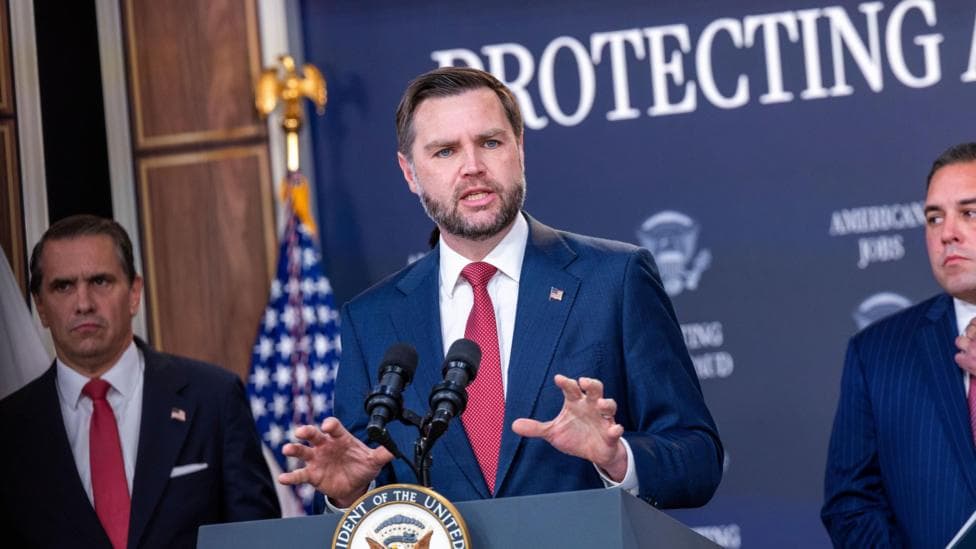
Vice President JD Vance on Thursday accused Microsoft, Adobe, Cognizant, Infosys, Tata, Wipro, HCL and Capgemini of committing fraud through their use of the H-1B visa program and the Permanent Labor Certification Program (PERM), which allows foreign workers to transition toward permanent US residency. The Labor Department will not process any new or pending PERM applications from these eight companies, Secretary of Labor Kieth Sonderling announced at the same event.
"No company in the US has abused this system more than Microsoft,"Vance stated, adding that the company has been effectively replacing American workers with
"foreign indentured servants."
Sonderling characterized companies like Microsoft and US universities as
"visa mills"that were
"flooding"the US with foreign workers. According to reporting on the Labor Department's findings, the eight companies had requested nearly 3 million foreign workers since 2009, received more than 230,000 H-1B approvals and obtained over 100,000 permanent labor certifications.
The H-1B visa program, which serves as a precursor to the PERM process, is capped at 85,000 visas annually. Vance pointed to Microsoft's record as evidence of systematic abuse, noting that the company laid off approximately 6,000 workers while filing 6,800 H-1B visa applications during the same timeframe.
What does Microsoft say about these allegations?
Microsoft's response contests the characterization of its hiring practices. A company spokeswoman stated that the vast majority of Microsoft's US workforce consists of American citizens, with the company employing more than 200,000 people globally. She noted that 80% of the H-1B visa filings Microsoft submitted over the last fiscal year were for employees already working at the company rather than new hires.
The spokeswoman emphasized that international workers hired through the H-1B program receive compensation equivalent to what a US worker would earn for the same position. According to Ellis, a firm that assists technology companies with international hiring, the median salary for an H-1B worker at Microsoft stands at $155,000.
"We look forward to providing the Administration with additional information,"the Microsoft spokeswoman said in response to the suspension.
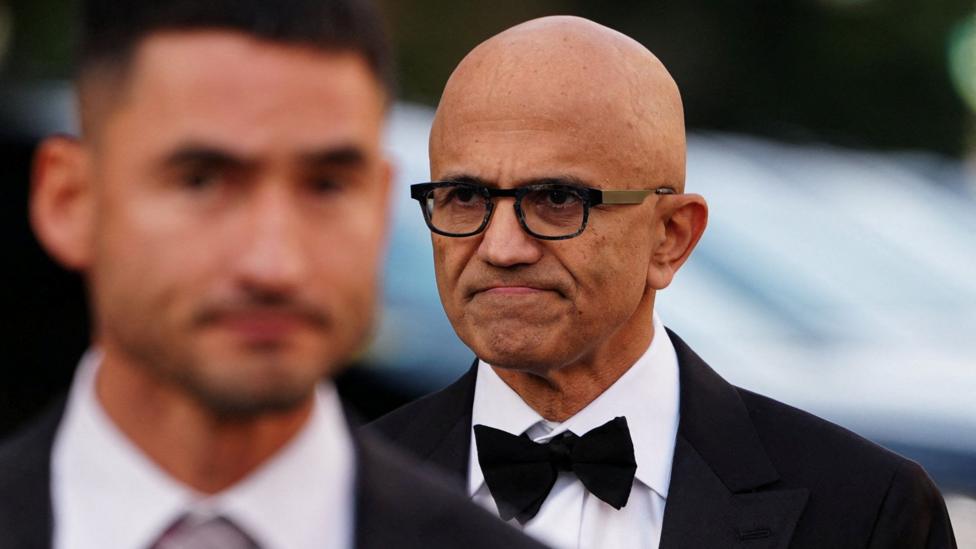
The timing of the announcement proved notable, as Microsoft CEO Satya Nadella was scheduled to receive a novel medal for technology innovation from President Donald Trump at the White House on Thursday. Nadella has attended multiple recent White House events, including a luncheon focused on artificial intelligence and a state dinner for China's President Xi Jinping.
Why are foreign workers described as "indentured servants"?
Vance's characterization reflects the visa sponsorship structure that ties workers to their employers. If a foreign worker is terminated or laid off by the company sponsoring their visa, they must leave the United States, typically within a 60-day grace period. Last month, the US government proposed eliminating that grace period entirely, which would require workers to depart immediately upon job loss.
How does this suspension affect the broader tech industry?
The freeze appears narrowly targeted at the eight named companies, despite the fact that virtually every major US technology firm relies on the H-1B program. Amazon, Google, Meta, Apple, Nvidia and numerous other companies have hired international workers through this mechanism for many years, yet none were mentioned in Vance's Thursday remarks.
The program has operated for decades with the stated purpose of addressing gaps in the domestic labor market by enabling companies to hire highly skilled or specialized workers they cannot find or recruit within the United States. The PERM program serves as a pathway for such workers to obtain permanent US residency, often leading to a Green Card that permits indefinite employment and residence in the country.
According to reporting on the scope of the administration's actions, the freeze does not directly affect current H-1B visa holders; it specifically halts the PERM step required for most employment-based green-card petitions. During the last fiscal year, the US Department of Labor certified more than 130,000 PERM applications across ten business categories, with PERM applications taking an average of 336 calendar days to process in August.
What is the broader context for this action?
The suspension of these eight companies reflects a wider administration initiative targeting visa programs. The administration also opened probes into nine elite universities as part of its broader visa crackdown. Additionally, the Labor Department inspector general has launched a nationwide investigation into alleged fraud and human trafficking involving H-1B and PERM programs.
Attorney General Todd Blanche indicated that the Justice Department is actively investigating companies involved in visa fraud, with possible consequences including criminal prosecutions or civil lawsuits depending on investigative findings.
What happens next?
Vance stated that the suspensions would remain in place
"as long as it needs to,"with officials indicating the administration could extend them indefinitely. However, no specific review date or timeline for potential reinstatement has been announced.
The White House has sought comment from all eight affected companies regarding the suspension and the allegations of visa program abuse.