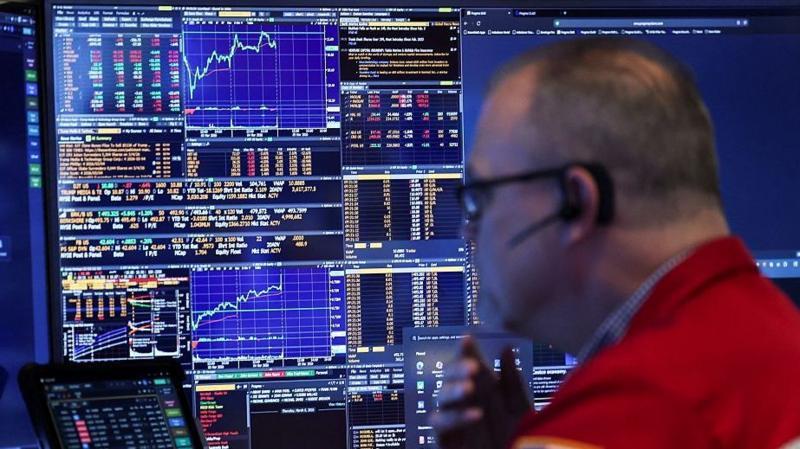
Major technology stocks fell sharply on Wednesday as investor anxiety over artificial intelligence spending intensified, with the Nasdaq declining nearly 4% and shares in Nvidia, Anthropic, Amazon, Tesla, Microsoft and Meta all moving lower. According to BBC News, the declines reflect mounting concerns about whether the enormous sums being channelled into AI infrastructure will ultimately generate sufficient returns to justify the investment.
Nvidia, the world's leading AI chipmaker, fell 4.6% in premarket trading on Wednesday, extending a 6% decline from the previous day, according to Reuters. Anthropic, the AI safety company, dropped 5.6% and traded below its $83 initial public offering price. The weakness in these stocks carries particular significance given Nvidia's role as both a supplier of chips and a financier to numerous firms involved in the AI rollout, meaning its volatility has rippled across the broader technology sector.
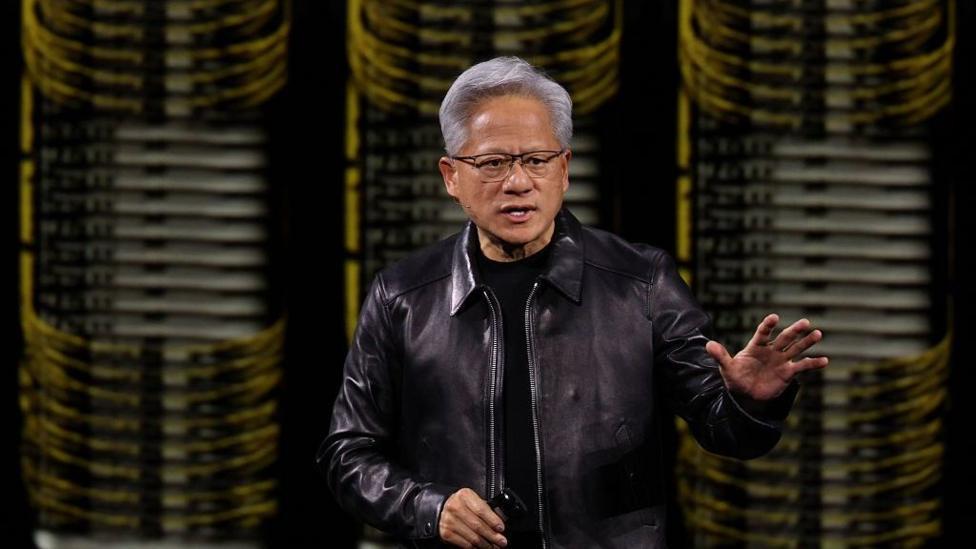
The recent turbulence in AI stocks builds on earlier market instability. Investors are weighing the soaring cost of AI infrastructure against the returns it may generate, creating uncertainty about the sustainability of current valuations. Nvidia's leadership faced disruption when chief executive Jensen Huang resigned following revelations of extramarital affairs, though he was subsequently reinstated, causing the company's market value to fluctuate significantly.
The timing of the stock market decline coincides with new trade policy developments. The US government announced a series of tariffs on Wednesday targeting 14 trading partners as part of President Donald Trump's trade agenda. According to Reuters, the administration proposed a 20% tariff rate for China, while Mexico and Norway were excluded from the measures. The proposed tariffs would be subject to public notice and comment procedures, with a hearing scheduled before they take effect.
Political developments have also unsettled markets. Investors took fright at Democratic gains in recent US midterm elections, with many Democrats having campaigned for stricter regulation of AI firms and even a moratorium on new data centre development. These regulatory concerns have added to the uncertainty surrounding the AI sector's future trajectory.
Despite near-term volatility, major investment banks maintain confidence in AI's long-term importance. Goldman Sachs projects that investment in AI will exceed $1 trillion in 2026, with the technology remaining the "dominant driver of business investment growth" next year. However, this outlook has not prevented current market weakness as investors reassess the pace and scale of AI spending.
What happens next?
The proposed tariffs will proceed through a formal regulatory process. The administration said specific tariff rates would be published in a Federal Register notice on Wednesday, with a public hearing scheduled before the measures can take effect. The proposed China tariff would not exceed the 20% cap established under a year-old US-China trade agreement, which is due to expire on January 10.