Good morning, and welcome to our rolling coverage of business, the financial markets and the world economy.
This story was first reported by The Guardian.
The rapid expansion of the artificial intelligence sector has been fuelled by abundant capital, but that funding stream is now contracting sharply for specialist cloud providers. According to The Guardian, Elon Musk warned on 25 October 2026 that more than 200 'neoclouds' – companies supplying specialized cloud infrastructure for AI workloads – face either collapse or forced consolidation as lenders withdraw access to capital.
Musk made the assertion while announcing that his company had secured a $40 billion debt facility to finance semiconductor purchases for its artificial intelligence operations. He described the situation facing smaller cloud providers in stark terms, using the metaphor of guppy fish, which are known for sudden deaths when their environment changes.
Why are lenders pulling back from AI cloud companies?
Debt markets have become highly selective about which firms they will finance. Musk stated that lenders have almost entirely ceased providing capital to companies whose revenue depends primarily on AI data centre operations. His own company was able to access the debt market because it possesses substantial independent revenue streams from Starlink satellite internet and SpaceX's launch services, giving it investment-grade status.
This credit squeeze reflects broader concerns about the sustainability of returns from massive investments in AI infrastructure. CoreWeave, a leading neocloud provider, has seen its financial position deteriorate significantly, with more than $51 billion in debt and obligations, while its five-year credit-default-swap spread reached nearly 1,038 basis points, up 164% from a year earlier. The company's share price has fallen 60 per cent over the past year as investors question whether the enormous capital expenditure on AI data centres will generate profitable cash flows.
What are neoclouds and why do they matter?
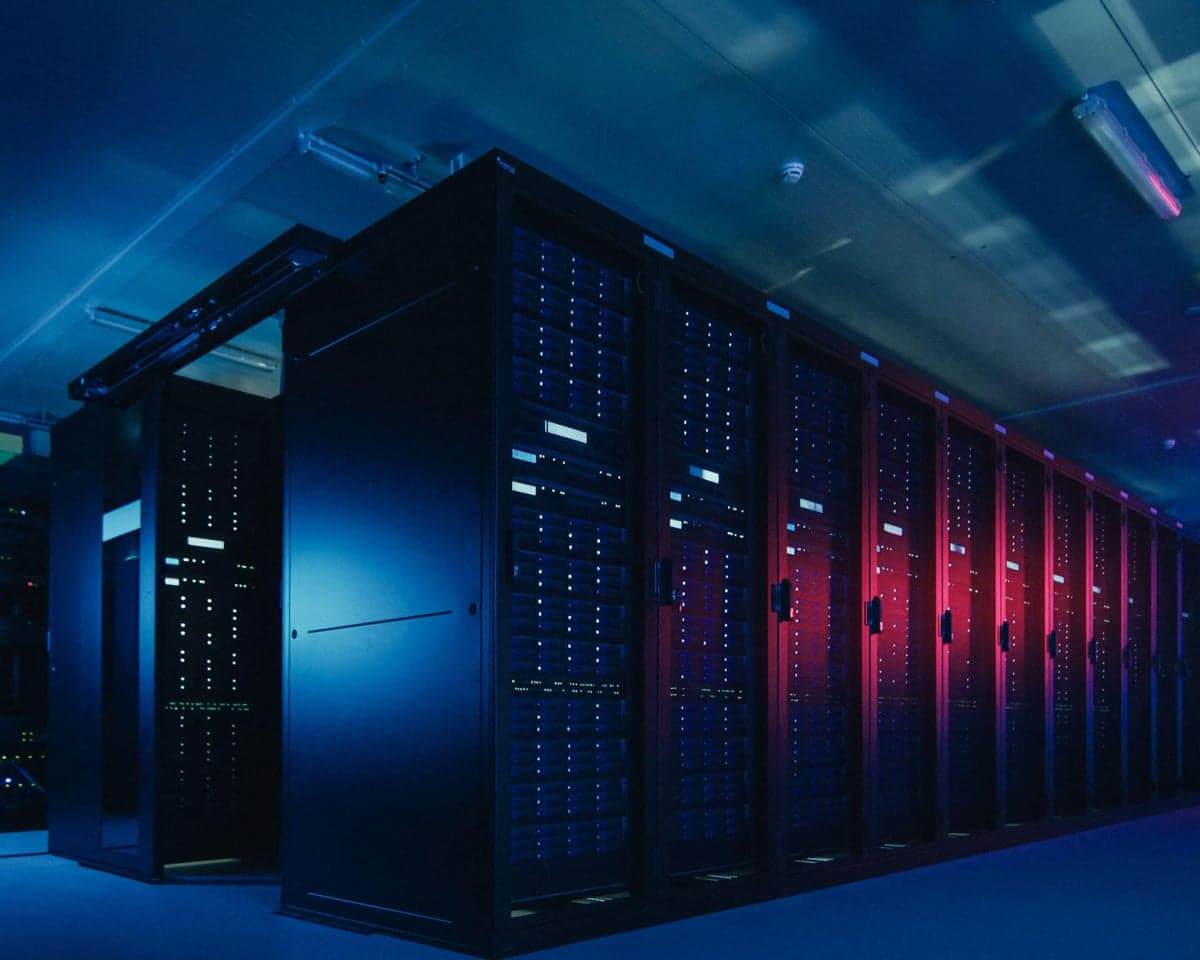
Neoclouds are specialist cloud infrastructure providers that lease clusters of high-performance Nvidia graphics processing units to companies conducting artificial intelligence training and inference work. They occupy a critical position in the AI supply chain, offering customers access to expensive computing hardware without requiring them to purchase it outright. The sector has attracted substantial investment as demand for AI computing capacity has surged, but profitability remains uncertain.
What other challenges are facing the sector?
Beyond the credit crunch, Musk predicted that partially constructed data centres will remain incomplete, creating stranded computing capacity that generates no revenue. This represents a significant waste of capital already deployed and reflects the miscalculation of demand that has plagued the AI infrastructure buildout.
The broader AI sector has faced mounting headwinds. Earlier in 2026, chipmaker shares fell sharply as investors questioned the sustainability of AI demand, while concerns grew over spending levels, competitive pressures, and the returns on massive infrastructure investments. In September, technology stocks hit six-week lows as AI leaders called for a slowdown in development pace, with semiconductor makers experiencing sharp declines. The International Monetary Fund has also warned that an artificial intelligence valuation crash could trigger global financial instability, citing inflated valuations, mounting debt, and concentrated market exposure as key risks.
Is Musk's $40 billion debt deal actually closed?
Musk's claim that SpaceX had closed the $40 billion debt facility has been questioned by Bloomberg. As of late Sunday in New York on 25 October 2026, conversations over the pricing of the deal were still ongoing and the debt package had not yet priced, according to people with knowledge of the discussions. The parties were working to finalize the debt package in the coming days.
Musk clarified that the borrowing would consist primarily of callable debt for GPU purchases expected to arrive in the first and second quarters of 2027, and would not be a major factor in the current quarter. He also stated that SpaceX would not acquire any neocloud companies, describing such acquisitions as pointless.
What happens next?
The SpaceX debt package is expected to be finalized in the coming days, according to people familiar with the discussions. The broader question facing the neocloud sector is whether the capital crunch will force a wave of consolidations and bankruptcies, or whether some firms will survive by demonstrating a clear path to profitability. Musk's comments suggest that only a minority of the 200-plus neoclouds currently operating will survive the current market downturn.
The agenda
9am: IFO German business climate
11am: CBI distributive trends survey of UK retail