Meta, the parent company of Facebook, Instagram and WhatsApp, has been ordered to pay $25bn (£18.6bn) following a court ruling that found the technology giant systematically misled the public about its handling of user information. A judge in New Mexico issued the penalty on Wednesday after a jury determined that Meta had engaged in widespread deceptive practices spanning more than a decade. According to BBC News, this represents the largest fine ever imposed against the company for its business conduct.
The case centred on Meta's public statements regarding user data privacy, particularly claims that personal information was never sold or shared with third parties. A jury found that 26 of 29 company statements examined during the trial were false or deceptive. Reuters reported that the jury determined Meta liable for 43.9 million violations of New Mexico's Unfair Practices Act, with the state law permitting penalties of up to $5,000 per violation.
The lawsuit originated from Meta's involvement in the Cambridge Analytica scandal, in which the political consulting firm accessed Facebook user data without proper consent. According to Reuters, Cambridge Analytica harvested data from as many as 87 million Facebook users through a third-party application. The firm subsequently used this information in political consulting work, including activities connected to the 2016 US Presidential election that resulted in Donald Trump's first election victory. New Mexico's attorney general filed the lawsuit in 2021 following public revelations about the data collection practices.
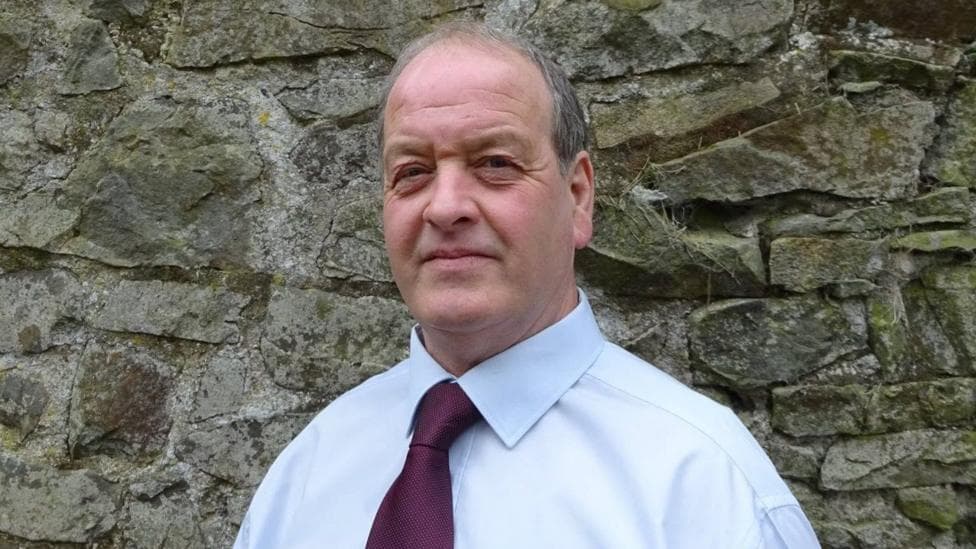
Judge Francis Mathew characterised Meta's conduct as particularly egregious, noting that the violations were deliberate and systematic. In his written order, the judge stated that communications between senior executives, including founder Mark Zuckerberg, were intentionally crafted to deceive the public about how Facebook user data was used and shared. The judge emphasised that the deceptive practices extended beyond data handling alone, striking at the fundamental nature of Facebook's business operations.
How was the penalty amount determined?
The calculation of the $25bn fine involved complex legal considerations. Before the ruling, New Mexico had sought between $35bn and $40bn in penalties, while Meta argued the penalty should be capped at $3.45bn. Judge Mathew initially calculated the full amount of the penalty based on thousands of violations of state law at approximately $219bn but exercised judicial discretion to reduce this to $25bn, an amount roughly equivalent to Meta's quarterly profits.
What are the broader implications for Meta?
This penalty represents the largest fine Meta has faced to date, though the company has encountered multiple significant legal challenges during the current year. Meta previously agreed to an $18bn settlement with California over child safety concerns. Additionally, a US judge in New Mexico ordered Meta to pay another $567m over child safety failings, describing the company as a "public nuisance." The company has also faced scrutiny from international regulators, including challenges to fines imposed under the UK Online Safety Act.
The pattern of legal action reflects growing regulatory pressure on Meta regarding both data privacy and child safety. Meta settled with 29 US states for up to $16.68bn over child safety concerns on Facebook and Instagram, agreeing to implement daily usage limits and nighttime blocks for teenage users. A federal trial currently underway in Oakland could force additional sweeping changes to Instagram and Facebook for young users, with damages estimates ranging from $200bn to $1.4 trillion.
Where will the penalty funds be directed?
New Mexico Attorney General Raúl Torrez announced that the penalty proceeds will be directed to the state's education system, providing a tangible benefit to public institutions within the state.
What happens next?
Meta has indicated its intention to appeal the jury verdict. The appeal process could potentially reduce the number of violations found and consequently lower the penalty amount, though interest would accrue during the appeal proceedings. The company has not yet issued a public statement responding to the judge's decision.