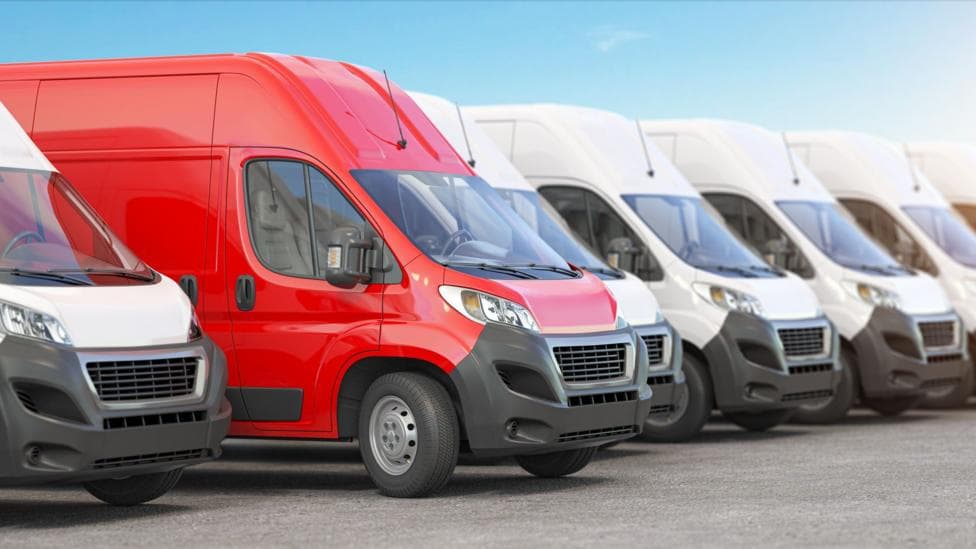
Bradford Council has unveiled a £2 million fund designed to help businesses transition their fleets to zero-emission vehicles, with individual grants of up to £16,000 available for heavy-duty vehicles and £4,500 for light-duty models.
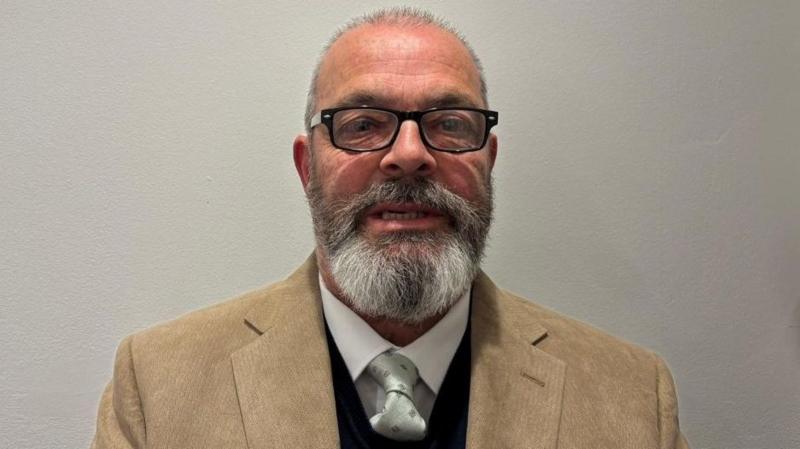
The Zero Emission Grant Programme, funded by the Labour government, was announced at the Scale Up Bradford event on Tuesday by Reform UK council leader Stephen Place. According to BBC News, the scheme forms part of Bradford Council's broader Clean Air programme and targets small businesses, charities and organisations seeking to modernise their vehicle fleets.
Place framed the initiative as a response to volatile fuel costs and a means of helping businesses future-proof their operations.
"We want to help organisations to upgrade their fleets and position themselves for future success,"he said, adding that he hoped the scheme would appeal particularly to tradespeople and sole traders.
Who can apply and what support is available?
The fund is open to businesses, sole traders and not-for-profit organisations based in the Bradford District that have been operating before 20 October 2026 and continue to operate when they apply, according to Bradford Council. Applicants can seek grants to switch to fully electric or other zero-emission vehicles, with the council advising eligible organisations to apply as early as possible to avoid missing out.
How does this fit with Bradford's Clean Air Zone policy?
The grant programme complements Bradford's existing Clean Air Zone, which does not charge passenger cars or motorbikes but applies charges to certain non-compliant commercial vehicle categories. Place has previously stated his commitment to scrapping the zone's charges while maintaining the zone itself, though he acknowledged the move would involve "quite a lot of legalities surrounding it" and that the council would "work to run it out naturally".
The council maintains that the fund provides practical support to help businesses remain competitive while adapting to new vehicle technologies, positioning them for long-term success in an increasingly regulated transport environment.
Why are businesses interested in switching vehicles?
Mark Casci, of West Yorkshire Chamber of Commerce, welcomed the initiative, noting that many organisations were actively considering fleet decarbonisation.
"Every large business with a fleet is looking at this issue very carefully, it is very much on their agenda,"he said.
"It is the right thing to do and what customers want. It is driven by customer demand as well as moral responsibility."
Fuel price volatility has intensified interest in alternative vehicle technologies. Petrol prices in the UK currently average 173.2p per litre, while diesel costs 199.9p per litre, representing significant increases since geopolitical tensions in the Middle East affected global energy markets.
What happens next?
No application closing date has been specified on the council's programme page. Eligible organisations are encouraged to submit applications promptly, as the council has not announced a fixed deadline for the scheme.