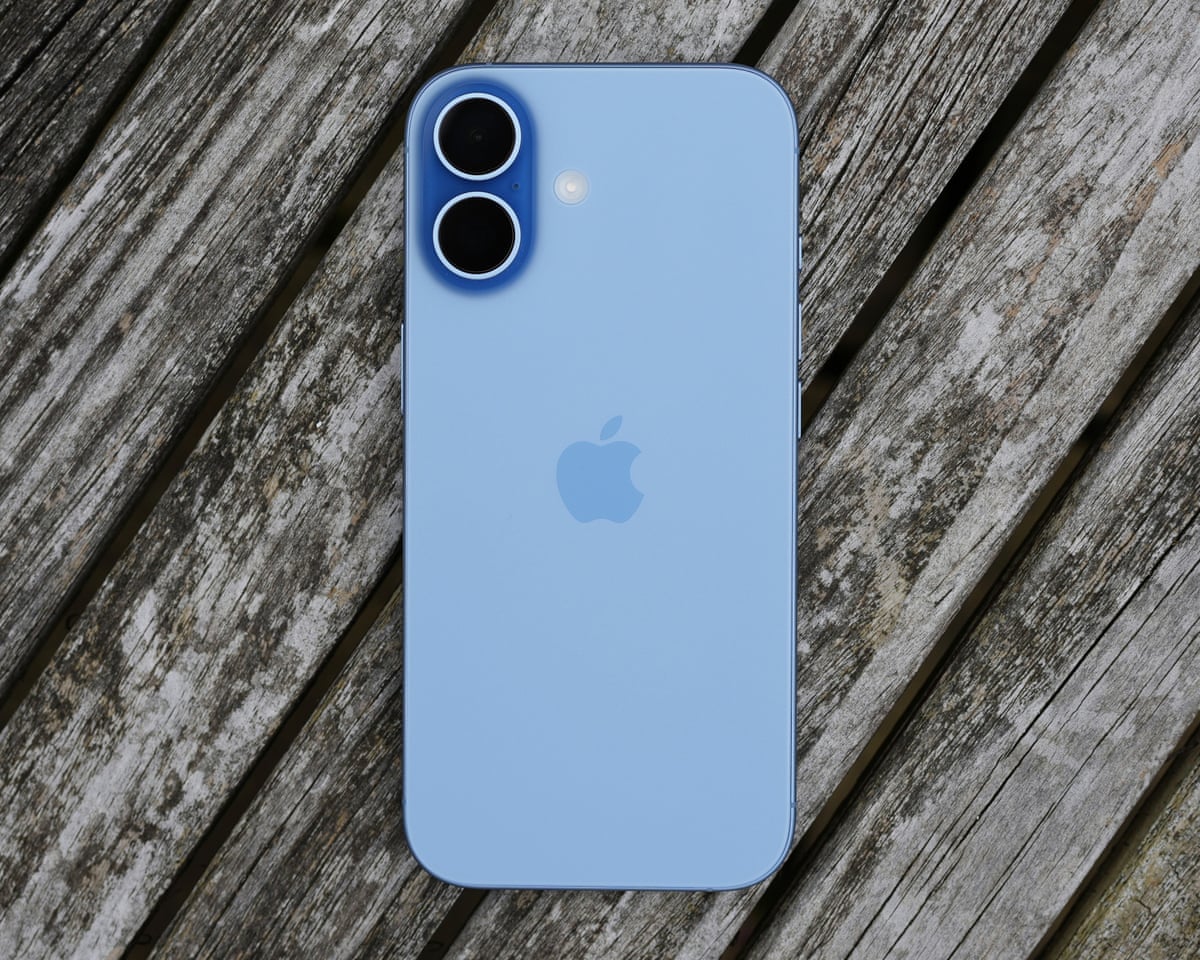
Apple's unveiling of its first folding phone this month captured global attention, but the announcement masked a significant development: a £100 price increase across all iPhone models, including those no longer sold as new products. The rise stems from a severe shortage of memory chips and other essential components, a phenomenon industry observers have termed "RAMageddon" because it has upended a long-standing pattern of electronics becoming progressively more affordable.

The shortage originated in the artificial intelligence sector's explosive growth. Vast datacentres competing for AI capabilities have consumed enormous quantities of memory chips, leaving far fewer components available for consumer electronics manufacturers. The scarcity has driven costs to extraordinary levels, with some memory chips now selling for five times their previous prices. These elevated manufacturing expenses are being passed directly to consumers through higher retail prices.
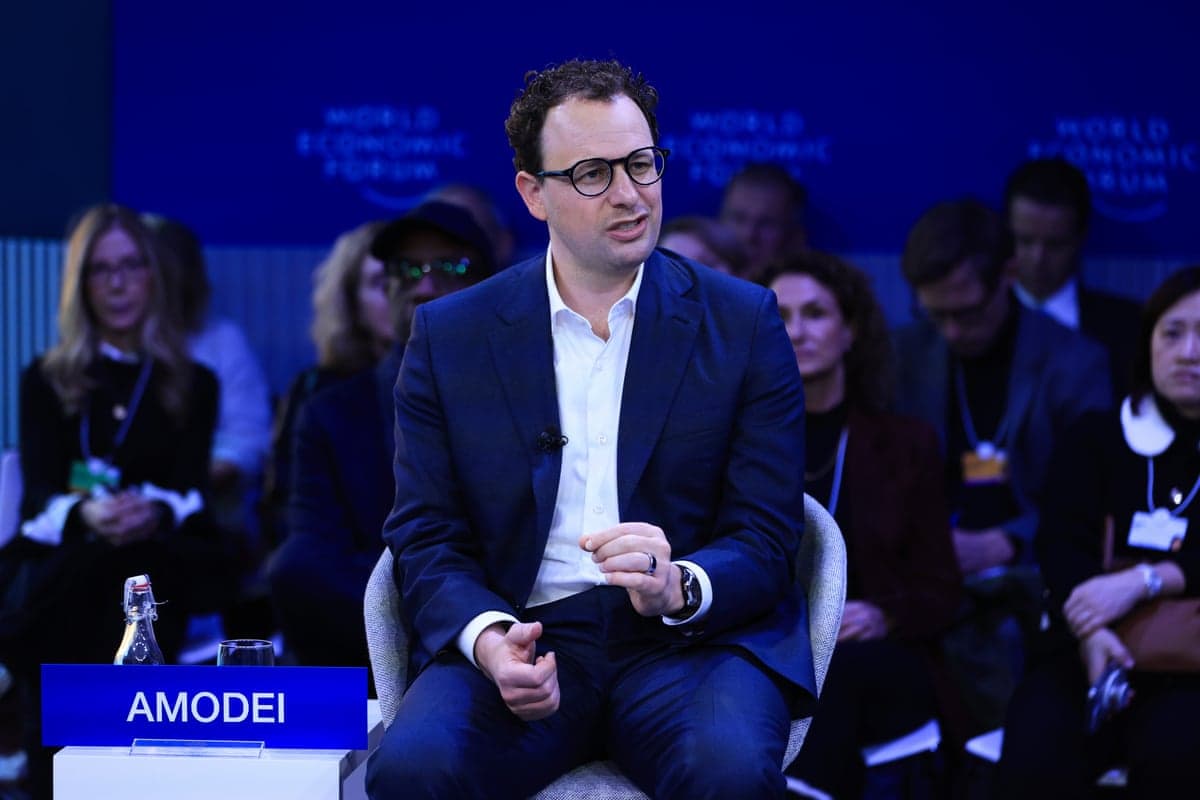
According to Francisco Jeronimo, vice-president of client devices at research firm IDC, the situation reflects two simultaneous pressures.
Component costs have risen sharply, with memory alone up more than 300% year on year.Because older iPhone models rely on the same expensive memory as newer ones, Apple has adjusted pricing for its entire iPhone range to reflect current component costs, Jeronimo explains.
The price increases at Apple follow earlier announcements in June that the company had raised MacBook and iPad prices by nearly 20% due to the same supply pressures. The iPhone 18 Pro now starts at $1,199 and the Pro Max at $1,299, reflecting the component cost crisis.
While the iPhone is not the first product affected by memory shortages, its status as the world's single largest-selling electrical device means the price increase will impact hundreds of millions of consumers globally. For most buyers, the £100 addition represents a cost increase with no corresponding improvement in functionality or features.
Other smartphone manufacturers have followed Apple's lead. Samsung and other major producers have raised prices on their flagship models in response to identical supply chain pressures. However, Apple's approach to its refurbished inventory has been particularly aggressive: the company increased prices on refurbished stock by £60 to £70, including the iPhone 15, which is no longer offered as a new purchase in retail channels.
The refurbished market has not yet absorbed these increases uniformly. According to Ernest Doku, a mobiles expert at Uswitch, third-party refurbished iPhone prices have remained relatively stable.
A refurbished iPhone 16 has held at about £503 all summer, roughly where it was before the 18 Pro launch. A refurbished 14 is about £10 cheaper than it was in June, while the 16 has simply stopped falling in price.

How are other electronics manufacturers responding?
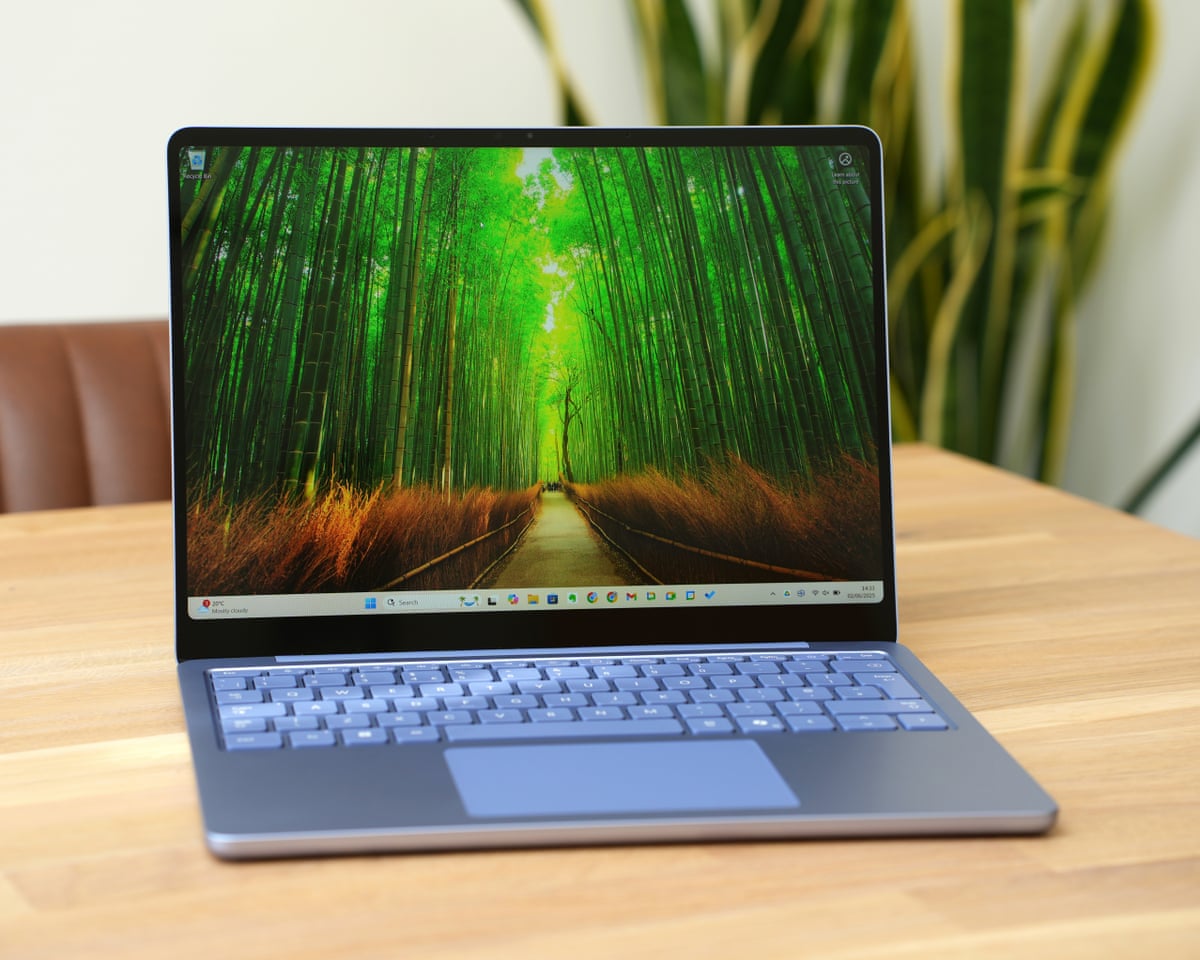
Computer makers have faced even steeper price pressures than smartphone producers because they use greater quantities of memory and storage components. Microsoft added as much as £220 to certain Surface computer models, while simultaneously releasing versions with half the memory capacity in an attempt to maintain lower price points. The company has also been forced to redesign Windows to function more efficiently with reduced memory, a significant undertaking it had not attempted in several years.
Dell's high-end laptop range has experienced substantial price increases, while Framework, a manufacturer focused on repairable devices, has had to adjust pricing multiple times as component costs fluctuate. Apple extended its price increases beyond phones and tablets to its Mac computers, adding £100 to certain models and raising prices across most of its laptop range.
We have never seen a component price increase this much, this quickly,the company stated.
Gaming consoles have not escaped the crisis. Microsoft recently raised the price of its Xbox Series X console to £670, up from its original launch price of £449 nearly six years ago. According to industry analysis, console storage and memory prices have increased by more than 2.5 times, with further doubling expected by autumn 2027.
What impact is this having on consumer demand?
The combination of higher prices and component scarcity is reshaping the global smartphone market. IDC now forecasts worldwide smartphone shipments will fall 13.9% in 2026 to 1.09 billion units, marking the steepest decline in the market's history. Most smartphone manufacturers other than Apple have discontinued older models that were no longer economically viable at higher price points, with the impact particularly severe at the budget end of the market.
Jeronimo summarises the market dynamic bluntly:
People are buying fewer phones and paying considerably more for those they do buy.The memory shortage is also driving up average selling prices across the industry; IDC data indicates smartphone average selling prices are forecast to reach $581 in 2026, representing a 27.6% year-on-year increase.
When will prices return to normal?
The outlook for price relief remains uncertain. Major memory producers, including SK Hynix, have suggested that shortages could persist well beyond 2030. Jeronimo predicts that memory prices will continue rising into 2027, though at a slower pace than the "extraordinary spikes" experienced earlier in the year.
Even once memory costs ease, I do not expect smartphone prices to fall back to the same levels as last year. Increases in this industry tend to be sticky. Once customers have absorbed a higher price and manufacturers have rebuilt their margins, companies hold the line and add value through storage or features, rather than cutting the ticket price.
According to Deloitte analysis, new memory-chip manufacturing capacity is not expected to come online until 2029 or 2030, meaning the supply constraints will likely persist for years. A broader semiconductor industry analysis suggests the shortage will extend through 2027, with significant new capacity delayed until 2028 at the earliest.
The fundamental conclusion is sobering for consumers.
The era of cheap smartphones – or any device to be honest – is over,Jeronimo concludes. The AI-driven demand for memory chips has permanently altered the economics of consumer electronics, and price increases that began as temporary responses to shortages are likely to become the new baseline for the industry.
Key Facts
- Apple increased iPhone prices by £100 across all models due to memory chip shortages driven by AI datacentre demand
- Memory chip costs have risen more than 300% year on year, with some components selling for five times previous prices
- Global smartphone shipments are forecast to fall 13.9% in 2026, the steepest decline on record, while average selling prices rise 27.6%
- New memory manufacturing capacity will not come online until 2029–2030, meaning shortages could persist beyond that date
- Price increases across consumer electronics are expected to remain permanent even after component costs stabilise, as manufacturers maintain higher margins