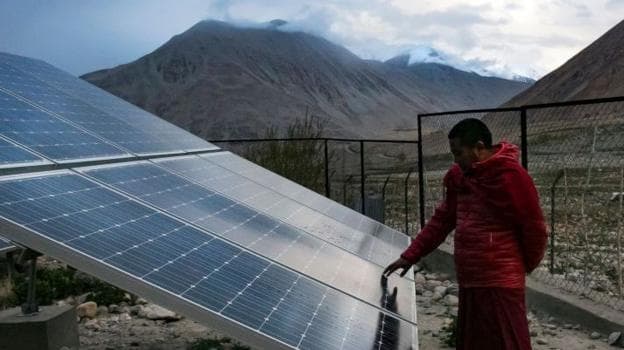
Renewable energy sources briefly supplied more than half of India's peak electricity demand during July 2026, marking only the second occasion this milestone has been reached. The first occurrence took place approximately one year earlier, during the same season. This achievement underscores the dramatic expansion of clean energy across the country's power system over the past decade, though the underlying infrastructure challenges threaten to undermine these gains.
Non-fossil fuel generation—encompassing solar, wind, hydroelectric and nuclear power—has grown from a marginal 4GW of installed capacity a decade ago to 300GW today, representing 54% of India's total 552GW installed capacity. This expansion has been achieved five years ahead of the government's original target, positioning the nation as a global leader in renewable energy deployment despite its historical reliance on coal.
It showed that renewable energy is no longer a marginal source sitting at the edge of the power system.
These words from Sumant Sinha, chief executive of ReNew Power, one of India's largest clean energy companies listed on Nasdaq, capture the significance of the transition. Yet coal-based power stations continue to generate approximately 70% of India's electricity on average, as they operate at higher load factors and run for more hours than intermittent solar and wind installations.
Why is so much renewable energy being wasted?
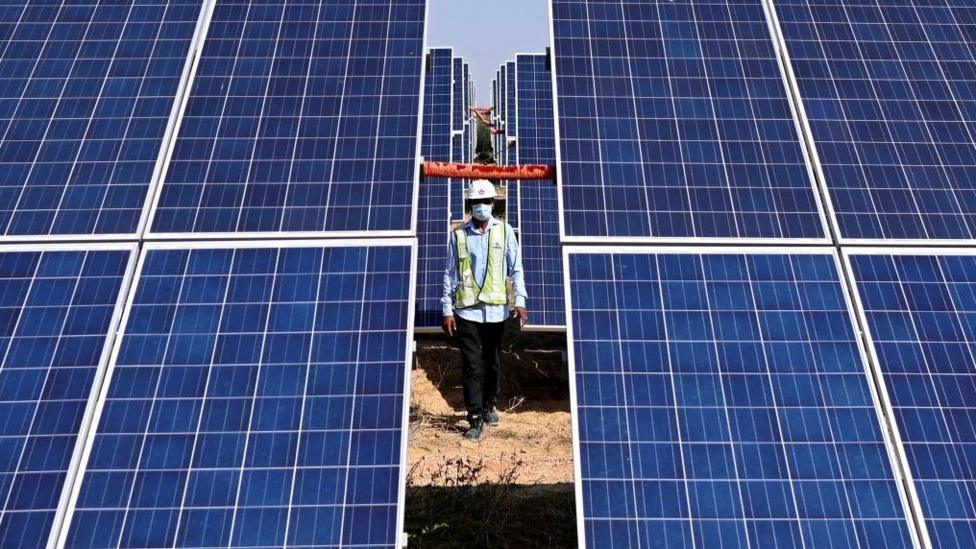
Despite rapid capacity additions, a severe mismatch between generation and transmission infrastructure is causing substantial renewable energy curtailment. In the first quarter of 2026, transmission constraints alone accounted for nearly 300 gigawatt-hours (GWh) of wasted renewable electricity, according to analysis by Ember, a global energy research organisation. This represents a critical operational risk to India's 2030 target of 500GW of non-fossil electricity generation.
The problem has intensified dramatically. According to reporting on Q2 2026 data, India held back 8,133 GWh of solar power during the April-to-June quarter, with curtailment climbing from 2,417 GWh in April to a peak of 3,235 GWh in May before declining to 2,481 GWh in June. On a single day—March 30, 2026—the country lost approximately 34 GWh of renewable electricity due to insufficient transmission capacity, according to Down to Earth analysis.
The monetary impact is substantial. The estimated financial loss from renewable curtailment in the first quarter of 2026 alone reached approximately ₹75–90 crore (roughly $9–11 million USD), reflecting both the wasted generation and the opportunity cost to clean energy developers.
Why is transmission infrastructure lagging so far behind?
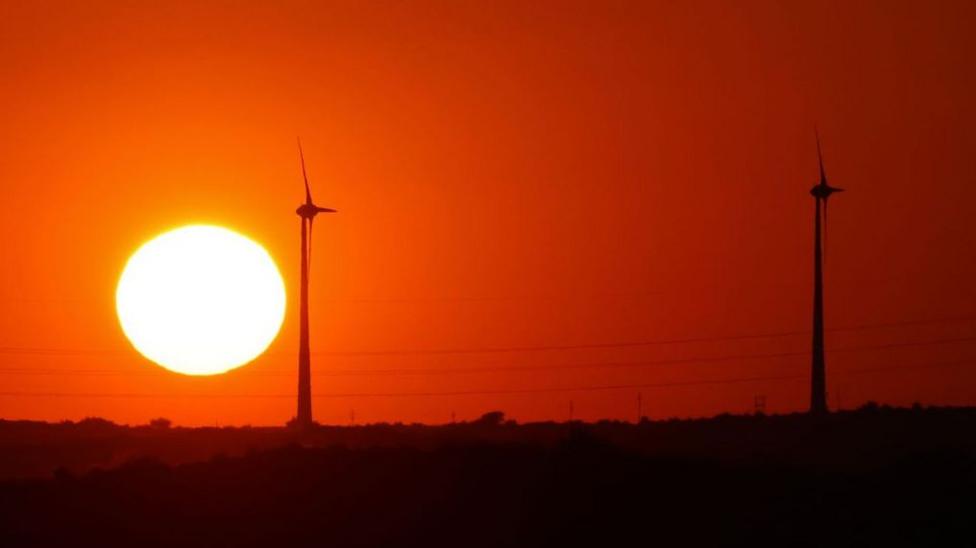
The core issue stems from a fundamental timing mismatch. Renewable generation projects can be constructed in 18 to 24 months, whereas transmission infrastructure requires substantially longer development cycles. Sinha explains that transmission projects involve complex processes including right-of-way acquisition, land purchases, regulatory approvals and coordination across multiple government agencies—challenges that become more acute as the power system expands.
India's renewable capacity additions have accelerated dramatically. The country installed a record 51GW of renewable capacity in the previous year, compared to the 10–15GW annual pace that the existing grid could previously absorb. This acceleration has overwhelmed transmission planning and execution. One out of every four inter-state transmission projects faces delays exceeding one year, according to government data.
Vibhuti Garg of the Institute for Energy Economics and Financial Analysis attributes the crisis partly to inadequate planning.
The grid was able to absorb new capacity as long as India was generating 10-15GW annually, she told the BBC. But that pace has dramatically increased, reaching a record 51GW last year, and the infrastructure is no longer able to cope.

Geographic concentration compounds the problem. The majority of India's renewable projects cluster in the north-western states of Gujarat and Rajasthan, creating localised grid congestion. According to Ember's analysis of regional grid performance, transmission bottlenecks have been especially acute in the Northern and Western regional pooling stations, while the southern region recorded no transmission-related curtailment during the first quarter of 2026, suggesting that grid coordination varies significantly by geography.
Recent data from ICRA, a credit rating agency, reveals that approximately 33% of the 54.8GW of recently commissioned renewable capacity was being evacuated through temporary general network access arrangements as of May 2026, with curtailment rates reaching 50% to 60% during peak solar generation hours.
Why hasn't battery storage solved the problem?
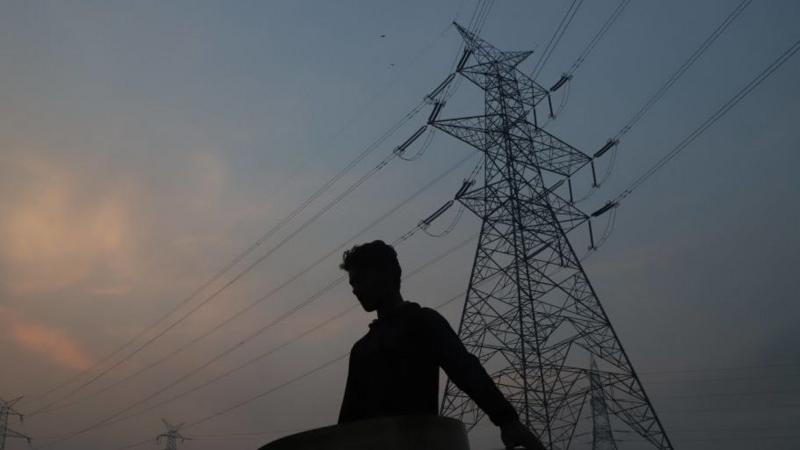
Energy storage systems could theoretically bridge the gap between renewable generation and transmission capacity by storing excess power during peak production hours for use during evening demand peaks. However, battery storage deployment has stalled due to multiple economic headwinds.
The price of battery materials has surged dramatically, while raw material shortages—partly driven by geopolitical tensions in the Middle East—have restricted supply chains. Simultaneously, depreciation of the Indian rupee has increased financing costs for Indian companies seeking to fund storage projects, making capital-intensive battery installations economically unviable for many developers. Garg notes that
many storage projects that were meant to come up fell through as a result.
What financing challenges threaten India's renewable targets?
Beyond storage, the entire renewable energy sector faces persistent capital constraints. India requires an estimated $400–$500 billion to achieve its 500GW non-fossil electricity target by 2030. Currently, approximately 83% of India's climate finance comes from domestic sources, according to the government's economic survey, leaving the country heavily dependent on internal capital pools.
While the Paris Agreement obligated developed nations to provide $100 billion annually to developing countries for climate action through 2025, this funding has remained elusive. Sinha observes that
emerging and developing economies outside China receive only around 15% of global clean-energy investment, despite accounting for roughly two-thirds of the world's population.
India does not necessarily require developed countries to finance its entire transition, but Sinha argues that targeted support—in the form of concessional loans, credit guarantees and currency hedging mechanisms—would encourage private investors to deploy significantly more capital into the clean energy sector.
What is the global significance of India's renewable transition?
India's success or failure in meeting its renewable targets carries outsized implications for global climate goals. The country ranks as the world's third-largest greenhouse gas emitter and faces accelerating electricity demand growth, expanding at a compounded annual rate exceeding 7%. This demand surge is expected to intensify with the expansion of energy-intensive industries including data centres and semiconductor manufacturing.
The International Energy Agency projects that India's electricity demand will increase by 80% by 2035—the sharpest rise among emerging economies. Notably, the agency credits India's robust renewable energy expansion as a significant contributor to slowing global emissions growth this year, even as energy-related carbon dioxide emissions rose more sharply in advanced economies for the first time since the 1990s.
The structural challenge now facing India—balancing rapid renewable deployment with grid modernisation—will determine whether the country can sustain its decarbonisation trajectory while meeting rising electricity demand. Failure to resolve transmission bottlenecks and secure adequate financing would not only jeopardise India's 2030 targets but also undermine the global transition to clean energy at a critical moment.