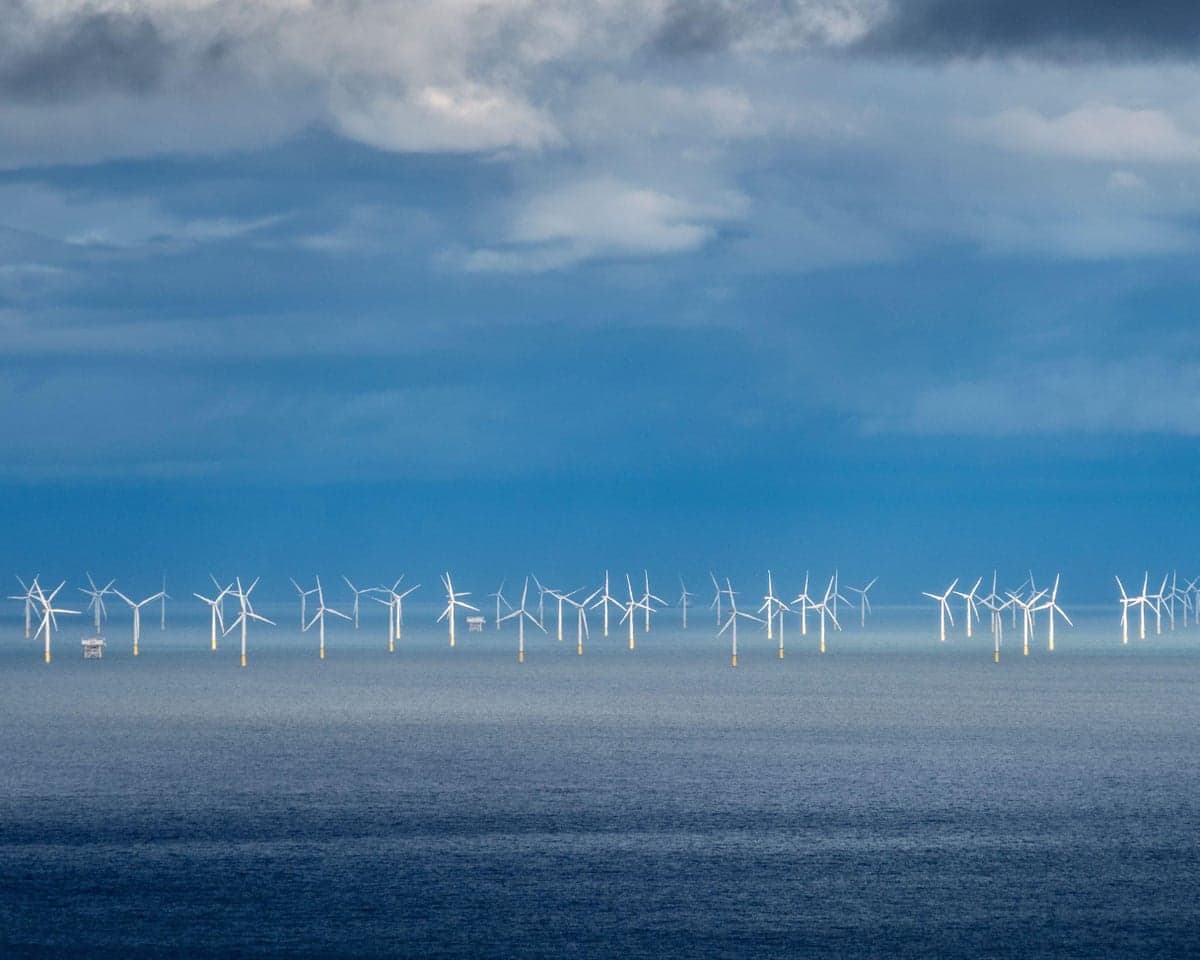
The cost of managing Great Britain's electricity network has climbed to near-record levels, reaching almost £50m in a single day as renewable energy generation was deliberately curtailed in regions experiencing oversupply while fossil fuel plants were activated elsewhere to meet demand.
On Wednesday, the grid operator spent £47.9m to deactivate wind farms in areas with excess electricity and simultaneously activate gas plants in regions facing supply shortages. A single half-hour trading window alone cost £1.6m. These figures rank among the highest recorded since the early stages of the Ukraine conflict in 2022.
The escalating expenses reflect a broader pattern: balancing costs reached £505m in September, the highest monthly total on record, with projections suggesting annual costs could reach £3.2bn. According to energy market analysis, October's forecast puts balancing costs at £390.3m, with transmission constraints accounting for £310.3m of that figure.
The underlying problem is a mismatch between renewable energy capacity and the infrastructure needed to transport it. Transmission network upgrades have not kept pace with the rapid expansion of wind and solar installations connecting to the grid. On Wednesday alone, wind and hydroelectric facilities totalling approximately 9 gigawatts of capacity—sufficient to supply electricity to more than 8m households—were paid to remain offline, according to consultancy LCP Delta.
To compensate, the grid operator activated multiple gas and biomass plants and purchased additional electricity from continental Europe via subsea high-voltage cables. The situation became acute enough that the National System Operator (NESO) was compelled to request emergency assistance from its French counterpart, which provided last-minute power supplies to the UK on Monday and Friday of the previous week.
"The system overall wasn't tight in terms of power supplies. It's the age-old story of a lack of infrastructure to transport power to where it's needed, leading to lots of windfarms being turned off,"said Shivam Malhotra, head of power trading at LCP Delta.
"To resolve the energy needs in the south of the country Neso had to use one of their last resorts. It's quite surprising for this time of year."
Why are Scottish wind farms particularly affected?
Scottish wind farms face disproportionate curtailment because insufficient high-voltage transmission cables connect Scotland to regions of rising electricity demand in southern Britain. This geographical mismatch forces the grid operator to pay wind generators to switch off rather than transport their output south, creating a costly inefficiency.
What is the scale of the infrastructure challenge?
A National Audit Office report released on 16 October warned that delays in grid upgrades could push constraint costs to £7.8bn by 2030. The report found that only 64 of 80 projects identified by NESO as necessary were actively under way, indicating significant slippage in the modernisation programme. The government has estimated that accelerating three major transmission projects from 2031 to 2030 could reduce constraint costs by approximately £4bn in 2030 alone, with additional savings of up to £1bn possible through other constraint-reduction measures.
How do these costs affect household bills?
NESO indicates that balancing costs typically represent 4.3% of an average household's electricity bill, translating to roughly £3 per month. However, with costs projected to rise significantly, this proportion is likely to increase. The grid operator's indicative charge forecast shows the Balancing Services Use of System (BSUoS) charge rising from £12.49 per megawatt-hour to £21.67 per megawatt-hour from April 2027, suggesting steeper household impacts ahead.
What happened during the summer grid crisis?
During summer 2024, NESO faced severe operational challenges when a high-pressure heat dome reduced renewable energy output while simultaneously driving electricity demand upward as consumers used air conditioning and refrigeration. The situation became so precarious that NESO commissioned independent investigators to examine whistleblower allegations that staff had concealed details of a near-blackout during record temperatures in late June. Conservative shadow minister Claire Coutinho raised accusations that senior NESO leadership had prioritised protecting the organisation's reputation over grid safety.
Fintan Slye, NESO's chief executive, acknowledged the difficulties at an industry conference on Wednesday.
"Through that period, no customers were disconnected [and] frequencies stayed within statutory limits. But undoubtedly, it was a really challenging period for the system and right across Europe we saw power systems … under strain."He added that
"the control room and teams that were in it did an absolutely superb job managing what was a really difficult situation through the week."Slye stated there will be
"lessons to be learned"from a review being conducted by the industry regulator.
What is the historical context of constraint costs?
In 2024–25, NESO spent £1.34bn on direct actions to manage thermal constraints, comprising £370m paid to wind generators to reduce output and £910m paid to gas plants to increase generation. This spending pattern illustrates the scale of the problem and the financial burden imposed by inadequate transmission infrastructure.
What solutions are being pursued?
The government's Demand for Constraints tender is scheduled for 2026, with delivery expected from 2028. This initiative aims to identify and implement additional measures to reduce the need for expensive grid-balancing interventions. The broader strategy involves accelerating major transmission projects and exploring alternative constraint-reduction technologies, though implementation timelines remain extended and costs continue to accumulate in the interim.
Key Facts
- Grid balancing costs reached £47.9m on a single day in October, with September recording £505m—the highest monthly total ever
- Transmission infrastructure delays mean only 64 of 80 necessary grid projects identified by NESO are currently under way
- Wind farms totalling 9 gigawatts of capacity were paid to remain offline on the day in question, enough to power over 8m homes
- Constraint costs could reach £7.8bn by 2030 without accelerated infrastructure investment, according to the National Audit Office
- Balancing costs typically add roughly £3 per month to household electricity bills, though this figure is projected to rise significantly