A US jury has ordered Apple to pay $5.7bn (£4.3bn) in damages after determining the technology giant used another company's patented haptics technology without authorisation. According to , this represents the country's largest such patent award to date. The verdict marks a significant legal setback for Apple, which has contested the ruling and signalled its intention to pursue an appeal.
Audio equipment manufacturer Taction Technology initiated legal proceedings in 2021, asserting that Apple had violated two of its patents covering haptics systems—the technology responsible for vibrations triggered by actions such as receiving messages or pressing buttons. These systems are integrated into widely used Apple products including iPhones and Apple Watches. The jury awarded exactly $5,721,961,750 and determined that Apple's infringement was not willful.
In response to the verdict, Apple issued a statement expressing strong disagreement with the outcome.
While we thank the jury for their consideration, we strongly disagree with today's verdict and the damages awarded, which are entirely unsupported by the facts. Apple's Taptic Engine is fundamentally different from Taction's technology, which Taction's own testing of Apple's products confirmed during trial.
What are haptics and why do they matter?
Haptics enable users to interact with devices by simulating tactile sensations through vibrations. This technology has become standard across modern consumer electronics, with smartphones, smartwatches and video game controllers all employing small motors that respond to specific electronic signals. The technology enhances user experience by providing physical feedback that complements visual and audio information on screens.
How did Apple's Taptic Engine develop?
Apple introduced its proprietary Taptic Engine system with the original Apple Watch in 2014, delivering haptic feedback to users of the wearable device. 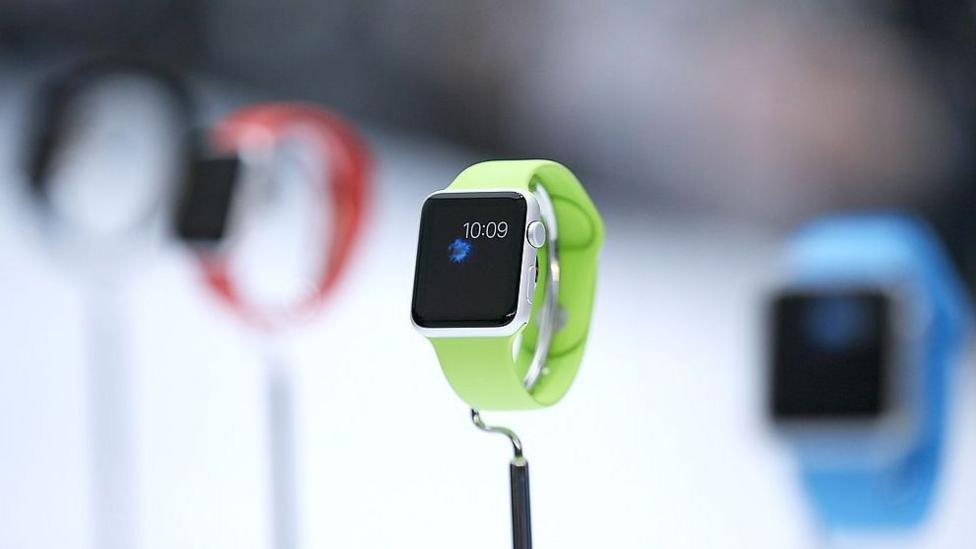

What were Taction's claims?
Taction, which manufactures headphones and gaming headsets, filed its complaint in 2021 claiming that Apple's improvements to haptic vibration quality in its devices infringed patents the company had been issued in 2020. Taction argued that by producing superior haptic vibrations, Apple had enhanced its overall user experience while
capitalising on Taction's innovation and success by selling devices that infringe [its] patents. The company also alleged that Apple had employed its inventions
without license or authority.
How did the case progress through the courts?
A San Diego judge initially ruled in 2023 that Apple had not infringed Taction's patents. However, a federal appeals circuit subsequently accepted an appeal of that decision, leading to a jury trial held in September at the US District Court for the Southern District of California. The jury ultimately found in favour of Taction, reversing the earlier judicial determination.
What happens next?
Apple has announced that it will appeal the verdict, meaning the case will proceed through the appeals process rather than reaching final resolution immediately. The company will have the opportunity to challenge the jury's findings and the damages award in higher courts.
How does this fit into Apple's broader legal challenges?
This patent dispute represents one of numerous lawsuits Apple has defended in recent years. In November 2025, a judge ordered Apple to pay $634m to medical technology firm Masimo after a jury determined the company had infringed a patent for blood-oxygen monitoring technology integrated into Apple Watches. These cases reflect the competitive pressures and intellectual property disputes that major technology companies face as they develop and refine consumer products.
Beyond patent litigation, Apple faces other significant legal matters. The company is currently defending a UK class action lawsuit alleging that millions of iCloud users were locked into costly services, with potential settlements reaching £3bn. Additionally, Apple recently filed its own lawsuit against OpenAI and former employees, alleging theft of confidential product development information.