Hospitality and tourism businesses across the South West are calling for a permanent reduction in VAT rates rather than temporary schemes, arguing that short-term relief measures fail to provide meaningful support for the sector.
The government's Great British Summer Savings initiative, which ran from 25 June to 1 September 2026, offered a temporary 15-percentage-point VAT reduction on eligible items, bringing the rate down from 20% to 5%. According to the government's announcement, the scheme was designed to support families with day-out costs during the school summer holidays and to boost businesses dependent on summer footfall. The relief covered children's menu meals in restaurants, children's and family tickets for cinemas, theatres, concerts and exhibitions, and admission to attractions including amusement parks, museums, zoos and wildlife parks.
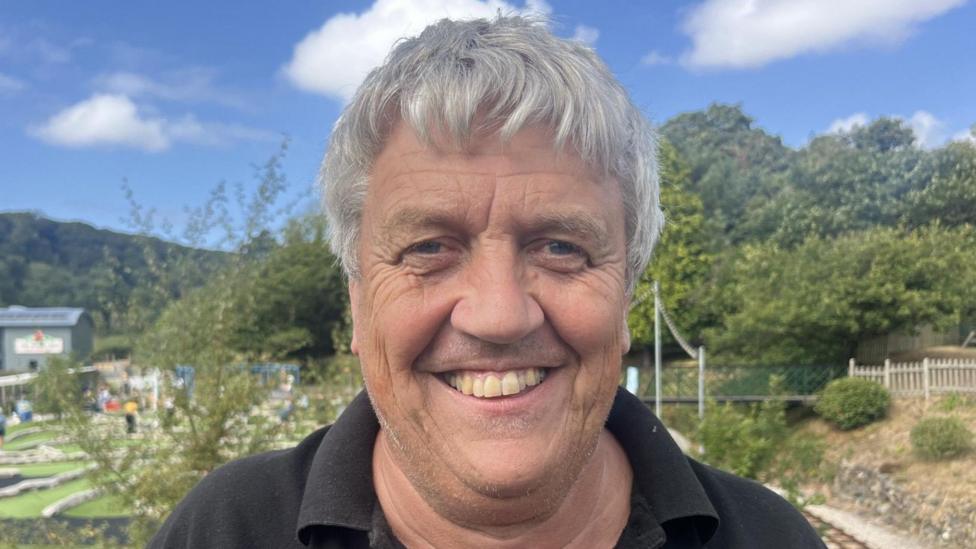
However, business leaders have expressed frustration that the scheme's impact was limited by poor publicity and its temporary nature. Keith Southwell, managing director of Lappa Valley Railway and chair of the Cornwall Association of Tourist Attractions, said the initiative "hadn't made any difference whatsoever" to his business, with many customers "benefitting but not even realising" the discount was available.
Tara Stapley, general manager of the Big Sheep Farm and Theme Park in Bideford, north Devon, reported a slight increase in visitor numbers and said customers had responded positively when informed about the scheme. The venue reduced ticket prices and expanded its children's menu offerings. Stapley noted that many people had been unaware of the initiative despite its availability, and she backed any extension "100%, if that happened we'd be dancing on the ceiling I think". She suggested the scheme would have been particularly valuable during the October half term and Halloween period.
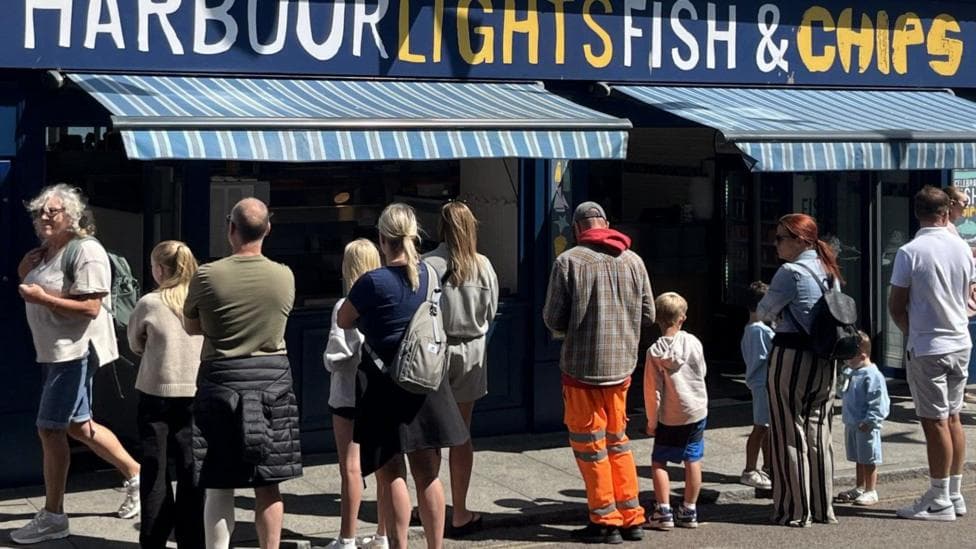
The VAT cut on children's meals applied only to dine-in options at restaurants, not takeaways, which limited its reach for some families. Pete Fraser, owner of Harbour Lights fish and chip restaurant in Falmouth, observed that dine-in children's meals had been £2 cheaper under the scheme, which may have encouraged additional spending on puddings or drinks.
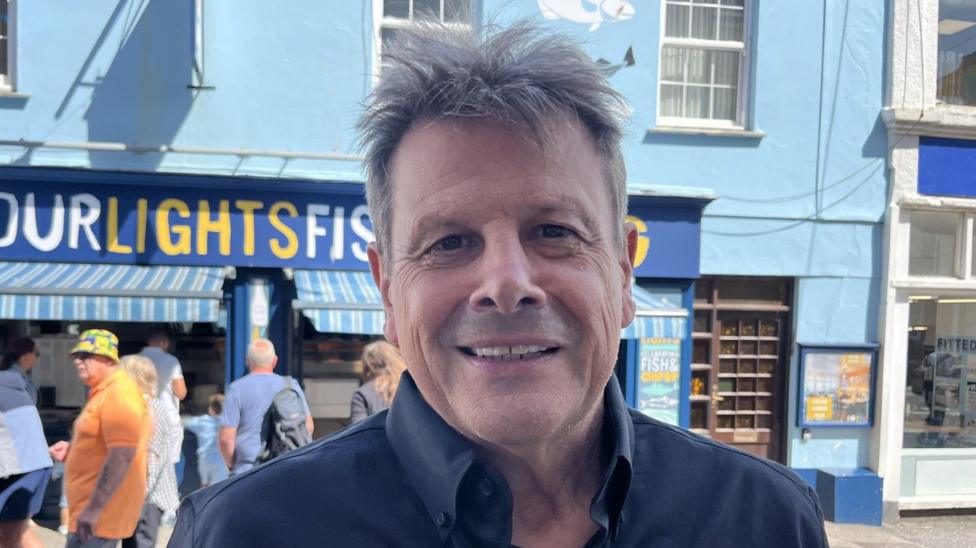
Fraser expressed concern about the scheme's temporary nature, saying:
"I hate to use the word 'gimmick', but then it's gone and we're back to where we started again. We roll off into the winter and the fun starts trying to balance the books, and that's when we need the help."

Why businesses want permanent relief
Southwell acknowledged that while he initially viewed the scheme as "a great idea", its short-term structure limited its effectiveness. He noted that some attractions had retained the VAT savings rather than passing them to customers, which was understandable given their financial pressures. He argued that a permanent 0% or 5% VAT rate for attractions "would allow all of us to invest for the future".
Matt Bunt, head of marketing at Lappa Valley Railway, described the policy as "amazing that families are able to keep a bit more money in their pockets", but criticised the execution, saying the "policy was put out in a bit of a rush and not very well publicised by the government".
Allen Simpson, CEO of UK Hospitality, suggested the scheme had enabled families to "have one more day out in the summer holidays" and to spend money they would not otherwise have spent. He called for the government to learn from the initiative and apply similar support in coming months.
Calls for broader and longer-term support
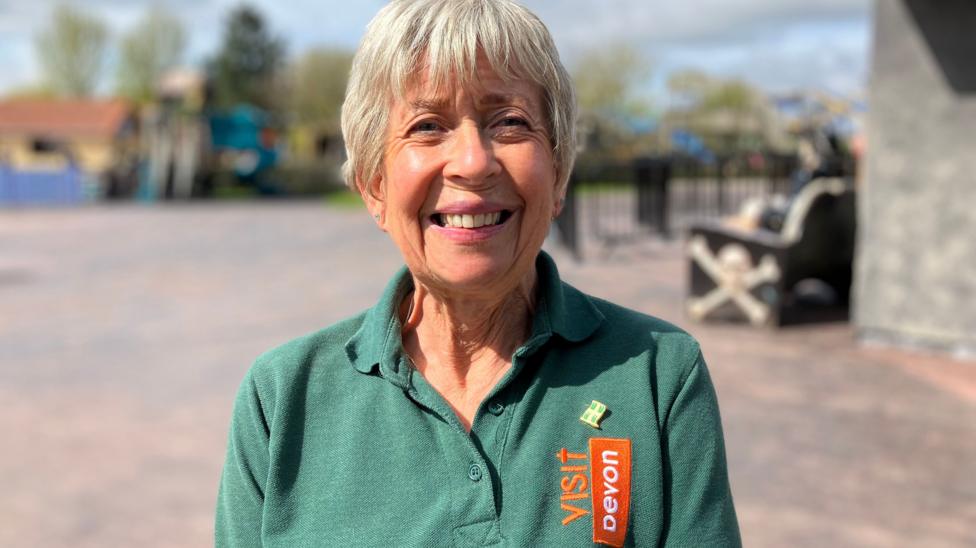
Visit Devon's director Sally Everton said the scheme should have run until 1 November to cover the autumn half term and accommodate pre-schoolers whose families take holidays after the main summer break. She noted that some venues had offered "kids eat free" on certain meals as it was easier to manage and proved to be "a real buy-in point for a lot of people", though other venues found the scheme a "logistical nightmare" and considered it "not worth it".
Everton called for VAT cuts to be "broader and permanent", stating:
"The VAT is a killer to so many businesses. In an ideal world a reduced VAT across a broader hospitality sector and permanently would be the ideal situation."
The government defended the scheme's impact, with a Treasury spokesperson stating: "Our Great British Summer Savings has benefitted businesses and families from across the South West. The scheme is increasing footfall for businesses over the summer, getting more people through the door and boosting local economies." The statement also highlighted that the government had cut business rates by 20% for pubs, social clubs and live music venues, saving thousands of establishments over £1,000 a year.
What happens next
The reduced VAT rate ended on 1 September 2026, after which eligible purchases reverted to the standard 20% rate. The temporary relief was governed by the Value Added Tax (Reduced Rate) (Hospitality and Leisure) Order 2026, which specified the 25 June to 1 September 2026 period. Business leaders are now pressing the government to consider permanent VAT reductions as a more effective way to support the hospitality and leisure sectors through seasonal fluctuations and economic pressures.