
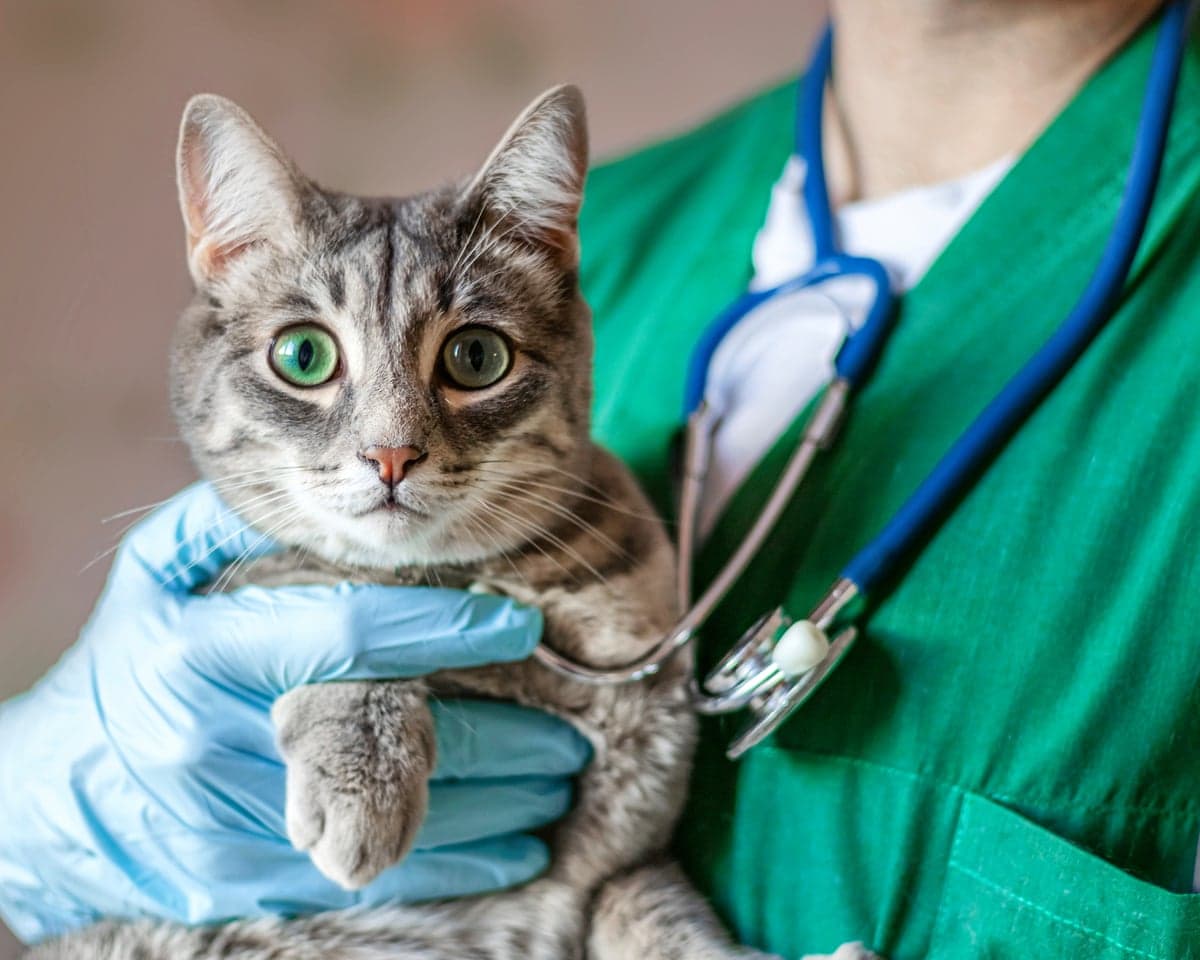
Pet owners risk being unknowingly overcharged by private equity firms that have acquired local veterinary clinics, following the Competition and Markets Authority's decision to relax requirements for multinational companies to reveal which practices they control.
The CMA completed an investigation into the veterinary sector and identified that insufficient competition and opaque ownership structures had resulted in elevated prices and limited transparency for consumers. Many pet owners remained unaware that their neighbourhood vet practice might be controlled by an international private equity investor.
The watchdog's research demonstrated that pet owners paid more on average at large veterinary groups compared with independent practices. Officials determined the £6.3bn market required substantial reform and modernisation to function effectively.
In response, the CMA and government ministers unveiled a white paper during summer 2026 containing proposals to introduce a £21 ceiling on pet medicine prescriptions alongside enhanced ownership transparency. According to the CMA's official announcement, these remedies are scheduled to take effect by 23 September 2026.
However, the Progressive Veterinary Association, representing independent veterinarians, has signalled its intention to pursue judicial review after the CMA modified the language in its proposals in a manner that the PVA contends permits multinational corporations to conceal their control of veterinary practices. The PVA made this warning public on 28 August 2026, stating it was "minded to seek" judicial review unless the ownership disclosure wording is revised.
Approximately 60% of veterinary practices are owned wholly or partially by six major groups: CVS, Pets at Home, Medivet, IVC and VetPartners, all controlled by private equity investors; and Linnaeus, whose parent company is Mars Petcare, a division of the American confectionery corporation Mars.
Under the revised rules, instead of listing the name of a large multinational company or private equity investor as the owner, corporate entities will be permitted to use a brand name or the original independent practice's name. The CMA's initial wording stipulated that veterinarians must disclose ownership and identify the "corporate vet group". This phrasing has been softened to "network or group", permitting the vet practice name or company subsidiary to be listed rather than the overarching conglomerate.

The CMA stated that its proposals would require ownership information to be displayed "in a clear and prominent manner" at premises and online. Research by the watchdog found that fewer than half of people using a large veterinary group were aware their practice operated as part of a chain, and common ownership must be shown on signage, at premises and online.
What are the vets' concerns?
The PVA argues that the softened language allows large corporations to obscure their ultimate control of neighbourhood veterinary practices while operating under sometimes deceptive brand identities. Dr Iain McGill, a director of the PVA, expressed strong opposition to the changes:
This is bad news for pet-owners and their animals. Ultimately, large corporations would be allowed to hide the fact that they are the ultimate controller of local vet practices and operate behind sometimes misleading brand names. Where they have a choice, pet owners often prefer independent practices, which the CMA found, on average, to be cheaper than corporate practices. It would be good to hear from prime minister Andy Burnham that he is on the side of small British-owned businesses rather than often foreign private equity and corporate investors.
The PVA contended in its submission to the regulator that pet owners possess the right to understand whether their local veterinary practice is controlled by a large conglomerate. The association stated:
The suggestion that accurate corporate ownership information may provide no meaningful benefit to pet owners perhaps rather underestimates the intelligence of the average pet owner. Knowing full ownership information is necessary so that pet owners can make an informed choice. Lack of informed market choices is likely to lead to less competition and pet owner detriment.
What is the CMA's position?
The CMA responded to complaints from veterinarians by arguing that disclosing the ultimate parent company names might not offer meaningful value to pet owners. Officials noted that these names frequently consist of unrecognisable corporate designations and that pet owners are more familiar with recognisable high street veterinary or pet company names.
A CMA spokesperson defended the approach:
It is critical that pet owners know whether their local practice is part of a national group or locally owned, and we are confident the changes we are making will achieve this. In future, all practices will have to make ownership links clear by using brand names that people recognise on signs and online. We will no longer have the unacceptable situation of people thinking they are using a local practice when in fact it is part of a bigger group. We consulted extensively on this. Our proposals were supported by large and small vet practices and consumer groups, and we made our decision on this in our final report in March. We're now considering comments on exactly how the changes should be put in place, to make sure they are clear and workable for pet owners and vets.
What triggered this investigation?
The CMA's inquiry into the veterinary sector emerged from broader concerns about rising pet care costs and limited competition. The watchdog determined that the market required clearer information about ownership, improved visibility of pricing structures, more transparent out-of-hours service information and enhanced tools for comparing providers. The formal consultation stage on the draft substantive undertakings notice concluded on 20 August 2026, allowing stakeholders including the PVA to submit representations on the proposed changes.
What happens next?
The new veterinary remedies are scheduled to become operational by 23 September 2026. The ownership-disclosure duty will apply to veterinary businesses operating more than one first-opinion practice, online pharmacies and other veterinary services within the same group. The PVA retains the option to pursue judicial review if it remains dissatisfied with the final wording of the regulations, following its public warning issued on 28 August 2026.
The dispute reflects broader tensions between regulatory efforts to enhance market transparency and corporate concerns about operational complexity. Pet owners may see the outcome of this legal challenge determine whether they receive comprehensive information about the corporate structures controlling their local veterinary services.


