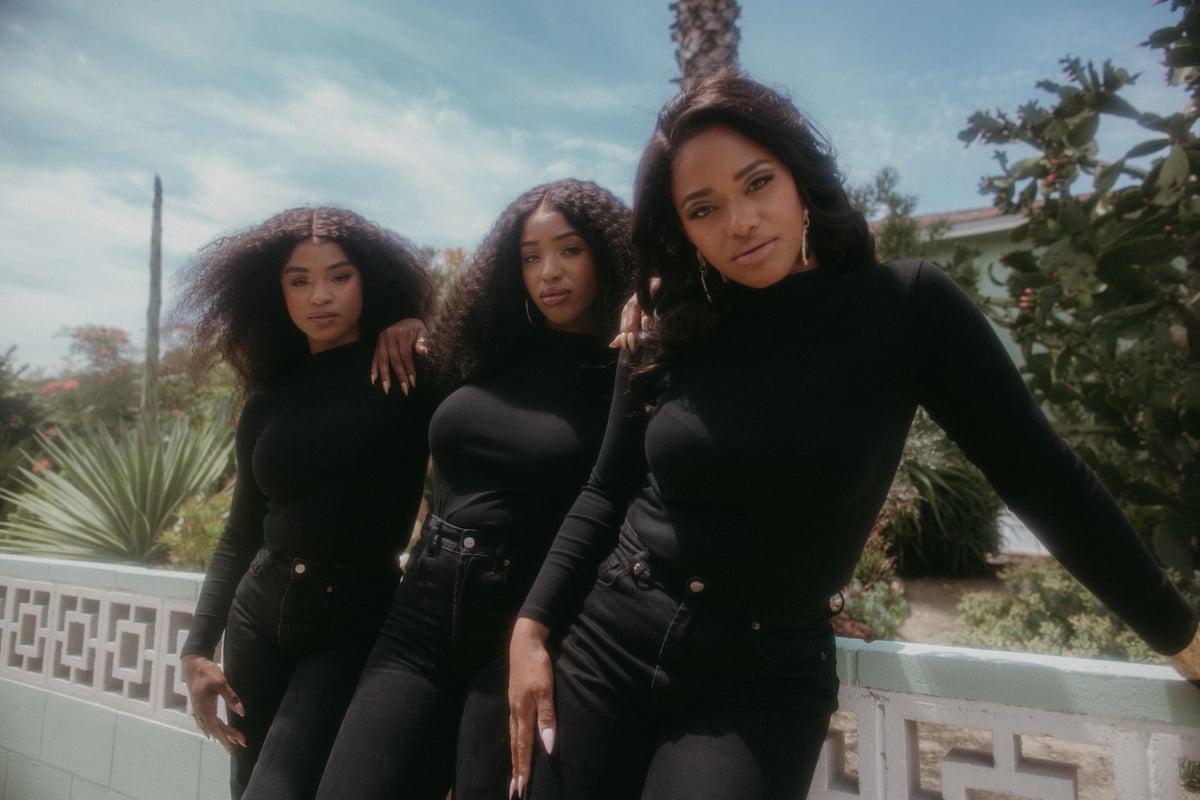
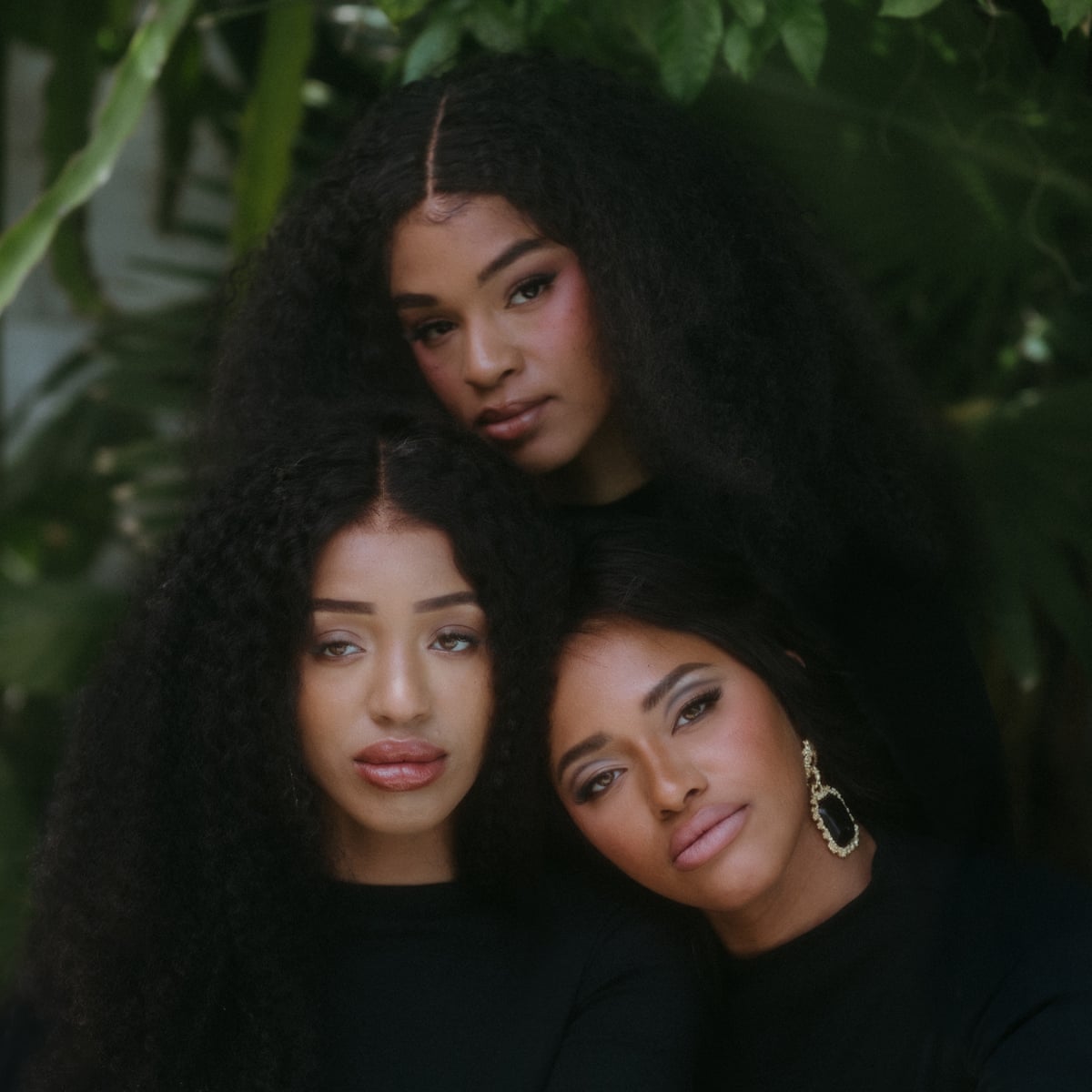
Backstage at a London festival on a Sunday afternoon, the Womack Sisters are gathering themselves on a sofa, still wearing the outfits they had on stage moments earlier. In their black dresses, tights and high heels, they look elegant but not especially suited to the sweltering weather; Zeimani shrugs that none of that matters once they are performing.
“You don’t feel anything on stage,”says Zeimani.
“You just feel amazing, like you’re floating.”
“And we’re committed,”nods her sister BG.
“You know, we were taught by professionals.”
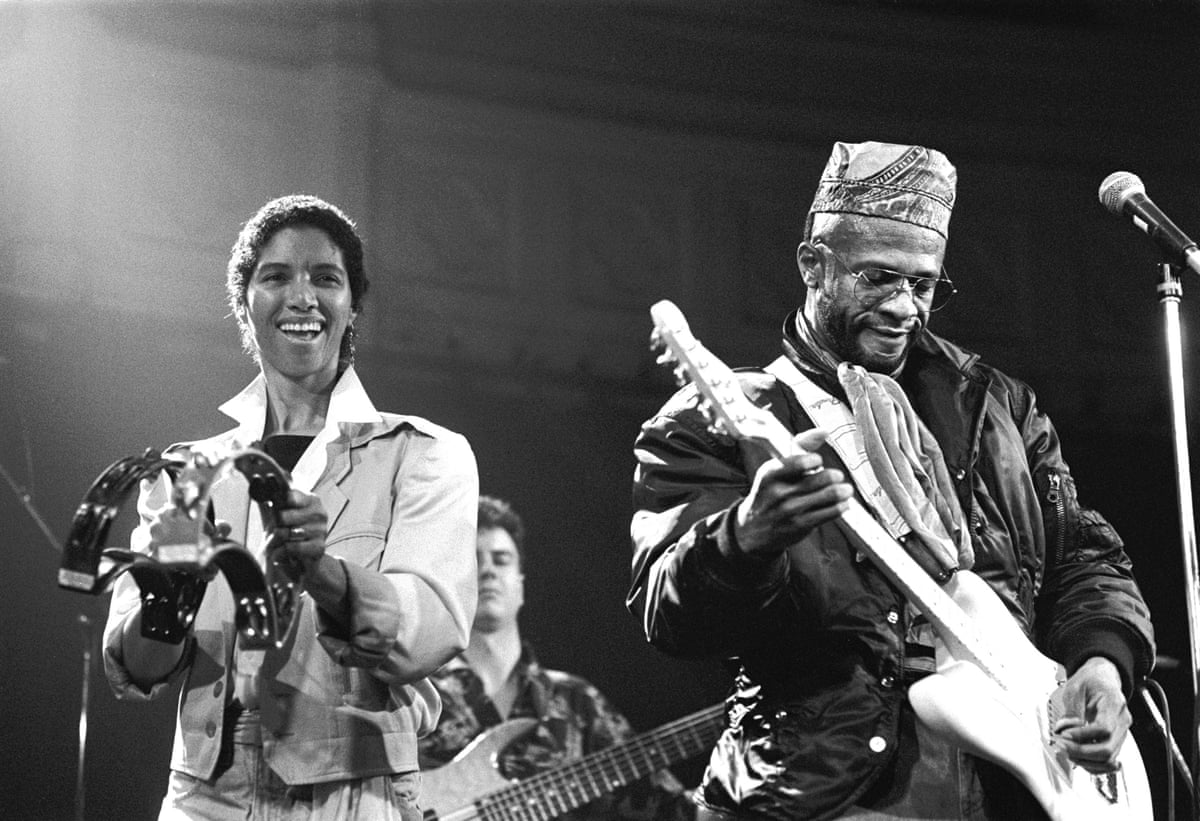
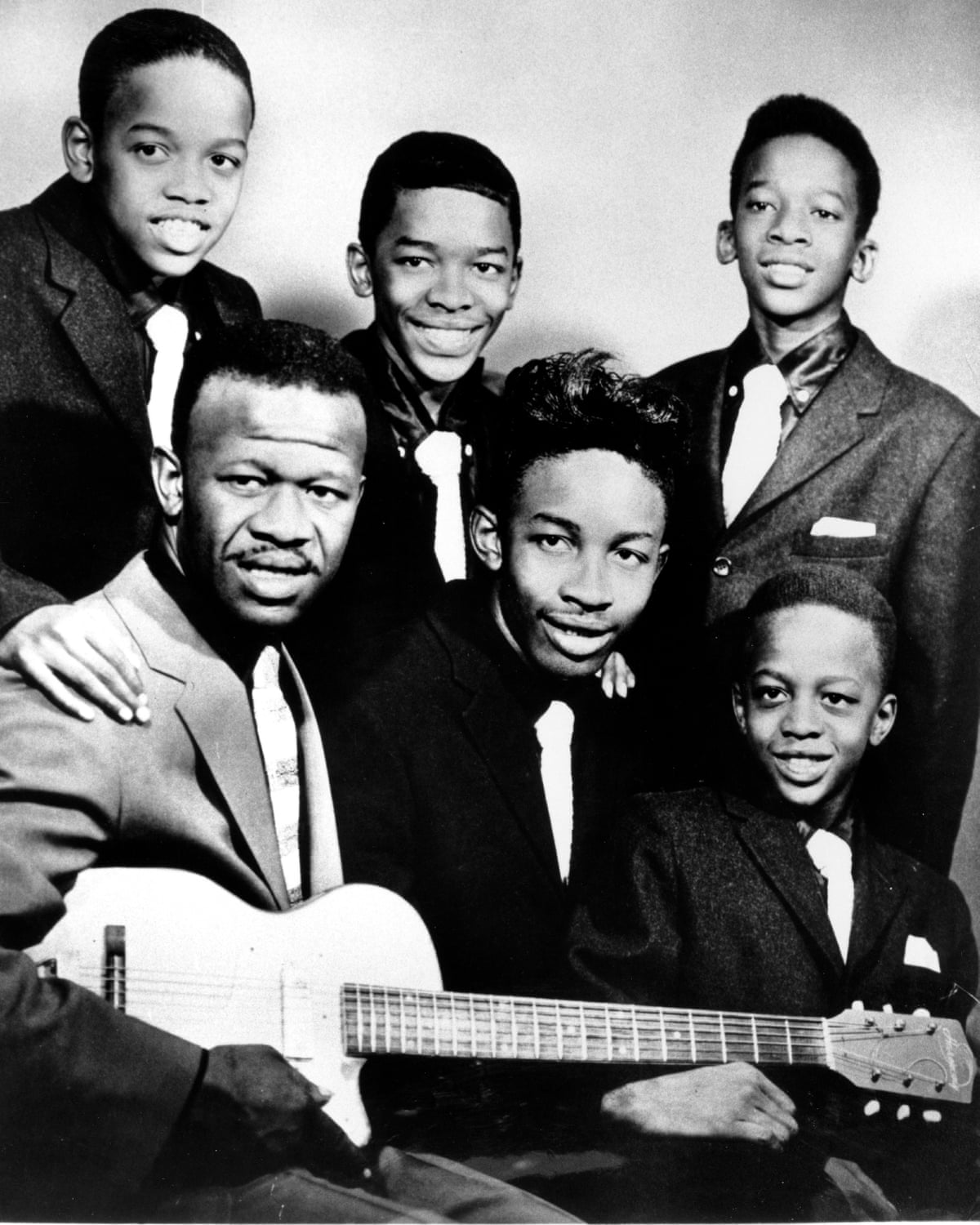
They were indeed taught by professionals. BG, Zeimani and Kucha Womack are the daughters of Cecil Womack, who wrote Teddy Pendergrass’s much-sampled classic Love TKO and hits for the O’Jays, the Four Tops and , and who was one half of Womack and Womack, known for Love Wars and Teardrops. The other half was their mother, Linda Womack, daughter of the “king of soul” Sam Cooke. Their uncle was Bobby Womack, who first performed with Cecil in early-60s band the Valentinos — whose best-known song was It’s All Over Now, later covered by the Rolling Stones — before recording a series of classics that earned him the unofficial title The Greatest Soul Singer in the World, from Across 110th Street to If You Think You’re Lonely Now and the final album he made before his death in 2014, The Bravest Man in the Universe. Their half-brother’s mother was Mary “My Guy” Wells.
Given that heritage, Zeimani says their father saw any career outside music as a waste of time. When she told him she might go to medical school, he reacted with something close to horror.
“He said, ‘Just go in the studio and make music.’ I told him I needed to have a Plan B. He was like, ‘Plan B? Do Plan A, go hard, get on it.’”
The Womack Sisters had, in any case, already spent years being apprenticed in the family trade. As children they travelled the world with their parents — Compass Point Studios in the Bahamas, Bob Marley’s studio in Jamaica, and homes in Bangkok, Phuket, Johannesburg, London and, less glamorously, Southend-on-Sea.
“We were raised between London, Thailand, Paris and Amsterdam, but mostly here in London,”recalls Kucha. Their mother and father did not merely take the children along; they involved them
“in everything they did, in the studio, on stage, in meetings. They wanted to make sure that we knew what they were doing with their time, so they communicated with us a lot.”
BG says that if she had interviewed their parents at the time, the sisters would have been present throughout the conversation.
“We would have been in the interview. If they went on a television show, we were on the couch with them.”
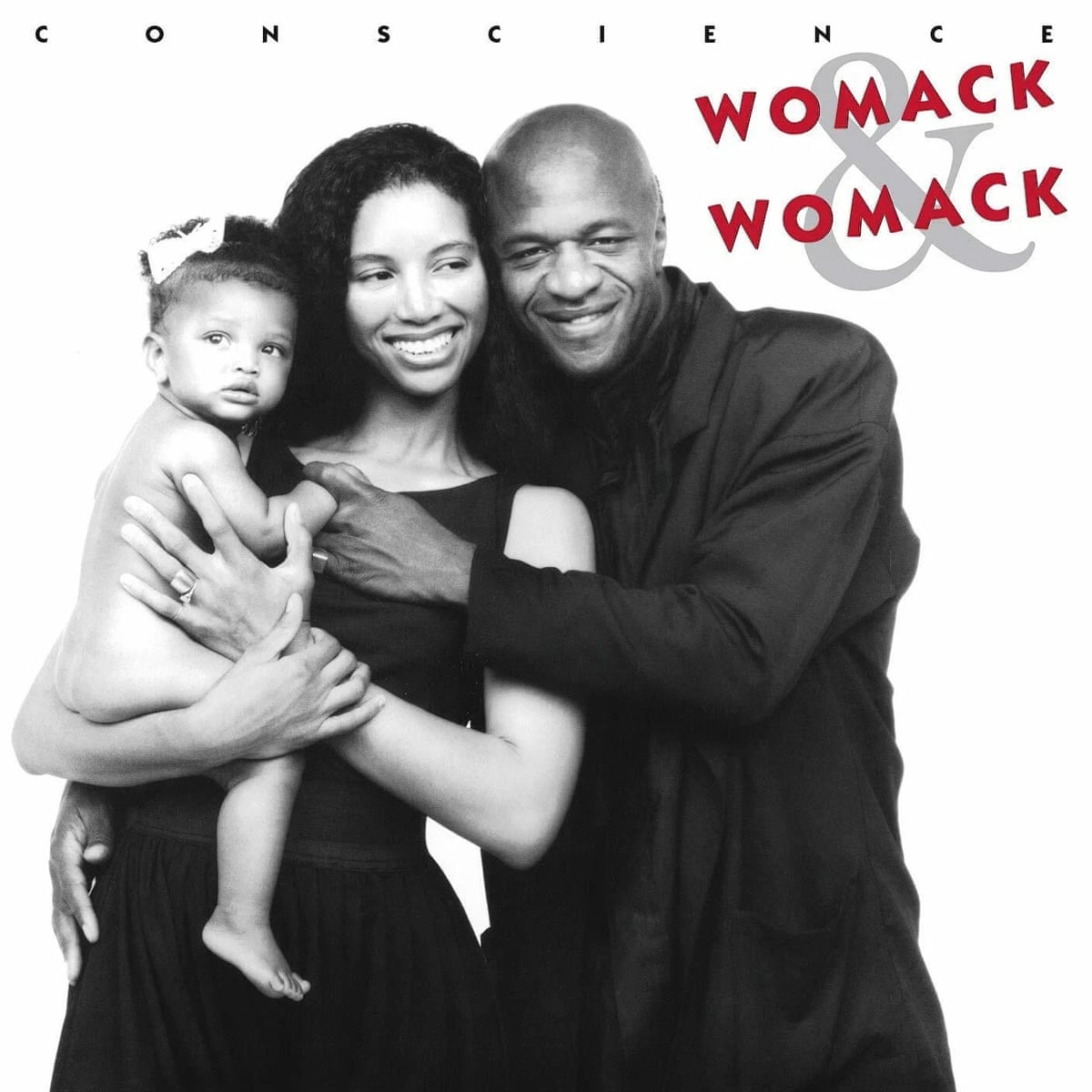
Zeimani made her first public appearance as a baby, in her mother’s arms on the cover of Womack and Womack’s Conscience, the 1988 album that featured Teardrops. The sisters later made their recording debut, alongside four other siblings, on the 1993 album Transformation to the House of Zekkariyas.
“We opened their shows,”remembers Zeimani.
“And it was the start of us realising that we could be a group, because before, we were just sisters. ‘Yo, actually this is a good feeling, I could do this for the rest of my life.’”
Even then, she says,
“we didn’t take our dad’s advice”.They decided they still needed a Plan B.
“We were a little hard-headed. We wanted to go out and explore.”
The three sisters moved to Los Angeles and tried to juggle ordinary jobs with building a music career. They worked for a cleaning company and, for a short period, as Zeimani puts it, were
“selling drugs”,which turned out to mean they ran a marijuana dispensary. It still was not as simple as they had hoped.
“We kept getting fired,”says BG.
“I got fired from Zara for trying to take a couple of trips out of town for shows.”They also drove Uber taxis.
“Uber was a lifesaver! I swear, without it I would have been turning tricks,”BG laughs.
Complicating things further was the music industry’s attitude toward them. The group, Zeimani says, had
“always had soul in mind”— they were big fans of Amy Winehouse — but the labels they met kept steering them toward pop.
“We would go to them with our demos and tell them what we would like to accomplish, with a live band, an orchestra, everything. They were just like, ‘Soul’s not what’s happening right now, here in the States, particularly for brown artists.’ So for years we were trying other things. We dabbled in R&B. They even had us rapping a couple of times.”
Asked whether they were told that Black artists should not make soul music, BG confirms it.
“Yeah, I know,”she says, rolling her eyes.
“They told our manager that, and he didn’t want to tell us, he was so embarrassed. Eventually, we just put our foot down and said, ‘We’re not doing anything else.’ Couldn’t get anyone to invest in what we were doing, so we funded our own thing.”

Their independent work eventually attracted Daptone Records, home to , and the late , whose house band the Dap-Kings are best known for backing Winehouse on her Back to Black album. BG describes meeting the label’s co-founder, Bosco Mann, now the bassist in their backing band, as an immediate connection.
“An instant connection!”she enthuses.
“We just hung out and listened to music for a year before we actually recorded anything. So when we finally came down to it, it just rolled, it flowed, the music was just pouring out.”
The result was a series of acclaimed singles, including Chauffeur — which explores the drawbacks of the sisters’ time as Uber drivers, including the experience of becoming invisible to the “fine-looking” man they have just picked up — and If I Let You, which last month gained a burst of social media attention after being championed by SZA, Timbaland, Ghostface Killah, Pharrell Williams, Erykah Badu and Questlove. The appeal, it seems, lies in the group’s blend of old and new: the songs on their upcoming debut album are rooted in soul’s history, as Kucha says,
“so familiar with these streets,”yet never feel self-consciously retro.
At the same time, the music is strikingly raw and full of real emotion.
“We crafted it from our hearts,”says Zeimani.
“I wouldn’t say that we had a lot of sorrow to get off our chests, but there is a lot of relationship drama in our family, you know? Our father passed away, our Uncle Bob passed away shortly afterwards. Our aunt, our Uncle Jude’s wife, there was a car accident and she didn’t make it. I lost my husband in Atlanta in 2020 – he was robbed, he got shot, he didn’t survive. You find love, there’s nothing that impacts you more, and to lose it before you can fully experience it – like, we were married but we were about to start a family … I had a really hard time moving through that.
“You know how when we were in the pandemic, we couldn’t do anything? That’s really what you need to do to reset from loss – stop doing everything, just love on yourself, go to the beach, find a reason to smile again.”
Their live performances, meanwhile, are being received enthusiastically. At the London festival, their set included a powerful version of Teardrops, their parents’ most lasting hit. The sisters say they are not intimidated by the family legacy.
“We’re proud of them, but they exist in their own right. The time they came up in and the things they faced – segregation, things we can’t even imagine – they saw that,”says Zeimani.
“If you can imagine, our mother came up behind Sam Cooke – and we saw her win Grammys,”says Kucha.
“So I’m just like, well, she did it.”
“She focused on herself – that was her advice to us,”says Zeimani.
“And Uncle Bob’s career was piping hot at the same time as my dad’s career was piping hot, so we saw that we could coexist without competing, because they were very different from one another. They always told us: you’re not us and you don’t have to be. You’re you, and there’ll never be anyone like you. We took that seriously.”
“We crafted it from our hearts.”