Three concurrent exhibitions across Los Angeles are bringing sustained institutional recognition to lesbian artists whose work has long been sidelined by the art world. Monica Majoli: Countervision, now on view at the June L. Mazer Lesbian Archives in West Hollywood, Millie Wilson's first retrospective at Cal State LA, and Susan Silton's first major survey at the Los Angeles Municipal Art Gallery represent a watershed moment for artists who have spent decades working in relative isolation from mainstream recognition.
The exhibitions arrive as a direct challenge to the institutions now displaying them. All three artists have built careers questioning the very systems of canonization and institutional legitimacy that are only now beginning to acknowledge their contributions. Their work resists easy categorization and refuses to settle lesbianism into a single, palatable narrative.
How did these artists first find their community?
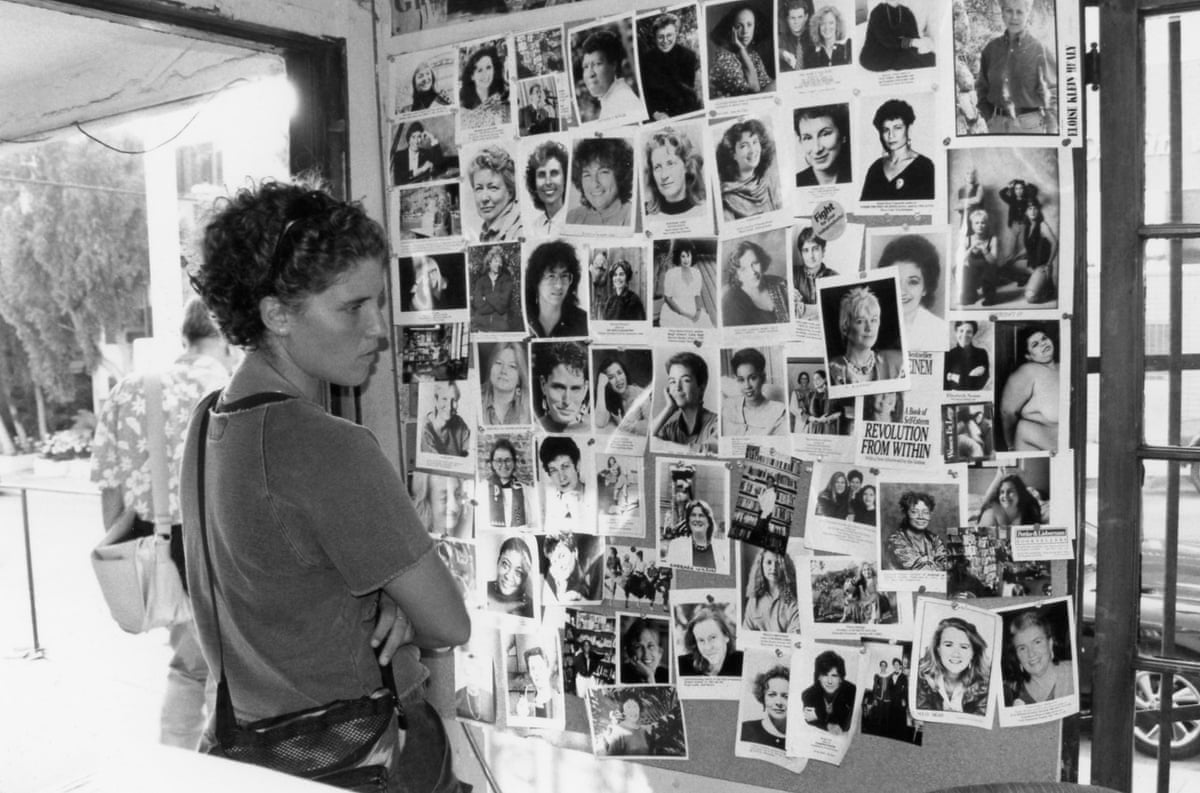
In the late 1970s, when Majoli was 12 years old, she spent her afternoons at Sisterhood Bookstore, a feminist bookstore in Los Angeles that has since closed. She was, as she describes it, "searching for my tribe." One afternoon, she discovered a photograph of the Ovulars, a collective of feminists who conducted photography workshops at a lesbian commune in rural Oregon from 1979 to 1983. Through their camera work, the Ovulars were simultaneously documenting and actively constructing a vision of lesbian life as it unfolded in real time.
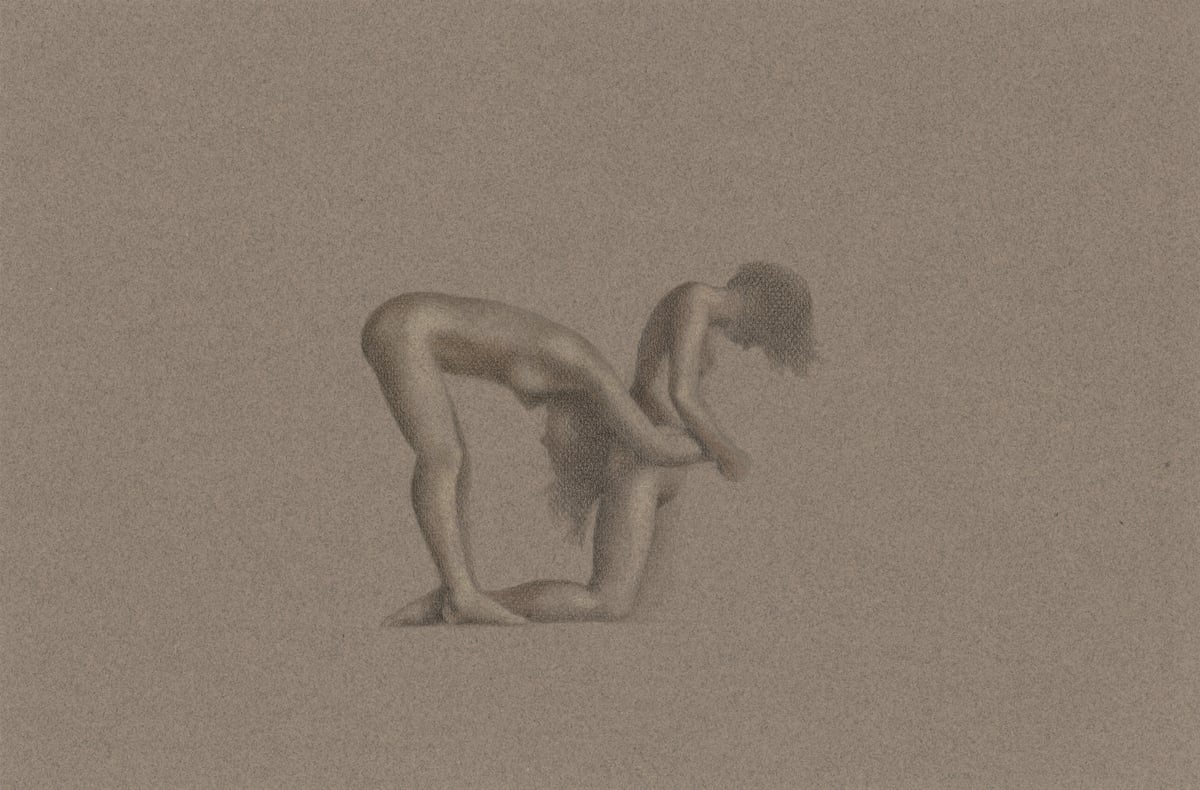
Majoli's exhibition draws directly from this archival lineage. Her work references archival research from lesbian photographers Joan E. Biren, Tee A. Corinne, Honey Lee Cottrell, and Ruth Mountaingrove, extending the visual genealogy that began with the Ovulars. The exhibition opened with a public celebration on 19 September 2026 and features Majoli's new drawings integrated into the Mazer Archives' existing holdings, with some pieces stored in five-drawer flat files for visitors to handle directly.
Why have these artists remained underrecognized for so long?
Lesbian artists have historically fallen between institutional categories in ways that have rendered them nearly invisible. They occupy an awkward space between feminism and queer art, between sexuality and identity, between artistic practice and activism. Lesbianism itself has been treated as either too specific to carry universal meaning or too politically charged to merit serious aesthetic consideration. Even when lesbian history has been recovered, only certain sanitized versions have proven acceptable to gatekeepers.
Millie Wilson, who exhibited regularly throughout the 1990s and taught at CalArts for nearly three decades, remains what curator David Evans Frantz describes as "underrecognized" despite her sustained institutional presence. Susan Silton's survey, comprising more than 150 works across installation, photography, video, audio, text, and print, has been characterized by its curators as overdue recognition. Majoli has spent decades creating paintings that examine sex, power, and queer history while simultaneously becoming an archive of lesbian life and its disappearing narratives.
What do these exhibitions reveal about lesbian artistic practice?
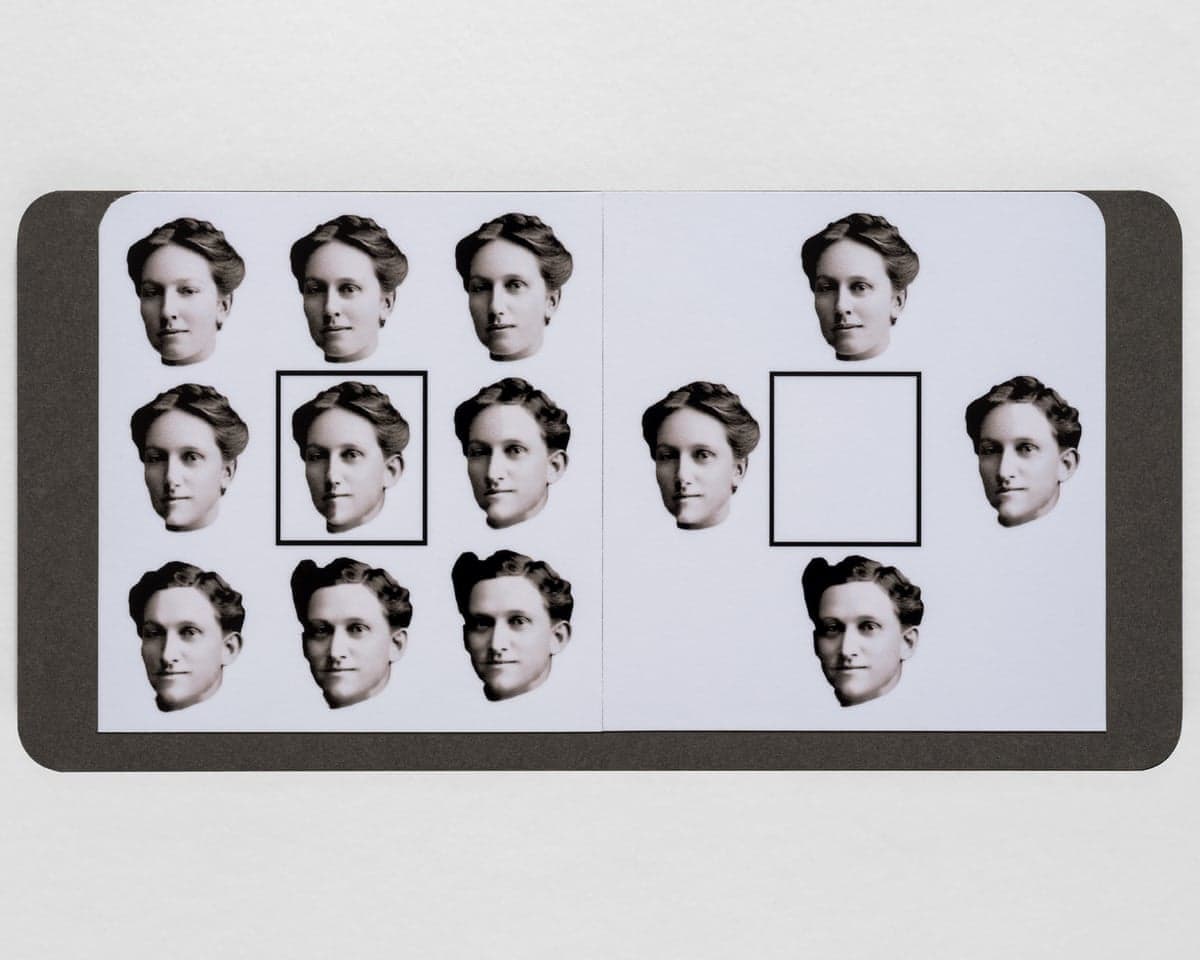
In 1989, Wilson created The Museum of Lesbian Dreams, a fabricated institution that exists through her paintings, photographs, sculptures, and installations. So convincing was her construction that at least one critic believed it to be real. Her foundational work, Fauve Semblant: Peter (A Young English Girl), imagines a retrospective for a fictional lesbian artist whose work has supposedly been lost to history. Inspired by Romaine Brooks's portrait of the actual lesbian artist Gluck, Wilson fabricates the remains of an artist who never existed, using the word "museum" itself as an instrument of legitimacy.
Wilson's choice to populate her museum with lesbian pulp and lowbrow literature provoked resistance from some quarters. As Frantz notes, certain lesbian art historians actively objected to what they saw as Wilson bringing "a tawdry part of our community history" into view. The tension reveals how even within lesbian communities, hierarchies of taste and respectability have shaped which histories get preserved and which get discarded.


Silton has spent her career resisting precisely this kind of institutional packaging and flattening.
Institutions, I think, really fail us in their being so simplified about identity,she has stated. When institutions
box people and things up into neat little packages,they become easier to
convey as a package. It's like golden for the corporate sponsors.Her 1994 work mutatis mutandis examined
the perception of lesbian as mutant; mutation being both anomalous and often necessary to the survival of a species.In one iteration, participants look through a stereoscope at two images that become three-dimensional but never perfectly align into a single coherent picture—a fitting metaphor for how Silton conceptualizes lesbianism itself.
The work was on loan to the survey by actor Gillian Anderson, who collected it from Silton's home in the early 2000s. Silton reflects on this history with some ambivalence:
I haven't really quite felt thatsense of being regarded, she says, even as institutional recognition now arrives.
What makes these exhibitions significant beyond correcting historical erasure?
The three exhibitions do more than simply restore visibility to overlooked artists. They expose the fundamental difficulty of institutional correction itself. These lesbian artists are now receiving something approximating institutional space, yet they have already spent decades interrogating what that space means, whom it serves, and what compromises it demands of them.
Majoli reflects on the Ovulars' photographs as a record of
a kind of courage to seize the moment.She contrasts that historical spirit with the
fatigue and fearshe observes shaping contemporary life. The Ovulars constructed an image of lesbian life before institutions could safely contain it; decades later, Majoli, Wilson, and Silton continue working in that generative space between self-definition and institutional representation, producing forms of lesbian history that resist settling into a single authorized narrative.
Silton articulates this resistance with characteristic directness:
We aren't all just out playing golf.The exhibitions insist on keeping sexuality and identity unruly, refusing the flattened, corporate-friendly versions of lesbianism that institutions prefer.
When and where can visitors see these exhibitions?
Monica Majoli: Countervision remains on view through 22 November 2026 at the June L. Mazer Lesbian Archives, located at 626 North Robertson Boulevard in West Hollywood, with free appointments available Thursday through Saturday from 11 a.m. to 5 p.m. Visitors must check in onsite for timed access because the room housing Majoli's drawings has very limited capacity. The exhibition includes collateral public programming, including announced collage nights and curatorial tours.
Susan Silton: Diving into the Wreck runs through 22 November 2026 at the Los Angeles Municipal Art Gallery. An accompanying 288-page catalog is scheduled to ship in November 2026.
Millie Wilson: The Museum of Lesbian Dreams opens on 24 October 2026 and continues through 10 April 2027 at The Luckman Fine Arts Complex at Cal State Los Angeles. This marks the first retrospective and publication devoted to Wilson's three decades of artistic practice.
Key Facts
- Three concurrent Los Angeles exhibitions honor lesbian artists whose work has been systematically overlooked by mainstream institutions despite decades of artistic production.
- Monica Majoli's exhibition draws on archival research from pioneering lesbian photographers including Joan E. Biren, Tee A. Corinne, Honey Lee Cottrell, and Ruth Mountaingrove.
- All three artists—Majoli, Wilson, and Silton—have built careers that actively question and resist the institutional legitimacy now being extended to them.
- Susan Silton's survey comprises more than 150 works across multiple media and represents her first major institutional retrospective.
- The exhibitions run concurrently through November 2026, with Millie Wilson's retrospective extending through April 2027.