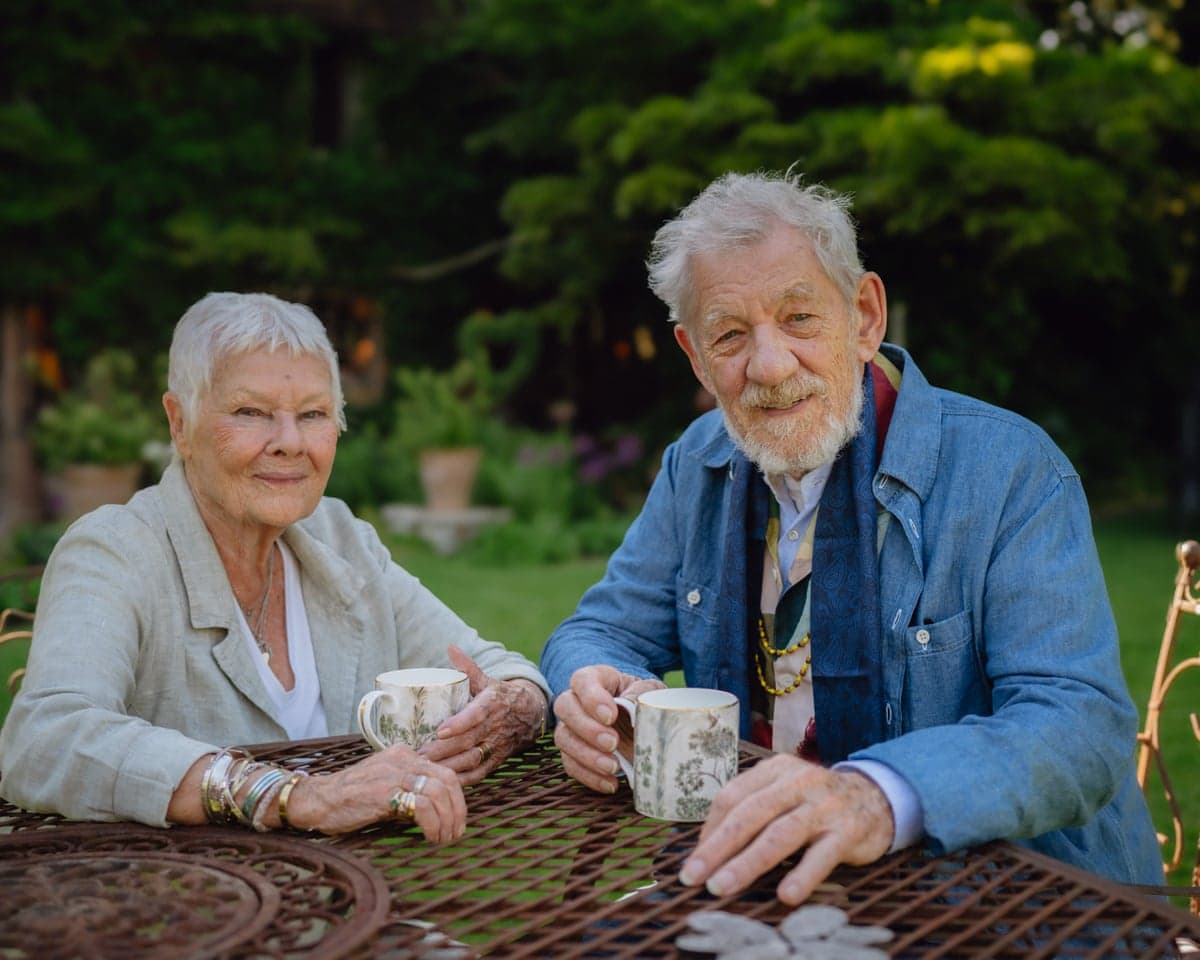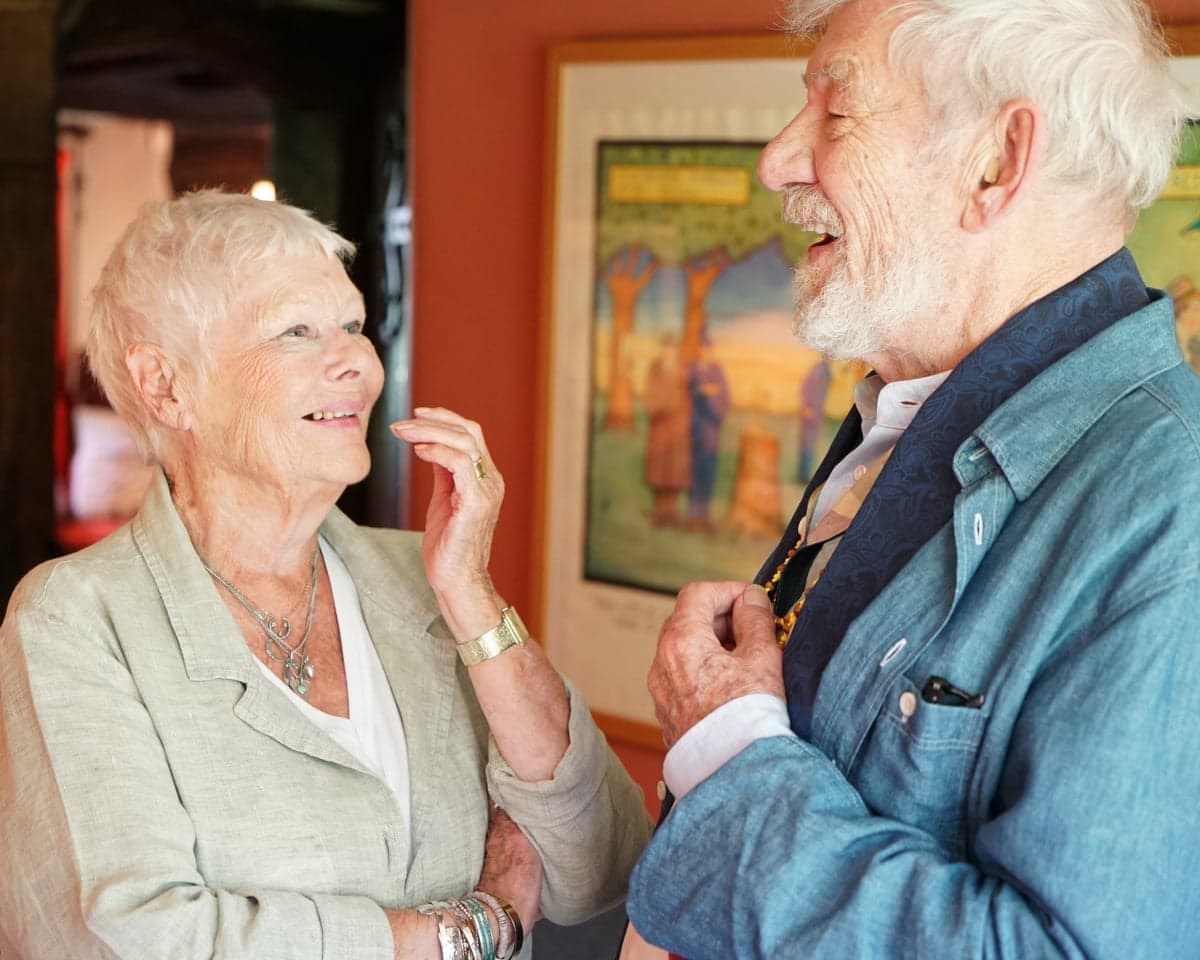
Two of Britain's most celebrated actors – 91-year-old Judi Dench and 87-year-old Sir Ian McKellen – sit down together for an intimate television special that captures five decades of friendship, theatrical memory and candid reflection on lives lived in service to the stage.
The programme opens with McKellen carefully navigating the flagstones leading to Dench's 15th-century Surrey home, a setting as warm and luminous as its occupant. He arrives bearing two varieties of parkin cake – one from Yorkshire, where Dench was born, and one from Lancashire, the region where McKellen spent his formative years before his time in Burnley, Wigan and Bolton. Over tea and cake, the pair embark on a journey through decades of shared theatrical experience, personal growth and the particular joys and sorrows that accompany a lifetime in performance.
McKellen begins by recounting his earliest theatrical encounters. At three years old, he saw Peter Pan, an experience that ignited a lifelong passion for theatre. He fell in love with pantomime and, as he reached school age, became aware of the professional actors working in his locality, harbouring dreams of joining their ranks. A scholarship to Cambridge University in 1958 transformed those dreams into something grander.
"I met all these boys and girls who were as crazy about the theatre as I was,"he recalls, and his ambitions expanded considerably. The cohort included Trevor Nunn, Corin Redgrave, Derek Jacobi, Miriam Margolyes and Clive Swift – a constellation of theatrical talent that would define a generation. When McKellen observes that seeing Jacobi's success made him believe it was possible for him too, Dench's throaty laugh and McKellen's devilish expression capture a moment of shared understanding that transcends the television screen.
Rather than pursue formal drama training, McKellen chose to begin earning his living immediately, taking roles in regional theatre productions across the country. His friendship with Dench began at Oxford Playhouse in 1967, when the two appeared together in a production of The Promise alongside Ian McShane. Over tea, they reminisce about the particular alchemy of theatrical performance – the moments when an actor saves a colleague from stage fright, the question of whether knowing friends sit in the audience helps or hinders a performance, and the way entire shows can subtly shift direction when a Peter Brook or a Laurence Olivier occupies a front-row seat. Both express a certain wistfulness about contemporary theatre, lamenting that today's performers often require microphones to project their voices, a dependency they view as a loss.
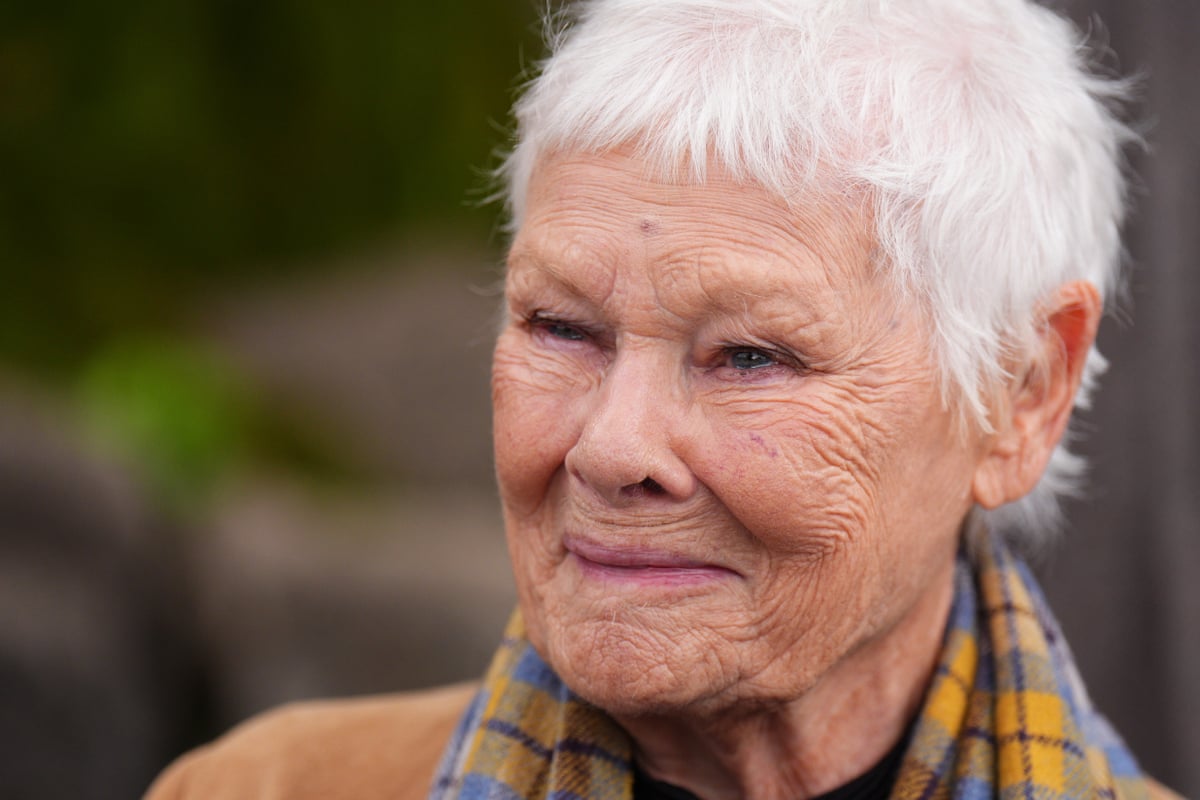
The conversation turns briefly to mortality. McKellen admits to contemplating death on a daily basis, while Dench firmly refuses to dwell on such matters. Yet she does reflect on her past with gratitude, observing that she looks back
"with a little bit of everything – but mainly thinking about how lucky I've been."

What performances define their legacies?
The programme intersperses their conversation with clips from their extensive body of work. McKellen's filmography receives particular attention, offering viewers glimpses of roles that extend far beyond his widely recognised turns as Gandalf and Magneto – roles he describes simply as
"Lovely jobs."The archive footage showcases his performances as Edward II and Coriolanus, his portrayal of Max in Bent, and a particularly striking collaboration with Dench in Trevor Nunn's austere 1976 RSC production of Macbeth, filmed by Philip Casson for Thames Television in 1978. These clips are tantalisingly brief, leaving viewers hungry for more extended exposure to performances of such calibre. McKellen notes that the set and costumes for the Macbeth production cost just £250 – a figure that underscores both the resourcefulness of theatre-makers of that era and the gulf between theatrical ambition and financial constraint.
An anecdote from the Macbeth run illuminates the religious controversy that occasionally surrounded McKellen's work. A man of the cloth attended multiple performances, sitting in the front row and holding aloft a crucifix throughout. McKellen had always assumed the gesture was protective – a shield for the actors on stage. Dench, by contrast, suspected the man was protecting himself. When McKellen hears this interpretation, his face falls slightly, revealing the optimistic temperament that underlies his public persona.
How has McKellen's activism shaped his life?
The programme addresses McKellen's decades-long commitment to gay rights advocacy with grace and restraint. A particularly poignant moment arrives when the conversation turns to his appearance on the television programme Wogan in 1988, where he spoke with eloquence and clarity about the implications of Section 28 – legislation that prohibited the promotion of homosexuality in schools. That interview, captured in archive footage, now feels like a transmission from a distant historical period.
More affecting still is McKellen's recollection of a letter his father wrote to him on his 21st birthday. The letter, McKellen reflects, may have contained an unspoken question – an opening for McKellen to share something important about himself – coupled with an assurance of unconditional love. Both of McKellen's parents died before he felt able to come out publicly. The uncertainty of what his father might have understood, or hoped to understand, haunts him still. As he reads aloud from Armistead Maupin's Letter to Mama, a work that speaks to the complex relationship between parents and gay children, the emotional weight becomes almost unbearable. The moment achieves what the programme's title promises: it moves viewers to tears – not gentle tears, but what the critic describes as
"thunderous tears."
What makes this television special distinctive?
There are moments when viewers may find themselves wishing the format had been expanded – perhaps into a longer conversation over a meal or a drink, though McKellen himself no longer consumes alcohol, a fact that visibly surprises Dench. Two actors of this calibre, when placed together, typically generate anecdotes of remarkable quality and depth. The programme occasionally feels as though it is merely skimming the surface of stories that could sustain far longer exploration. Yet there is something to be said for the restraint on display here – the decision to honour lives well lived, contentment hard-won, and the tears shed along the way, without demanding that every moment yield a perfectly formed narrative or a laugh.
The special serves as a testament to enduring friendship forged in the crucible of theatrical training and professional collaboration. It captures two artists at an age when reflection becomes natural, when the arc of a life can be surveyed with something approaching completeness, and when the bonds formed decades earlier have only deepened with time.