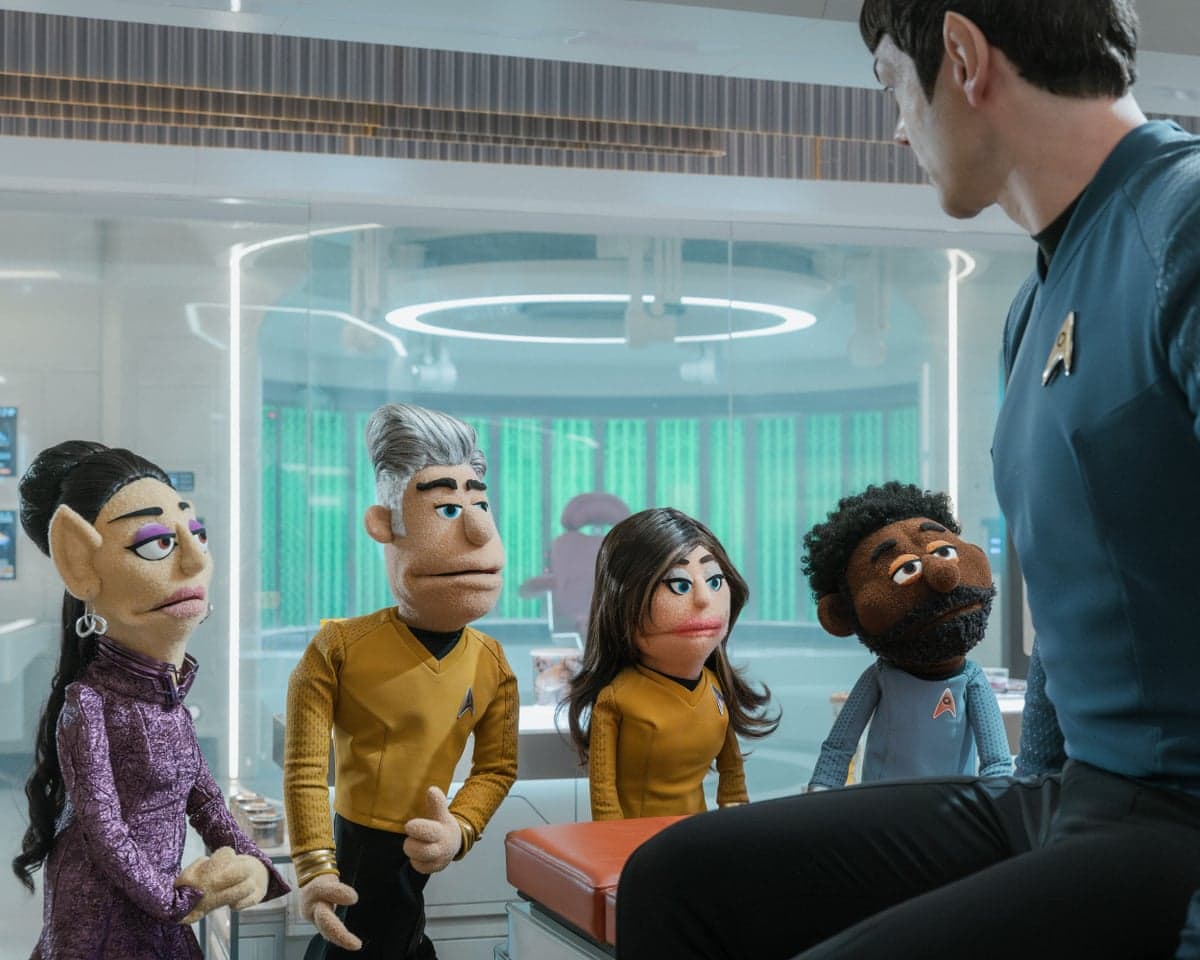
Star Trek has remained a puppet-free zone for nearly six decades, but that changed on 20 August 2026 when the latest episode of Strange New Worlds premiered on Paramount+. The episode, titled Level-Five Transporter Accident, marks a major creative departure for the franchise, transforming most of the Enterprise crew into fabric-and-felt characters while Spock fights to reclaim the ship following a transporter malfunction.
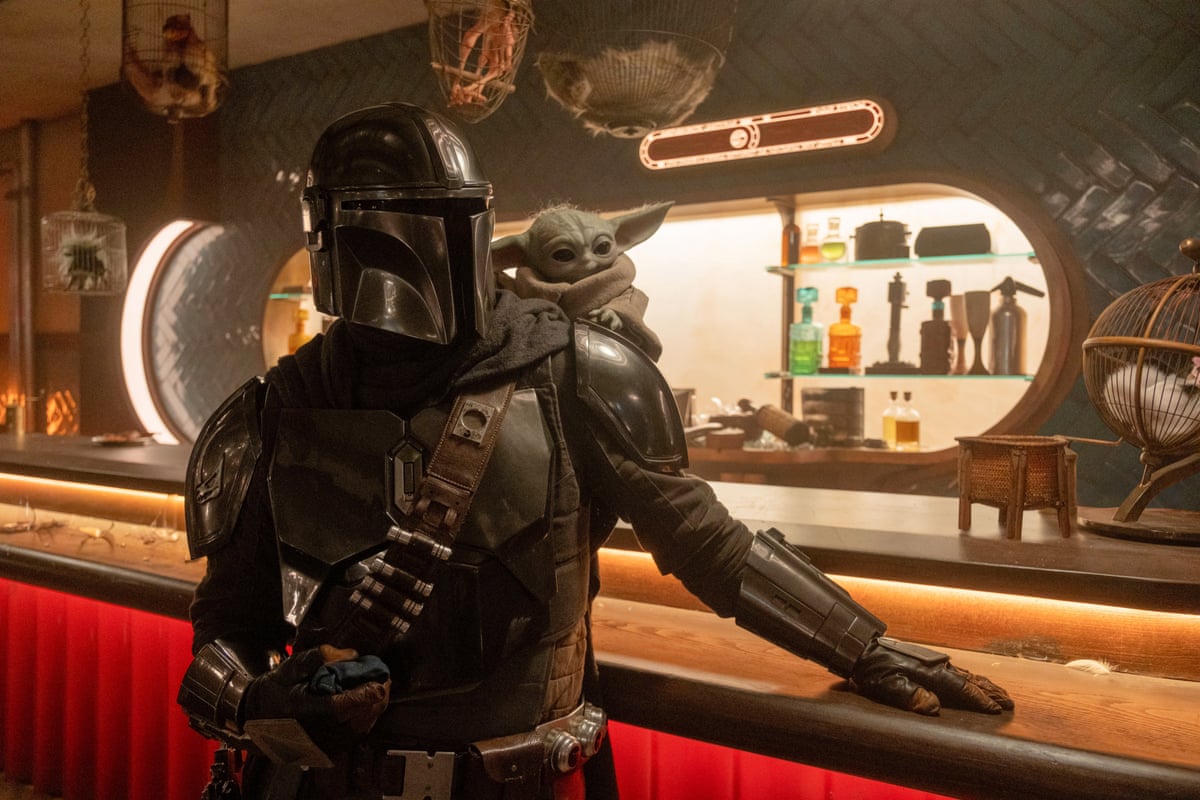
The episode represents one of the franchise's boldest swings in recent memory. While Star Wars has embraced practical puppetry since the 1970s—from Yoda in The Empire Strikes Back to the beloved Grogu in The Mandalorian—Star Trek has historically relied on makeup and prosthetics to bring its alien characters to life. The puppet work for this episode was handled by Jim Henson's Creature Shop, the legendary studio behind some of cinema's most iconic characters.
Why did Star Trek finally turn to puppets?
Showrunner Henry Alonso Myers explains that the decision stemmed from a desire to push the series into unexplored territory.
"Doing a puppet episode is a TV concept. One of the things we try to do on Strange New Worlds is go for big swings that haven't been done before in Star Trek."The show has already ventured into unconventional territory with an all-singing, all-dancing musical episode called Subspace Rhapsody and a part-animated instalment titled Those Old Scientists.
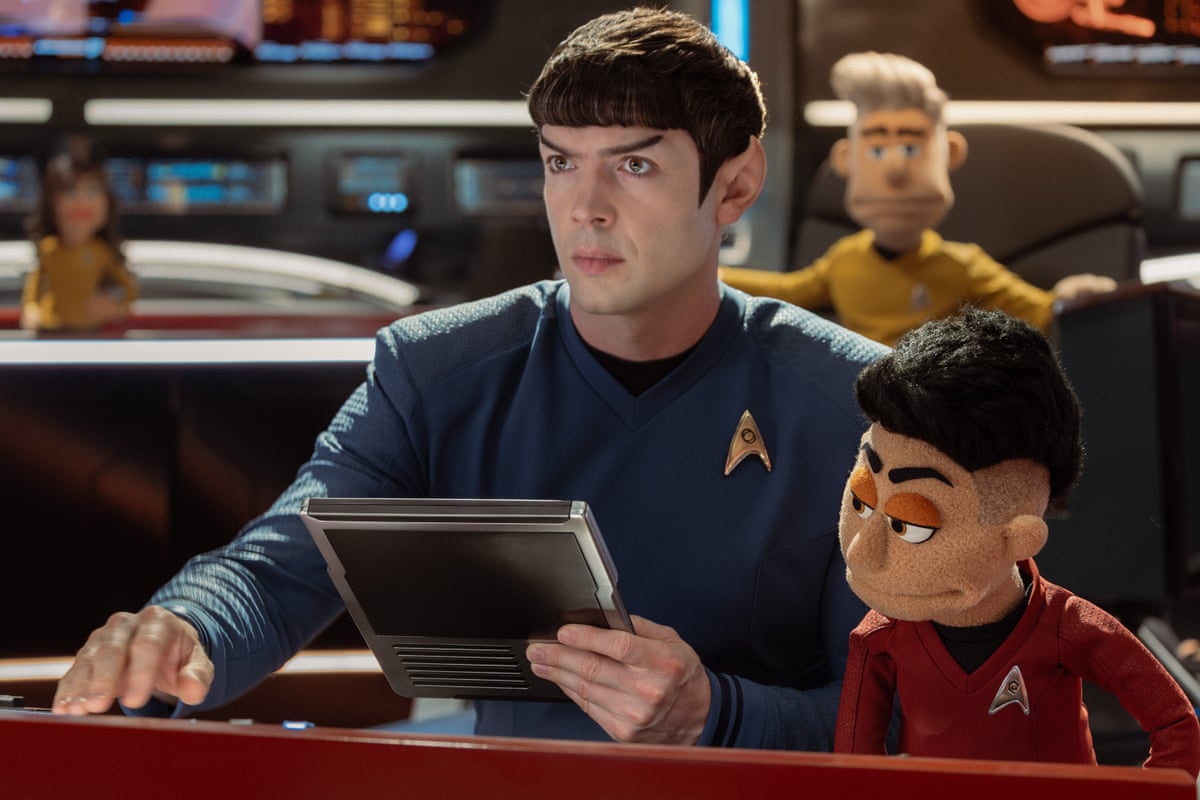
Myers consulted with Jeffrey Bell, a former showrunner on Angel, who had overseen the fan-favourite episode Smile Time, in which the protagonist was transformed into a puppet. However, Myers inverted that concept for Strange New Worlds, keeping Ethan Peck's Spock in his familiar form while rendering the rest of the crew as chaotic puppet versions of themselves.

Why is Spock the perfect character for this scenario?
The choice to keep Spock as the only crew member in his original form was deliberate.
"Spock was the obvious character to run into this problem because he's so logical."Director Jordan Canning reinforced this reasoning, noting that
"Spock was 100% the right choice. He's the ultimate straight man."Having a composed, rational character react to the chaos of his transformed colleagues creates natural comedic tension while maintaining the episode's emotional core.
How does puppetry compare to other sci-fi approaches?
Star Wars embraced practical puppetry from its inception, creating a tangible, lived-in quality that distinguished it from other science fiction of the era. Brian Herring, the British puppeteer who operated droid BB-8 in the recent Star Wars films, explains that
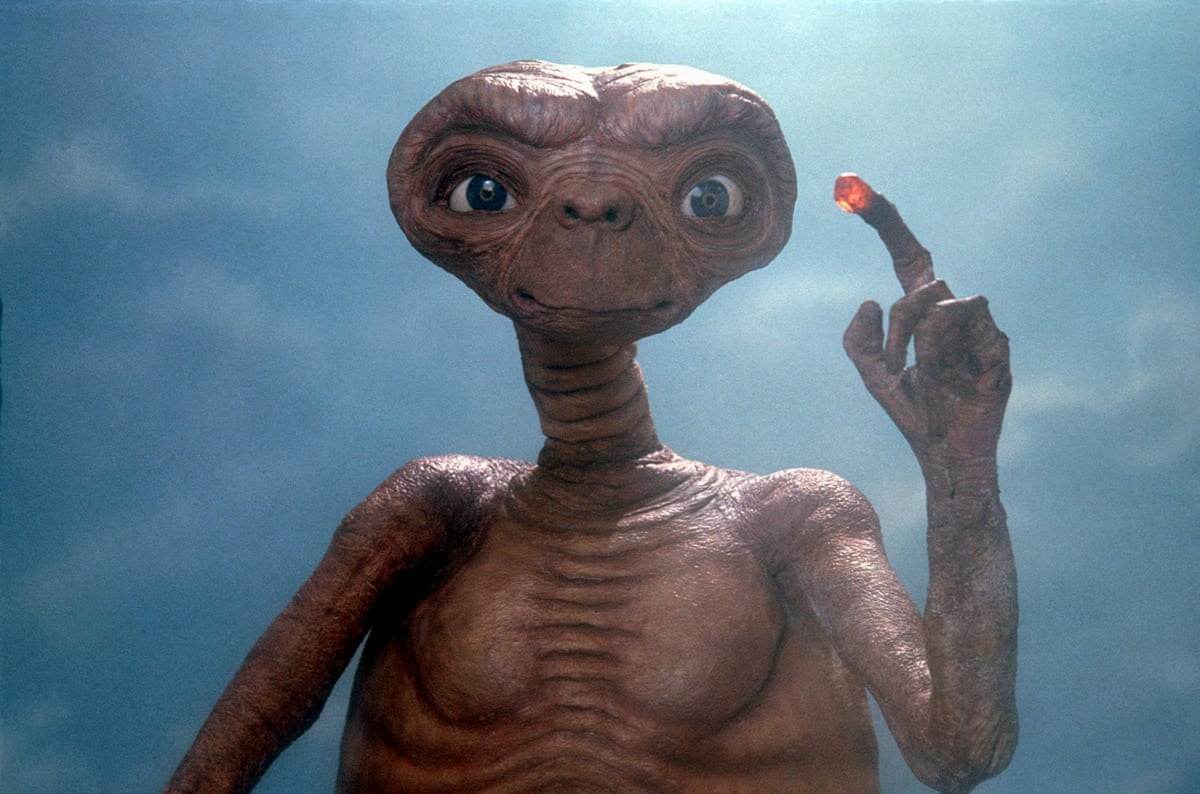
"The Star Wars universe has a very tangible, lived-in quality, which was different to a lot of science fiction at the time. Back in the 70s and 80s, George Lucas was using every trick in the book to populate that universe, and that included puppets as well as people in creature suits."This approach extended to iconic characters like ET and the creatures in Gremlins and Little Shop of Horrors.
By contrast, Star Trek made an early commitment to heavy prosthetic makeup. According to Dr Chris Nunn, assistant professor of film at the University of Birmingham,
"Star Trek made a big commitment to makeup early on. So aliens would typically be played by human actors under heavy prosthetic masks, and that trend has continued."This distinction has persisted throughout the franchise's history, making the puppet episode a genuine watershed moment.

What makes working with puppets easier for actors?
Strange New Worlds uses a giant LED screen known as the Volume rather than constructing physical sets, a technology that demands actors excel at working with their imaginations. However, director Canning found that the presence of skilled puppeteers actually simplified the process.
"The Star Trek cast are amazing at working with their imaginations. But when you have great puppeteers, you don't really have to work at it. You can't help but feel connected to those characters."
Myers concurred, emphasizing the value of physical interaction.
"The fact that Ethan is physically interacting with the puppets, not just looking at a tennis ball on a stick, makes the whole thing feel more real."This principle mirrors the approach taken in the film Project Hail Mary, where actor Ryan Gosling reacted to a practical alien character rather than a post-production effect, lending authenticity to their on-screen relationship.
What is the experience like for puppeteers working with major actors?
The Mandalorian demonstrates how puppets can become the true stars of a production. The character Grogu, operated by puppeteer Dawn Dininger and four colleagues, has achieved such iconic status that the recent film spin-off was retitled The Mandalorian and Grogu to reflect the puppet's prominence. Despite being the one controlling the character, Dininger notes that
"The actors always forget that he's a puppet. They just think he's a baby and start rocking him and playing with him. They never talk to us, even though we're the ones controlling him. They forget we're there."
This dynamic has created unexpected moments of celebrity awe. When acclaimed actor Sigourney Weaver appeared opposite Grogu on set, the tables turned: the A-list performer became starstruck by the puppet. Dininger recalls:
"It's like tagging along with a famous person! Nobody knows who you are, but they all know him, and they get excited as soon as they see him on set. I was under the table thinking, I can't believe I'm interacting with Sigourney Weaver. Then afterwards I asked if I could get a photo, and she was like, 'Well, yeah. Because I need a photo with Grogu.' She couldn't get over him. It was really cute."

How has the Star Wars franchise's approach to puppetry evolved?
The prequel trilogy of the late 1990s marked a departure from practical puppetry, with heavy reliance on green screen and computer-generated imagery. Most controversially, the character Yoda was replaced mid-trilogy by a digital version that performed acrobatic feats impossible for a practical puppet. As Nunn recalls,
"Suddenly Yoda's jumping around. That was kind of freaky for those of us who grew up with the puppet."
By the time of the sequel trilogy, however, filmmakers returned to practical craftsmanship. Nunn observes that
"We see elements of physical craftsmanship, and I don't think that's rooted entirely in nostalgia. I think it's also about the film-maker saying, 'I really care about this.'"This shift reflects a broader industry recognition that tangible, practical effects create deeper emotional connections with audiences.
What happens next for Star Trek's puppet experiment?
The puppet episode is now streaming on Paramount+, with new episodes releasing on Thursdays. The next instalment is scheduled for 27 August 2026, continuing the season's weekly rollout.
Whether Star Trek will return to puppetry remains uncertain. The franchise faces an extended production hiatus as Paramount and Skydance complete their merger. However, director Canning expressed enthusiasm about the puppets' future.
"They're in storage. Those puppets will always exist. I would love to get them out again and make some short films or a web series or something. If the fans like it, let's get them out again. Let the puppets play!"