Peter Medak, the British-Hungarian filmmaker behind The Changeling, The Krays and Let Him Have It, has died aged 88. His family announced the death took place in Los Angeles on 28 October 2026. According to The Guardian, Medak died peacefully, though no cause was disclosed.
Over six decades, Medak helmed 27 feature films alongside extensive television work, establishing himself as a versatile craftsman across horror, true-crime drama, and prestige television. His career encompassed everything from 1970s adaptations of celebrated stage plays to episodes of acclaimed series including Homicide: Life on the Street, The Wire, House and Breaking Bad.
Born in Hungary in 1937, Medak fled the country during the Hungarian uprising and settled in London. His aunt, Lotte Medák, was an internationally renowned opera singer whose professional connections opened doors for the young filmmaker. He began his career at newsreel producers Associated British-Pathé, progressing through various studio departments and spending time in the editing room alongside Hugh Hudson, who would later direct Chariots of Fire. Medak subsequently served as assistant director to theatre legend Joan Littlewood on Sparrows Can't Sing and to Guy Hamilton on Funeral in Berlin before making his feature directorial debut in 1968 with the erotic thriller Negatives, which starred Peter McEnery and Glenda Jackson.
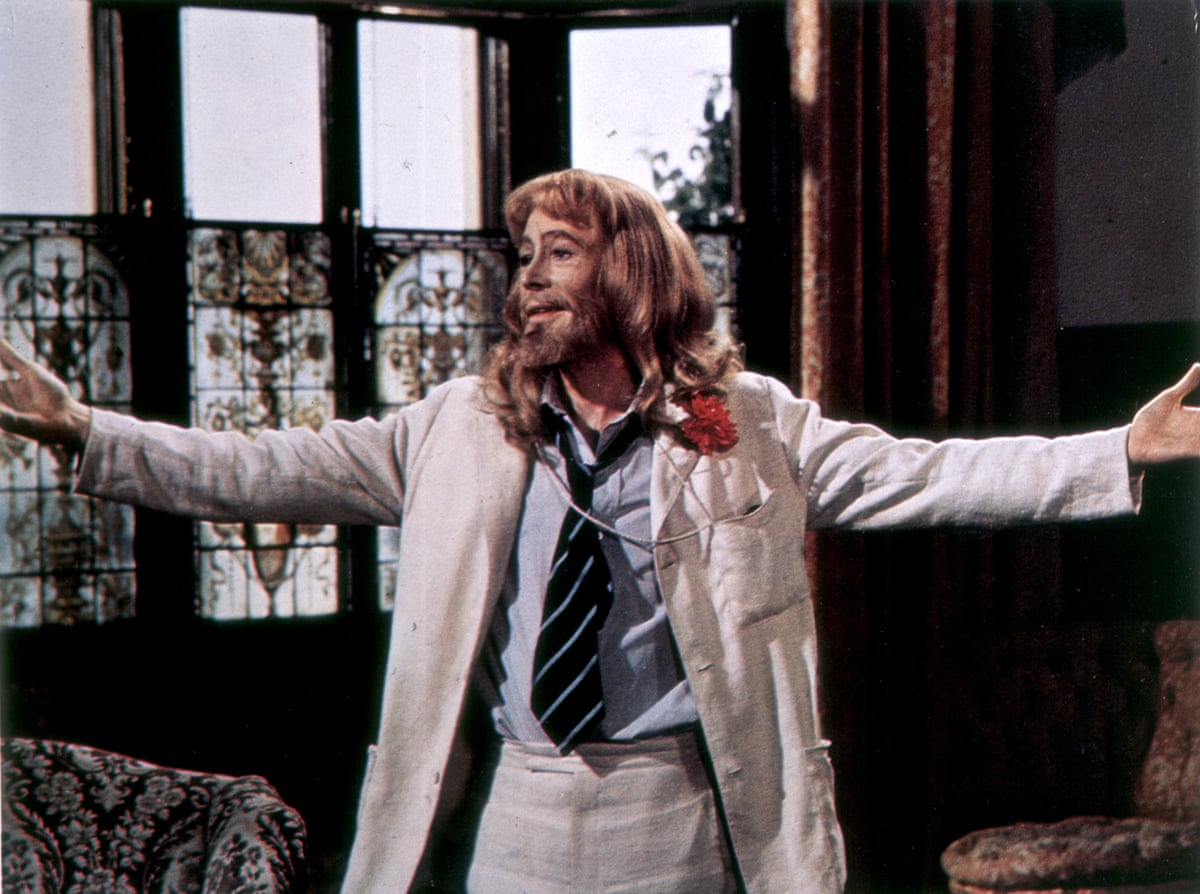
His early feature work demonstrated considerable range. In 1972, he adapted two celebrated stage plays: Peter Nichols' A Day in the Death of Joe Egg, featuring Alan Bates, and Peter Barnes' The Ruling Class, with Peter O'Toole in a performance that earned an Academy Award nomination for best actor. Both productions were well received upon release.
Two years later, Medak encountered a significant setback with Ghost in the Noonday Sun, a comedy that spiralled vastly over budget, partly owing to star Peter Sellers' unpredictable behaviour. The film remained unreleased theatrically for more than a decade, appearing only on home video. Medak later created a documentary examining this troubled production, which screened at the Venice Film Festival in 2018.
He recovered his standing with The Odd Job, a Graham Chapman comedy, before achieving a major critical success with The Changeling in 1980. This atmospheric horror film, centring on a composer who rents a house haunted by tragic history and starring George C Scott, proved influential in the genre. Martin Scorsese later named it among his favourite films, describing it as filled with sadness and dread.
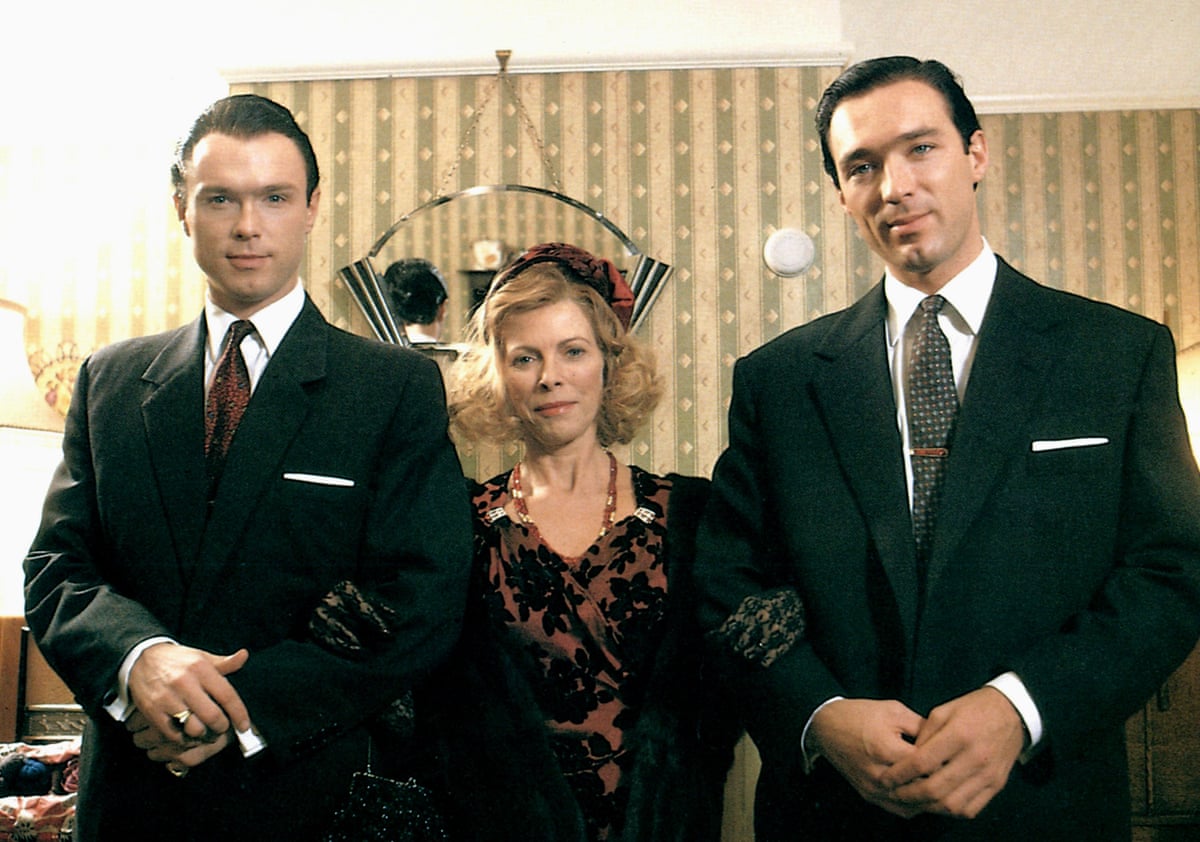
Following guest work on Shelley Duvall's anthology series Faerie Tale Theatre and the 1980s revival of The Twilight Zone, Medak returned to features with two high-profile British crime thrillers. The Krays, released in 1990, cast Spandau Ballet members Gary and Martin Kemp as the notorious twin gangsters. Let Him Have It, which followed, dramatised a controversial 1953 case in which 19-year-old Derek Bentley was executed for the murder of a policeman despite not firing the fatal shot.
The screenwriting team behind the James Bond films Skyfall and No Time to Die, Neal Purvis and Robert Wade, collaborated with Medak on their first produced script, Let Him Have It. They reflected on the experience in a statement to The Guardian:
Peter directed our first film and we couldn't have hoped for a kinder, more respectful collaborator. It was wonderful to be treated as equals by this very experienced film-maker, who was enjoying a resurgence in his film career after the exciting and surprising The Krays. He was a good friend and we will miss the lunches and the talk of all the future projects he still burned to make.
Medak returned to Hollywood in 1993 with Romeo Is Bleeding, a thriller starring Gary Oldman. He subsequently shifted focus toward television, directing six episodes of the acclaimed police procedural Homicide: Life on the Street beginning in 1994. His later television credits expanded to include episodes of The Wire in 2002, House, and Breaking Bad, demonstrating his continued relevance across multiple decades and genres.
Actor Malcolm McDowell, who worked with Medak early in his career on Figures in a Landscape, paid tribute to the director, calling him one of his oldest and dearest friends and recalling how Medak's casting decision helped launch his acting career.
Medak was married three times: to Katherine La Kermance from 1963 to 1972, to Carolyn Seymour from 1973 to 1984, and to Julia Migenes from 1988 to 2003. His survivors include four children—Christopher, Joshua, Karen and Cornelia—and five grandchildren: Sacha, Marlowe, Ryden, Oliver and Anders.