A National Geographic-backed documentary following mountaineers Jim Morrison and Hilaree Nelson as they pursue an audacious goal—becoming the first people to ski down Everest's north face—Everest: The Other Side combines breathtaking cinematography with uncomfortable ethical questions about extreme mountaineering. According to The Guardian, the film premiered out of competition at the Venice International Film Festival on September 3, 2026, and opens in cinemas and IMAX on October 30, 2026. The 115-minute documentary, rated PG-13 for thematic material and brief strong language, is directed by the husband-and-wife team of Jimmy Chin and Elizabeth Chai Vasarhelyi, who themselves grapple with questions of risk and responsibility throughout the film.
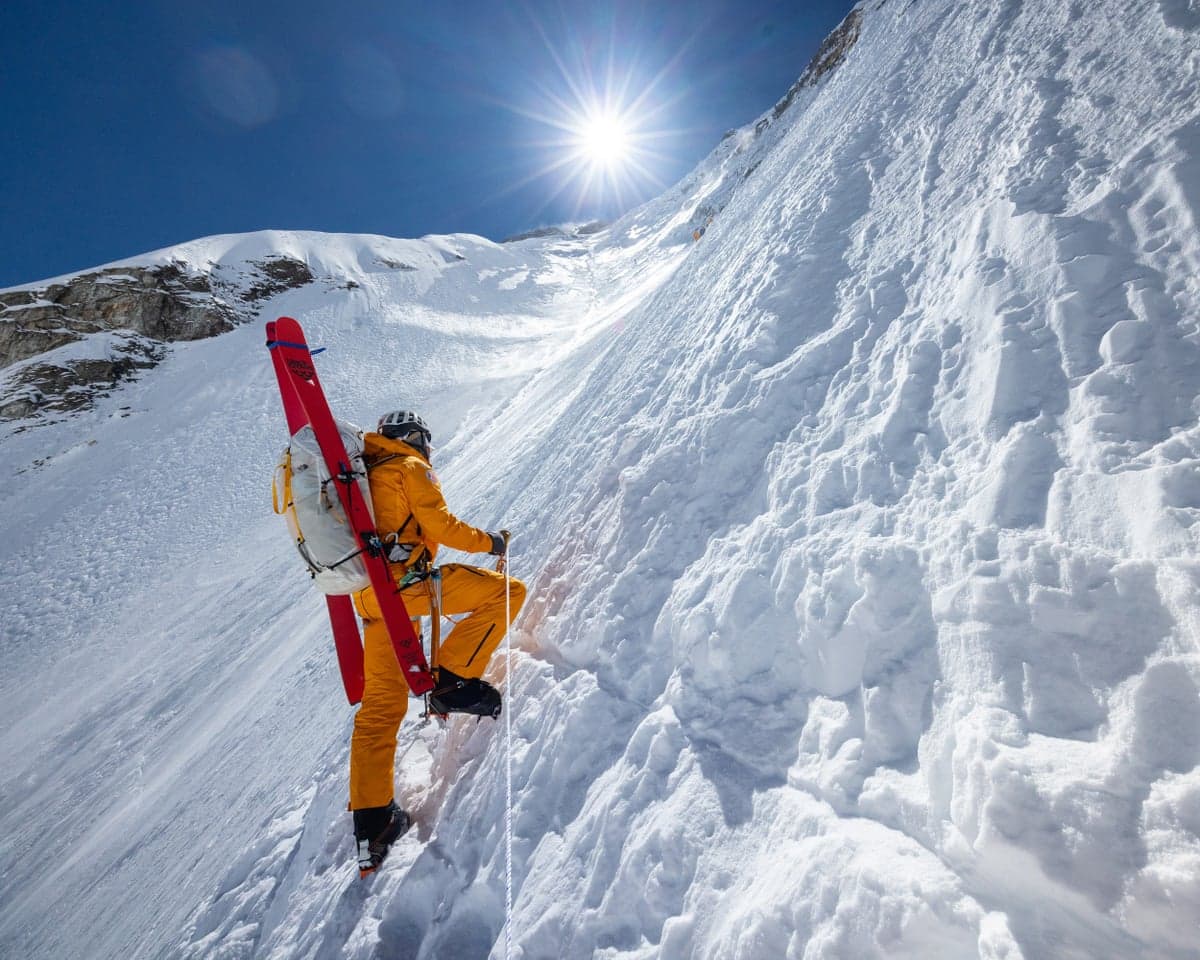
Presented in IMAX format at select venues, the film harks back to the early era of large-format cinema when spectacle and scale dominated the screen, transforming footage of natural-world wonders into an immersive experience. Viewers with a fear of heights or susceptibility to vertigo may find the experience overwhelming. The documentary sustains tension throughout its running time as it follows the climbers ascending Everest's steeper, far less travelled north face before they undertake the hazardous descent by ski—a choice the film never fully explains.
Who are the climbers at the film's centre?
Morrison, described as an amiable figure, exemplifies the mindset of extreme-sports enthusiasts who feel compelled to pursue activities carrying grave danger that, if things go wrong, would require rescue operations putting others at risk. Nelson shares his passion for mountaineering and high-altitude adventure. The two set out to achieve a historic first, with the opening third of the documentary tracking their planning and practice runs toward this objective. Neither climber articulates a fully convincing rationale for their chosen risk. Nelson attempts to frame her mountaineering life as a legitimate career choice that her two teenage sons should accept and perhaps even respect—despite the reality that injury or death would leave them and Morrison (who is not their biological father) to manage the consequences.
What moral questions does the film raise?
The documentary confronts ethical dilemmas more directly than most mountain-climbing films. The filmmakers, who appear on screen to discuss their own feelings about risk and reward, do not shy away from the tension between personal ambition and responsibility to others. The film also includes thoughtful sequences featuring the various Nepalese guides who support Morrison and Nelson's expedition. These local men have spent their lives climbing these mountains not out of passion but necessity—they possess far fewer career alternatives than the western tourists who arrive with camera crews, outfitted in brightly coloured, prominently logo-bearing sports equipment.
How does the cinematography serve the story?
The visual execution is pin-sharp, achieved through advanced lens technology and drone cinematography. However, the lurid palette of the climbers' branded equipment becomes visually distracting during mountain sequences; viewers seeking to absorb the stunning landscape must train their eyes to look past the fluorescent jackets obstructing the view. The cinematography itself is not at fault, but the ethics surrounding the expedition—and the commercial interests embedded within it—present a far murkier picture than the pristine mountain vistas suggest.
What was the outcome of the expedition?
Jim Morrison completed the North Face ski descent in 2025, linking the Hornbein and Japanese Couloirs, with filmmaker Jimmy Chin accompanying him on the successful attempt. Only five people had reached the summit via Everest's north face before Morrison's expedition, and no one had successfully skied down it. However, the documentary carries the weight of tragedy: Hilaree Nelson died in a 2022 avalanche on Manaslu while the pair were waiting to attempt Everest; Morrison recovered her body two days later. This loss infuses the film with a poignancy that transforms it from a simple record of achievement into a meditation on the costs of ambition.
How was the film made?
Director Elizabeth Chai Vasarhelyi noted that the film took six years to make and represented the most technically complex and personally challenging project of her career. The extended production timeline reflects both the logistical demands of filming at extreme altitude and the emotional complexity of documenting a story that unfolded across years and included profound loss.
When does the film open?
The film opens in cinemas and IMAX on October 30, 2026, offering audiences an immersive experience of one of mountaineering's most audacious and morally complicated expeditions.