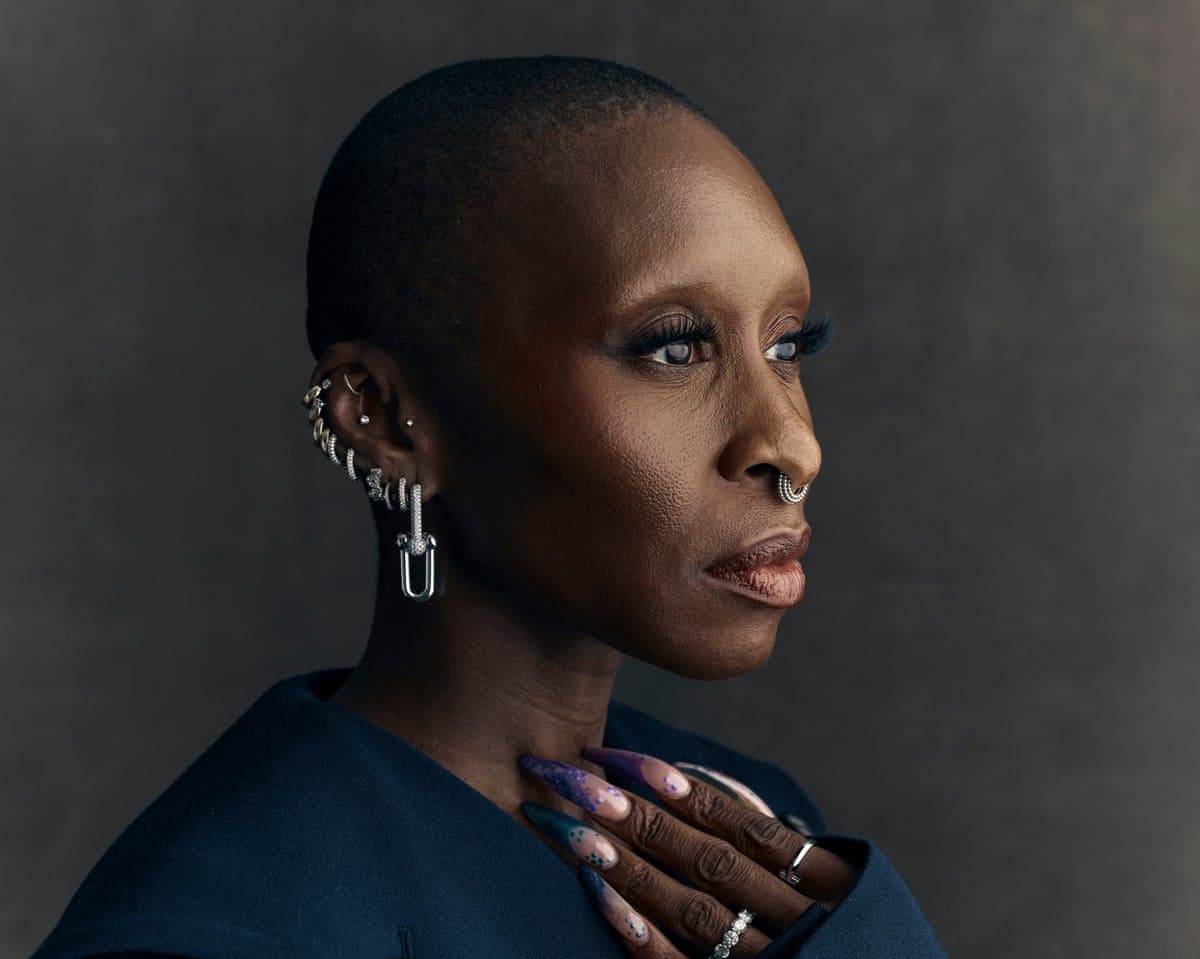
Cynthia Erivo has arrived in London to promote her new legal drama Prima Facie, an adaptation of Suzie Miller's one-woman play about sexual assault. In the film, she portrays Tessa, a formidable barrister skilled at defending men accused of sexual violence—until she herself becomes a victim of rape by a colleague, and her world collapses. According to The Guardian, Erivo has been speaking about the film's potential to reshape conversations around consent and the British justice system's treatment of sexual assault survivors.
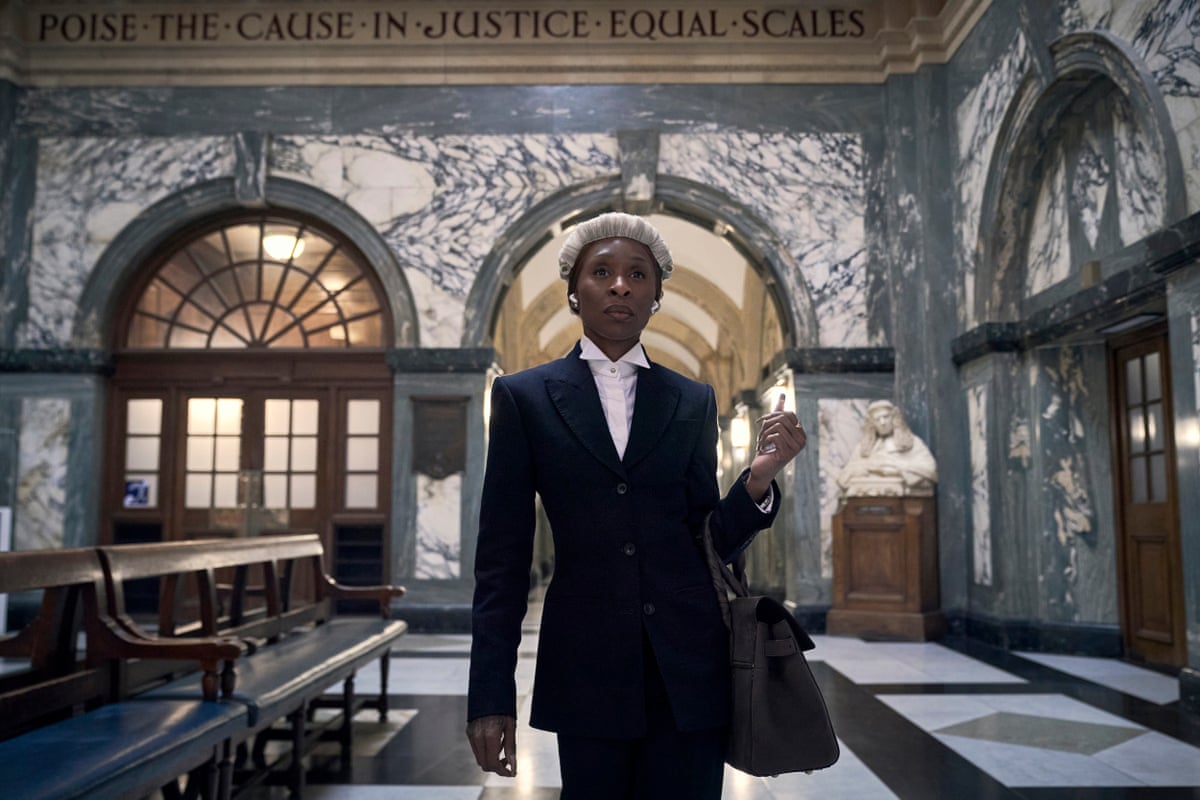
The film, directed by Susanna White and adapted by Miller, features a supporting cast including Daniel Ings, Noma Dumezweni, Toheeb Jimoh and Simon Russell Beale, with Erivo also serving as an executive producer. Screen Australia reports that the 90-minute feature premiered at the Toronto International Film Festival on 13 September 2026 and has been selected for the BFI London Film Festival. The film was shot in London during 2025, including at the Old Bailey and Lincoln's Inn, with post-production work completed in New South Wales.
What does the film reveal about the justice system?
Tessa's journey exposes the brutal machinery of British law when it comes to sexual assault cases. According to Rape Crisis, one in four women face sexual assault, yet only 2.7% of reported rapes result in charges being brought. As a defence barrister, Tessa had mastered the art of raising inconsistencies in victims' testimony, making conviction almost impossible. When she becomes a victim herself, she discovers how traumatic recall works—or rather, how it fails—and how lopsided the system truly is.
Erivo explains that Tessa does not grasp the difficulty of her own position until she is on the other side of the courtroom.
"I don't think she realises that until she's on the other side. I think it's only then she realises what she's been asking other people to do – when it comes to recall – is actually impossible."Miller, a former barrister herself, conceived the play from her realisation that winning a sexual assault case is nearly impossible within the current legal framework.
How does Erivo define consent?
When asked about the film's potential impact, Erivo emphasises that one of the major issues is how society understands consent.
"We have had judges see it, we've had lawyers see it, [but] one of the major issues is the way we view consent,"she says.
"I hope that as this film filters out, we start to have a conversation not just among us as people, but within law."
Erivo believes the definition of consent has become unnecessarily vague.
"I think we're very wishy-washy when it comes to what consent is, when we shouldn't be,"she explains, leaning forward.
"It's very clear what consent is: if a person isn't conscious, or conscious enough to say yes, they're not saying yes. If a person doesn't say yes, they don't say yes. If the body language doesn't say yes, they don't say yes."For Erivo, clarity on this fundamental question could reshape how the legal system handles sexual assault cases.
How does Tessa's rise mirror Erivo's own journey?
Tessa's ascent through the legal ranks as a working-class Black woman parallels Erivo's own trajectory through the West End, Broadway and Hollywood. After arriving at the Royal Academy of Dramatic Art (Rada), Erivo navigated a world steeped in tradition and privilege—experiences foreign to her upbringing in south London. When asked what that was like, she offers a single word:
"Hard."
While her classmates with financial means could simply attend classes, Erivo held down three jobs, including every imaginable role at the Stratford East theatre.
"I was exhausted all the time,"she recalls.
"We're in the classes, and it's a Monday; I've worked all day on a Sunday, and probably done a gig at night, and I've come in. I'm falling asleep in class, so people were like: 'She doesn't care.'"
One incident crystallised the institution's disconnect from financial reality. Erivo was offered a backing singer role with Westlife lasting two weeks and paying £10,000—enough to cover years of tuition. When she approached the registrar seeking permission to take the time off, she was told:
"'No, you can't. If you go, you leave. If you stay, you stay.'"This experience revealed what Erivo describes as a
"deep misunderstanding of what it is like to need money"at Rada, something she is now working to address in her role as vice-president of the institution since 2024.
"I want it to be different,"she says.
"Rada is not an easy place to go to school. It asks a lot of you. If you're a kid who is just really talented, but you've not picked up a Shakespeare before, you now have to learn a new language. If you've never read a Greek before, now you have to understand what anything means with the Greeks. That's a big shift from doing plays at school."
How did Erivo reclaim her voice after Rada?
James Norton, who was in Erivo's year at Rada, has recalled how she would occasionally burst into song—a habit she had maintained since her school days in Clapham, where she performed Brandy and Monica's The Boy Is Mine in the playground.
"The room would go completely silent,"Norton remembered, unsurprising given that despite standing just over 5ft tall, Erivo possesses a commanding voice capable of both the grandstanding volume required for musical theatre and the subtler demands of R&B.
In her forthcoming memoir, Erivo describes being asked at Rada to sing parts for a white student who was ill, only to have someone else mime along to her voice.
"The powers that be took my voice away and gave it to someone else,"is how she characterised it. In 2020, Rada apologised for institutional racism and later published an anti-racism action plan developed alongside Erivo.
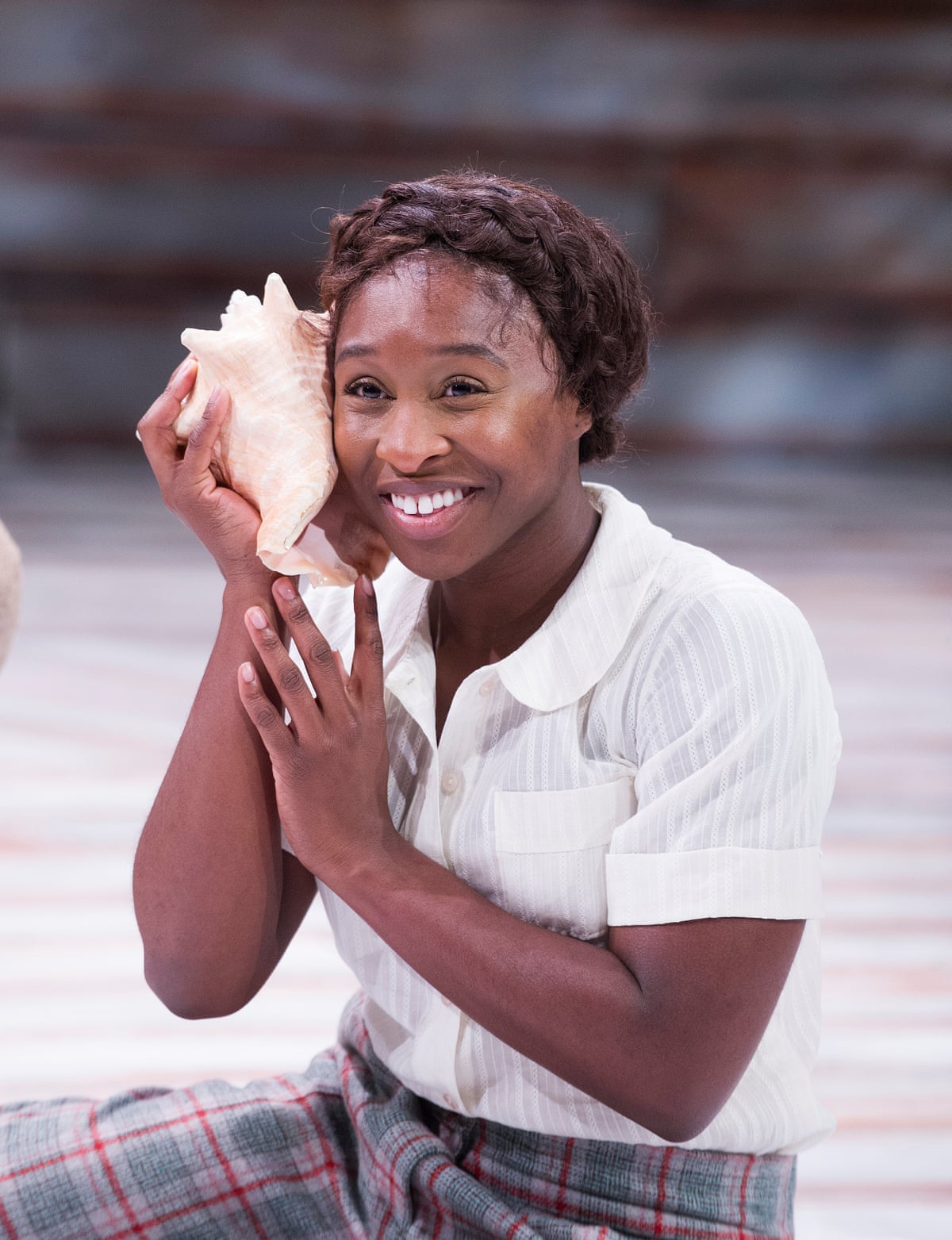
After leaving Rada, Erivo set about reclaiming that voice through stage work, including a star-making Broadway turn in 2015 as Celie in The Color Purple. The New Yorker's Hilton Als attended the production without high expectations—he had been disappointed by the film adaptation—but found Erivo's performance revelatory.
"It was like listening to Judy Garland when she first started out,"he told the interviewer.
"She keeps you marvelling at what is surely a God-given talent."Erivo reflects that the show was transformative.
"The Color Purple was one of those moments where I went from a jobbing actress and just pleased to be there to someone who was known for this particular piece. My life looked different after that."
How did Hollywood notice Erivo?
Before Broadway, Erivo had appeared in fleeting television roles in Michaela Coel's Chewing Gum and Mr Selfridge, but her trajectory shifted decisively in 2018 when she starred in Steve McQueen's adaptation of Lynda La Plante's all-female heist story Widows. The film caught Hollywood's attention, leading to roles as two African-American icons: soul star Aretha Franklin and abolitionist activist Harriet Tubman.
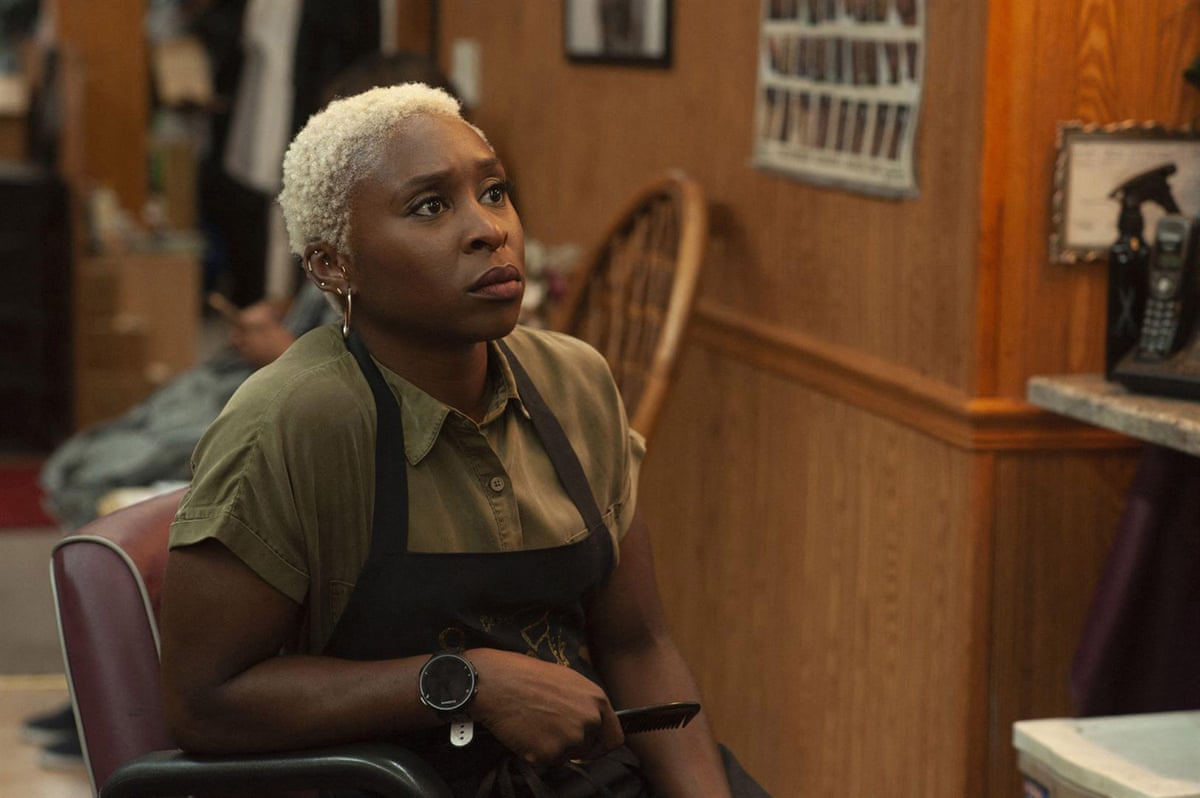
The Tubman casting, however, triggered significant backlash. Some critics argued that because Erivo is British-Nigerian, the role was
"disrespectful to African Americans"and part of a broader pattern of Black British actors—including Daniel Kaluuya, who played Fred Hampton in Judas and the Black Messiah, and David Oyelowo, who played Dr Martin Luther King in Selma—securing roles some felt should go to Black American performers.
The criticism stung, and at the time Erivo responded:
"Before I'm British, I'm a Black woman. The first things people see are the colour of my skin and my sex."Nearly a decade later, when asked if her views have shifted, she answers almost before the question is complete:
"I still think it's happening,"she says.
"And I think it's a waste of everyone's time."
"I think we could all just sit in a room and be like: 'OK, so what's the problem? What's going on? How do we fix this? How do we stop doing this?' Because nobody else does this. Nobody else is having this conversation. The Australians and the Americans and the English white folk are not having this conversation. They don't care."When asked whether she has sympathy for arguments that African Americans face more systemic disadvantages than some other Black immigrant groups in the US, she responds:
"I have empathy,"she says.
"But I also think that it's hard for a Black English kid from London to also make it."
What happened with Wicked and Ariana Grande?
Erivo's career reached new heights following the release of Wicked: For Good in 2025, the sequel to the 2024 adaptation of the long-running Wizard of Oz musical. The heartwarming story of friendship between Ariana Grande's good witch, Glinda, and Erivo's bad witch, Elphaba, became the highest-grossing movie adaptation of a stage musical. For Erivo, it marked another milestone, catapulting her into the upper echelons of fame.
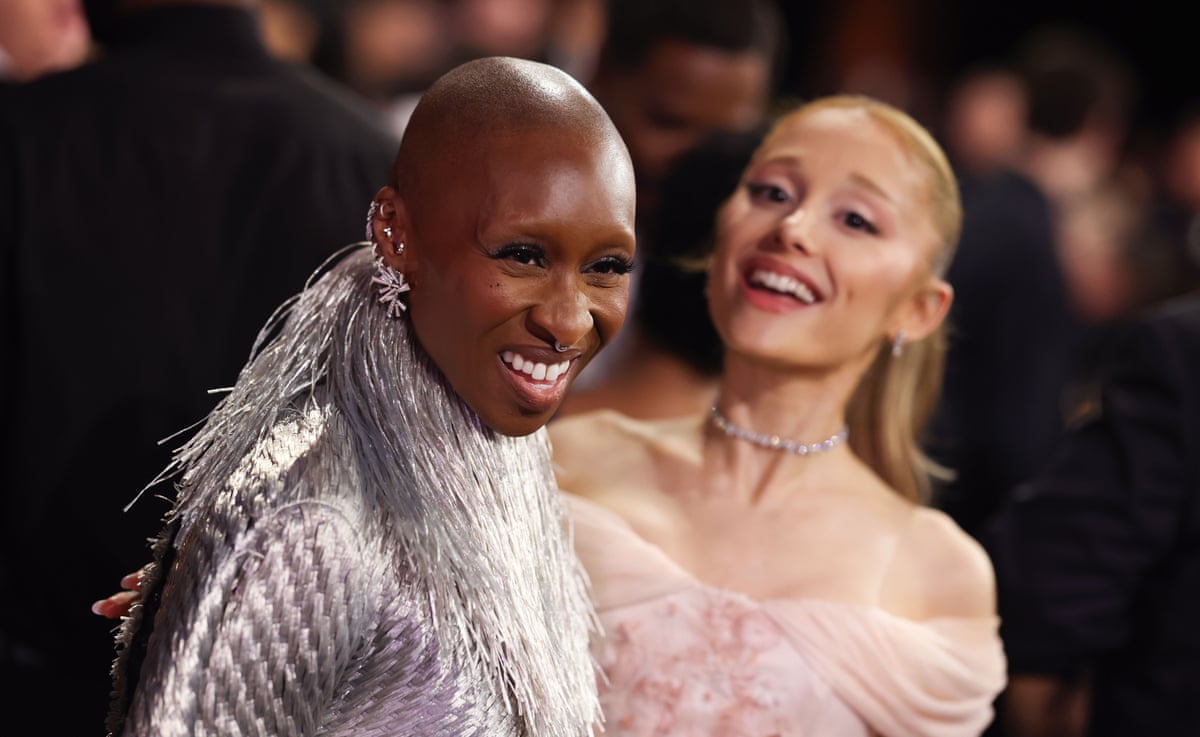
The Wicked: For Good press tour became unmissable viewing, not only for film fans but for a meme-hungry internet that seized on any interview pairing Erivo and Grande together. The pair sat closely; they hugged, cried, and—most famously—
"held space"for each other while holding each other's index fingers in a micro embrace. Erivo says she has seen most of the resulting gifs and loves many of them. But at a certain point, the tone shifted into something darker.
Commentators began questioning why the pair appeared so close. Was it all fabricated as part of a Hollywood psyop? What was really happening between Erivo—a queer star—and Grande?
"It was interesting that there were many people who had become psychologists from their couches,"Erivo observes.
"There was this weird sort of, what's the word I'm looking for … annoyance … at the fact that two women could actually be friends. Like, why are they friends? Why are they connected? There must be something wrong with them."
She leans forward, removing her glasses, and begins to sound like Tessa the barrister.
"Why are they showing emotion? How dare they cry? And how dare they laugh? And how dare they be emotive and alive?"she asks, sounding both hurt and confused.
"It's a double-edged sword,"she adds.
"Because if we were dead behind the eyes and showing no emotion, there would have been something else to say about it. I wish there was someone who could have been like, 'Right, this is the proper balance of emotion that you should show. Don't show this. Don't show that. Just this amount,'"she says, pinching her fingers together.
The speculation intensified after an Australian prankster, Johnson Wen, jumped onto the red carpet in Singapore in an attempt to get a selfie with her. Erivo, who was by Grande's side, immediately confronted him and put her arm around Grande. The moment was terrifying, according to Erivo.
"No one else was moving. We were on a carpet. We were exposed. My immediate response was: 'Get this man away from us now.'"
The internet's response recast Erivo as Grande's
"bodyguard"—something she took exception to, saying her
"humanity had been bastardised"after the incident. Today, Erivo characterises the reaction as cloaked in misogyny and misogynoir—with people seemingly delighting in mocking a queer, muscular, bald, Black woman looking out for her friend. A journalist on another red carpet asked whether she was a
"protector",a question that still rankles.
"I was like: 'Oh, you think because I look like this that you could talk to me this way about something that was a human thing that I would have done for any friend, and hopefully a friend would have done for me?' But I must be a bodyguard."
"I think the idea that it's OK to rip a person to shreds in that way when they're doing something that's a naturally human thing to do just felt crazy,"she says. People in the public eye are expected to simply absorb abuse, she continues.
"I think that this particular moment went just too far."
Does Erivo still want to push boundaries?
When asked whether the experience made her reconsider her career trajectory, Erivo reverts to her Tessa mode, firing rhetorical questions like darts.
"What else have I not discovered about myself as a person, as an artist, as a friend? Like what can I do? If I'm working towards what could be a possible limit, then it means I'm never doing the same thing over and over again. In order to push a limit, it's gonna hurt a little bit. It's gonna feel uncomfortable, which means I'm never staying the same. I'm always having to build."To most people, that sounds exhausting, but for Erivo, perhaps it is nothing a few Ruffles—her favourite ridged American crisps—cannot fix.
Earlier in the conversation, Erivo had been contemplating her love of Ruffles while sitting in a quiet corner of a west London restaurant, dressed entirely in black and sporting her signature elongated nails. Despite her reputation for a healthy lifestyle, everyone has their vices.
"Ruffles are just perfect,"she says.
"When you get a good batch, and the salt-to-potato ratio is perfect … it's amazing."Erivo had just touched down after singing in Phoenix, Arizona, the night before, and had been explaining the health routine that sustains her frantic schedule. Before her concert came the Dior front row at Paris fashion week, and she has just been announced as a guest host on SNL UK. Erivo does not drink alcohol—she ordered peppermint tea—is vegan, avoids airline food in favour of her own prepacked meals, and even uses an infra-red sauna
"to help me heal from the inside"."Earlier in the year she ran the London Marathon before jumping on stage to perform Dracula, where she played all 23 parts; she had rehearsed her lines while undertaking gruelling marathon training runs.
When will Prima Facie be released?
West End Theatre reports that the official trailer and poster were released in September 2026. The film is scheduled to open in UK and Ireland cinemas on 13 November 2026. For Australian audiences, the cinema release is scheduled for 14 January 2027.