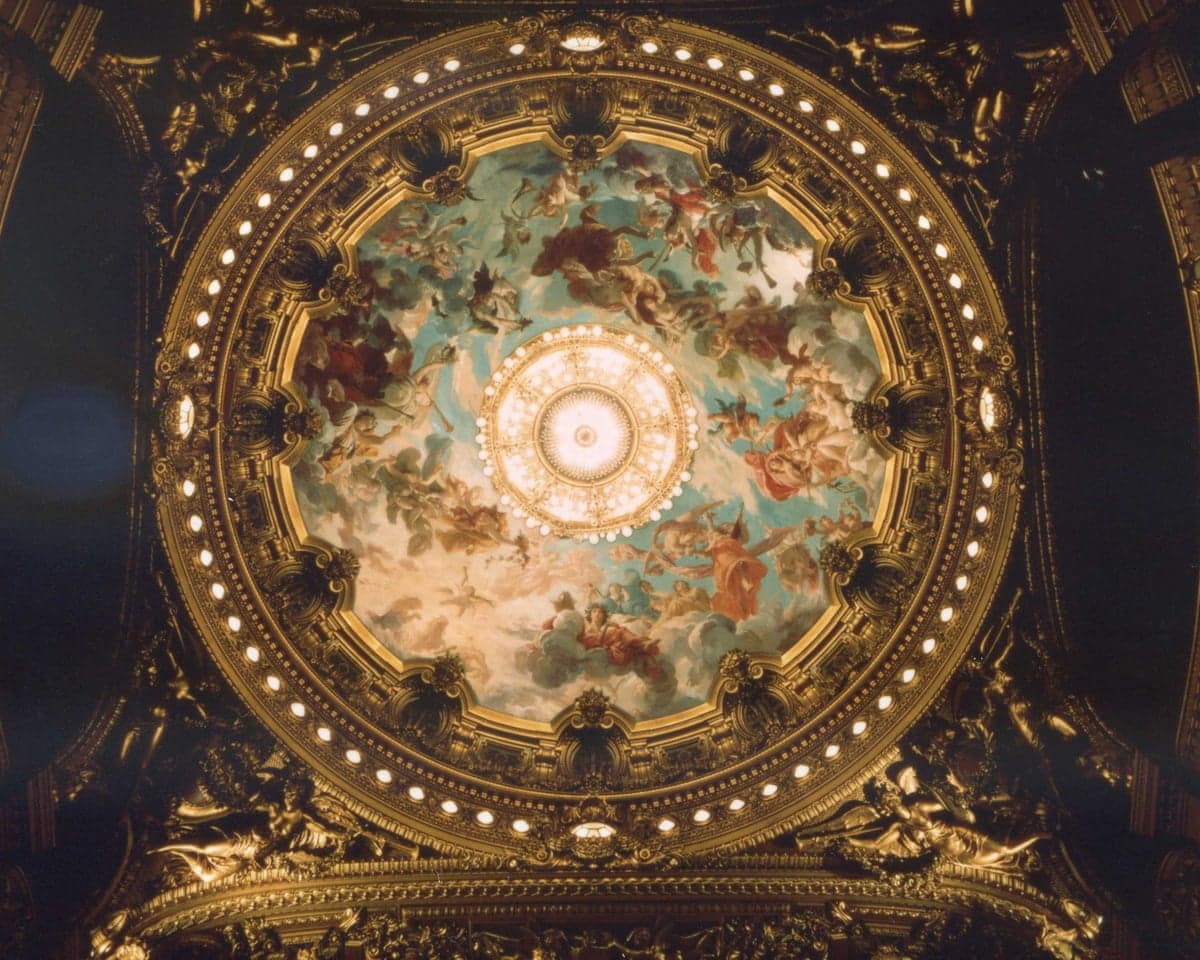
A descendant of Jules-Eugène Lenepveu, the 19th-century artist whose classical fresco was covered by Marc Chagall's modernist canvasses in 1962, is preparing to take legal action demanding the restoration and uncovering of the original work. Arnaud Carayon, 58, who chairs the Friends of Lenepveu Society, has spent three years seeking the removal through diplomatic channels, including two letters to President Emmanuel Macron, but now plans to escalate the dispute to court, potentially reaching France's Conseil d'État, the country's highest administrative court.
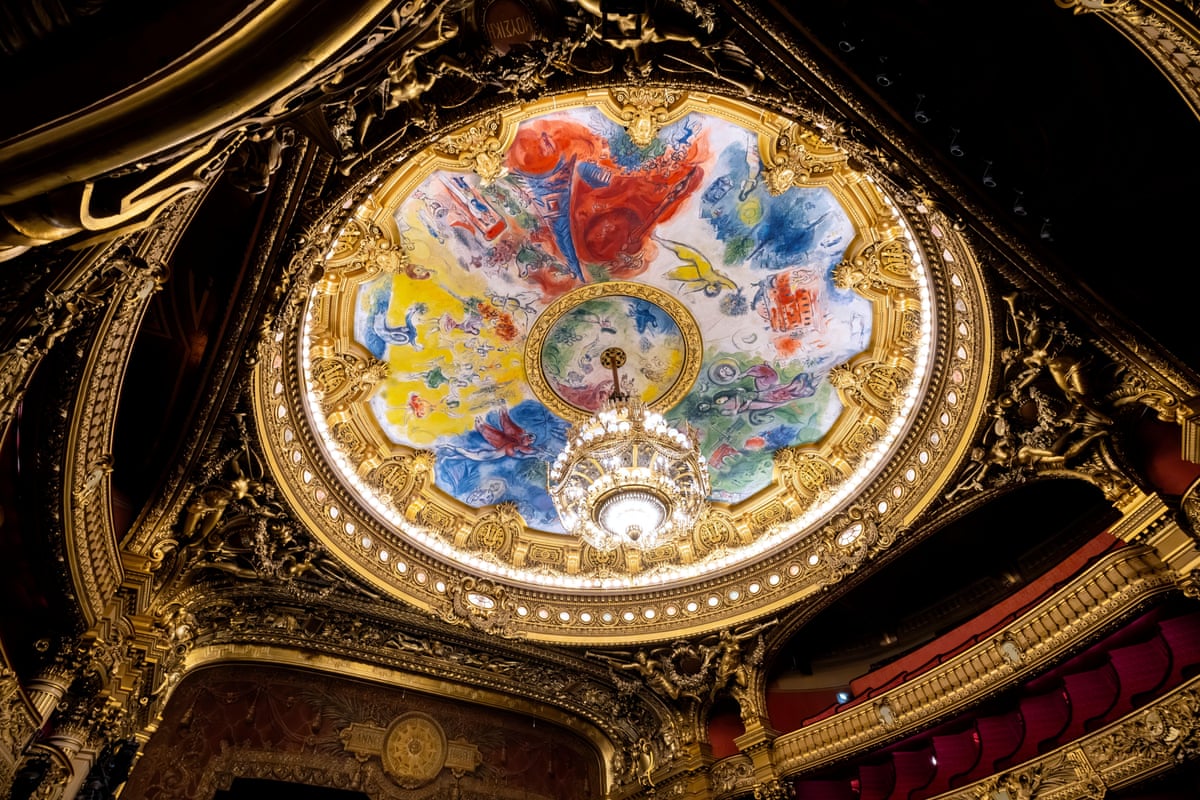
The conflict centres on one of Paris's most contentious cultural decisions. In 1962, French culture minister André Malraux, reportedly unimpressed by the ballet he was watching at the Palais Garnier, decided the classical ceiling required modernisation. He commissioned his friend Chagall, who was seated beside him, to undertake the transformation. Over the following two years, Chagall worked without payment to create 24 enormous wedge-shaped canvasses in vibrant colours—red, blue, green, yellow and white—featuring dancers, angels, musicians and the names of 14 composers. These works were installed over Lenepveu's original painting, which was affixed to a plastic shell placed above the historic fresco.
Who was Lenepveu and why does his work matter?
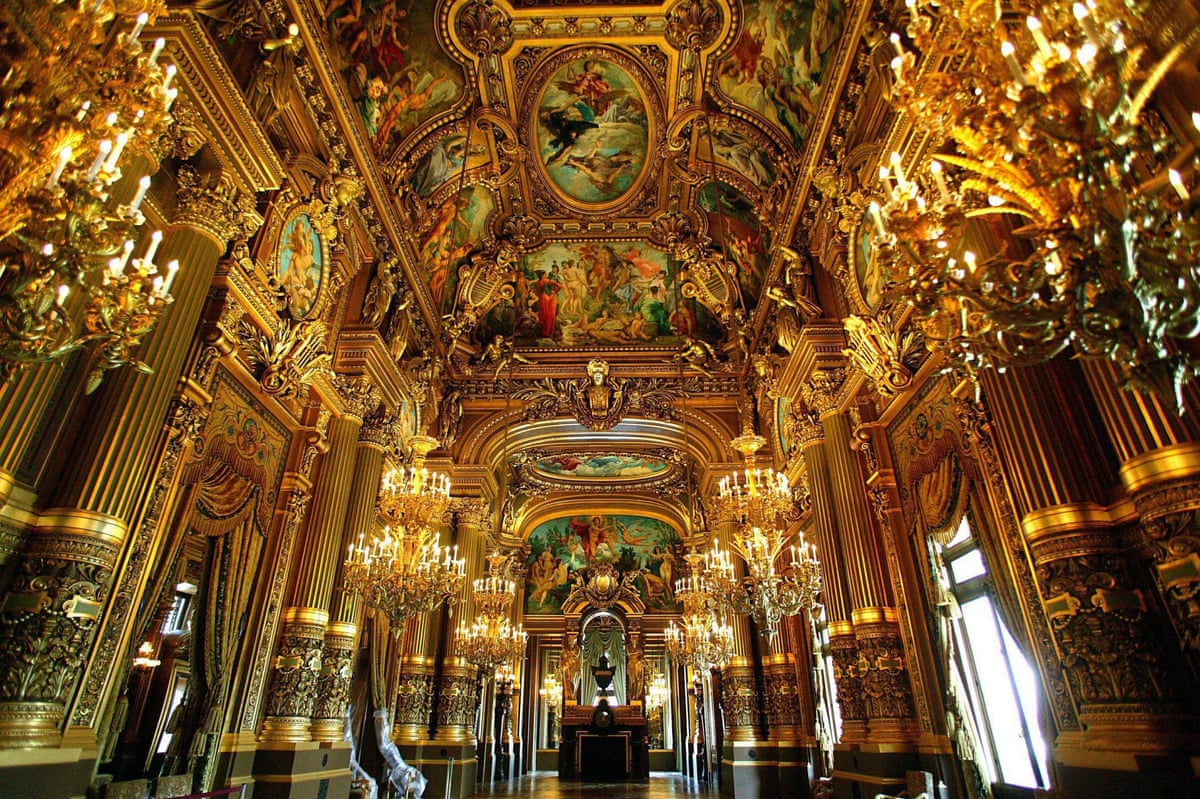
Lenepveu was a celebrated artist of his era, specifically chosen by Charles Garnier, the architect who designed the entire opera house down to the smallest detail, to decorate the dome. His work, titled The Muses and the Hours of Day and Night, was an oil painting executed directly on the copper plates of the dome and represented a classical and allegorical vision perfectly suited to the ornate Second Empire aesthetic of Garnier's palace. The painting received historic monument status in 1923, formally recognising its cultural significance. Lenepveu later became director of the French Academy in Rome and created a series of Joan of Arc frescoes in the Paris Panthéon, yet his name has largely faded from public memory, overshadowed by the wave of impressionism that dominated his era.
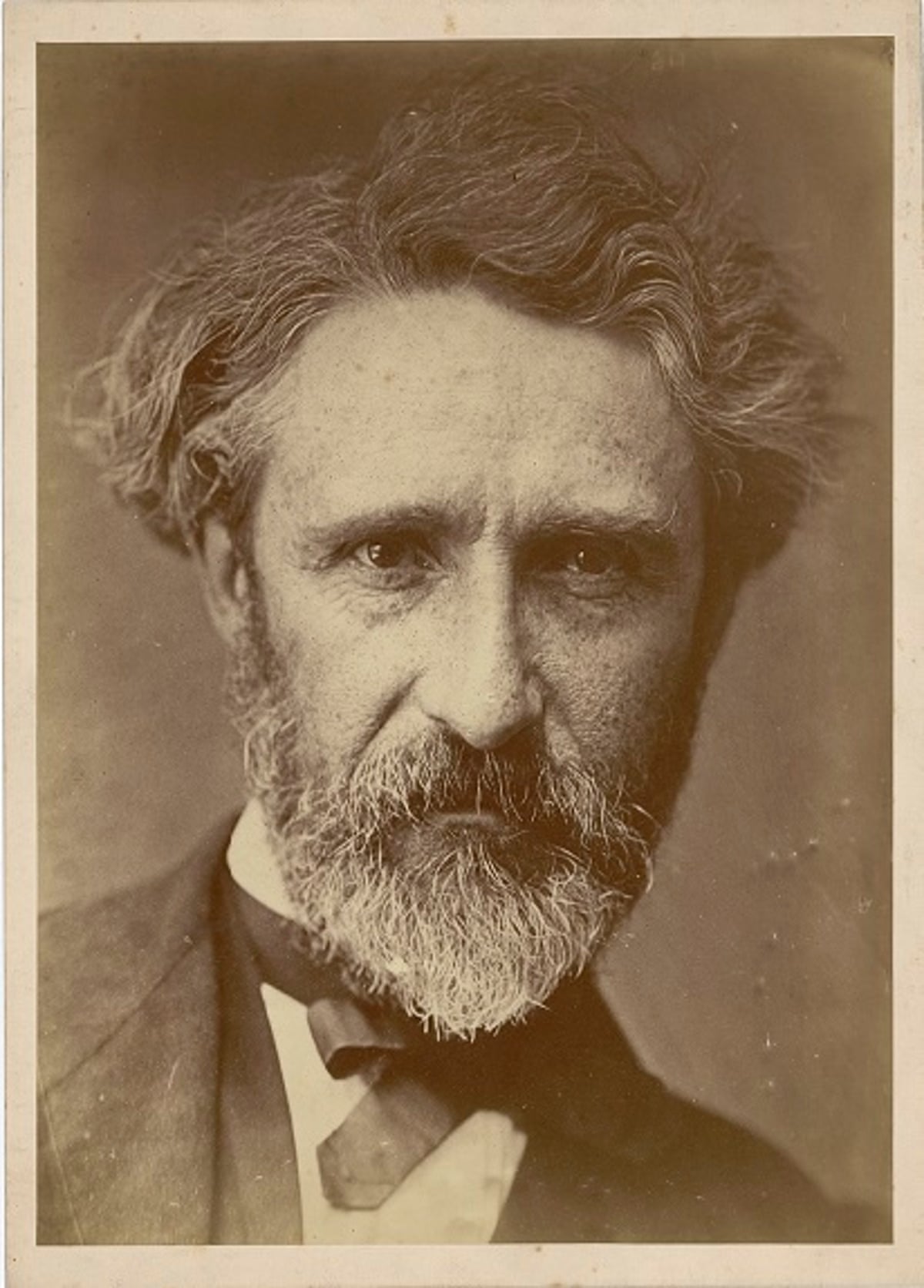
Carayon argues that Malraux's decision to cover the original ceiling was made on a whim, disregarding Garnier's carefully considered artistic vision.
The Lenepveu ceiling is classified as a historic monument and yet it hasn't been seen for 60 years and we have no idea what state it is in,Carayon stated.
Today, everyone has forgotten Lenepveu. Unfortunately, he was swept away by the wave of impressionism, but in his time he was really a star. More importantly, he was specifically chosen to decorate the opera ceiling by Charles Garnier, who designed everything in the opera house right down to the last door knob. But on a whim, Malraux decided he did not agree with Garnier's choice.
How did the opera house come to be built?
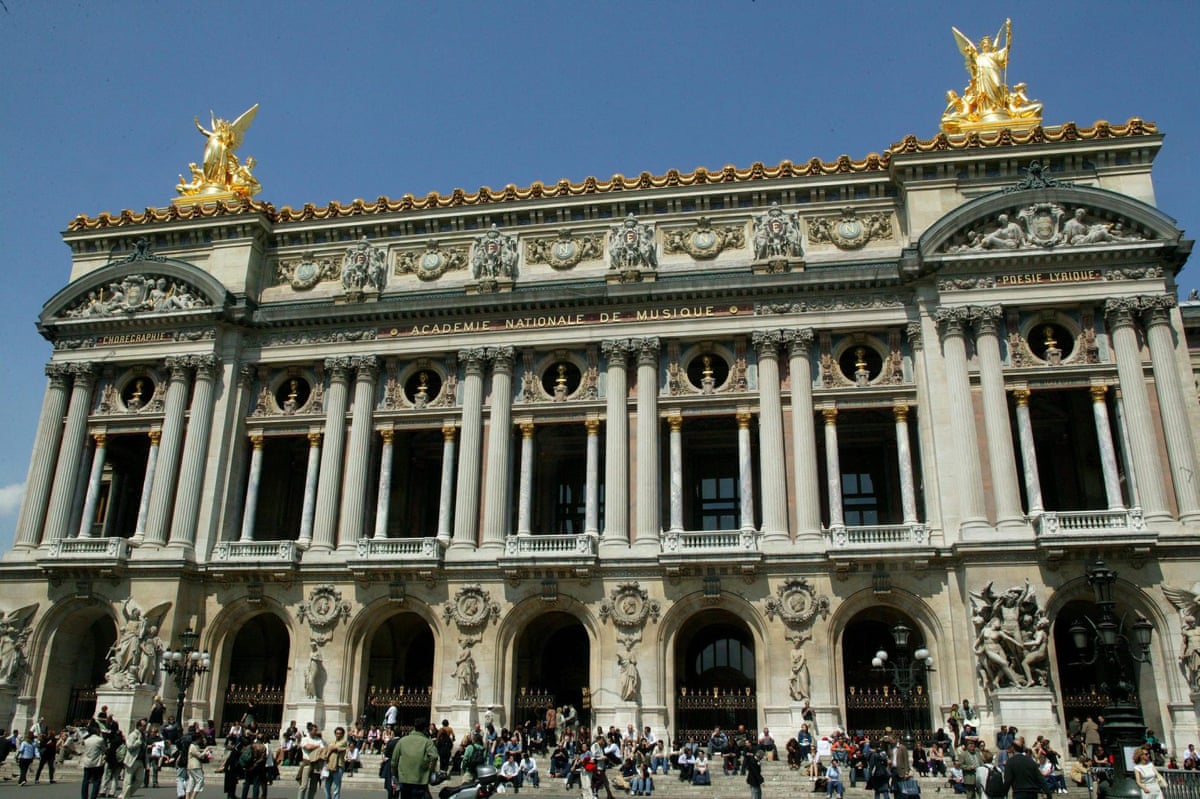
The Palais Garnier was commissioned by Napoleon III and opened in January 1875 in the presence of European royalty and dignitaries, including the then lord mayor of London, Sir William Cotton. Garnier's architectural masterpiece represented the pinnacle of Second Empire design, with every element—architecture, paintings, sculptures and mosaics—conceived to work in harmonious unity. Lenepveu, who was both Garnier's friend and artistic collaborator, produced a work that embodied this integrated vision.
What was the immediate reaction to Chagall's ceiling?
Opposition to the covering of Lenepveu's work emerged even before Chagall's canvasses were installed, with the dispute pitting traditionalists against modernists. The Royal Institute of British Architects in London formally protested to the French culture minister, urging abandonment of the plan.
The unique character of this edifice [the opera house] is based on the fact that all its elements: architecture, paintings, sculptures and mosaics work together in harmony,the institute wrote. The plea was disregarded, and Chagall's 24 cake-slice-shaped canvasses, spliced together around the central chandelier, ultimately covered 220 square metres of the dome.
What is the artistic value of Chagall's work?
Supporters of the Chagall ceiling emphasise its significance as a modernist masterpiece. At a 2023-24 Chagall exhibition at the Pompidou Centre, curator Anne Montfort-Tanguy described the work as
Chagall: it's his autobiography, his vision of Paris. All the artists he loved are represented as well as what he considered the most important Paris monuments like the Eiffel Tower … It's a moving, fluid almost cinematic work. The ceiling is a complete work of art.She added that
It was Chagall's gift to the country that welcomed him; a homage to France and to Paris.According to music news sources, Paris Opera general director Alexander Neef opposes alternating the ceilings, arguing that Chagall's work has become an emblem of the theatre and a significant draw for visitors.
What solution has Carayon proposed?
Carayon has suggested a compromise that would preserve both artworks. In a letter dated 23 February, he proposed rotating the ceilings, perhaps every 10 years, so that both Lenepveu's and Chagall's works could be displayed and appreciated by future generations.
From the beginning the Chagall ceiling was designed to be removable. It can be taken down without any damage. We thought the idea of alternating ceilings was very positive and promising, but it seems nobody has the guts to touch the Chagall ceiling,Carayon said. The Élysée Palace responded only that the president was
particularly attentiveto the subject, offering no commitment to action.
When will the opera house be closed for renovation?
The Palais Garnier is scheduled to close for comprehensive renovation between 2027 and 2032. Carayon has suggested that this renovation period would provide an ideal opportunity to implement the alternating ceiling proposal, with each work displayed for a decade after the theatre reopens. However, according to reporting from a major French publication, no formal court filing or hearing date has yet been announced, though Carayon is actively considering legal action that could escalate to France's highest administrative court.
What does the opera's leadership say?
Alexander Neef, the director of the Paris Opera, acknowledged the legitimacy of the dispute while recognising the competing interests at stake.
The debate over the Chagall ceiling has gone on for more than 60 years. The Lenepveu ceiling has been listed as a historic monument since 1923 so its heritage value is recognised. That his [Lenepveu's] descendants wish to defend his memory is legitimate.His statement reflects the genuine tension between two approaches to cultural heritage: preserving Garnier's original 19th-century design vision or maintaining Chagall's modern work, which was itself commissioned to give the opera house a contemporary character.
What happens next?
Carayon has instructed a lawyer to pursue the case through French courts. According to reporting on the dispute, the legal action could ultimately reach the Conseil d'État if lower courts do not rule in his favour. The outcome may determine whether one of Europe's most celebrated opera houses will display a single unified ceiling or find a way to honour both artistic legacies. The 2027-2032 renovation period will be a critical juncture for resolving a conflict that has persisted for more than six decades.
Key Facts
- Jules-Eugène Lenepveu's original ceiling fresco has been hidden beneath Chagall's canvasses for 60 years and has not been publicly viewed since 1962.
- The Lenepveu ceiling was designated a historic monument in 1923, formally recognising its cultural and artistic significance.
- Chagall's 24 wedge-shaped canvasses, featuring 14 composers and covering 220 square metres, were designed to be removable without damage to the underlying work.
- The Paris Opera will close for renovation from 2027 to 2032, creating a potential opportunity to implement Carayon's alternating ceiling proposal.
- The dispute reflects a fundamental tension in cultural heritage preservation between maintaining original 19th-century design and preserving 20th-century modernist additions.