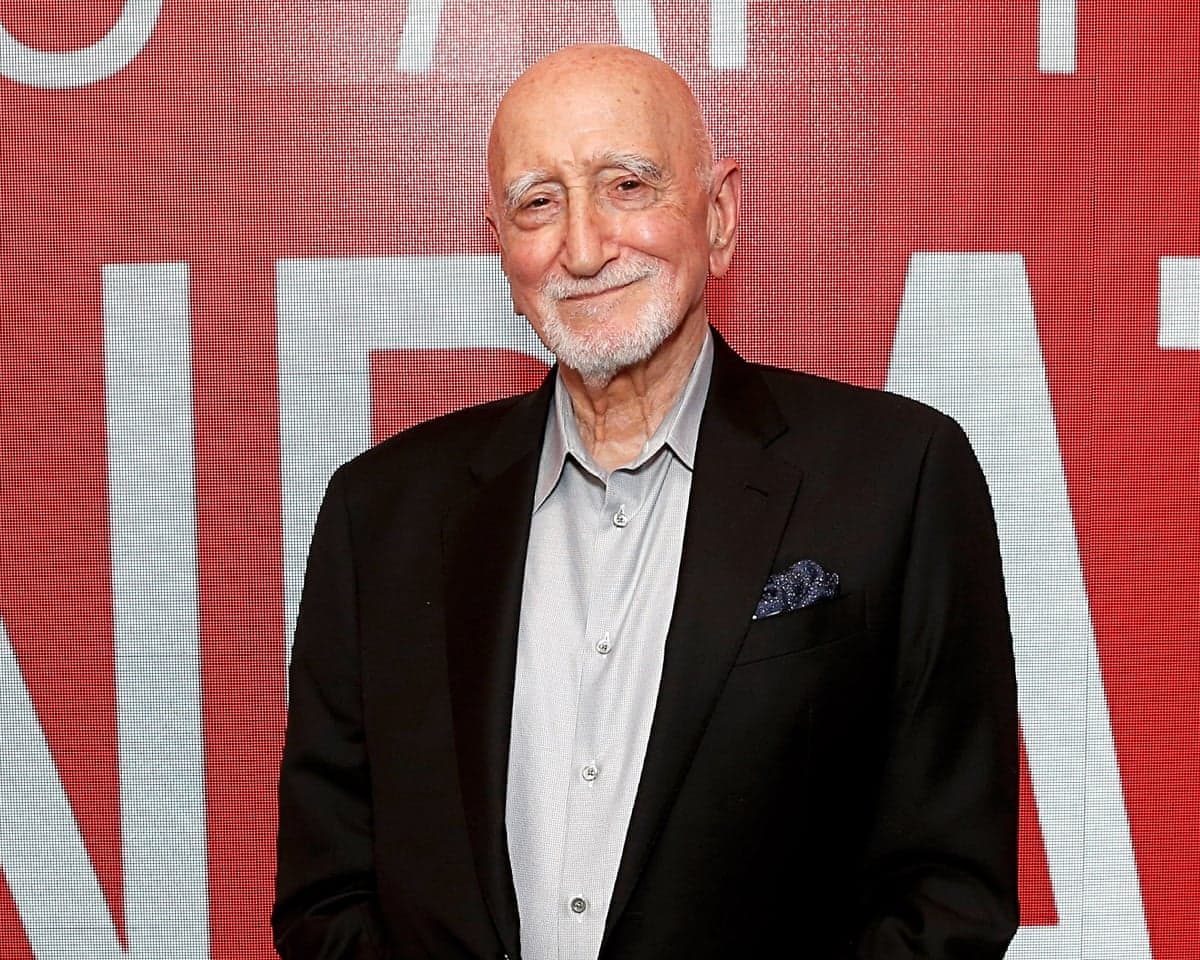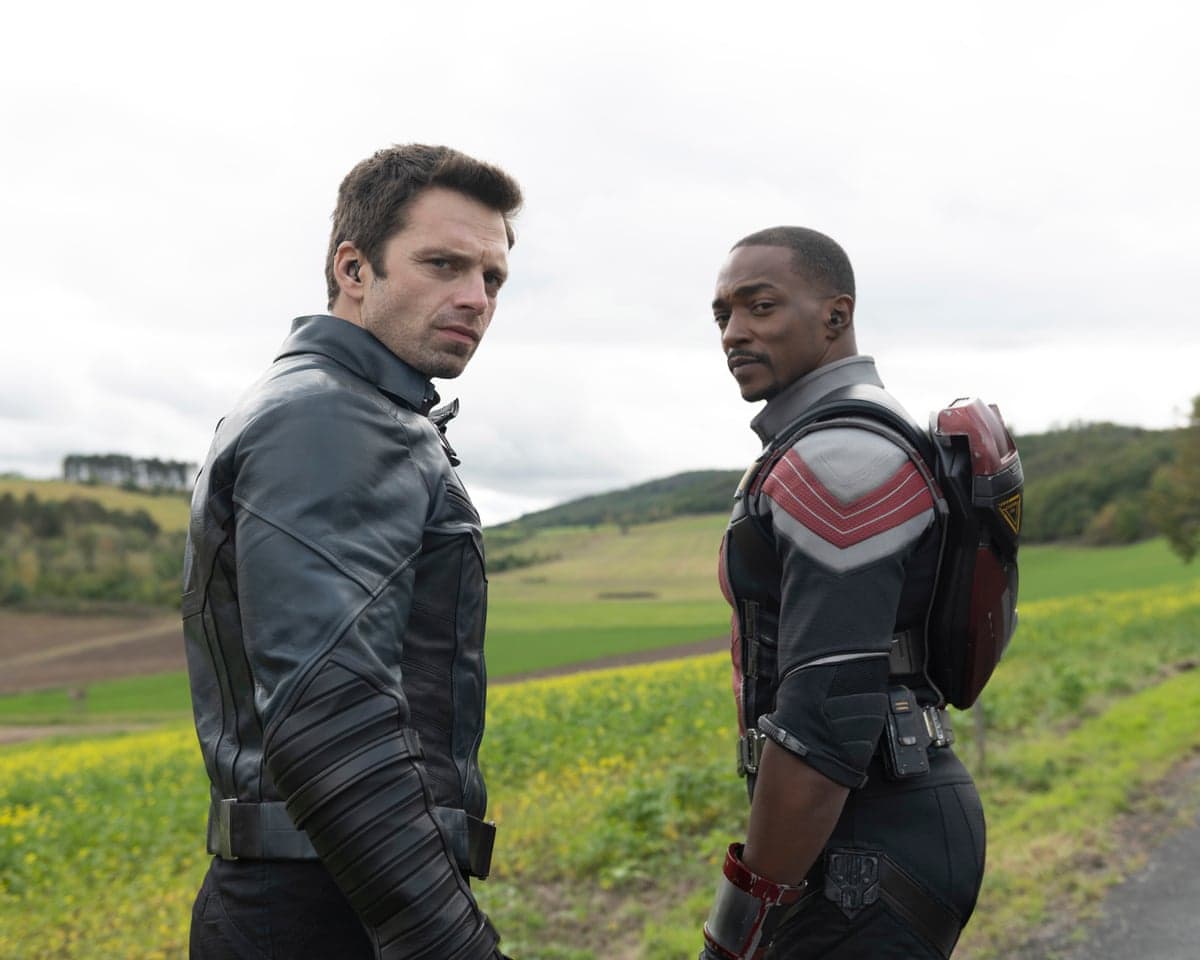
Sebastian Stan has proposed a radical rethink of how Marvel Studios deploys its supporting characters. The actor, who plays the Winter Soldier, pitched Marvel Studios chief Kevin Feige a concept for a stripped-down thriller centred on his character Bucky Barnes—one that would operate at a fraction of the studio's typical budget and embrace genre conventions rather than spectacle. According to entertainment reporting on the pitch, Feige responded positively to the idea, though Stan has indicated he was partly joking when he made the suggestion. The proposal arrives at a moment when the studio faces mounting pressure to find fresh approaches to characters who have become secondary fixtures in its sprawling ensemble narratives.
The timing of Stan's intervention is striking. While the superhero genre appears resurgent on the surface—Spider-Man: Brand New Day has amassed $2.4bn globally and ranks as the third-highest grossing film ever, and Avengers: Doomsday has already generated over $50m in US presales ahead of its 18 December 2026 release—the underlying health of Marvel's slate tells a different story. The studio's 2025 output proved disappointing across the board. Captain America: Brave New World earned $415m worldwide, Thunderbolts* managed $382m, and The Fantastic Four: First Steps, despite critical acclaim, stalled at $521m against a reported $200m budget. These figures suggest that audiences have grown weary of the formula that once seemed unstoppable.
Stan's pitch offers a potential solution to this impasse. Speaking to New York Magazine, he described a
"Sicario-esque"thriller in which Bucky Barnes becomes obsessed with tracking down someone connected to his past brainwashing.
"We keep a real small budget,"Stan explained.
"It's about a guy who thinks he recognises someone from his past that had something to do with when, you know, he was brainwashed, and he gets obsessed with this person. He goes on a whole journey to try to figure out who this person is. It's a thriller."The concept deliberately strips away the multiverse-spanning stakes and world-ending threats that have become standard in Marvel's output, focusing instead on the interior life of a single damaged character.
Stan arrives at this suggestion from a position of considerable creative momentum. He earned his first Oscar nomination for a recent dramatic role and won a Golden Globe for another performance, establishing himself as an actor capable of commanding serious dramatic material. His track record suggests he could anchor a character-driven narrative without relying on the apparatus of superhero spectacle. Yet his role in last year's Thunderbolts* demonstrated a persistent problem: he functioned as an interchangeable ensemble member, a character who could have been replaced by Shang-Chi, Ms Marvel, or one of the Eternals without materially altering the film's narrative or impact.

Why the Winter Soldier has become a narrative dead end
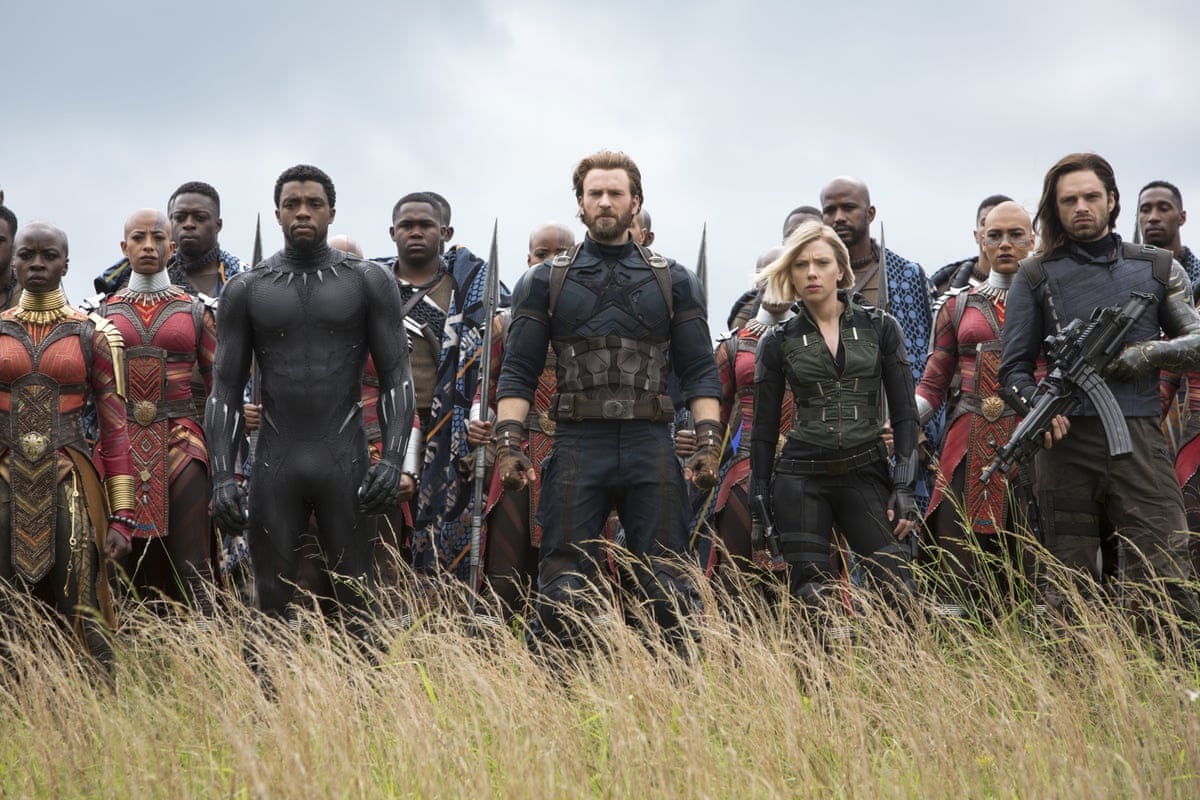
Marvel has struggled to find meaningful purpose for the Winter Soldier since the Wakandans removed his Hydra programming sometime between Civil War and Infinity War. The character exists in a liminal space within the MCU—too damaged and morally ambiguous for straightforward heroism, yet too established to be sidelined entirely. His scheduled appearance in Avengers: Doomsday will likely see him functioning as background support while the studio's marquee heroes confront existential threats to reality itself. The question Stan's pitch implicitly raises is whether this represents the best use of the character, or whether a contained, psychologically intricate thriller might serve both the actor and the audience more effectively.
How smaller-budget genre films could reshape Marvel's strategy
Stan's proposal extends beyond a single character vehicle. It suggests a broader strategic reorientation toward modestly scaled, genre-inflected narratives that could revitalise the studio's approach to secondary heroes. Ghost could anchor a stripped-back heist film centred on her ability to phase through solid matter, deployed for a concrete criminal objective rather than cosmic stakes. Red might carry a cold war spy comedy built around the increasingly implausible missions he claims to have undertaken against Captain America. Wong could inhabit an occult detective narrative involving a single cursed object, three suspicious magicians, and no interdimensional portals.
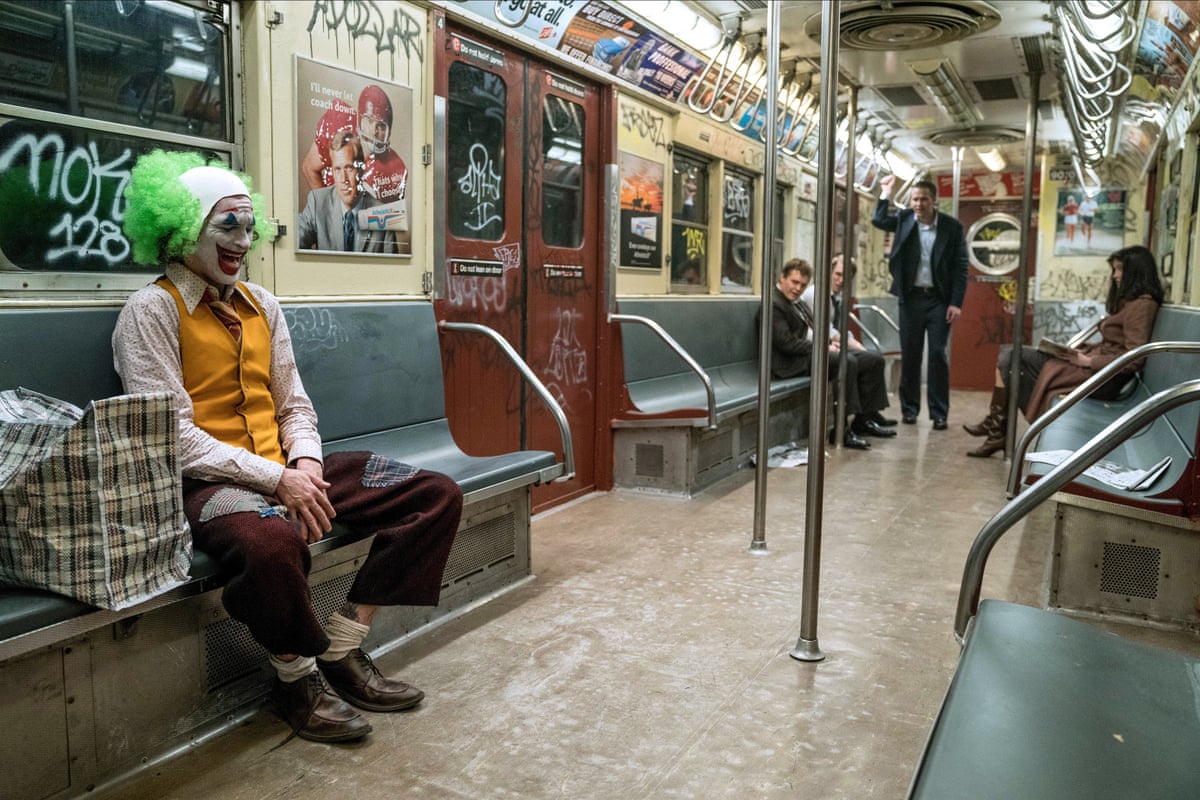
This approach has historical precedent, both within and outside the MCU. Logan functioned as an elegiac western, with Wolverine as an ageing gunslinger ferrying a child across a hostile frontier, and earned $619m worldwide. Joker operated as an unhinged urban character study in the vein of Martin Scorsese's 1970s work, generating $1.08bn globally. Between them, these two films accumulated nearly $1.7bn in worldwide revenue while operating outside conventional superhero frameworks. Marvel itself has demonstrated capacity for this kind of genre-inflected storytelling. Captain America: The Winter Soldier was structured as a 1970s-style conspiracy thriller, Ant-Man functioned as a heist narrative, and Doctor Strange in the Multiverse of Madness, shaped by Sam Raimi's distinctly Evil Dead II-influenced visual language, developed notable horror dimensions. All three outperformed the lukewarm ensemble spectacles that have dominated Marvel's output over the past half-decade.
What happens next for the Winter Soldier
Currently, no official Winter Soldier solo film has been greenlit by Marvel Studios, despite Stan's pitch and Feige's reportedly positive response. Stan's appearance in Avengers: Doomsday on 18 December 2026 remains the next confirmed Marvel project involving the character. The studio has not announced any timeline for developing a standalone Winter Soldier vehicle, whether in the thriller format Stan proposed or any other form. Whether the pitch represents a genuine creative direction or remains a speculative conversation between actor and executive remains unclear.
The broader question, however, extends beyond any single character or film. Marvel's dominance of the global box office has rested on its ability to construct interconnected narratives of escalating scale and consequence. Yet that very formula now appears to be exhausting audiences. The studio's challenge is not to abandon the ensemble spectacles that remain its commercial foundation, but to develop parallel strategies for deploying the dozens of characters who spend most of those films in the background. A $50m Winter Soldier thriller would not replace Avengers: Doomsday; it would complement it, offering audiences a different kind of engagement with the character and the universe he inhabits. Whether Marvel chooses to pursue that path remains to be seen.
Key Facts
- Sebastian Stan pitched Kevin Feige a small-budget, genre-focused Winter Soldier thriller centred on Bucky Barnes investigating someone from his brainwashed past
- Marvel's 2025 releases—Captain America: Brave New World ($415m), Thunderbolts* ($382m), and The Fantastic Four: First Steps ($521m)—all underperformed relative to production costs and historical expectations
- Spider-Man: Brand New Day has grossed $2.4bn globally and ranks as the third-highest grossing film of all time, suggesting the superhero genre retains commercial appeal despite audience fatigue with conventional MCU formulas
- Films like Logan and Joker demonstrated that character-driven narratives using superhero IP can generate substantial worldwide revenue while operating outside traditional superhero frameworks
- No official Winter Soldier solo film has been greenlit, with Stan's next confirmed appearance scheduled for Avengers: Doomsday on 18 December 2026