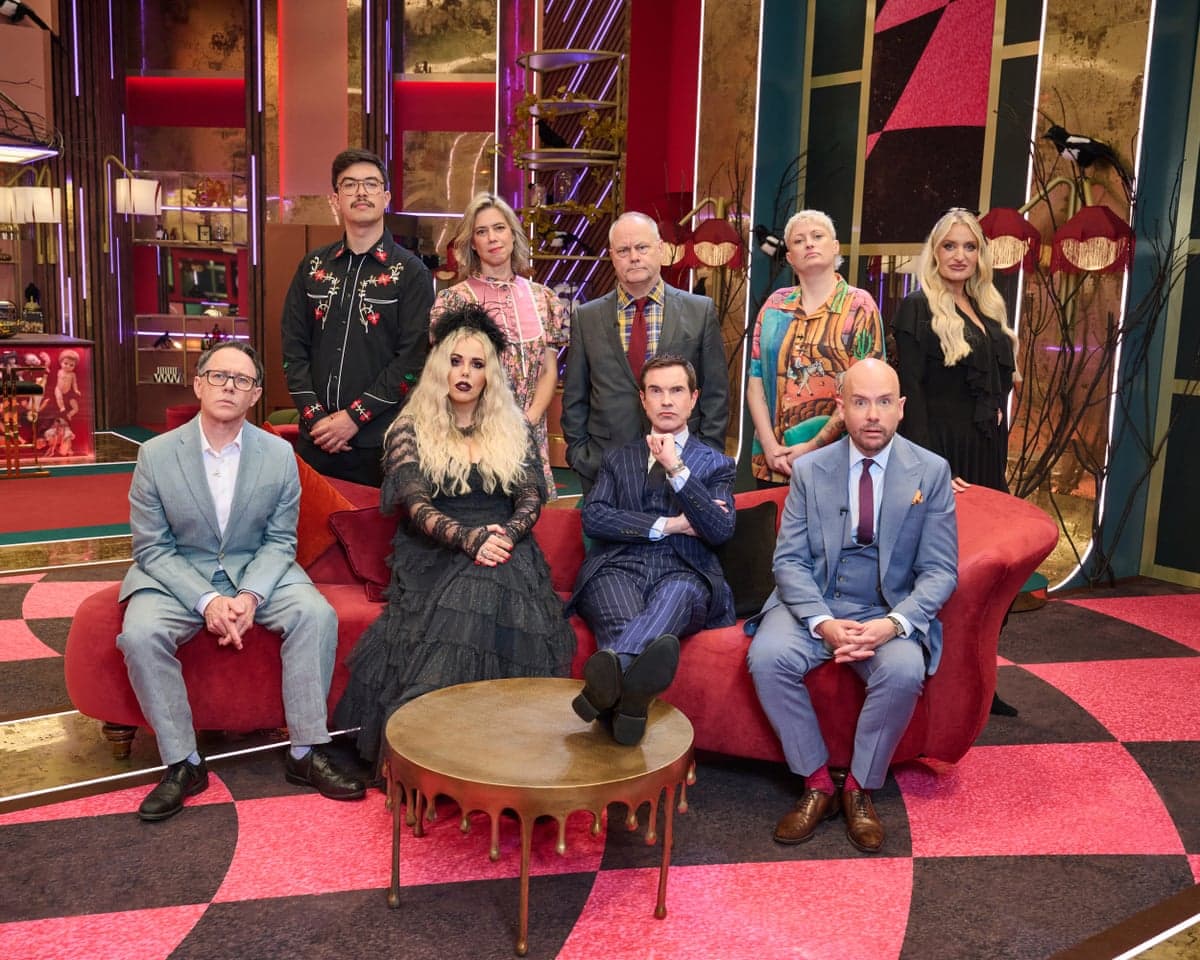
Prime Video's Halloween special of Last One Laughing proves that the reality gameshow format remains as entertaining as ever, even in a condensed four-part miniseries. According to The Guardian, the special introduces a new rule alongside the original challenge: contestants must now avoid both laughing and screaming as they compete to maintain composure while attempting to make their peers crack up.
The show has built a substantial following since its debut, with the first two series attracting around 6 million viewers and earning two Bafta awards. This Halloween edition reduces the usual 10 contestants to seven, raising questions about whether a shorter format might dilute the appeal of the annual series proper. Yet the special demonstrates that the comic well remains far from exhausted, delivering moments of genuine hilarity throughout its run.
The premise of Last One Laughing adapts Japan's Documental, created by Hitoshi Matsumoto, in which comedians compete in a closed-room laughter challenge. Jimmy Carr returns as host, with Roisin Conaty as deputy, guiding the seven competitors through their ordeal.
How does the Halloween theme shape the competition?
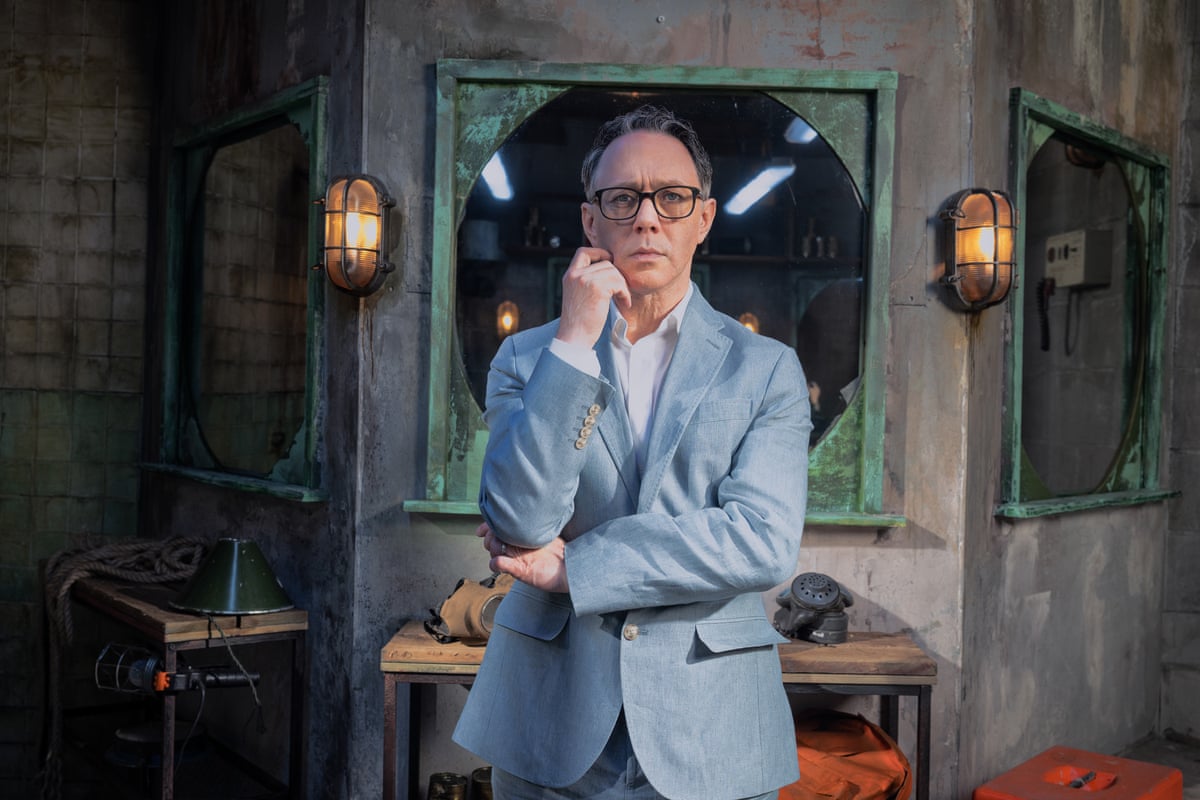
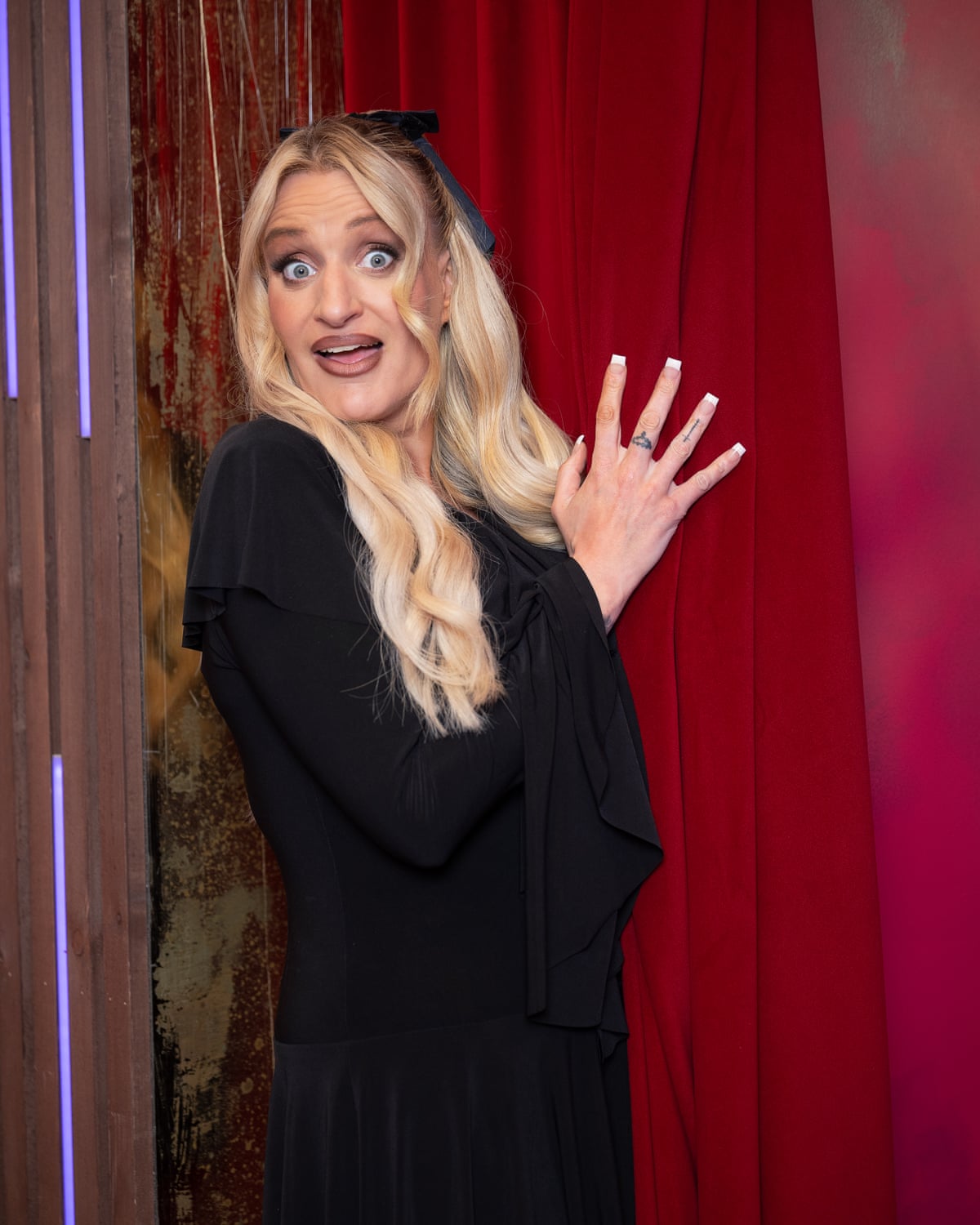
The thematic framing feels somewhat arbitrary at first glance. Some contestants appear deliberately selected for their supernatural connections: Daisy May Cooper, a returning competitor from series one, has authored a book about the paranormal, while Reece Shearsmith, known for his work with The League of Gentlemen and Inside No 9, brings a genuine enthusiasm for horror. Others fit the theme more awkwardly. Lou Sanders, also returning from the first series, is introduced with the claim that she "genuinely believes in crystals," while Phil Wang is presented as having once hosted a podcast about his dislike of horror films. Tom Allen, Jack Dee, and rising standup Harriet Dyer receive only cursory spooky introductions.
Despite these uneven thematic connections, the Halloween setting comes alive most vividly through the "jokers" – pre-planned performances that contestants are periodically called upon to execute in attempts to make their peers laugh. These sequences feel more inventively strange than in previous iterations, and Catherine Tate appears as a guest star in clips intended to help break the contestants. The special guest appearances are notably starrier than before, adding an extra layer of unpredictability to the proceedings.
Does the no-screaming rule change the game?
The new restriction on screaming was introduced to address one of the format's occasional shortcomings: that the challenge can prove too manageable for certain personality types. In the previous series, both David Mitchell and Sam Campbell managed to complete their allocated time without laughing, forcing producers to implement a tie-breaker rule. The screaming ban seemed positioned to raise the difficulty level, yet across the first three episodes made available for review, this additional constraint barely registers as a meaningful factor in determining outcomes.
What matters far more is the quality of the material and the chemistry between competitors. The random conversational turns and unexpected prepared material that contestants spring on each other generate the most memorable moments. Viewers may find themselves drawn to certain performers initially – Sanders' dance about frogs, for instance, will resonate more strongly with some than others – but by the conclusion, the collective effort and skill on display commands respect across the board.
Which performers stand out?
Phil Wang delivers sharp, rapid-fire wit that keeps the energy high. Tom Allen contributes camp asides and a surprisingly funny breakdancing sequence that lands with particular impact. Harriet Dyer brings an element of surrealism to her contributions, while Reece Shearsmith appears to possess an seemingly bottomless repertoire of gruesome tricks and unsettling material. Perhaps most unexpectedly, Jack Dee – typically associated with a dour public persona – emerges as a genuine delight, displaying more visible pleasure in the proceedings than in most of his television appearances.
Daisy May Cooper and Lou Sanders, both returning from the first series, prove they have substantial additional material to offer, avoiding any sense of repetition or fatigue. Their willingness to push themselves again demonstrates the depth of their comedic resources.
Has the writing improved?
One of the format's previously acknowledged weaknesses – the quality of host Jimmy Carr's scripted material – has undergone significant improvement. The jokes feel fresher and less groan-inducing than in earlier editions, suggesting that new voices in the writers' room have brought renewed energy to the hosting duties. This refinement enhances the overall viewing experience without overshadowing the competitors' performances.
How does this compare to other comedy formats?
British comedy has long operated under a guiding principle: less is more. The most celebrated and enduring shows – Fawlty Towers, The Young Ones, Brass Eye, The Office – tend toward brevity, with creators preferring to conclude while the premise retains its potency rather than risk exhausting the concept through overexposure. This cultural conservatism reflects a view of comedy as a finite resource that can be depleted through overuse.
Last One Laughing operates as the inverse of the modern podcast format, where two comedians chat at length about mundane topics across extended episodes, liberally laughing at each other's observations regardless of their actual merit. Here, by contrast, the competitors work with genuine intensity to demonstrate their comedic prowess under genuine constraints. The format demands authenticity and effort in ways that looser, longer-form comedy often does not.
What happens next?
The fourth and final episode of the Halloween special is scheduled for 30 October 2026. Beyond this miniseries, the third full UK series is scheduled to launch in 2027, suggesting that the format's creators remain confident in its continued appeal and commercial viability.
Despite initial scepticism about whether a Halloween spin-off might dilute the appeal of the main annual series, Last One Laughing: Halloween delivers consistent entertainment value. The special proves that the format retains its capacity to generate genuine hilarity and that the pool of comedic talent willing to participate remains deep and varied. Rather than representing a cynical cash grab, this miniseries functions as a genuine treat for the show's substantial fanbase.