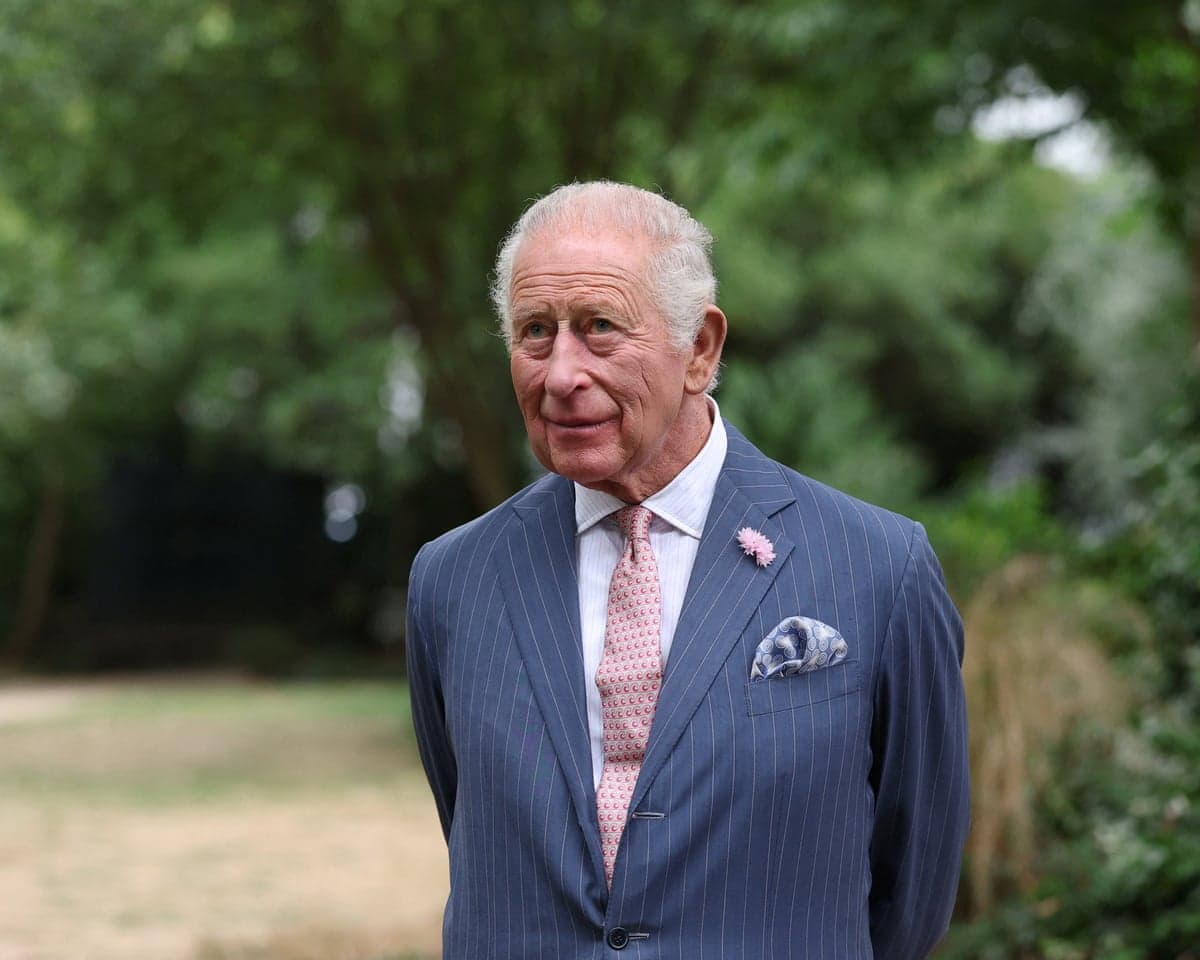
King Charles described the loan of the Bayeux Tapestry as the "best possible symbol" of the "entente amicale" between France and the United Kingdom during a visit to the famous embroidered masterpiece at the British Museum in London. Though the 11th-century textile recounts a military conflict, the monarch emphasised its contemporary significance as a gesture of trust between two nations.
"Here it is today, nearly 1,000 years later, as a precious symbol of trust, at a time when trust seems sadly to be in short supply between nations,"Charles said at the new exhibition, accompanied by French President Emmanuel Macron and UK Prime Minister Andy Burnham.
The tapestry, a 70-metre woven record of the Norman conquest, has returned to British soil for the first time in almost a millennium. The exhibition is planned as a 40-minute timed experience in the British Museum's Sainsbury Exhibitions Gallery and will remain on loan until July 2027 as part of a special trilateral agreement involving the UK, France and the museum.
In remarks delivered partly in French, Charles reflected on the shared history binding the two nations.
"We have defended our values together in times of peril; we continue to do so today across the world."He continued:
"May this tapestry – and the treasures that will travel in return – stand as symbols not only of our shared past, but our shared future: a future woven, as it should be, by Britain and France together."
The monarch's invocation of "entente amicale" built on language he had previously employed to characterise Franco-British relations, having used the phrase to rebrand the traditional "entente cordiale" during a banquet speech at Windsor Castle in July 2025.
How did the loan come about?
Charles expressed his
"deepest appreciation" to Macron and the French people "for the trust you have placed in the United Kingdom by agreeing to this unprecedented loan"."He noted the symbolic reversal represented by the tapestry's journey:
"It once depicted warriors crossing the Channel; yet today it forms part of a cultural exchange that will see some of the British Museum's own precious artefacts travel to France in return, in a spirit of friendship."
The loan represents a landmark moment in Anglo-French cultural relations. French and British conservators have confirmed the tapestry is in a "wonderful state" after its journey to London and are carrying out checks before the display opens. France's culture ministry has indicated that the British Museum's display conditions meet conservation standards for the fragile medieval work.

In his remarks, Charles acknowledged the logistical complexity of arranging such an exchange:
"Anyone studying the tapestry's scenes in detail will notice that even in the 11th century historic events rarely happened without extensive discussion, careful planning and a great deal of organisation beforehand."
What did political leaders say?
Prime Minister Burnham highlighted the broader diplomatic context of the loan during his remarks on Wednesday. He stated:
"The loaning of the tapestry is a great example of French-British cooperation, the same cooperation that has helped us reduce summer small boat crossings to a seven-year low."
Burnham also drew attention to the Bayeux Around Britain programme, a digital exhibition initiative that will display the tapestry's imagery in museums, galleries and castles across all four nations of the UK.
"This will give communities across the UK the opportunity to learn about one of the defining stories of our past",he said.
The delegation touring the exhibition included Queen Camilla, France's First Lady Brigitte Macron, and Burnham's wife Marie-France van Heel. The party paused at key moments along the 11th-century artwork to receive expert commentary from museum curators on historic scenes, including the coronation of Harold Godwinson and the contested depiction of his death by arrow at the Battle of Hastings in 1066.
When does the exhibition open and how can people visit?
The British Museum has announced that the exhibition is already sold out until the end of 2026, with the next ticket release covering January to March 2027 available from 21 October. The tapestry opens to the public on 10 September 2026 and will remain on display until 11 July 2027.
Ticket pricing reflects demand and timing: adult admission costs £33 at peak times and £27 during off-peak periods, with children under 16 admitted free when accompanied by an adult. The museum has set aside school visits each week for children, ensuring educational access to the medieval masterpiece.
The unprecedented demand for tickets reflects public fascination with the tapestry. Earlier in the year, up to 80,000 people queued online for exhibition tickets, with some facing waits of up to nine hours as the booking system processed requests. The exhibition's arrival coincides with the 1,000th anniversary of William the Conqueror, adding historical resonance to the display.
Key Facts
- The Bayeux Tapestry is on loan to the British Museum until July 2027 as part of a trilateral cultural exchange agreement between the UK, France and the museum
- The 70-metre embroidered textile depicts the Norman conquest and has not been exhibited on British soil in nearly 1,000 years
- Tickets are priced at £33 peak and £27 off-peak for adults, with free admission for accompanied children under 16
- The exhibition opens to the public on 10 September 2026 and is already sold out through the end of 2026
- A complementary digital exhibition, the Bayeux Around Britain programme, will display the tapestry's imagery in cultural institutions across all four UK nations