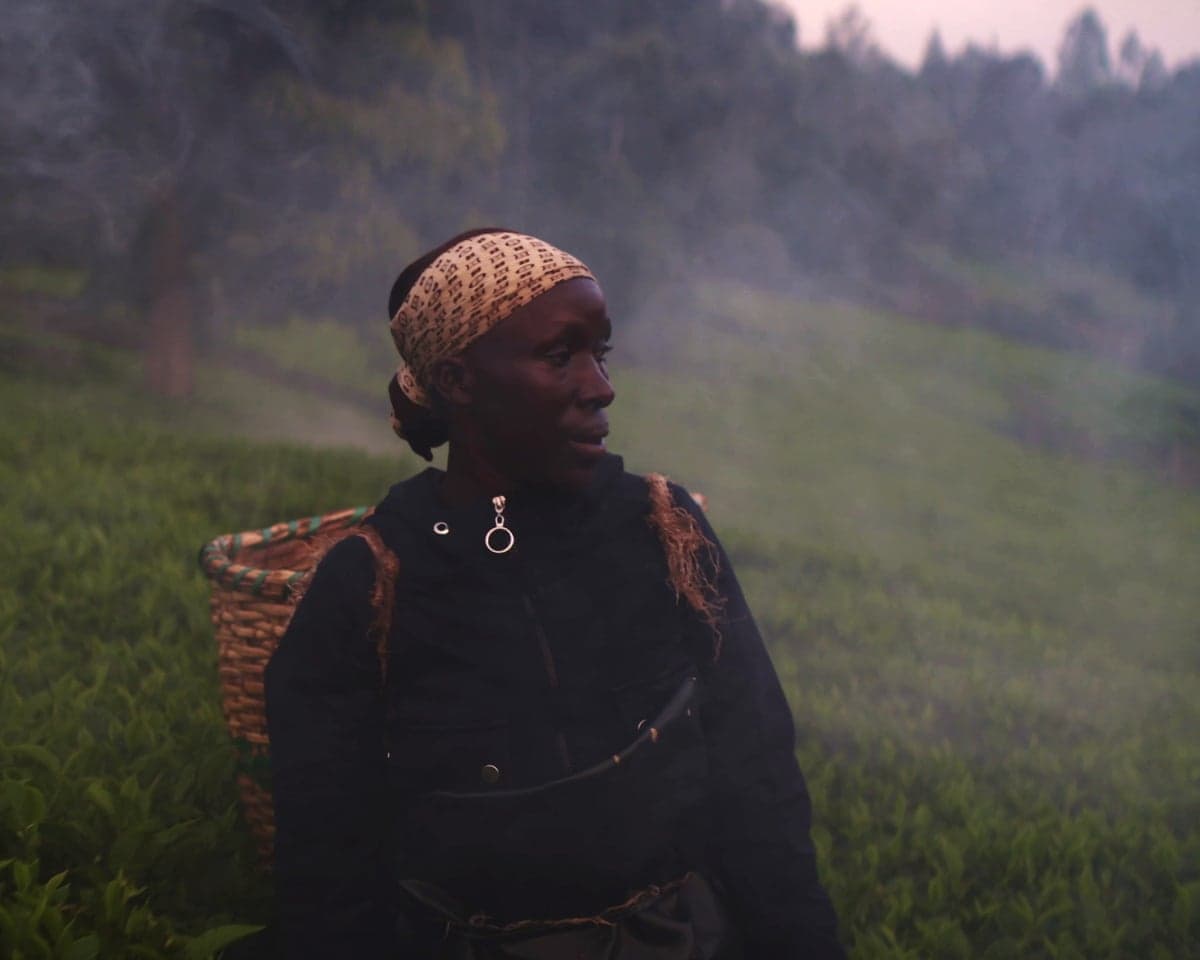
The lush tea plantations that blanket Kenya's central highlands conceal a troubling legacy of colonial dispossession and ongoing corporate exploitation. A new documentary by Andrew Harrison Brown and Bea Wangondu exposes how the Kikuyu people—whose farming traditions span centuries—were systematically stripped of their ancestral lands, their labour extracted to enrich British colonisers, and how this pattern of inequality persists under multinational corporate control today.
The film, which premiered in the World Cinematic Documentary Competition at the 2026 Sundance Film Festival, runs between 93 and 96 minutes and is presented in English, Swahili, and Kikuyu with English subtitles. It traces the imperialist foundations of Britain's agricultural development in Kenya, establishing how colonial land seizure created a system of inequality that multinational corporations have since inherited and perpetuated.
Who tells the story?
Wangondu, an investigative journalist, appears throughout the film weaving together multiple narratives that collectively document decades of injustice. She interviews plantation workers—both past and present—whose accounts reveal harrowing experiences of physical and sexual violence, abuses that have been systematically ignored by corporate management and enabled by government corruption. A pastor and activist named Mr Mungai features prominently, having pursued numerous court cases over decades in an attempt to reclaim his family's land. The film also includes testimony from an officer in Kenya's national intelligence service, who discloses the brutal methods the state has deployed against critics and activists, creating an atmosphere of menace and retaliation that appears inescapable.
What personal revelation changes the narrative?
The documentary takes a dramatic turn when Wangondu uncovers a deeply uncomfortable family secret: her own grandfather, a respected landowner whom she cherished, was himself a perpetrator of colonial-era abuse. This shattering discovery collapses the distance between Wangondu and her interview subjects, revealing layers of complicity that extend beyond simple victim-and-oppressor binaries. The revelation suggests that the structures of exploitation were upheld not only by foreign colonisers and distant corporations, but also by members of the Kikuyu community who benefited from the system.

What legal developments does the film document?
According to Sundance festival materials, the film includes a radio announcement of a new court ruling that grants citizens a limited window to file historical land injustice claims with Kenya's National Land Commission. This development signals a potential opening for redress, though the narrow timeframe underscores the ongoing barriers faced by those seeking justice for colonial-era land theft. The central conflict, as described by festival organisers, centres on a land claim that exposes a multinational corporation still operating on contested ground in Kenya's unresolved colonial land history.
How has the film been received?
By late September 2026, the documentary had earned significant recognition within the festival circuit. It won the Best Documentary Feature Award at Mountainfilm 2026 and the Best Cinematography for a Documentary Feature Award at Woods Hole Film Festival 2026, reflecting both its investigative depth and visual craft. The production team includes director Andrew H. Brown, co-director and journalist Bea Wangondu, producer Moses Bwayo, and cinematographers Mike Morrisroe and Joseph Njenga.
What happens next?
Following its Sundance premiere, the film has been scheduled for additional festival appearances throughout 2026, including screenings at VIFF and RiverRun. As of the latest available information, no fixed theatrical release date has been announced, suggesting the filmmakers are prioritising festival circulation to reach international audiences and build awareness of Kenya's unresolved colonial land disputes.
Why should consumers care?
For tea drinkers worldwide, Kikuyu Land presents an uncomfortable question: what is the true cost of the product in your cup? The documentary argues that ordinary consumers bear a responsibility to examine where their tea originates and under what conditions it is produced. By documenting the intergenerational trauma, ongoing exploitation, and systemic corruption that characterise Kenya's tea industry, the film challenges viewers to recognise their own complicity in a supply chain built on historical injustice and contemporary corporate negligence.