For three decades, Es Devlin has positioned herself at the intersection of theatre, fashion, music and public spectacle, becoming the designer that global superstars and cultural institutions turn to when they need visual impact married to conceptual depth. Her forthcoming retrospective at the Design Museum in London will mark her first major UK museum show dedicated to her work, opening on 2 October 2026 and running until 4 April 2027.
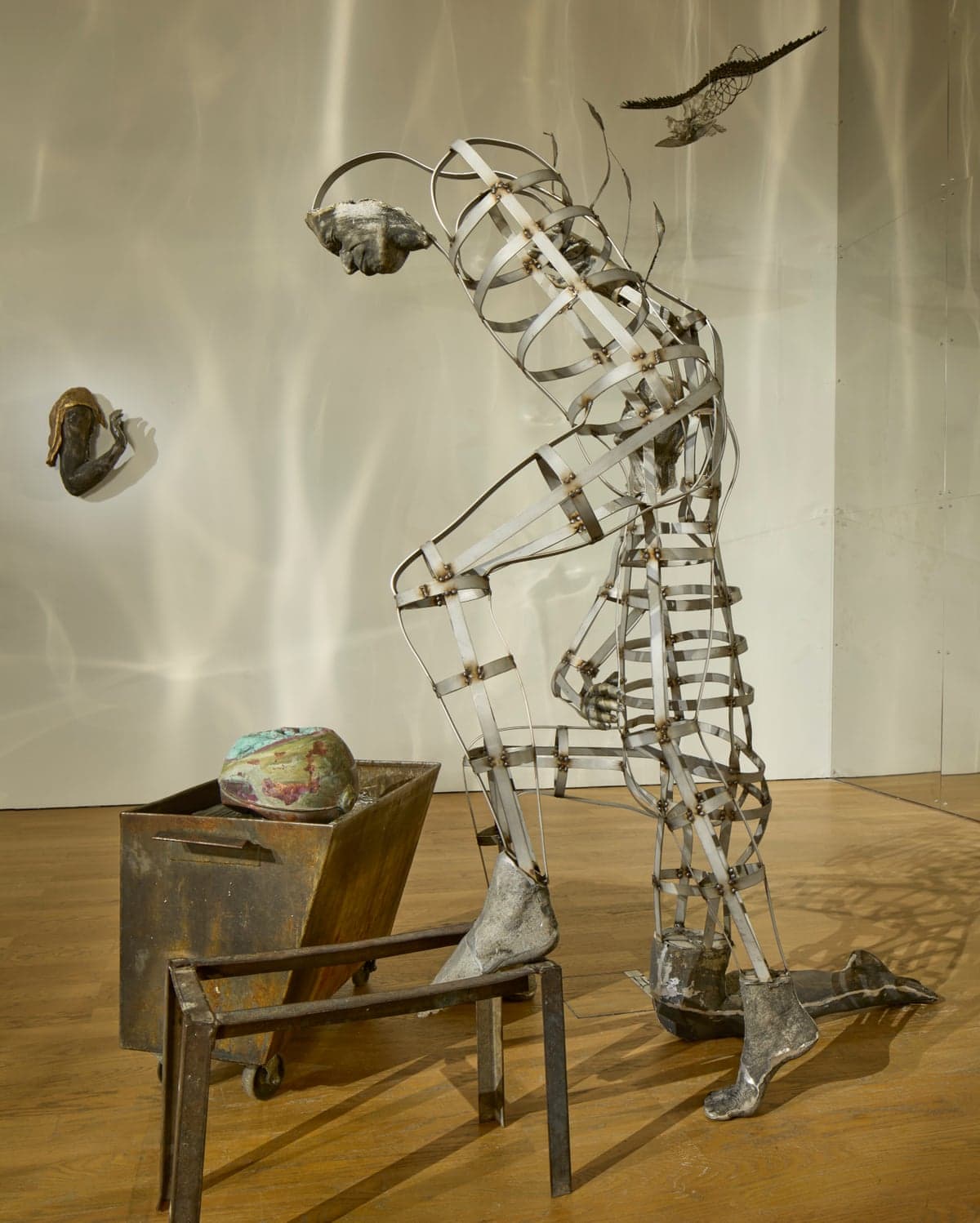
The journey to this milestone began four years ago when curators at the V&A East Storehouse approached Devlin with an unusual invitation. They wanted her to respond to a 1926 theatrical backdrop painted by Russian artist Natalia Goncharova for a Ballets Russes production of The Firebird—a fortified Muscovite cityscape rendered in rust-red and gold against deep blue. Goncharova had described her approach as that of an "everythingist," a term that immediately resonated with Devlin. She created a large-scale sculptural work titled The Everythingists in response, recognising in Goncharova a kindred creative spirit.
Devlin's own career trajectory explains why the label fits so naturally. Since winning the Linbury Prize for stage design in 1995, she has accumulated an extraordinary range of credits: set designs for highbrow theatre and international opera; visual direction for global pop acts including Bad Bunny, Lady Gaga and Beyoncé; two Super Bowl half-time shows; two Olympic ceremonies; fashion runways; and major public sculptures. Her accolades include three honorary doctorates, multiple Olivier, Tony and Emmy awards, the London Medal, an OBE and a CBE.
What distinguishes Devlin's practice is her refusal to compartmentalise. She pairs intricate handicraft and drawing with arena-scale spectacle and sociopolitical engagement, a combination that has caught the attention of contemporary art curators including Hans Ulrich Obrist and Ekow Eshun, as well as theoretical physicists such as Carlo Rovelli.
How did Devlin develop this multidisciplinary approach?
Her childhood shaped her expansive creative philosophy. Born in Kingston upon Thames in 1971 to a journalist father and teacher mother—both of whom she considers artists—Devlin grew up in a household where resourcefulness was prized. When she and her three siblings were all under ten, her parents took in three cousins for a year, fitting seven children into a three-bedroom house.
"Any time there was a Christmas or a birthday, you know, my mum would just say: 'Well, you can't buy anything. Make something,'"she recalls. Her father encouraged her inventions seriously, once suggesting that a complicated game she'd devised might be worth sending to the board game publisher Waddingtons.
When the family relocated to Rye on the East Sussex coast, Devlin encountered formative influences: the theatricality of church services, where she helped arrange communion elements and rang the bell during the Kyrie Eleison, and the town's pagan bonfire pageants. Most memorably, she became fascinated by the Rye Town Model next door—a son et lumière recreation of the town's history with recorded narration. Each building would illuminate as its story was told. Devlin found it mesmerising that
"a building that I lived in was small enough for me to hold. I could look down on my house and think: 'Oh, I can pick it up.' But also, I would go next door and I'd be in my house and my house would be holding me."
Music wove another golden thread through her development. She completed all her grades in violin, clarinet and piano before realising as a teenager that her path would fuse musical knowledge and practice with other disciplines. After studying English literature, completing a foundation course at Central Saint Martins and training on the Motley theatre design course at Royal Drury Lane, that direction crystallised. She won a job designing Christopher Marlowe's Edward II at the Octagon theatre in Bolton, followed by work at London's Bush theatre. Trevor Nunn, artistic director of the Royal National Theatre, saw her work and hired her for Harold Pinter's Betrayal. Then came the Rambert Dance Company's Four Scenes, which inaugurated the new Sadler's Wells in 1998 when Devlin was just 27.
"It was a very rapid baptism of fire,"she says.
When asked if she felt intimidated working at that level with established directors so early, Devlin offers a revealing answer:
"I think I was insufficiently intimidated. By then, I had been in education a long time and there was a lot I wanted to express."This unflappable confidence has since taken her everywhere—from Compton to the Louvre, from Morocco's Agafay Desert to Malawi—collaborating with artists ranging from Rosalía and Kendrick Lamar to Max Richter.
How does Devlin maintain her identity while collaborating with powerful figures?
Young artists frequently ask Devlin how she preserves her creative voice when working with established names and institutions. Her answer reveals her philosophy:
"I actually am not too afraid to lose my identity. By being prepared to lose it, you encounter other aspects that are probably more interesting."Yet she never actually dissolves into someone else's vision, which is precisely why major figures seek her out. She observes that
"what I've observed about powerful people is, it's unfortunate, but a bit like barnacles on a great whale, there are peripheral structures that accumulate around power and fame. And to the powerful person and the famous person, those structures are really uninteresting."
Viewers at the Design Museum will recognise the coherence and distinctly Devlin-like quality of her work regardless of the collaborator. Certain leitmotifs recur: the line of light, the glowing box, the map, the tree-lung, the egg that opens. Her conceptual imperatives remain consistent. She has no interest in decoration; everything must carry meaning. The audience must have agency. Materiality matters. And portraiture is fundamental.
"Everything is both a portrait of the collaborator and a self-portrait at the same time."

What will the retrospective reveal about her practice?
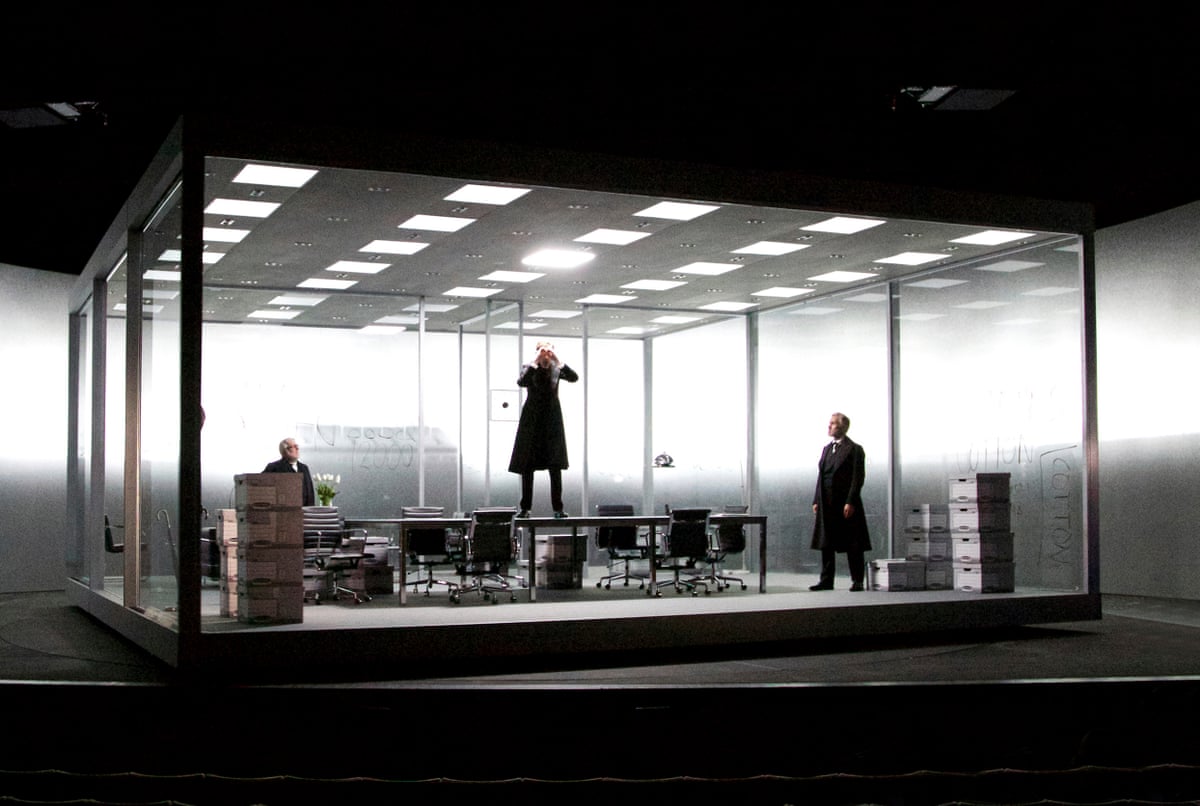
The Design Museum exhibition will map 30 years of Devlin's work across sculpture, film and installation. The show will present the largest solo presentation of her archive to date, featuring archival drawings, paintings, collages, diaries and prints that illuminate her working methods. At its core sits a large circular piece combining several milestone projects: the 2021 mirror-maze installation Forest of Us; the rotating glass box-based set designed in 2018 for The Lehman Trilogy, directed by Sam Mendes; and the Union Jack stadium-floor covering she designed for the London 2012 Olympics closing ceremony.
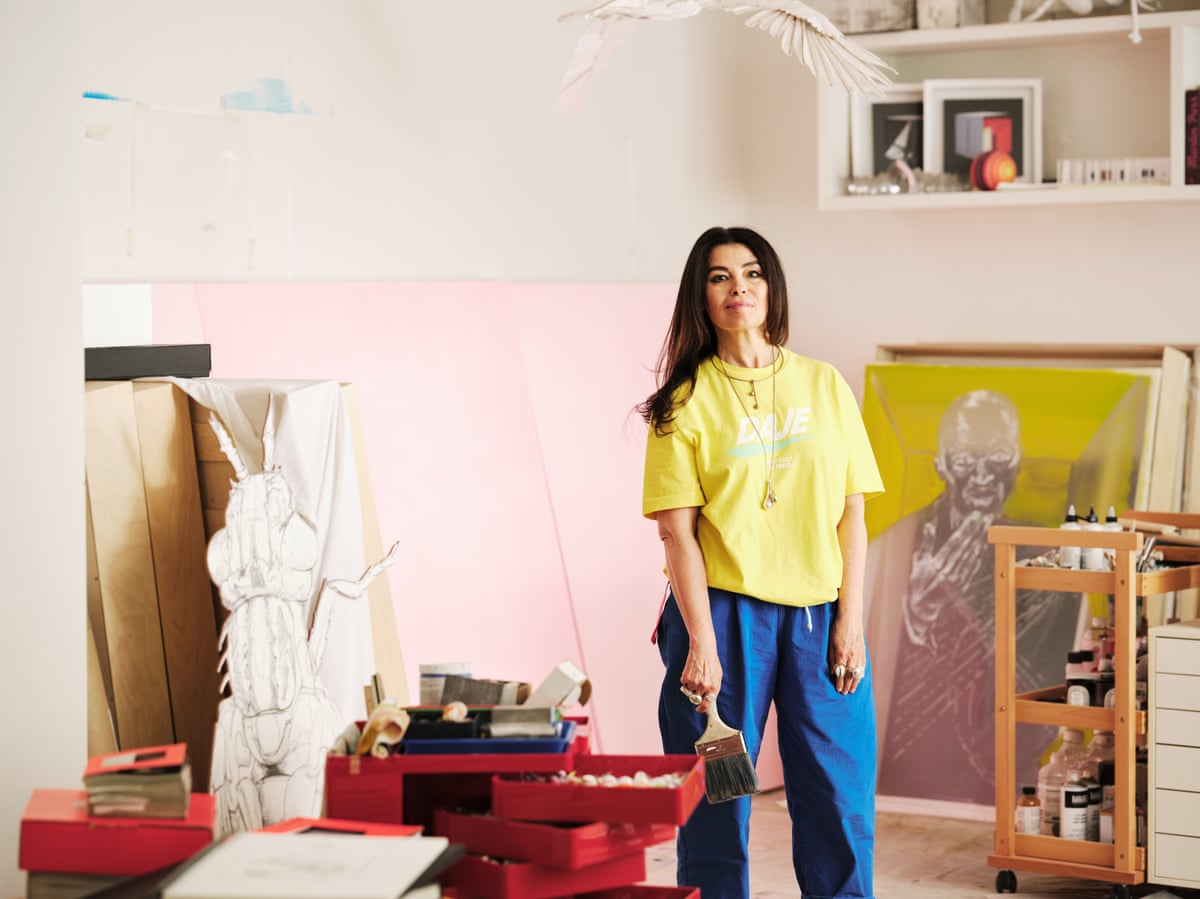
In 2023, Devlin published a monograph titled An Atlas of Es Devlin, a double fold-out list detailing more than 120 projects across her career. A revised edition now adds 30 new projects, testament to her relentless workflow. Recent collaborations include set design for Rajiv Joseph's Archduke at London's Royal Court theatre; a retrospective at Futura Seoul in South Korea; and London Oratorio, a one-night production at the South Bank created in collaboration with musician Jacob Collier, composer Kieran Brunt and scores of the capital's choristers. She is currently designing Olivia Rodrigo's forthcoming arena tour, writing a book, planning a ball and establishing a new studio in Sussex.
When asked how she manages such volume, Devlin explains:
"I get plenty of sleep. But I do have quite a lot of things …"She gestures upward and continues:
"I wouldn't be able to do what I'm doing today if I hadn't done what I did yesterday. It's an accumulation. It's a tree that's growing."The most important thing, she emphasises, is to keep nourishing the trunk by spending time alone in the studio.
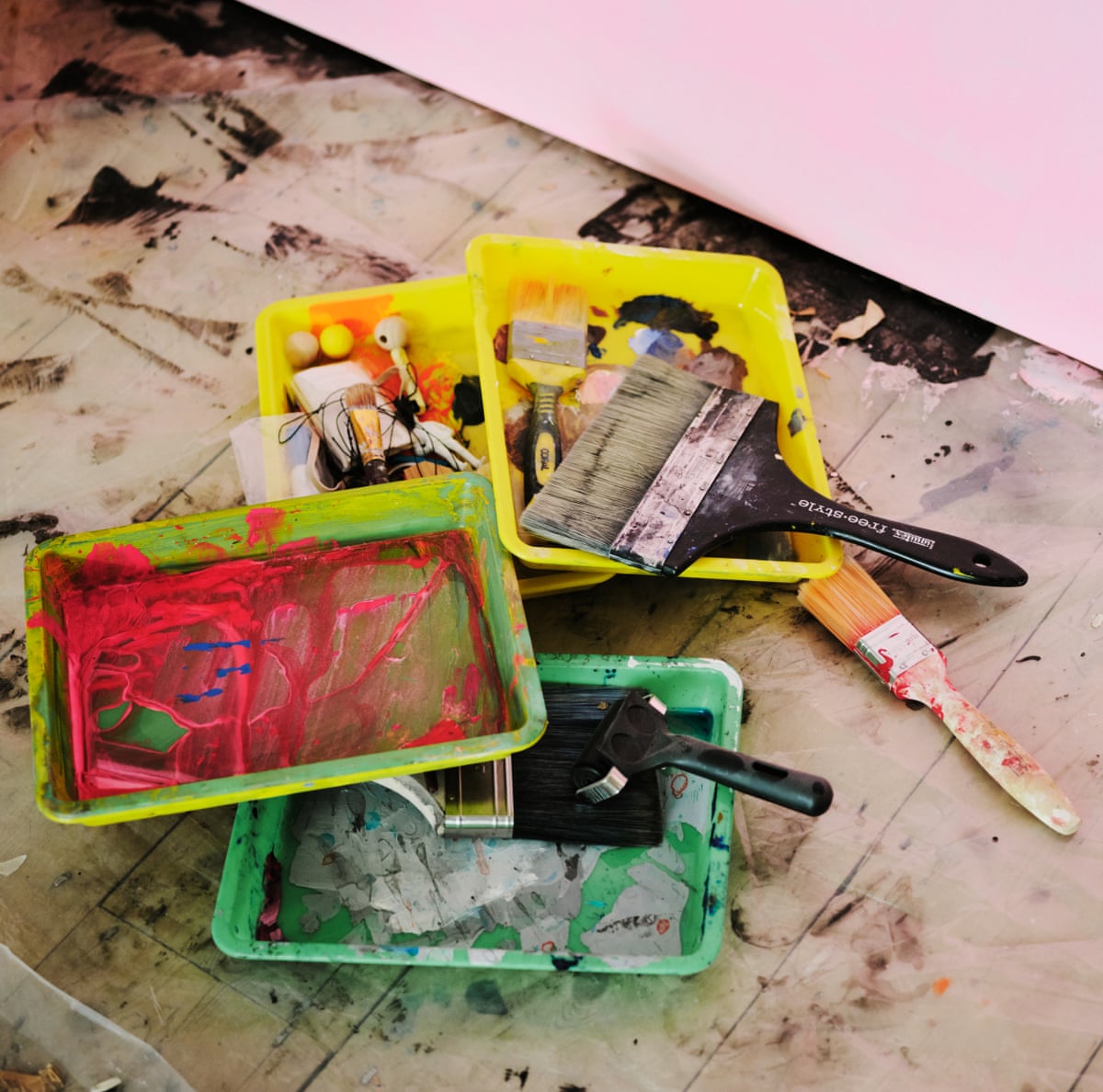
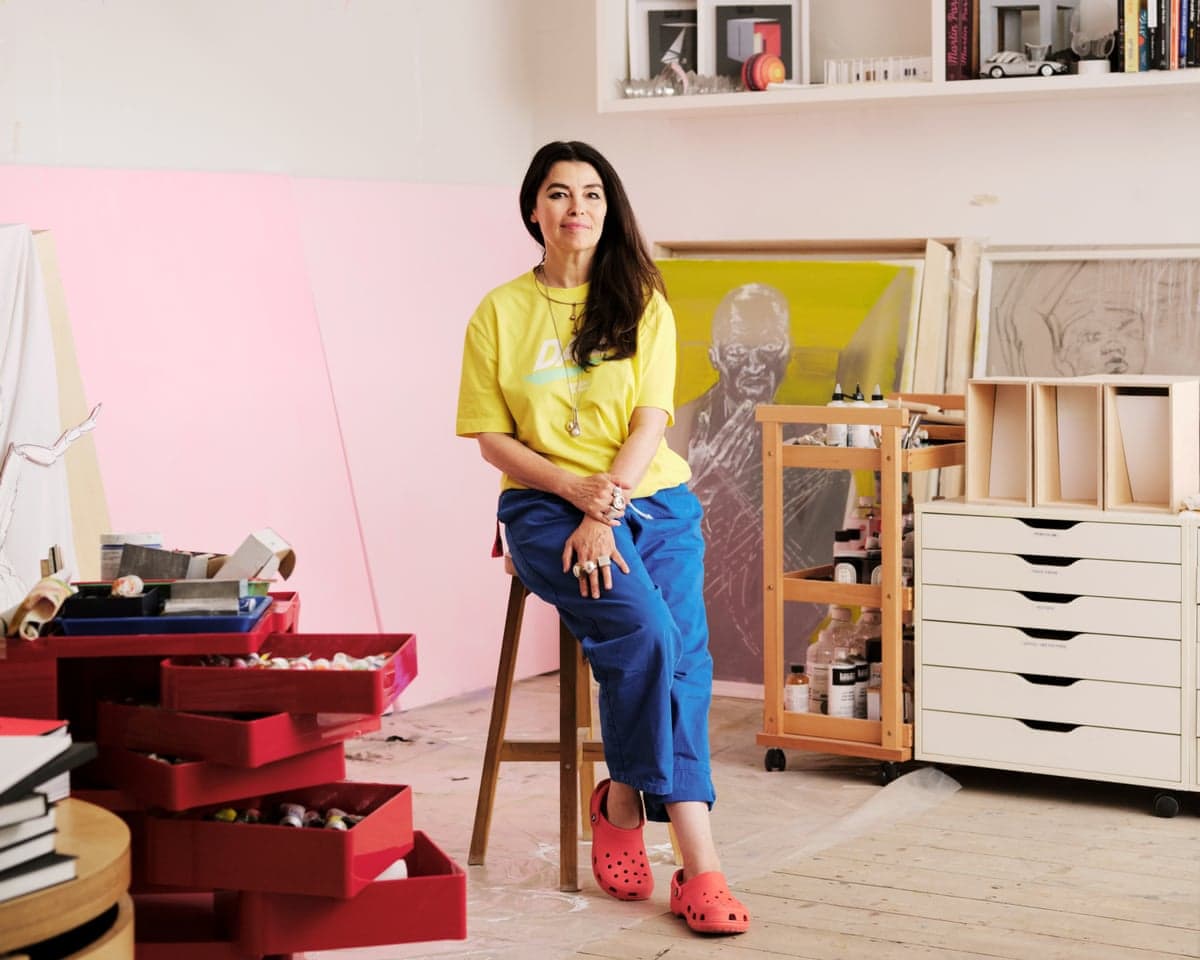
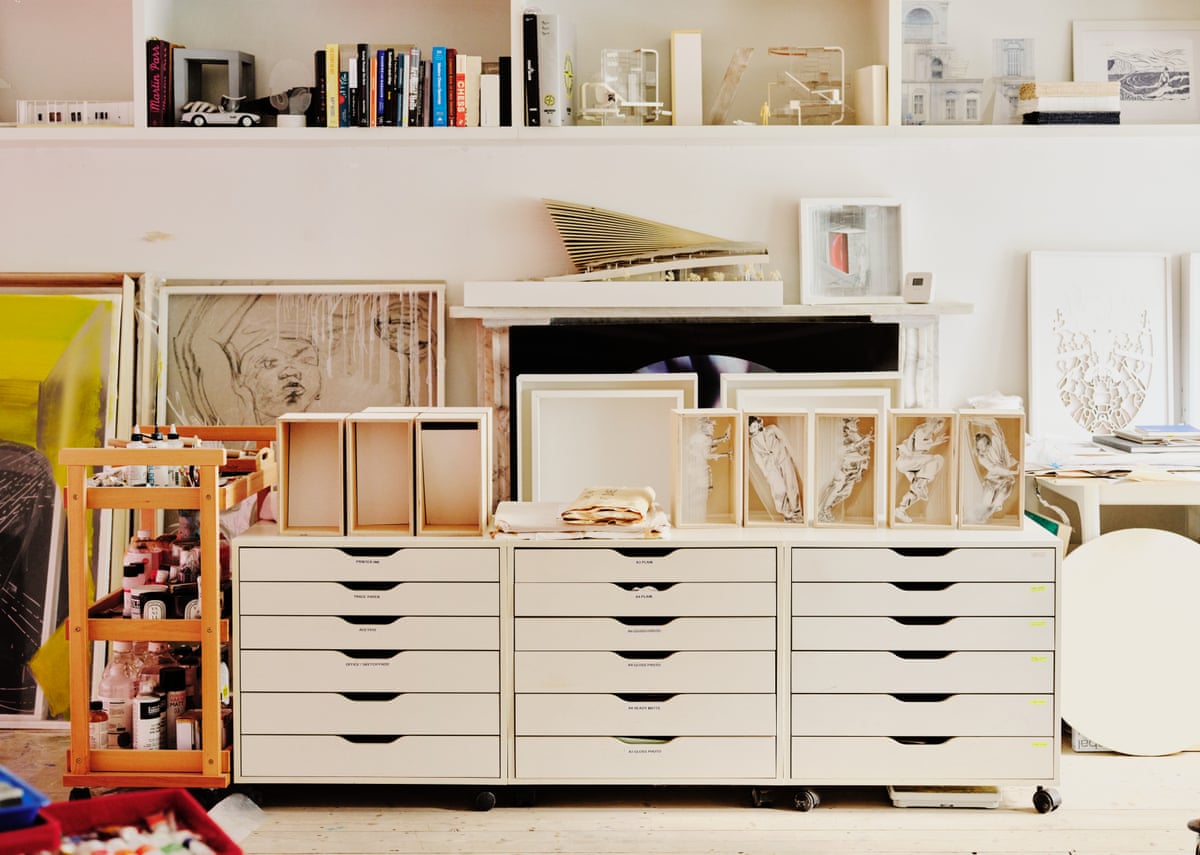
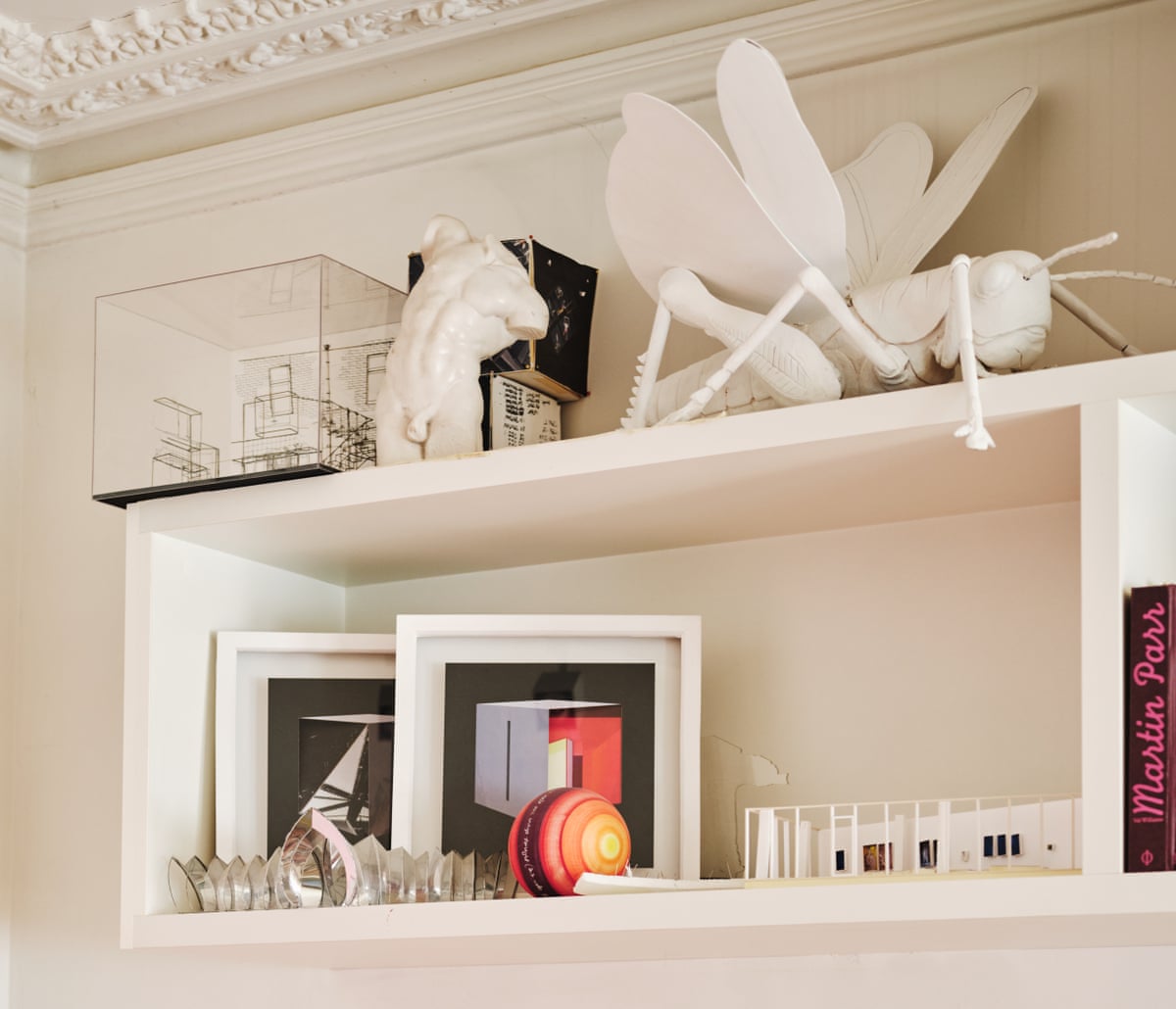
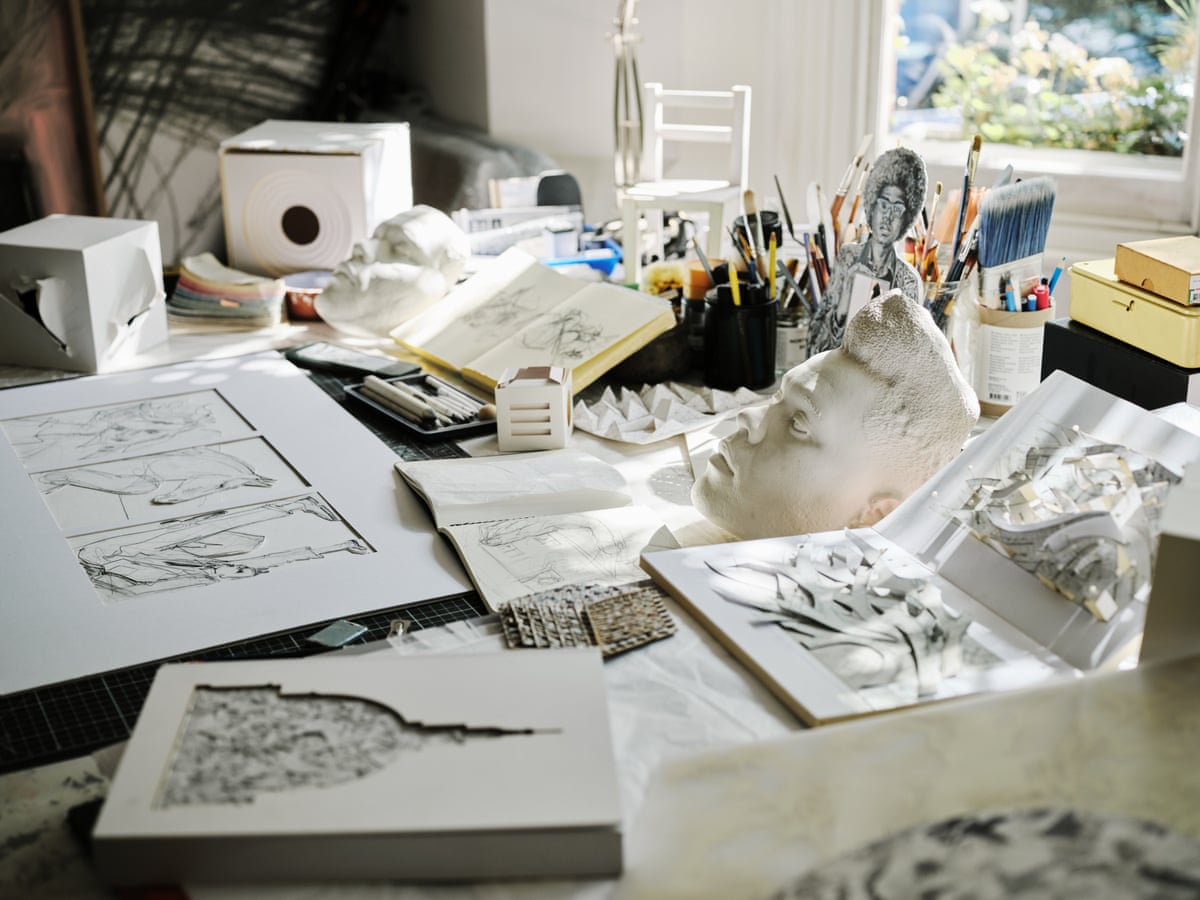
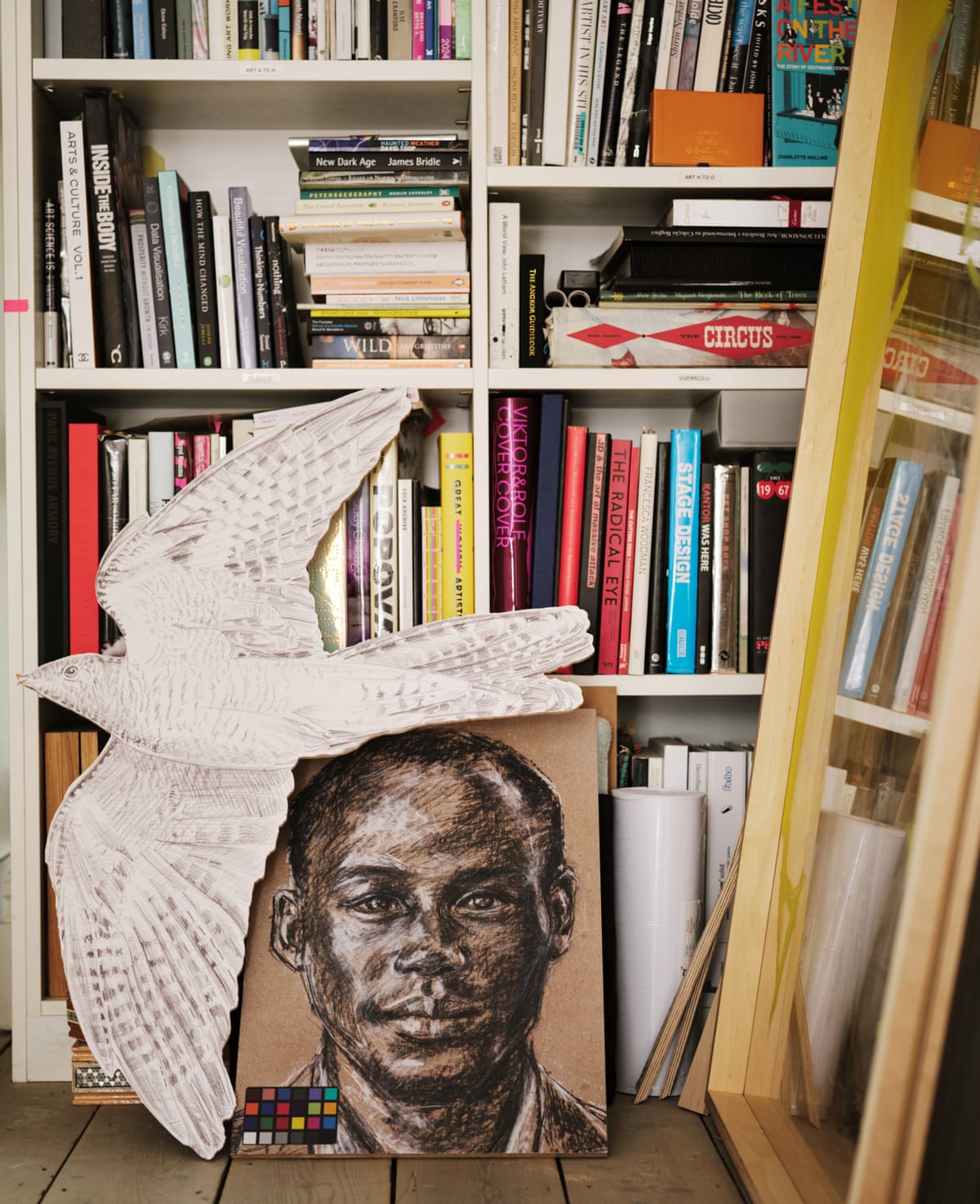
In her south London garden studio, Devlin sits surrounded by the physical evidence of her practice. Two ginger cats move between giant turned-wood vessels on marble surfaces and a pair of sculpted hands roughly the height of a person—maquettes for the floating 25-metre-tall set she designed for Carmen at the Bregenz Festspiele in 2017. The right hand stands guard by the sofas; the left perches in the front studio room surrounded by materials, works and models.
"I'm actually quite excited about moving everything from that studio into the Design Museum because I'll have every space clear and nothing on the walls. And then I just need to sit in there and make stuff."
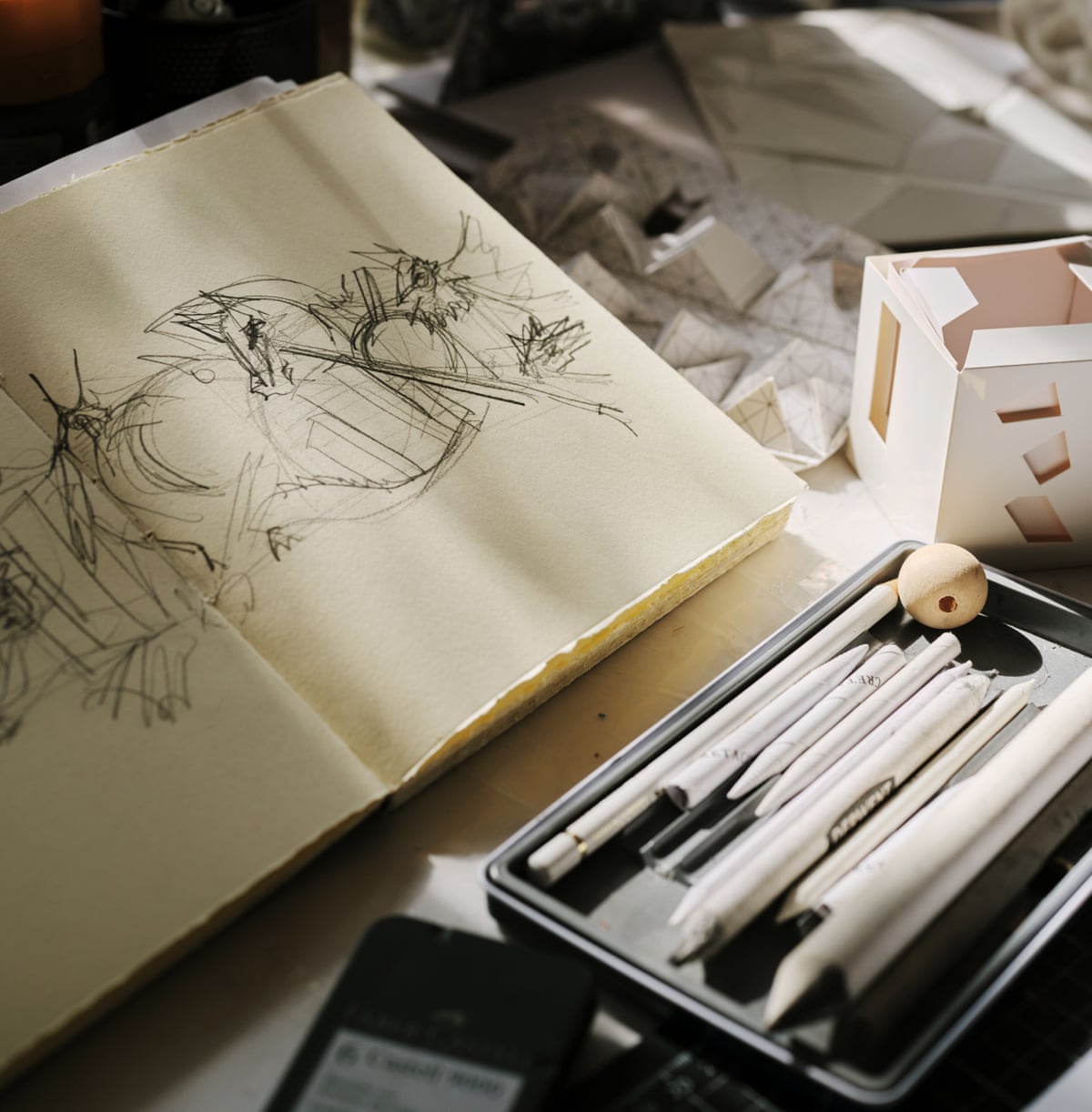
At her Peckham studio in south London, design associates work at computers rendering 2D and 3D visualisations for ongoing projects including Olivia Rodrigo's arena tour and the Design Museum exhibition floorplan. Downstairs, a model-maker adds finishing touches to a tiny maquette of Library of Light, an 18-metre revolving cylindrical bookshelf containing 3,200 books designed for the Salone del Mobile in Milan in 2025. Beside her sit reused takeaway boxes filled with tiny fake books—she estimates she has made about 1,800.
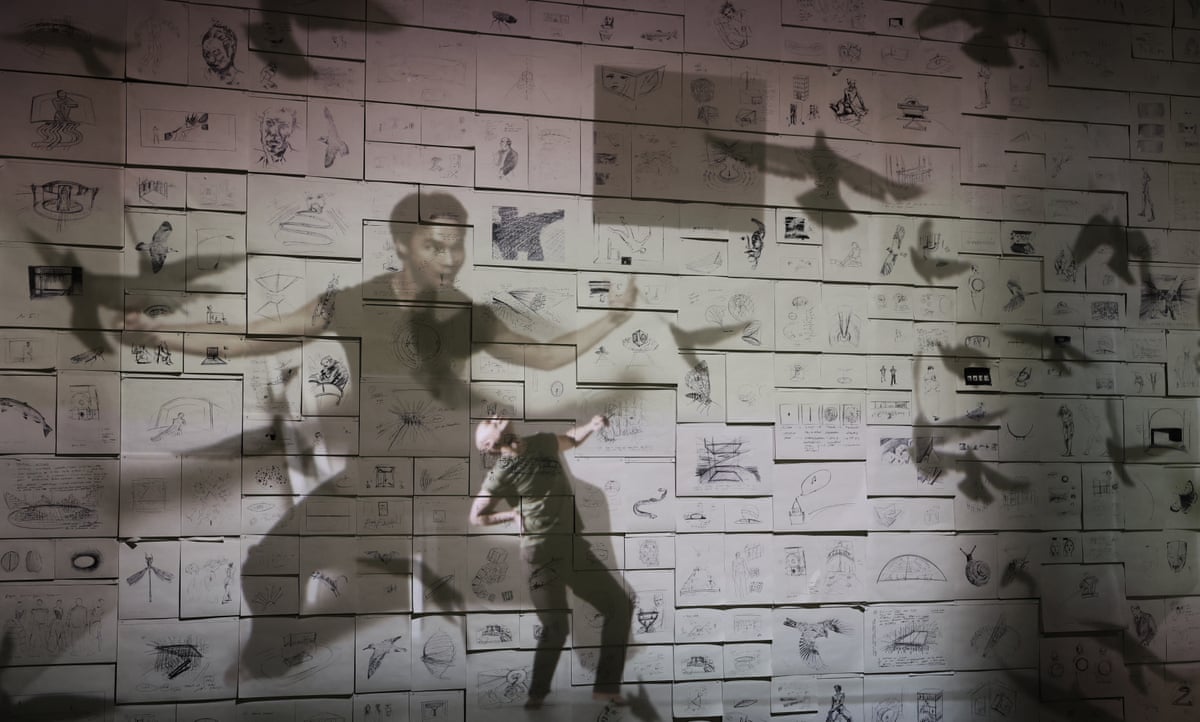
Devlin describes her project management using a system borrowed from filmmaker William Kentridge, who labels his work as "urgent," "desperate," "emergency" or "SOS." Currently, both the Design Museum retrospective and the 2026 British Museum Ball in October—for which she serves as artistic director—carry SOS status. For the museum ball, she and a team member toured the institution and met six staff members with a combined 137 years of experience. What she wants her design to communicate, she says, is the museum's entire staff of 1,000 people. She sees them as protagonists, much like the 50 refugees she portrayed for her UNHCR installation Congregation in 2024, or the 55 million adults invited to participate in her A National Portrait project for London's National Portrait Gallery.
People and real lives sit at the centre of Devlin's practice, evident in how she includes her team in conversations and values their perspectives. One associate trained as an architect but, upon graduating, realised:
"There's got to be something else out there. This is surely not it."Devlin's studio functions as a haven for like-minded seekers interested in everything and wanting more.
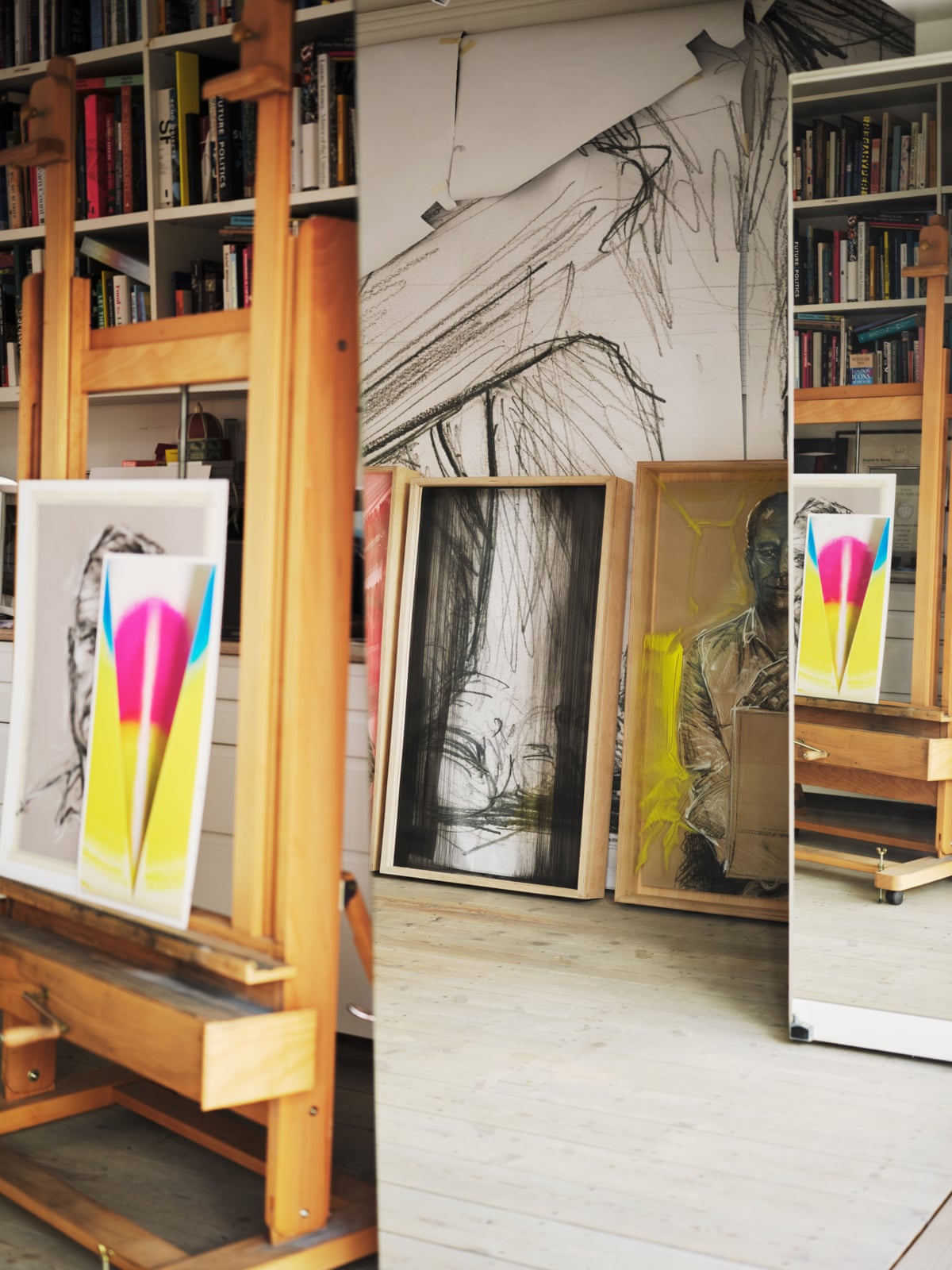
Over coffee and dark chocolate, Devlin shows off prototypes of kinetic silver rings featuring her designs: an iris, a spinning cube, a miniature Venus of Willendorf, an egg that opens to reveal a tree or a lung.
"I'm writing a book called The Compass of Es Devlin,"she explains,
"which is sort of elucidating various practices that have helped me. And these are to help me remember them. It's almost like they're little cues."Watching her manipulate these tiny sculptures or sign her name in a book reveals what she must have been like as a small child—utterly absorbed in the creative task at hand.
When reflecting on her philosophy, Devlin returns to the phrase that troubled her teachers:
"When I was at school, the teachers used to say: 'You're a jack of all trades and master of none,' and it's only recently that I learned that phrase actually has another couplet, which is, 'But oftentimes better than a master of one.'"To her mind,
"it's an injustice to the condition of being alive to seek only depth at the expense of breadth. I think you actually achieve greater depth if you expand your line of inquiry."
What happens next?
The Design Museum's retrospective opens on 2 October 2026 and runs until 4 April 2027. An Evening with Es Devlin is scheduled for 2 October 2026, the opening day. The museum will offer multiple access options throughout the run, including a British Sign Language tour on 30 October 2026, an audio-described tour on 6 November 2026, and a curator tour on 4 December 2026. The exhibition will feature artworks, installations and film alongside a replica of Devlin's London studio and a large circular "30-Year Desk" created specifically for the gallery, presenting her first retrospective in Europe.