Xbox Series X|S, Xbox on PC and Steam; The Coalition/Xbox Game Studios. Gears of War: E-Day delivers the franchise's most refined combat mechanics in two decades, yet stumbles badly when it comes to mission design, pacing and environmental variety. The prequel, which takes place 14 years before the original Gears of War, arrives with considerable promise but fails to sustain momentum across its campaign.
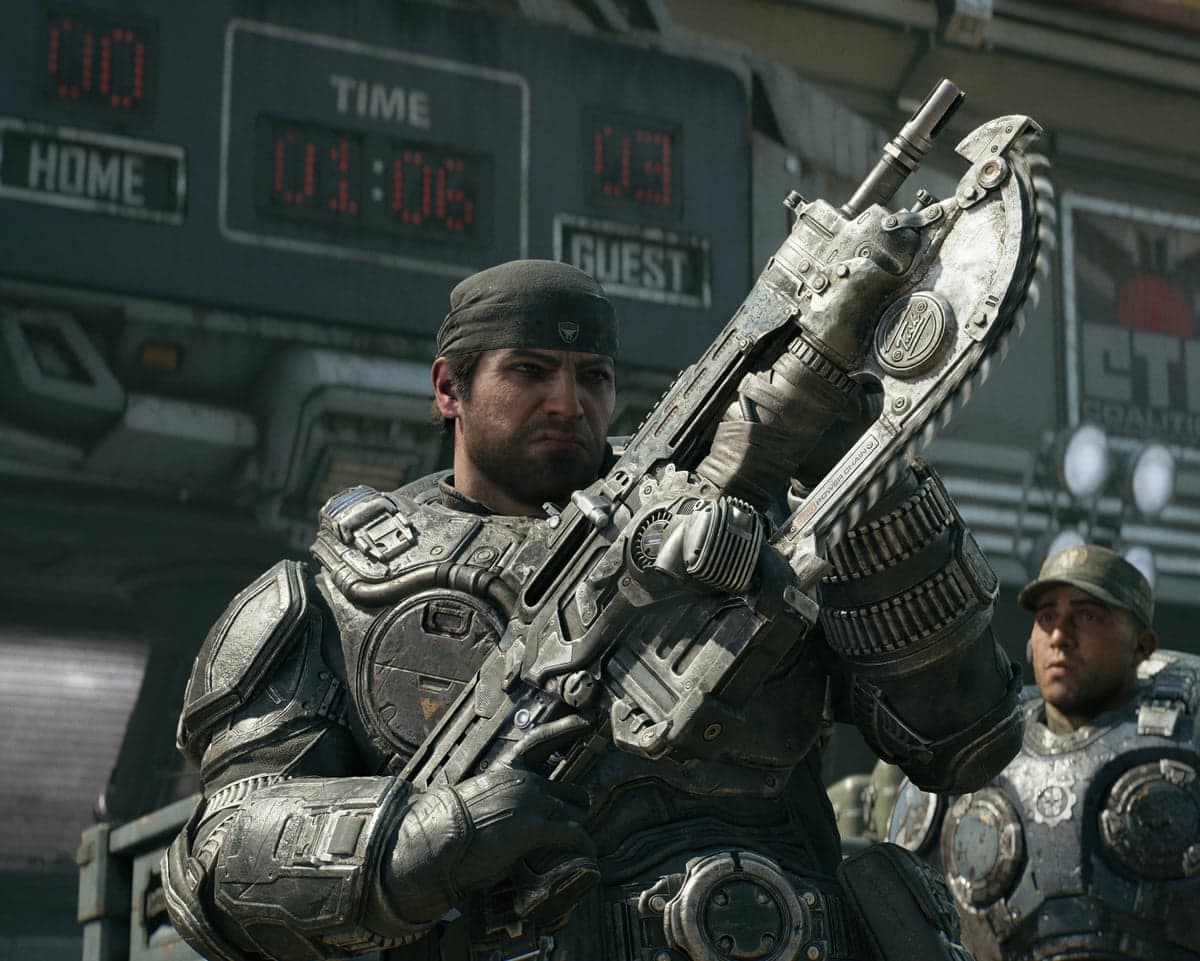
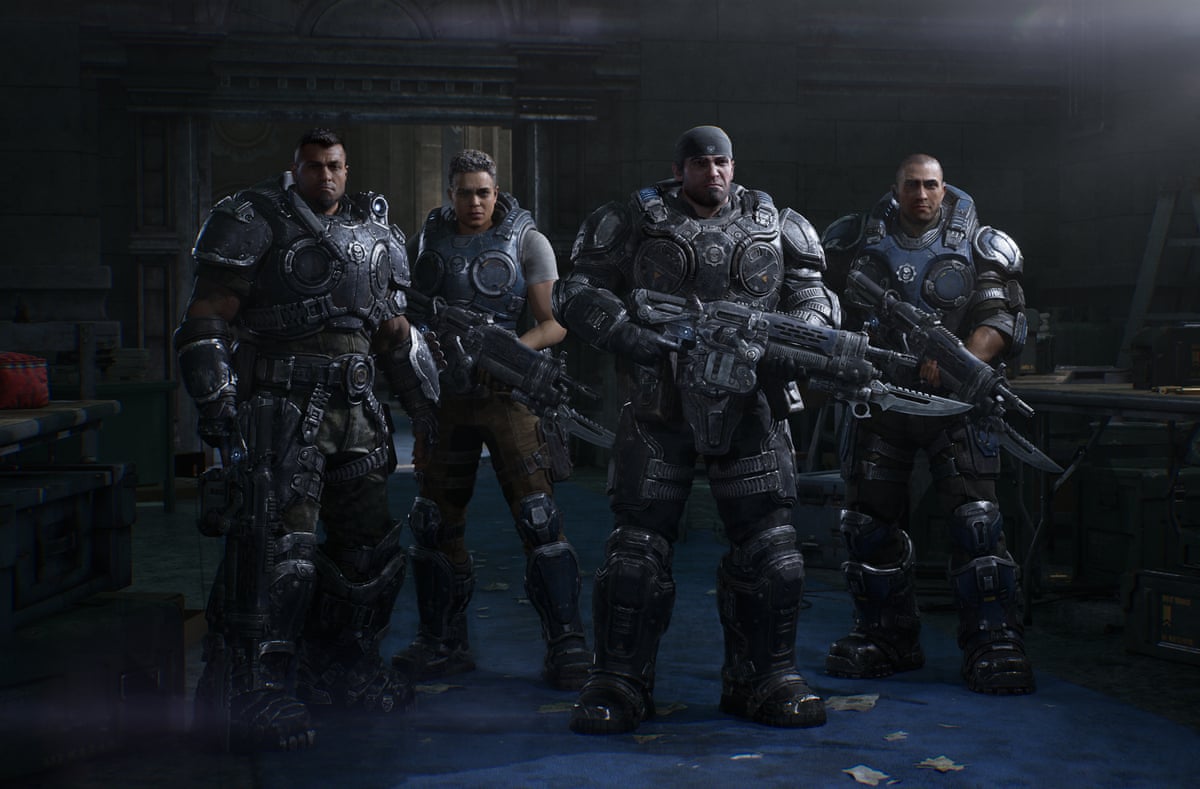
Every instalment in the Gears of War franchise over the past two decades has treated Emergence Day with reverence – the moment when alien creatures burst from beneath the earth, driven by primal aggression. E-Day places you directly in that catastrophe: police vehicles overturned, the ground splitting open, civilians fleeing in panic, and extraterrestrial beings tearing through the urban landscape. You command a squad of four soldiers – Marcus Fenix as leader, Dom seeking retirement, Lucas a fresh-faced cadet, and the court-martialled Mags – tasked with stemming the invasion through firepower and tactical positioning.
Rather than resolving threads left dangling by previous entries, this origin story rewinds to explain Marcus's distinctive facial scar and the genesis of the chainsaw-equipped assault rifles that define the series. Every mystery the narrative previously left open is now answered, transformed into visual spectacle and exposition.
The opening chapters suggest a return to form. Funnelled through devastated urban combat zones with abundant flanking paths and rubble-strewn cover positions, early missions evoke the horror and grit of the original games. Yet the experience extends well beyond its welcome. The developers, constrained by the Emergence Day setting and its immediate aftermath, force repetition upon the player. You traverse the same bridge three times. Daylight transforms to darkness, and you retrace identical routes. The two attempts at variety – a helicopter gunner sequence and a slow-paced dialogue section – feel perfunctory. The temporal and geographical limitations become a creative straightjacket.
Where does the horror go?
E-Day achieves its strongest moments when it embraces darkness, confines you to tight spaces, and amplifies dread. These sequences, however, constitute a fraction of the overall campaign. The majority unfolds across sprawling, open areas saturated with collectibles. Hundreds of items scatter throughout, each triggering an audio notification when proximity triggers it. During one emotionally charged scene where a psychologically damaged character finally breaks down, the collectible chime obliterated the character's dialogue, reducing a moment of vulnerability to background noise beneath a loot alert.
How does exploration work?
These expansive levels demand map consultation to navigate effectively, and they're dotted with secondary objectives – typically small horde-defence scenarios where you establish fortifications and repel enemy waves. Gears 5 equipped players with vehicles to traverse these spaces efficiently. Here, you're relegated to foot travel, attempting to cover maximum ground while avoiding accidental triggering of story progression. Stray into a main objective unintentionally and attempt to backtrack, and the game punishes you with a mission failure screen. The game simultaneously demands exploration and penalises it, creating a fundamental design contradiction.
What makes the combat work?
Strip away the structural bloat and the mechanical foundation is exceptional. This represents the finest combat the franchise has achieved. Character movement feels fluid and responsive – soldiers heave into cover, slide beneath debris, and vault with an athleticism that would astound the ageing Marcus Fenix of earlier games. The environment responds dynamically to combat: glass shatters into scattered fragments, vehicles rock from impacts, petrol stations ignite catastrophically, and structural supports crumble with cinematic flair. Blood and viscera coat surfaces after engagements conclude.
Cover mechanics feel organic, blending seamlessly between exploration and combat encounters. Weapons carry substantial weight and menace, particularly the acid-spitting shotgun. The active reload system – requiring timed button inputs for accelerated reloads and amplified damage – remains an elegant design choice that maintains engagement during firefights. The series' signature bloody, tactical, cover-based combat remains unmatched in the industry.
What's the release schedule?
The game has gone gold with pre-installation beginning September 29. Premium Edition purchasers gain early access on October 1, 2026, while the worldwide launch occurs on October 6. The title will be available on day one through Game Pass Ultimate and PC Game Pass, alongside standard retail availability across Xbox Series X|S, PC, and Steam platforms.
Gears of War has endured as a franchise precisely because its particular brand of visceral, tactical, cover-based combat stands unrivalled. E-Day squanders this foundation through uninspired mission architecture, environmental repetition, and a campaign that exhausts its conceptual palette within the first few hours and never recovers. The combat excellence cannot compensate for a design philosophy that mistakes safety for substance, resulting in an experience that feels obligatory rather than inspired.