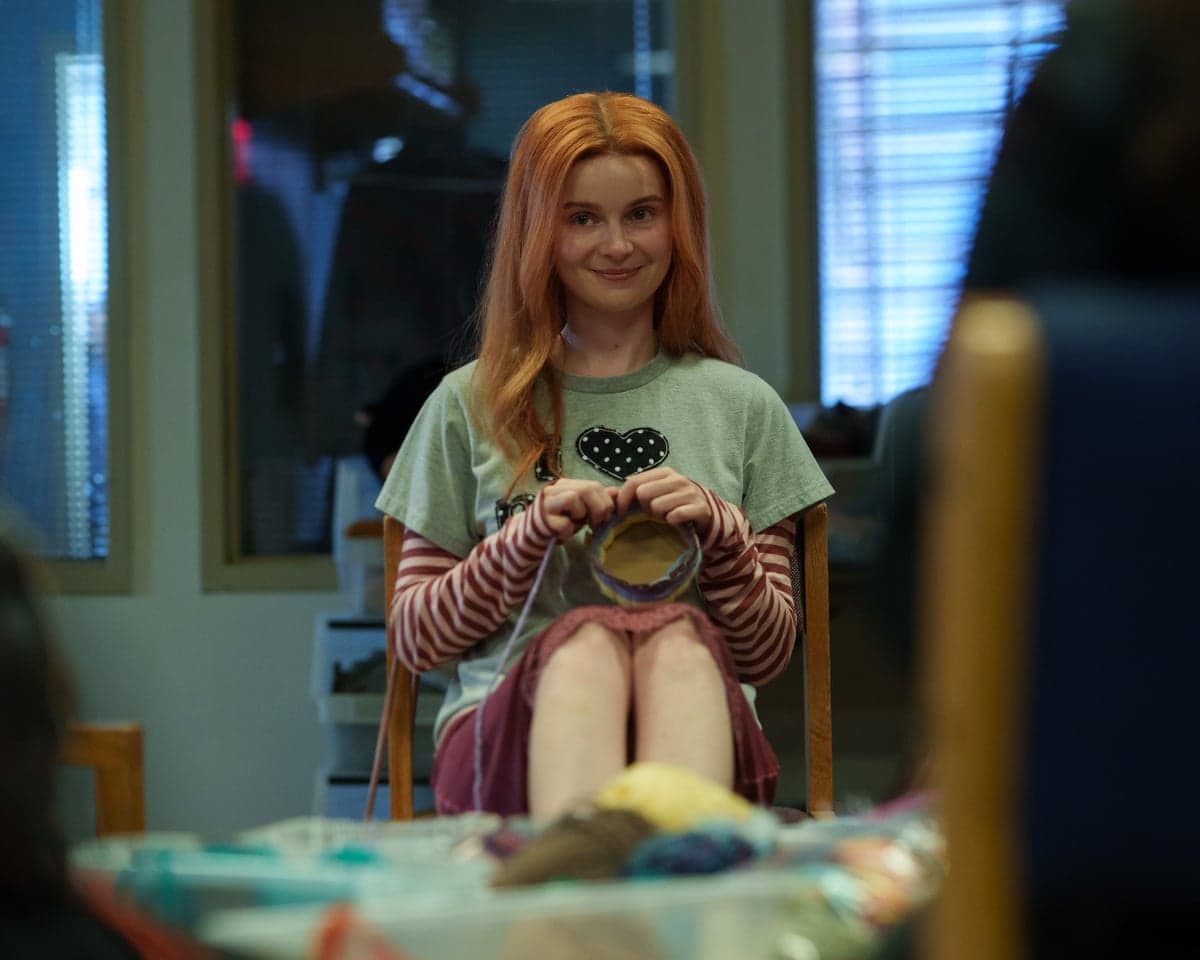
A television drama centring on a woman who murders the wealthy men who trafficked and abused her has just concluded its first season with a finale that manages to be both cathartic and unflinching. The series, which premiered on Disney+ in the UK on 27 July 2026, combines thriller mechanics with a searing examination of institutional failure and the fantasy of reclaimed power, earning recognition as one of the year's most accomplished dramas.
The opening moments establish the show's willingness to unsettle. On Halloween night, a woman known as Catherine Grace (portrayed with remarkable depth by Lola Petticrew) enters a man's home wearing a disturbing kitten mask. He lies on the floor, struggling to breathe and pleading for mercy. Catherine alternates between playful banter and tenderness before her patience evaporates. She retrieves a syringe of fentanyl from a pencil case adorned with sparkles and jewels, and administers a fatal dose.
What initially appears to be conventional crime drama quickly subverts expectations. The narrative reveals that Catherine was forced into sex trafficking as a teenager and is now systematically eliminating predatory, powerful men from her past. Her existence has been defined by a network of abuse, violence, abandonment and systemic indifference. She has chosen to seize control through her own fractured means.
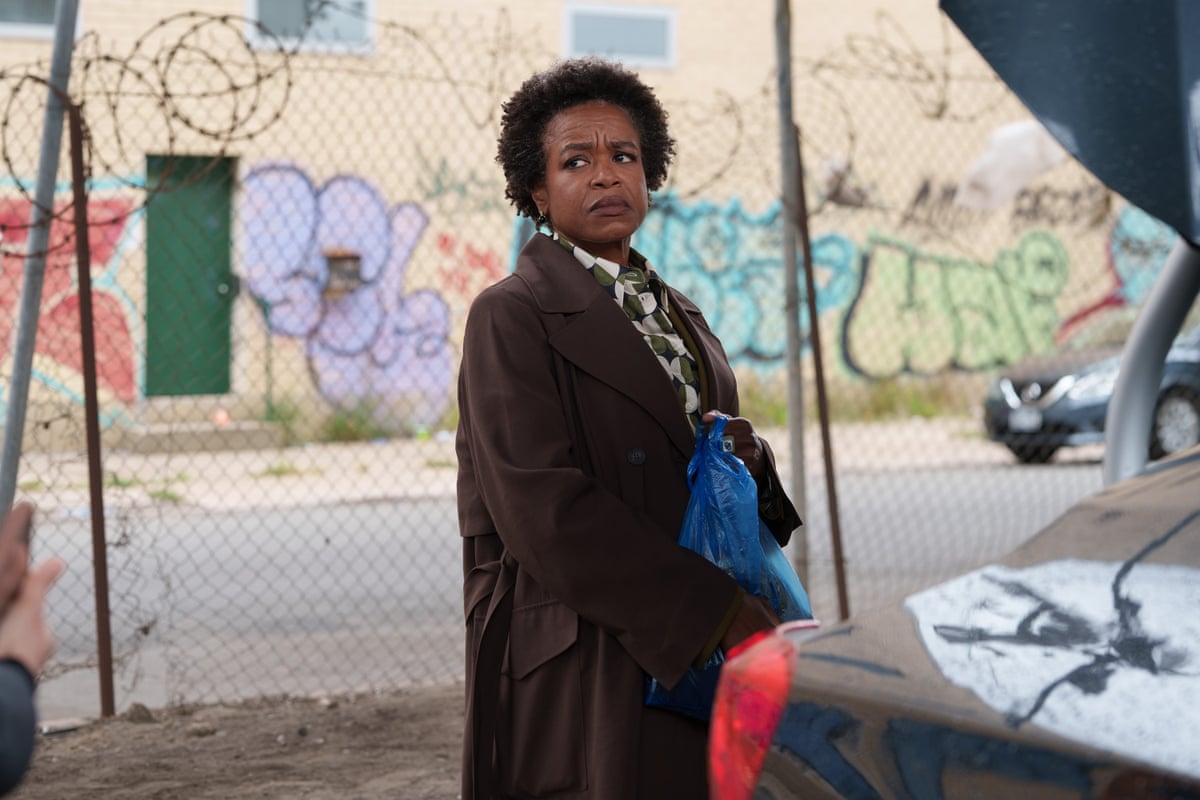
The investigation lands on the desk of Alice Black (Emmy Rossum, delivering what may be the defining performance of her career), a former New York Police Department homicide detective newly recruited to the Federal Bureau of Investigation. Her supervisor, Nora Washington (Quincy Tyler Bernstine, equally commanding), directs the unit handling sex crimes and crimes against children. She self-medicates to endure the daily horrors of her work and possesses television's darkest humour. She recognises both the capacity and the suffering within Alice, assigning her to the case. As the narrative unfolds, both women confront the personal cost of pursuing justice when institutional pressure repeatedly demands they abandon their efforts.

How does the show treat its complex characters?
Few recent dramas have demonstrated such confidence in their viewers' capacity for moral reasoning. Every figure here carries contradictions and flaws. Moral ambiguity runs through the series' foundation. Alice departed the NYPD after her ex-boyfriend, detective Marshall Connelly (Jake Lacy, genuinely menacing), assaulted her. Her former colleagues have largely rejected her—some disbelieve her account, others simply do not care. She navigates the intricate aftermath of trauma, and the show refuses to simplify or sanitise these psychological realities. The result is an unflinching, unusually honest portrayal of women living with post-traumatic stress.

What does the show say about justice?
Once Alice begins pursuing Catherine, the series transforms into an ambitious interrogation of justice itself—specifically, what justice might mean for women denied access to it through official channels. The show barely restrains its fury, and by the final episode, few viewers would expect it to. Catherine and innumerable girls like her have had their futures obliterated by men convinced of their own untouchability.
"I didn't get to decide a fucking thing about my life,"she declares in one of the season's most shattering moments.
The story's contemporary resonance amplifies its emotional impact. The parallels to the Epstein scandal are neither subtle nor accidental. Wealthy men purchase silence to conceal their crimes. They operate openly, daring anyone to stop them. A significant photograph depicts trafficked adolescent girls alongside older, affluent men. One can only speculate whether this programme will find its way onto certain royal streaming accounts.

Yet what the series ultimately offers is a fantasy of power—seized and redirected toward women from whom it has been stolen, if they ever possessed it at all. One character describes Catherine as
"five feet tall with her fuckin' socks on,"making her ability to overpower her victims itself a kind of fantasy. The finale faces an extraordinary challenge: maintaining the story's bleak tone while delivering some form of catharsis or satisfaction for the women audiences have grown attached to. It succeeds by embracing magical thinking without abandoning the harsh reality underneath. Some perpetrators face consequences, whether through legal systems or extrajudicial means. Others receive accolades despite their crimes. Though messy, the resolution satisfies because it acknowledges that justice was never going to be orderly.
What makes this show stand out?
Furious operates simultaneously on multiple levels. As a thriller, it grips viewers through murder mysteries and manhunts that expose systemic corruption. As an emotional experience, it functions as a sophisticated act of psychological release. The revenge fantasy offers what often feels like essential catharsis. The series has already been greenlit for a second season, a decision that makes sense given the abundance of predatory men still operating with impunity.
The eight-episode first season was scheduled to conclude on 31 August 2026, with the first three episodes available at launch and subsequent instalments arriving weekly. The series is loosely inspired by the 1987 film Black Widow, though it charts its own distinctive path through themes of exploitation and retribution.
Key Facts
- Emmy Rossum and Quincy Tyler Bernstine deliver career-best performances as FBI agent Alice Black and her supervisor Nora Washington
- The narrative draws deliberate parallels to real-world trafficking cases, particularly the Epstein scandal, without relying on explicit references
- The season finale manages to provide emotional resolution while refusing to soften the show's unflinching examination of institutional failure
- A second season has already been commissioned, suggesting confidence in the show's cultural impact and storytelling potential