Daniel Goldhaber's 2026 reimagining of John Alan Schwartz's notorious 1978 film Faces of Death strips away the original's shock-documentary format and rebuilds it as a contemporary moral fable about online content consumption and the human cost of digital voyeurism. Rather than a straightforward remake, Goldhaber and co-writer Isa Mazzei have crafted what the director himself described as "a movie about Faces of Death" — a postmodern reckoning with how audiences engage with extreme imagery in an age of algorithmic distribution and content moderation.
The original 1978 film emerged during the home-rental boom as an ultra-morbid entry in the so-called mondo shockumentary genre, combining genuine and fabricated gruesome footage to achieve sleepover notoriety before landing on the DPP's "video nasty" list. Goldhaber's version retains fragments of that source material, integrating them into a digital-age narrative that initially evokes the aesthetic concerns of films examining how screens reshape human behaviour and appetite.
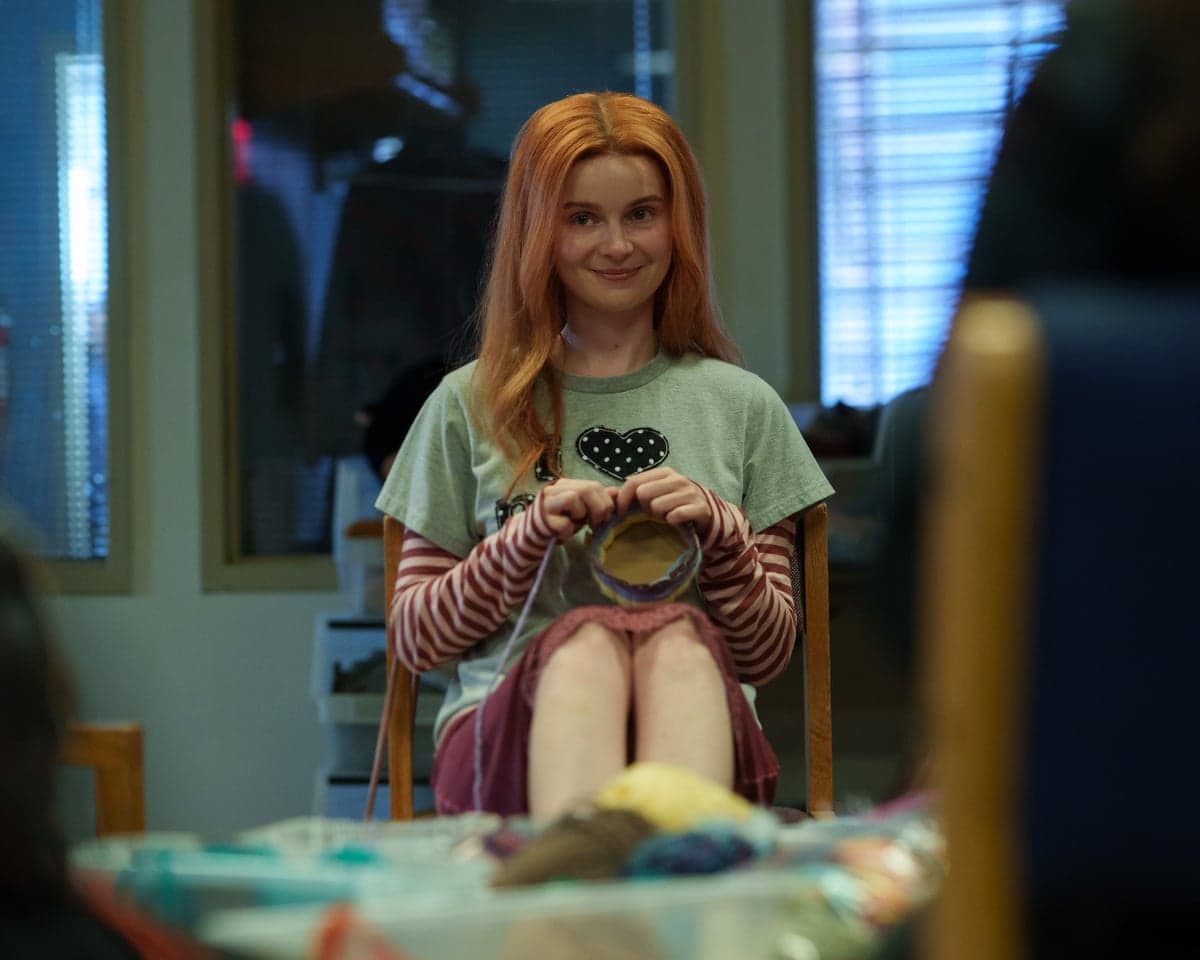
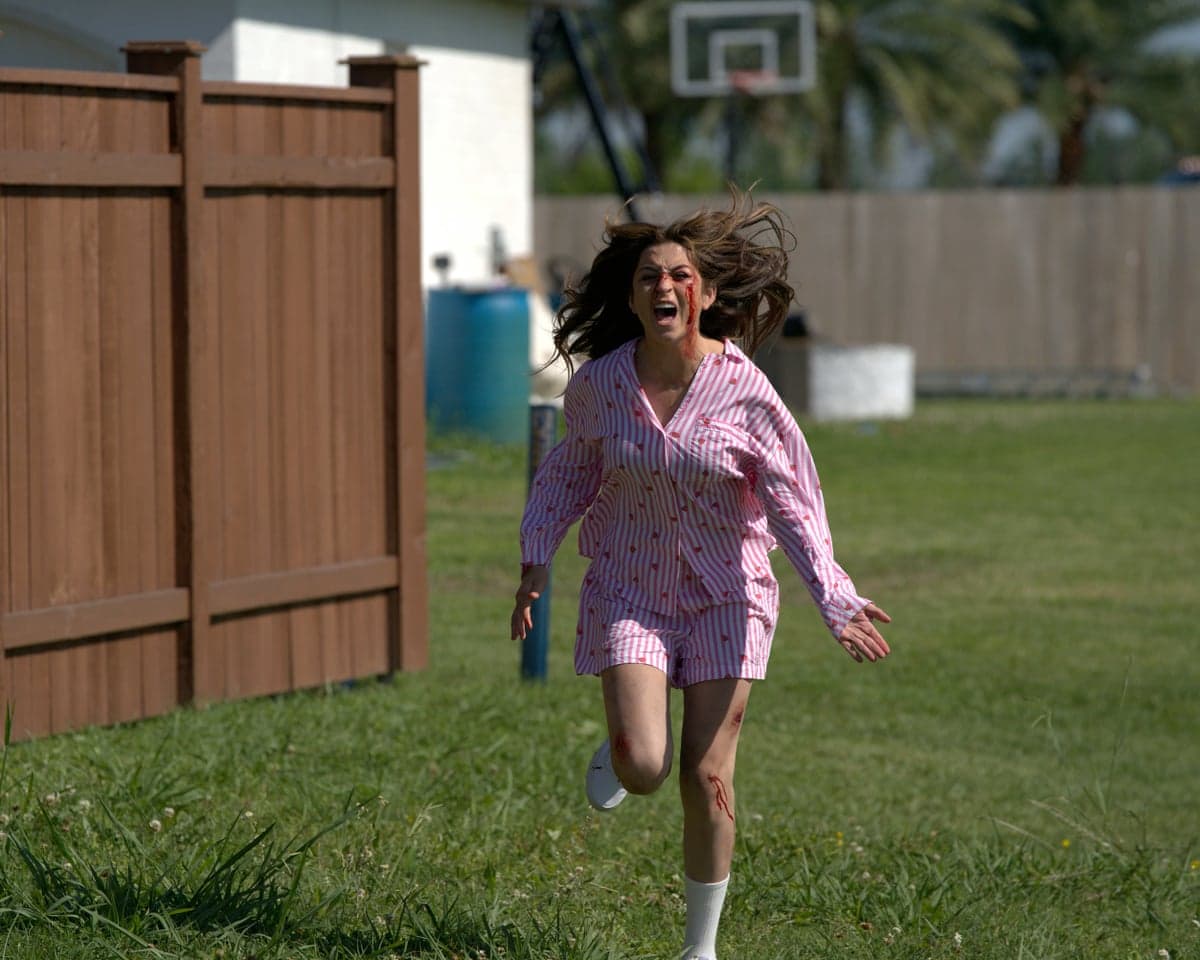
Barbie Ferreira delivers a committed performance as Margot, a pill-dependent content moderator working within a tech corporation's sterile headquarters, tasked with flagging user-generated footage with appropriate warnings. Haunted by memories of a devastating train-track incident that circulates virally online, Margot finds her already demanding workload intensifying when pristine HD versions of the original Faces of Death material begin appearing in her moderation queue. Her supervisor, played by Jermaine Fowler, pressures her to approve the clips, citing strong engagement metrics for DIY horror content. The situation escalates when a masked perpetrator, portrayed by Dacre Montgomery, begins orchestrating his own violent remake using real victims, forcing Margot deeper into a spiral of escalating trauma and pharmaceutical dependence.
The film's supporting cast includes Josie Totah, Aaron Holliday, and Charli XCX, expanding the ensemble beyond its central trio. The production, written by Goldhaber and Mazzei, premiered at Beyond Fest Chicago on April 5, 2026, before its theatrical release on April 10, 2026. Independent Film Company and Shudder secured North American distribution rights, launching the film across 1,678 theaters with $892,000 in preview and Friday ticket sales.

Where the film succeeds and falters
The remake's most incisive moments articulate a sharp critique of digital-age consumption: audiences locked to bloodied screens, egging one another toward escalation, themselves egged on by profit-driven executives indifferent to ethical consequence. This astute social commentary examines how platforms monetise extreme content while moderators absorb its psychological toll — a genuinely urgent subject in an era when covert filming and non-consensual content distribution have become widespread concerns.
Yet this underlying intelligence becomes undermined by the film's retreat into conventional commercial horror aesthetics. Goldhaber packages his critique within a bog-standard slasher framework: straightforward kill sequences framed in Scream-like quotation marks, glib supporting characters delivering on-the-nose dialogue about internet speed and viral mechanics. The tonal inconsistency suggests producer pressure to maintain accessibility for mainstream audiences rather than risk the unblinking rigour that might have elevated the material into genuine indictment.
Had Goldhaber sustained his conceptual nerve, he might have updated not merely the original Faces of Death but the uncompromising video-voyeurism critique that defined earlier works in the genre. Instead, reassuring winks punctuate the narrative, offering viewers moral absolution. Whether the footage onscreen registers as authentic or fabricated, grotesque or comedic, everything flattens into interchangeable content — a thematic point that ironically mirrors the film's own capitulation to genre convention.
Availability and audience reach
Following its theatrical run, the film expanded its reach when Shudder began streaming the film on July 10, 2026, making it accessible to the platform's horror-focused r base and extending its commercial lifecycle beyond theatrical windows.