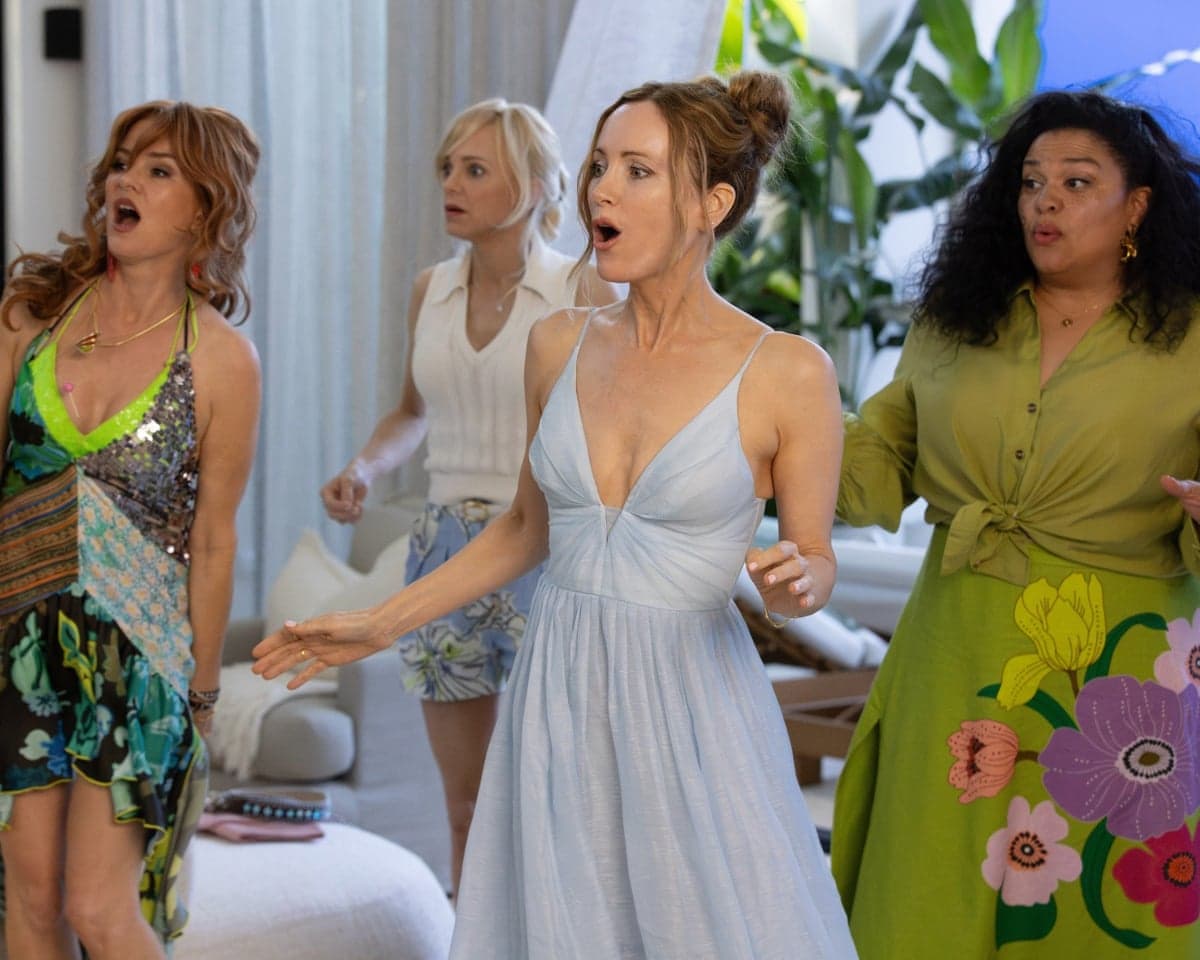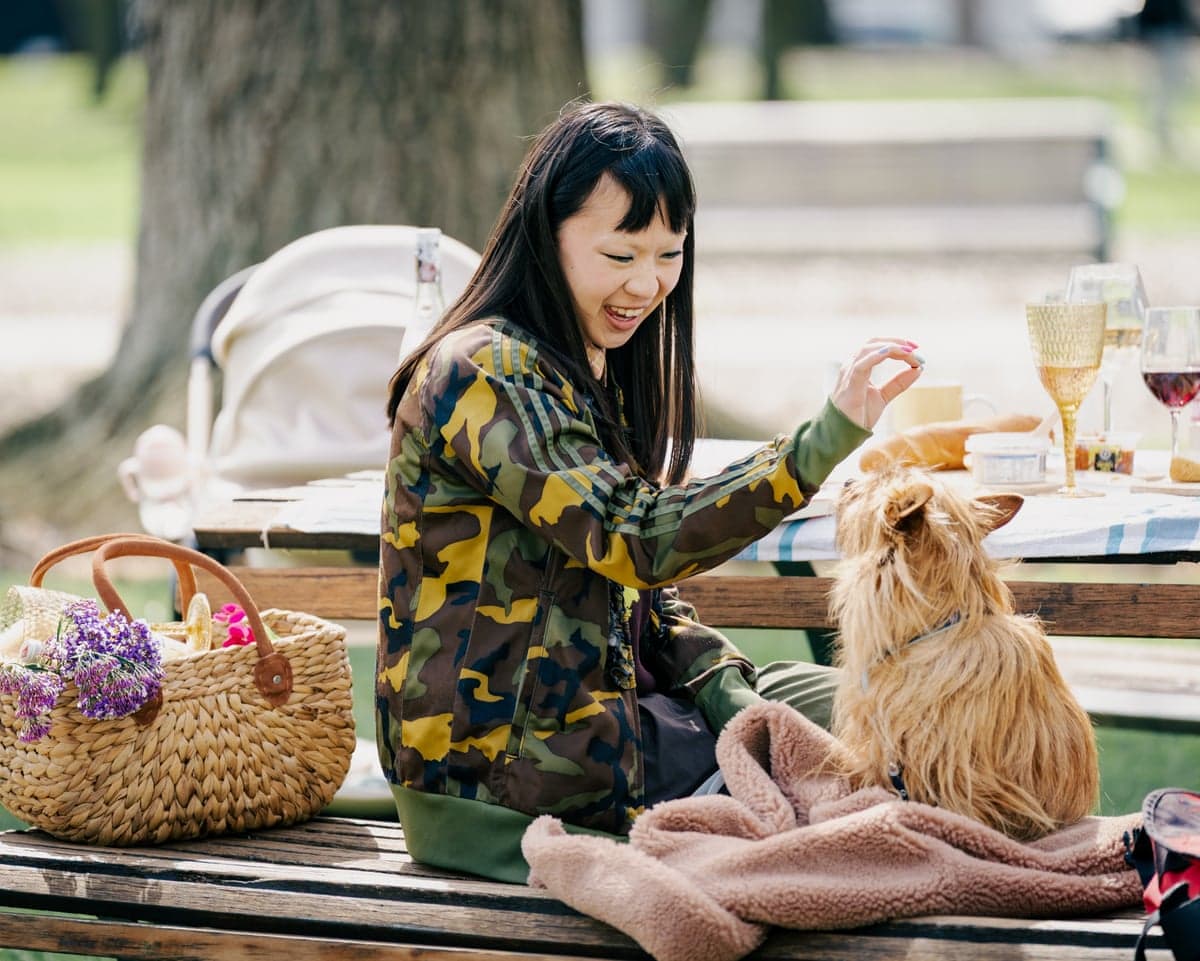
This Australian comedy-drama offers far more than its premise suggests, delivering a surprisingly mature examination of male loneliness, relationship breakdown and mid-life crisis wrapped in moments of genuine hilarity. The six-part series, which premiered on ABC TV and ABC iview on 1 February 2026, proves that a show centred on a dog park need not rely on cuteness to succeed.
The central tension in my mind when watching any programme featuring animals is what I call the Cuteness Assumptive Theory: Subjectivity in Issue (CATSIT for short). The principle is straightforward: if your narrative depends entirely on viewers finding your lead character adorable or your animal protagonist irresistible, the foundation is already unstable. Personal taste varies wildly, and what one person finds endearing, another might find grating.
This principle applies with equal force to human performers. We have all experienced the moment when a conventionally attractive actor appears in an American sitcom and every other character suddenly acts as though they have encountered the most beautiful person alive, while the viewer sits unmoved. The same dynamic occurs with child actors, where casting directors seem to operate from a narrow template of what will produce an automatic "awww" from audiences. My own reaction tends toward scepticism about the casting choices rather than sentiment. The animal variant of this phenomenon occupied my thoughts while watching Dog Park.
The series centres on Roland, a man who actively dislikes other people and whose partner Emma has travelled abroad for work, leaving him responsible for their daughter and Beattie, a white poodle he never requested. When a neighbour named Sam takes Beattie to the dog park without permission—an arrangement Emma has secretly orchestrated—Roland finds himself thrust into social situations he would normally avoid. Emma recognises that Roland would otherwise confine the dog to solitary, joyless runs, if he took her out at all. Through these enforced park visits, Roland gradually discovers the value of community and the companionship animals can provide. On the surface, this trajectory sounds predictable and saccharine, yet the execution proves far more complex.
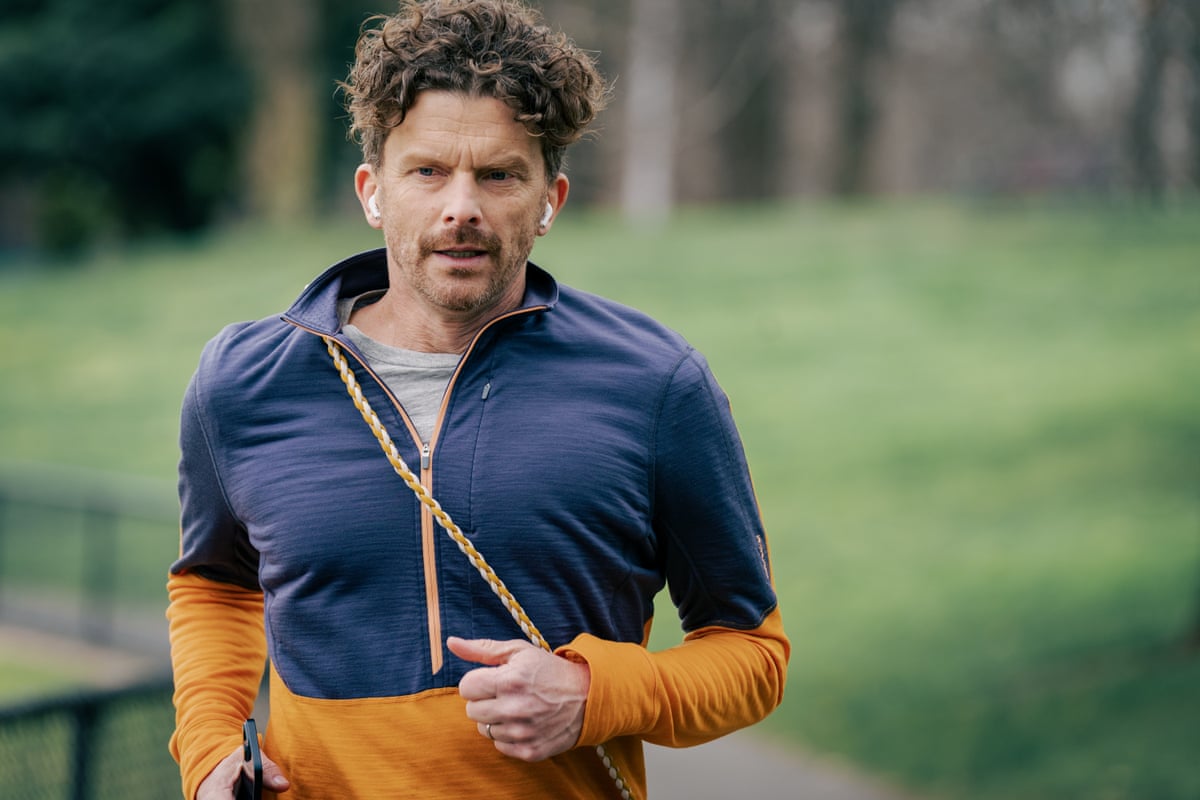
Set in Victoria, Australia, this downbeat comedy functions as a penetrating study of male isolation and the particular crisis of middle age. Roland operates as a borderline alcoholic, pedantic about grammar, and literally running from depression. His work as a careers counsellor at a college involves assigning students the task of composing their own funeral epitaphs—an exercise that reveals his bleak worldview rather than inspiring them. He is not flourishing. The show employs a visual language reminiscent of Studio Ghibli films, with interstitial moments of mundane frustration: Roland irritated by other shoppers, Roland losing patience with his smart speaker. These scenes feel uncomfortably recognisable.

His marriage sits on precarious ground. Roland and Emma are locked in a slow-motion separation, hurting each other repeatedly and attempting repairs that repeatedly fail, all while their daughter witnesses the deterioration. Rather than relying on conventional dramatic beats to sketch this unravelling, the programme inhabits the sharp, wounding jokes, the rewritten text messages, the conversations conducted on eggshells, and the frustrating phone calls that capture the texture of a relationship in genuine crisis. The show carries the label of comedy, and there are moments that provoke genuine laughter, yet more frequently I found myself confronting the sharp edge of sadness.
Early in the series, the trajectory of Roland and Emma's relationship remains uncertain. Their situation may prove to be an extended game of pursuit and return, or genuine reconciliation may emerge. What seems more assured is that Roland's natural irritability will be gradually softened by the "dog park divas," an assemblage of talkative, day-drinking regulars. Foremost among these individuals, whom Roland dismissively terms "dog tragics," is Sam, portrayed with luminous warmth by Celia Pacquola. Her character combines kindness with gentle provocation. Should romantic possibility develop, it will almost certainly arrive laden with complication and emotional messiness. Alternatively, Dog Park may be pursuing an entirely different narrative trajectory altogether.
Leon Ford, who conceived, wrote and produced the project alongside Amanda Higgs, delivers a thorny and affecting performance as Roland, a man fundamentally suspicious of happiness and resistant to connection. When a colleague asks, "How is your more fascinating spouse?" Roland responds with characteristic bleakness: "Dead, actually. She died." This particular brand of saltiness carries distinctly Australian inflections. The sensibility recalled another Australian comedy centred on a dog—one whose title I initially disliked and whose animal I worried would prove insufficiently charming. That series ultimately became one of my most treasured recent discoveries.
Regarding Beattie herself: the dog is, in fact, appealing. Her face possesses genuine sweetness, and her ears resemble pigtails in a way that is genuinely endearing. I remain grateful that the programme does not depend on this appeal. Unearned sentimentality represents my primary resistance to television, yet Dog Park sidesteps this pitfall entirely, moving past it with the grace of an Australian kelpie clearing an obstacle at a dog show. The series balances humour with moments of genuine beauty, and while it will particularly resonate with those who love dogs, its true audience comprises people interested in the human experience. This is a show that earns its affection.
What to know about the series
The six-part series consists of episodes running approximately 27 minutes each. The production was completed in 2025 and filmed in Melbourne with support from ABC, Screen Australia and VicScreen. The ensemble cast includes Brooke Satchwell, Elizabeth Alexander, Grace Chow, Ras-Samuel, Ash Flanders, Florence Gladwin and Nick Boshier alongside Ford and Pacquola. Bryony Marks composed the original music, with Debbie Lee, Rebecca Anderson and Rachel Okine serving as executive producers.
Where to watch
All episodes are currently available to stream on ABC iview, with the series having premiered on 1 February 2026 on ABC TV.