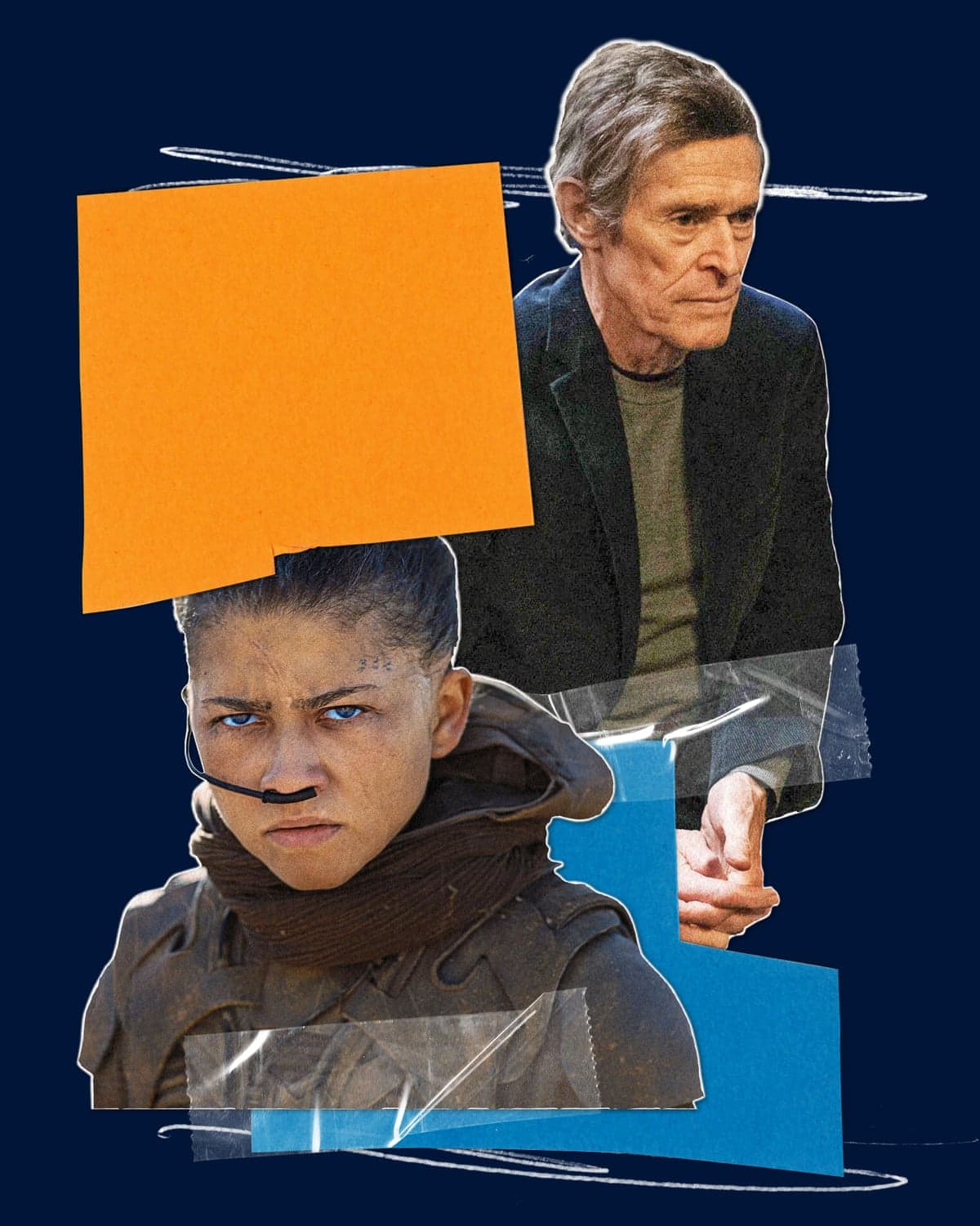
Silicon Valley's titans have become irresistible subjects for cinema, with two major films now in production or post-production that promise to expose the real-world drama behind the industry's most controversial figures. Yet even as Hollywood prepares to reckon with tech's power, the film industry itself is being absorbed by the very companies it seeks to critique. The question facing filmmakers is whether they can still tell these stories freely, or whether big tech's deepening control over studios will silence the narratives that need telling most.
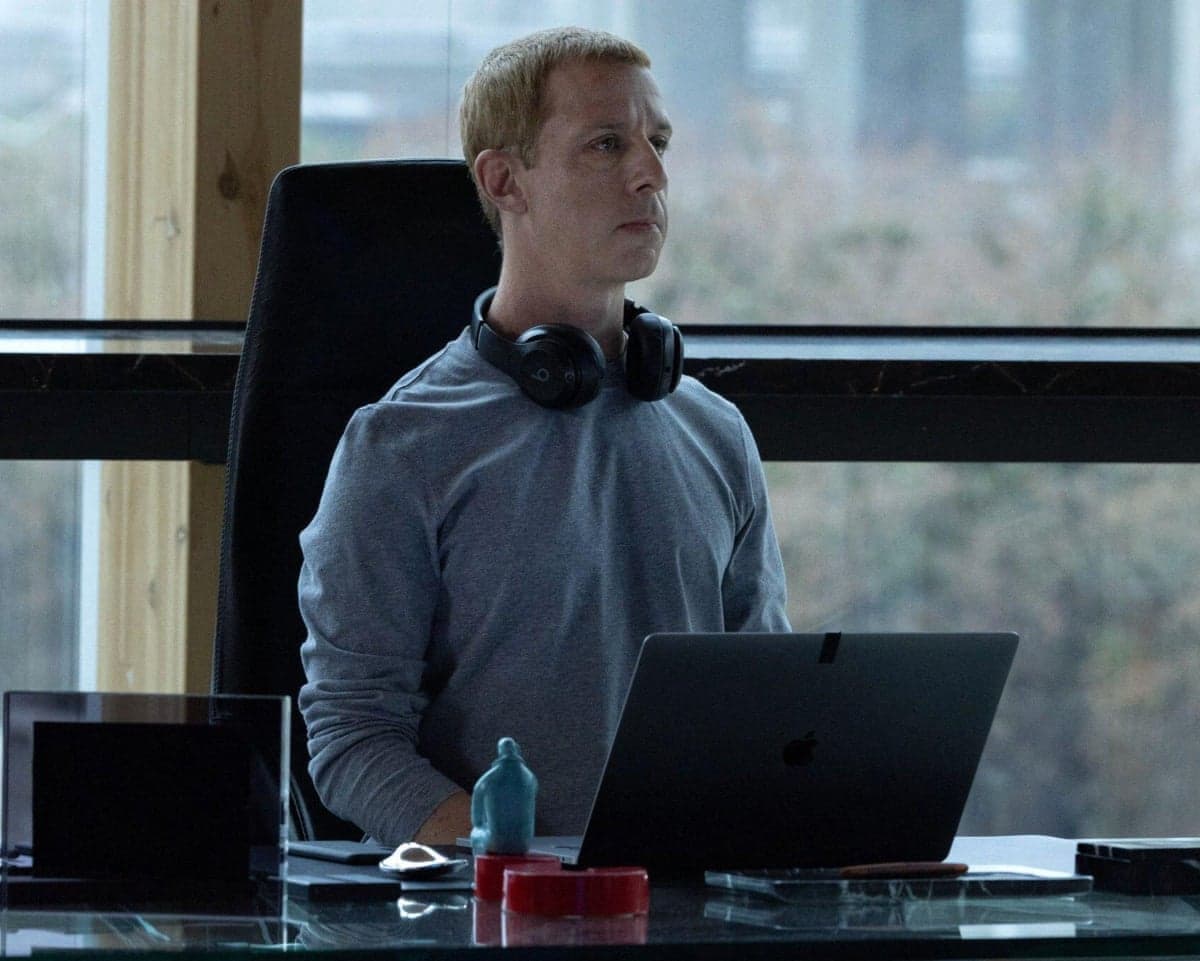
The most prominent of these projects is The Social Reckoning, a sequel to the 2010 film The Social Network. According to entertainment reporting, Sony released the first trailer on August 27, 2026, with the film scheduled to open in theaters on October 9, 2026. The sequel will focus on the 2021 Facebook Files leak, the whistleblower story that exposed Meta's knowledge of harms caused by its platforms. Jeremy Strong replaces Jesse Eisenberg in the role of Mark Zuckerberg, while Mikey Madison, Jeremy Allen White, and Bill Burr round out the cast. Aaron Sorkin returns to write and direct, bringing the same sharp dialogue and courtroom intensity that made the original a critical and commercial success.
In a recent trailer, tech reporter Jeremy Allen White's character observes to a colleague that targeting Meta presents unusual challenges.
"I know there are easier enemies to make,"he says, to which comes the reply:
"The mafia would be an easier enemy to make."The exchange captures a broader truth about Silicon Valley's position in contemporary culture. These figures have accumulated unprecedented wealth and influence while shaping how billions of people communicate, yet Hollywood has struggled to mount effective artistic critiques of their power.
The original Social Network succeeded where so many subsequent tech-focused films have failed. Directed by David Fincher and co-written by Aaron Sorkin, it was paced, energetic, and populated with characters who felt larger than life—particularly Jesse Eisenberg's portrayal of a young Zuckerberg as a brilliant but socially inept entrepreneur whose ambition to connect the world masked his own isolation. The film won three Academy Awards and became both a cultural touchstone and a commercial success. What made it work, and what makes The Social Reckoning potentially significant, is that it engaged with the actual, documented reality of Silicon Valley rather than retreating into fiction.
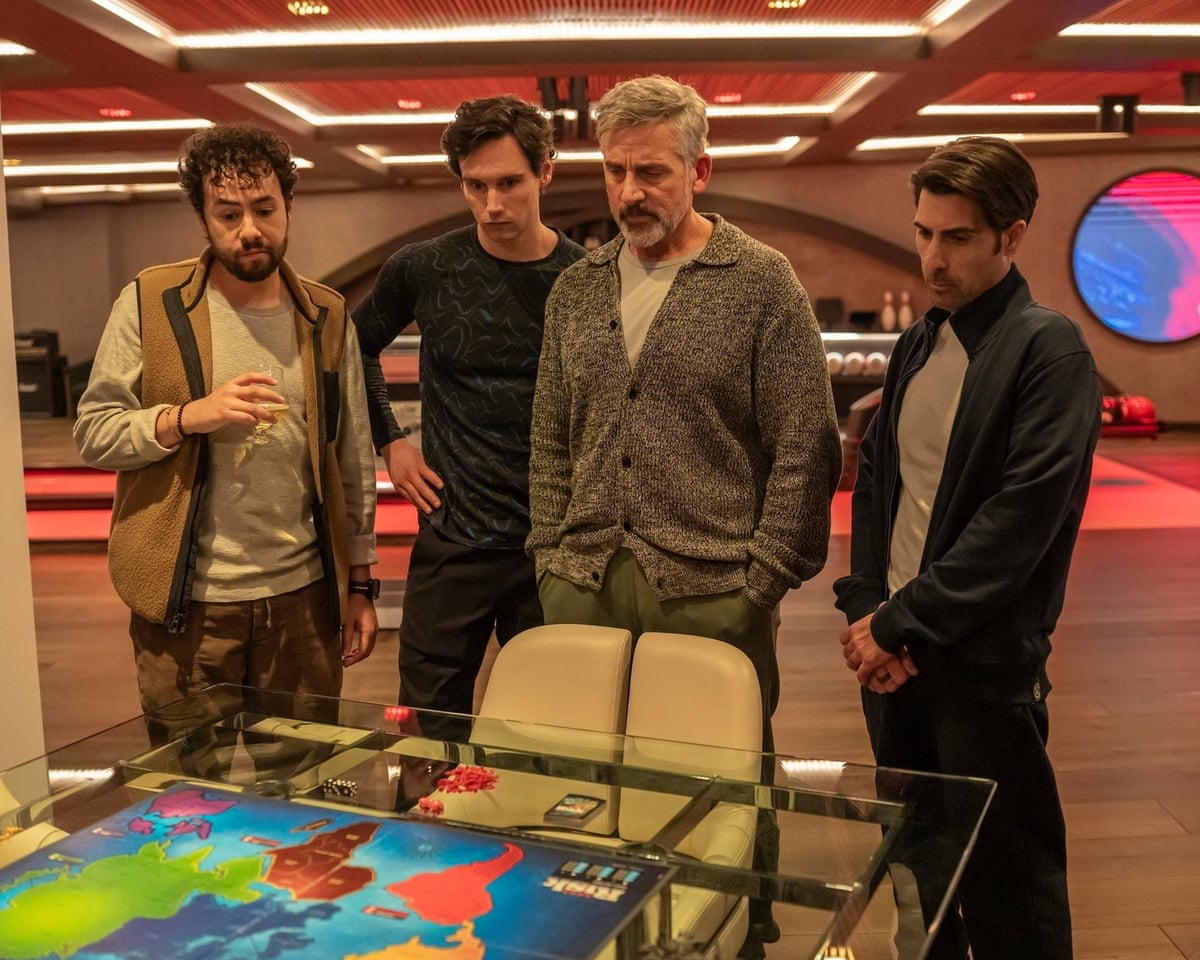
In the years since The Social Network's release, Hollywood has produced numerous underwhelming attempts to satirize tech culture. Jesse Armstrong's television series featured a quartet of tech-backed oligarchs reshaping global power structures. Various films cast actors like Mark Rylance, Edward Norton, Samuel L. Jackson, and Tom Hanks as thinly veiled versions of real figures such as Zuckerberg, Elon Musk, and Steve Jobs. Yet these oblique caricatures missed what made the original Social Network compelling: the real Silicon Valley is far stranger, more dramatic, and more consequential than any invented narrative.
The Social Reckoning has substantial material to draw from. In the 16 years since the original film, Meta and Facebook have faced mounting accusations of enabling social, emotional, and political harm. The Facebook Files, published by The Wall Street Journal in October 2021, exposed harms that Facebook knew about or allowed to continue on its platforms. Zuckerberg himself has only grown more controversial and eccentric in the intervening years, making him an increasingly compelling subject for dramatic portrayal. Strong's casting suggests the filmmakers are aiming for awards recognition, and the focus on the whistleblower at the heart of the Facebook Files leak—played by Madison—promises courtroom drama, verbal sparring, and questions of corporate accountability that sit squarely within Sorkin's creative wheelhouse.
Another Tech Story Caught Between Art and Commerce
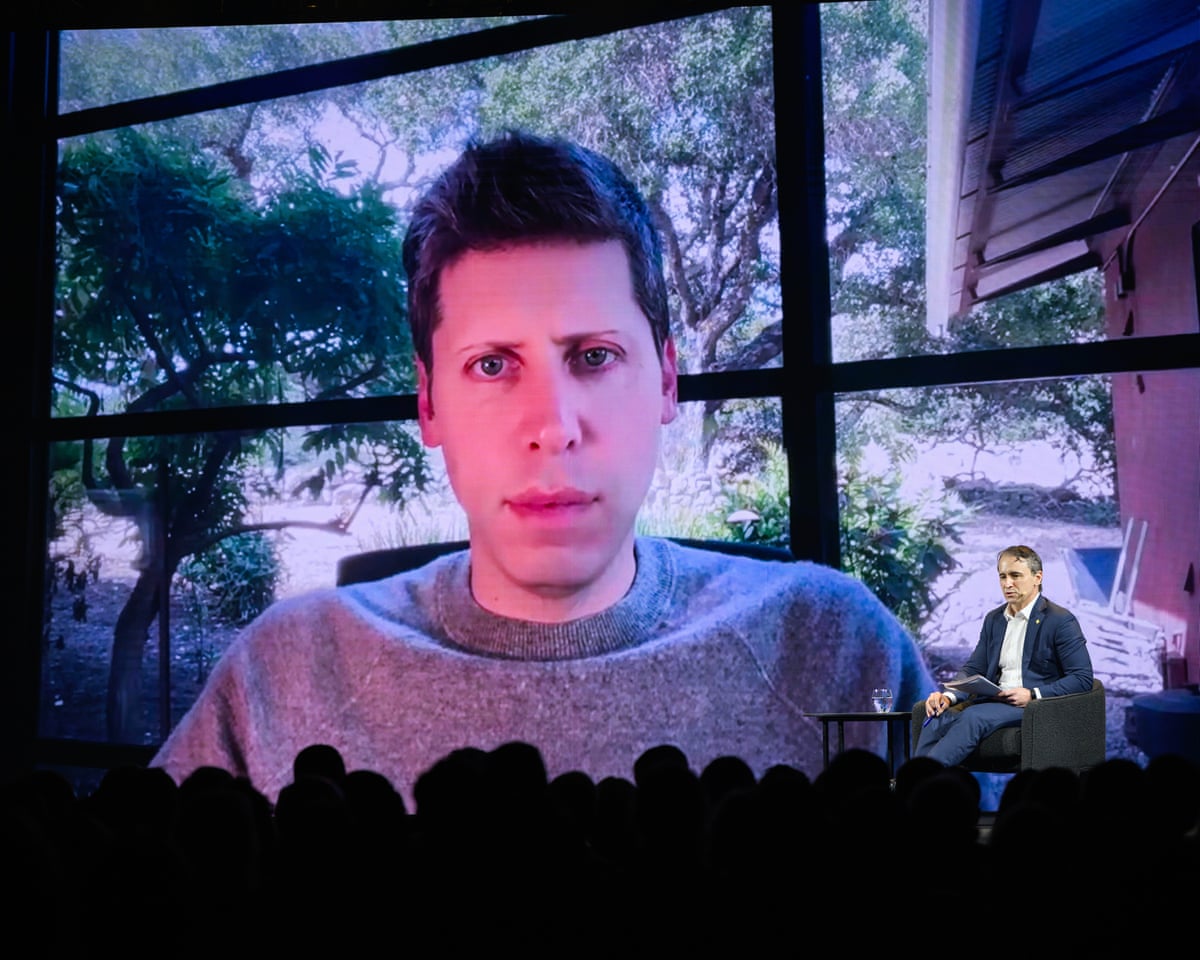
A second major project, Artificial, dramatizes the real-life saga of OpenAI and its controversial CEO Sam Altman. Directed by Luca Guadagnino, the film stars Andrew Garfield as Altman and explores the internal conflicts that nearly toppled the company, including the board's failed attempt to oust him and the involvement of Elon Musk. The supporting cast includes Monica Barbaro, Cooper Hoffman, and Yura Borisov. Industry observers have described the script as
"the Social Network on steroids,"suggesting a story even more dramatic and consequential than Zuckerberg's rise.
Yet Artificial's production history reveals the perils of making films that directly challenge big tech's interests. In June 2026, Amazon MGM Studios—which had been developing the film—abruptly withdrew from the project, stating they felt it would be
"better served if it were released by a different studio."The timing was significant. Months earlier, Amazon and OpenAI had announced a $50 billion partnership to develop customized AI models for Amazon's customer-facing applications. The withdrawal suggested that the financial entanglement between tech companies and entertainment studios was already constraining what stories could be told and by whom.

Indie distributor Neon eventually acquired the film and is now planning to release Artificial in early 2027. The episode illustrated a troubling reality: the line between entertainment and technology has become dangerously blurred, with financial incentives now working against the kind of critical storytelling that once defined Hollywood's relationship with power.
How Deep Does Big Tech's Control Over Hollywood Run?
The absorption of Hollywood by technology companies is no longer a future threat—it is already underway. Most major studios are now wholly or partly owned by tech firms: Amazon, Apple, Sony, and Netflix all control significant entertainment assets. But the takeover extends far beyond ownership structures. The financial interdependencies are becoming tighter and more complex.
A proposed $110 billion takeover of Warner Bros by Paramount is currently being negotiated, with Oracle CEO Larry Ellison providing a substantial portion of the funding. Disney has made a $1 billion investment in OpenAI and entered into a partnership with the company. Even independent labels like A24, once seen as bastions of creative freedom, have entered into partnerships with Google's AI division DeepMind. According to reporting on the deal, Google DeepMind announced a $75 million investment in A24 in June 2026 to help develop AI filmmaking tools, signaling deeper big-tech involvement in Hollywood production. These partnerships promise efficiency and innovation, but they also create structural incentives to avoid stories that might alienate powerful tech figures or their allies.
The implications extend beyond individual films. Many of Hollywood's new tech overlords—Ellison, Altman, and Amazon's Jeff Bezos—maintain close relationships with the Trump administration, which has shown willingness to exert influence over media and entertainment. This political alignment may explain not only why Artificial nearly disappeared, but also why Amazon greenlit and funded a documentary puff piece about the first lady, or why a Silicon Valley-focused drama series led by Rosamund Pike, billed as a
"Silicon Valley House of Cards,"never progressed beyond development. The question haunting the industry is how many other tech-critical stories are being quietly shelved in this new climate of financial entanglement and political alignment.
Can Filmmakers Still Tell the Truth?
Not every tech figure has successfully controlled their narrative through financial leverage. When Elon Musk used his X platform to attack Christopher Nolan's film Odyssey as
"woke,"audiences largely ignored his criticism and attended the film anyway. Now Musk faces a different challenge: filmmaker Alex Gibney has completed a four-hour documentary about him, premiering at the Venice Film Festival, which promises to
"reframe the story of the tech titan as the 21st-century reincarnation of the confidence man."The project suggests that despite tech's growing power, filmmakers with sufficient resources and independence can still produce critical work.
Yet the broader pattern is troubling. The tech industry's expansion into entertainment is not simply a matter of new ownership—it represents a fundamental shift in what stories get told and how. When the subjects of films are also the financiers of studios, when partnerships between tech companies and entertainment labels become prerequisites for funding, when political allies of tech moguls occupy positions of governmental power, the conditions for independent storytelling deteriorate.
What Comes Next for Tech Narratives in Film
The Social Reckoning arrives in theaters on October 9, 2026, offering audiences a chance to see whether Sorkin and his cast can capture the complexity and consequence of Meta's impact on society. Artificial is scheduled for early 2027 release through Neon, having survived the Amazon withdrawal to reach independent distribution. Both films will test whether audiences still hunger for critical examinations of tech power, and whether filmmakers can produce such work despite the industry's structural constraints.
Meanwhile, the broader transformation of Hollywood continues. A growing number of AI film studios are taking root in the industry, backed by Google, venture capital, and Disney, according to industry reporting. The Seattle AI Film Festival ran August 29-30, 2026, showcasing 200 AI-related films and panels exploring the medium's future. These developments suggest that the relationship between technology and filmmaking will only deepen, raising urgent questions about creative autonomy and editorial independence.
In a final sign of the cyclical nature of tech scandals and their dramatization, Meta has just resolved a lawsuit in the United States over its allegedly harmful products, agreeing to a $17 billion settlement. The resolution suggests that the real-world consequences of Meta's actions continue to mount—and that there will be no shortage of material for future installments in what may become an ongoing franchise documenting Silicon Valley's impact on society.
Key Facts
- The Social Reckoning, a sequel to The Social Network, opens on October 9, 2026, with Jeremy Strong replacing Jesse Eisenberg as Mark Zuckerberg and focusing on the 2021 Facebook Files leak
- Artificial, a dramatization of OpenAI's internal conflicts, was withdrawn by Amazon MGM Studios in June 2026 shortly after Amazon announced a $50 billion partnership with OpenAI, but will be released by indie distributor Neon in early 2027
- Most major Hollywood studios are now owned or controlled by technology companies including Amazon, Apple, Sony, and Netflix, creating financial incentives that may discourage critical storytelling about tech
- Google DeepMind invested $75 million in independent label A24 in June 2026 to develop AI filmmaking tools, exemplifying tech's deepening integration into entertainment production
- Meta agreed to a $17 billion settlement in a US lawsuit over its allegedly harmful products, continuing a pattern of legal consequences that may fuel future dramatizations of tech industry misconduct