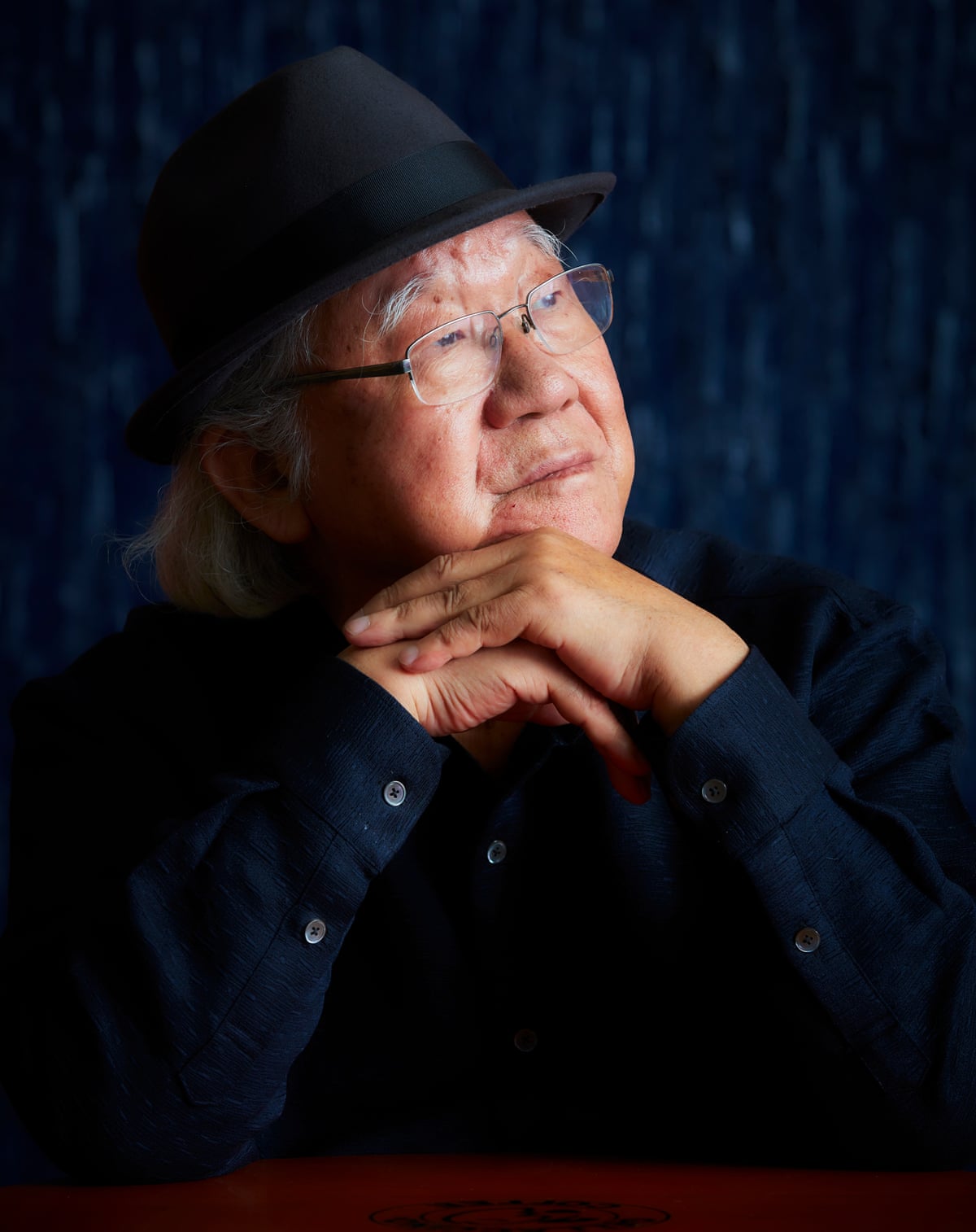
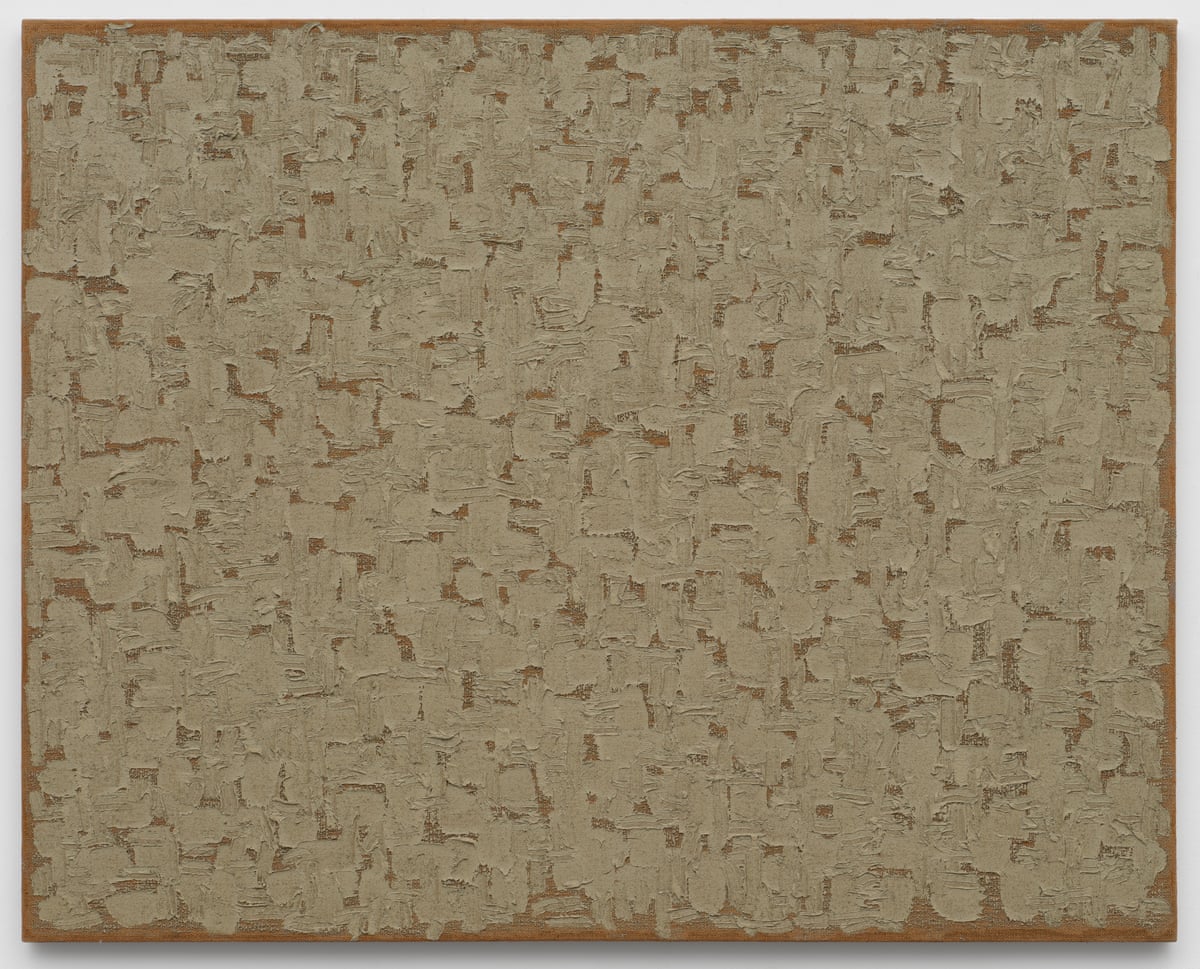
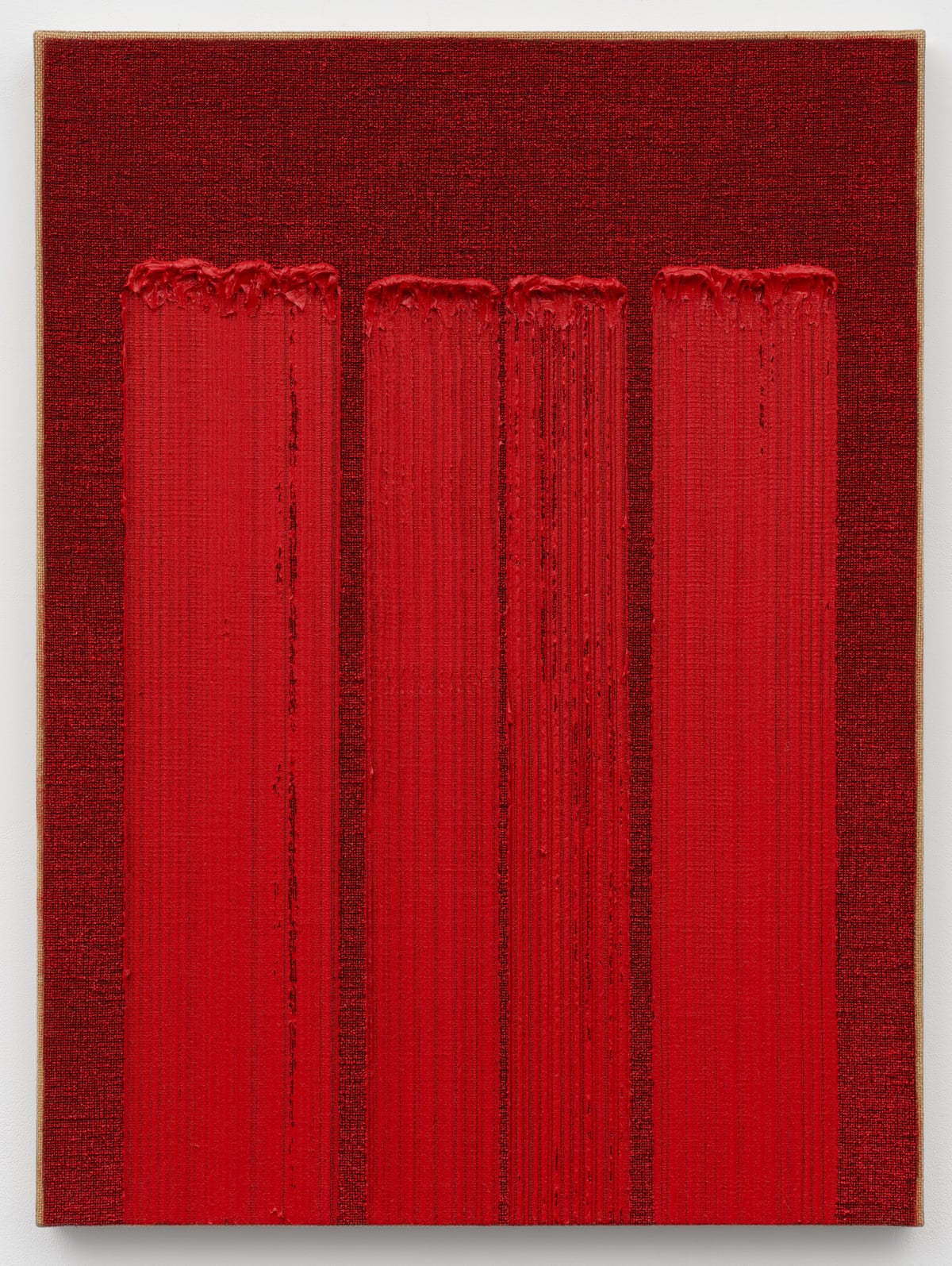
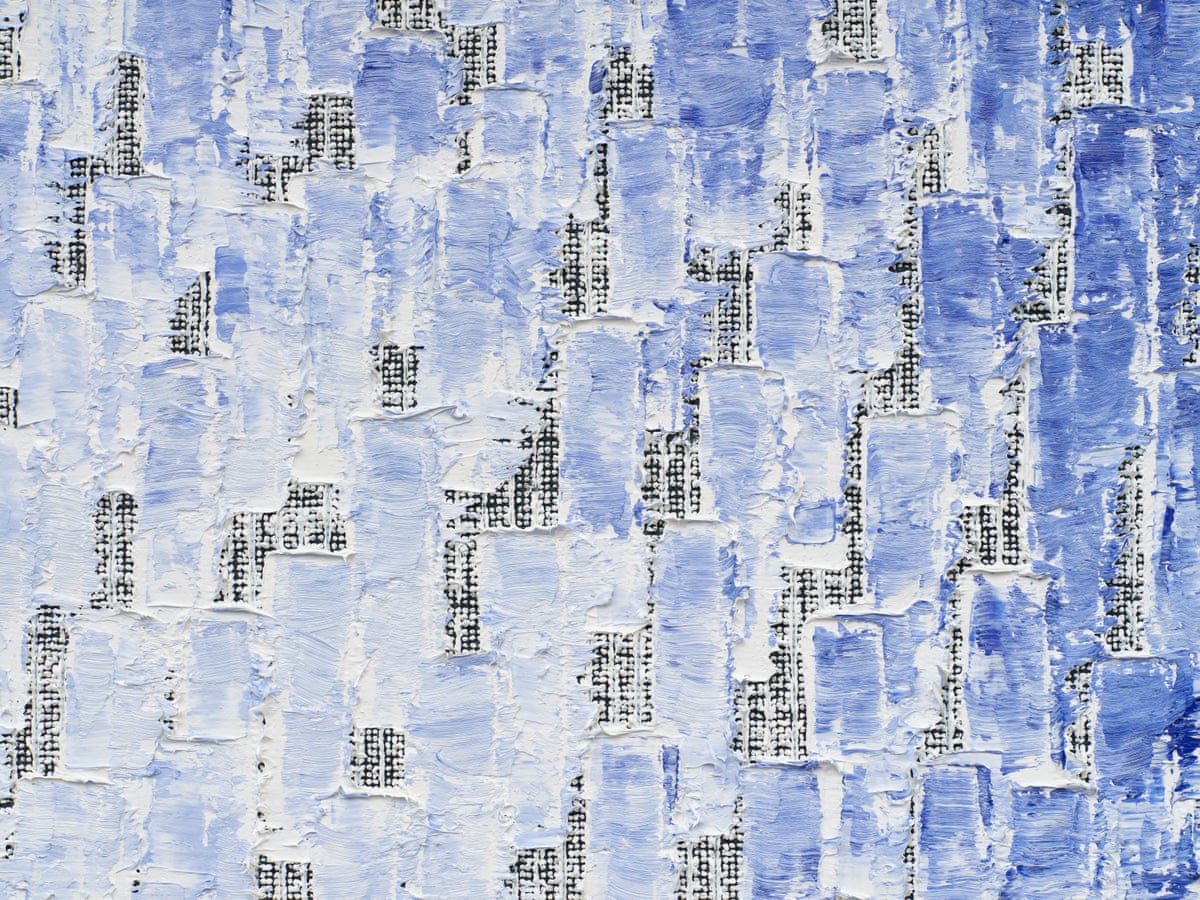
For more than five decades, South Korean painter Ha Chong-Hyun has pursued an unconventional artistic method that few artists had attempted before. He stretches coarse hemp fabric, applies thick oil paint to its reverse side, and then manipulates the pigment through the weave using handmade tools to create striking abstract compositions on the front. Now aged 91, he shows no signs of abandoning the practice that has defined his career and earned him recognition as one of the foremost Korean painters of his generation.
Ha developed this distinctive approach, known as the "back-pressure method" (bae-ap-bub in Korean), in the early 1970s. Each work employs a single colour in neutral or muted tones—white, brown, grey—and carries the title Conjunction followed by numbers marking its creation date. The artist chose this title because he views each painting as fundamentally about the convergence of creator and material.
The technique he developed was really revolutionary. It hadn't been done before,says Max Bossier, director at Lisson Gallery in London, which will present a selection of Ha's work spanning six decades, from early geometric experiments to the Conjunction series, opening on 24 September 2026.
Ha's artistic emergence coincided with a broader movement that would later reshape perceptions of Korean modernism. In the 1970s, a generation of Korean artists developed a visual language characterised by restrained colour palettes and minimal material vocabulary. Alongside peers including Lee Ufan and Park Seo-Bo, Ha became central to what was retrospectively named Dansaekhwa—translating roughly as "monochrome painting." Recognition beyond Korea's borders remained limited for decades, but curatorial approaches have shifted significantly over the past decade, with institutions increasingly presenting Ha as an active contemporary artist rather than solely as a historical figure within the Dansaekhwa movement.
How did Ha's personal history shape his artistic vision?
The turbulent circumstances of Ha's life profoundly influenced his artistic choices. Born in Sancheong in 1935 during Japan's occupation of Korea, he spent his childhood in Japan before the family's return after liberation in 1945.
On our journey home, we encountered a violent storm at sea and I lost my grandmother and my young sibling,he recalls.
Amid all the upheaval, I continued to draw. I remember making a portrait of Yi Jun, the Korean independence activist, which my teacher displayed on the classroom wall.
The decades following his return brought further upheaval: the Korean War, severe economic hardship, and military dictatorship that persisted until 1988. Within this context, Ha and his contemporaries adopted abstraction partly as artistic resistance. Figurative representation had been favoured by the state, making non-representational work a form of creative defiance. The choice of hemp as his painting support emerged from practical constraint rather than aesthetic preference.
In the poverty that followed the Korean war, conventional art supplies were difficult to obtain,Ha explains.
Among the materials around us were coarse sacks that had carried grain and other relief supplies from abroad.
While Ha's spare abstractions might initially appear to share common ground with Western minimalism—particularly the white-on-white paintings of American artist Robert Ryman—the cultural specificity of his approach remains fundamental to understanding his work. His method emerged from Korea's particular historical circumstances and material scarcity, distinguishing it from concurrent international movements.
How has Ha's practice evolved over five decades?
Despite his commitment to the back-pressure method, Ha has resisted stagnation.
For Ha, his commitment to working back-to-front has never meant simply repeating the same thing.Over time, he has introduced new elements: holding flame to the surface to char the paint, substituting wooden slats for hemp as a support, and incorporating brighter hues such as red and blue, particularly since around 2010. These shifts represent not abandonment of his core language but rather its continuous expansion.

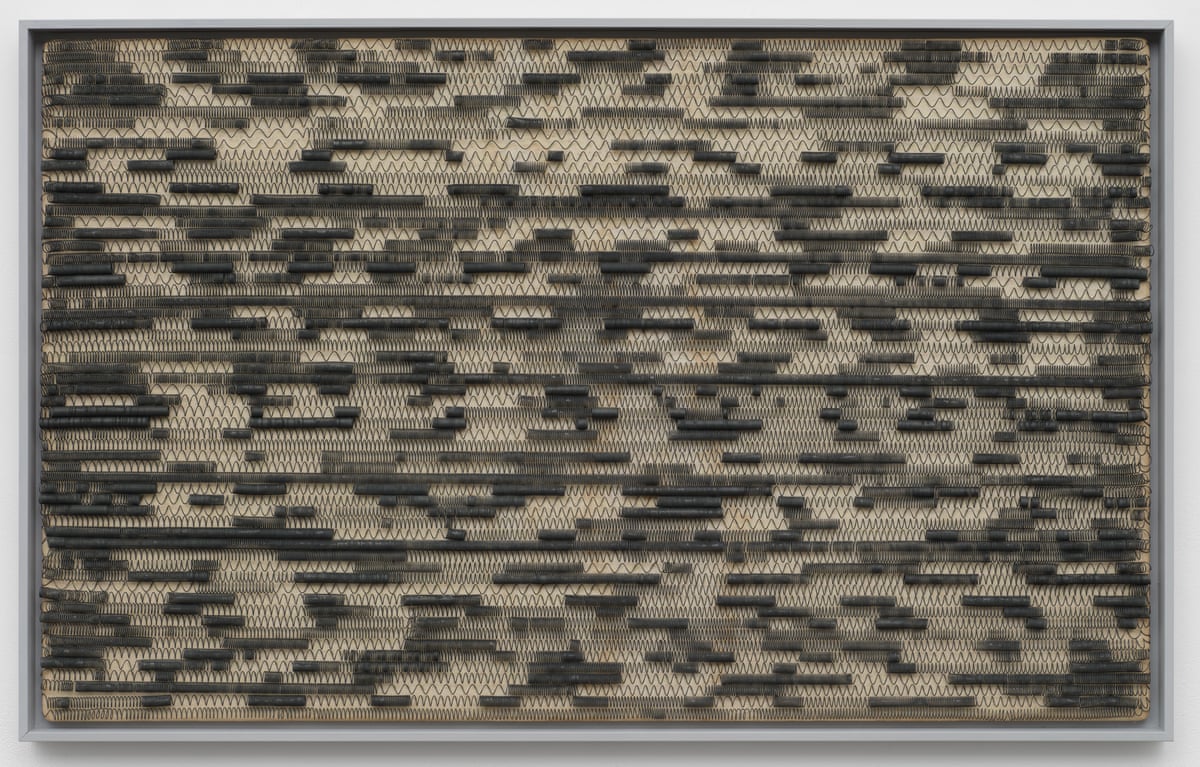
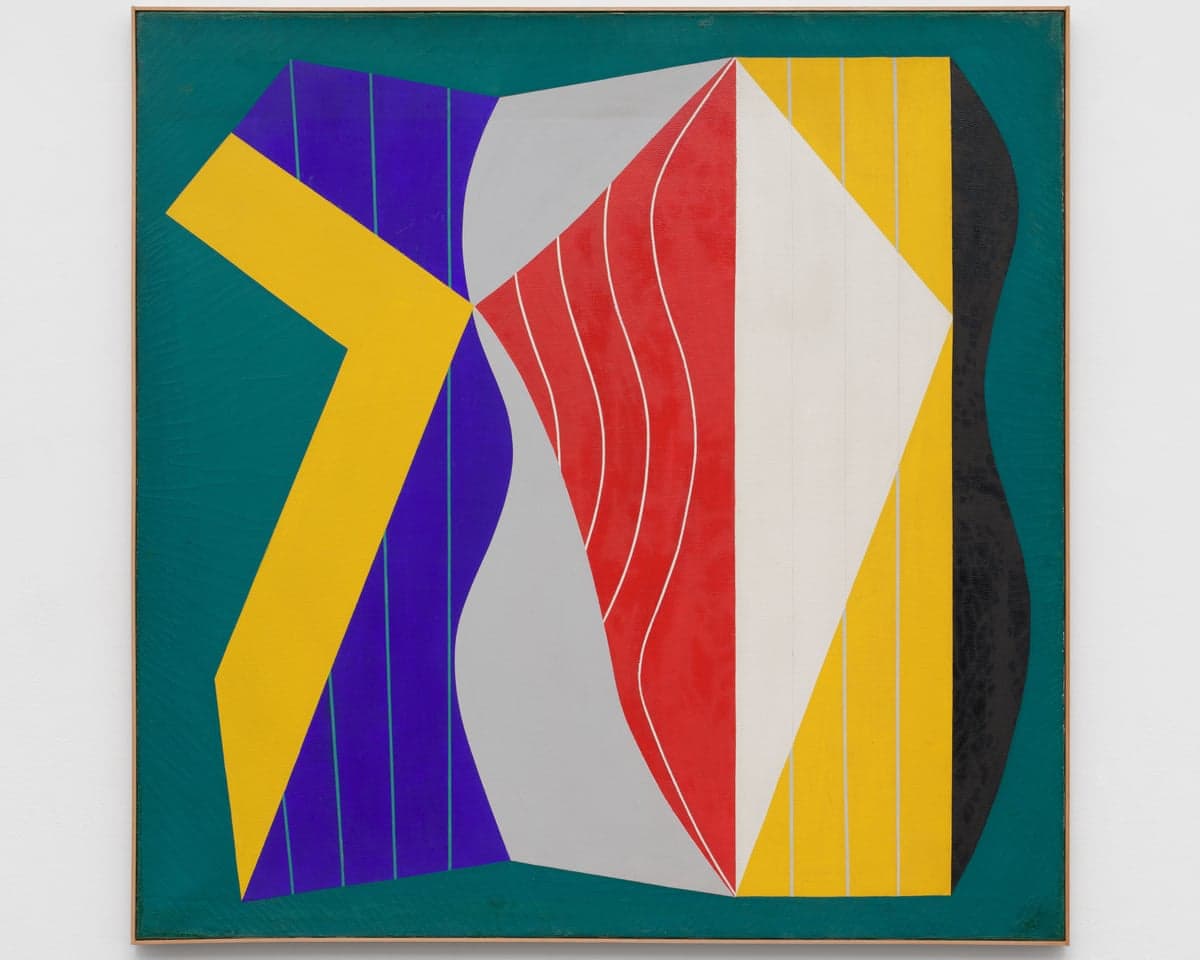
An early series executed between 1967 and 1969, before he fully developed the back-pressure method, drew inspiration from Seoul's rapid transformation.
I remember how rapidly Seoul was changing at the time,Ha reflects.
The city was emerging from the devastation of war: new roads were being laid out, new buildings were rising, and the environment around us was becoming increasingly geometric and architectural. I wanted to bring something of that order and energy into my painting.These works often incorporated industrial materials such as barbed wire or metal springs, elements that Bossier notes connect to the three-dimensional quality of his later Conjunction paintings.
The artist's reasoning for his unconventional approach remains rooted in philosophical inquiry.
I have always believed that an artist should not simply see things as they appear, but should find another way of looking at and interpreting them,Ha states.
Painters normally apply paint to the front of a canvas; I began to ask myself, almost instinctively, what might happen if I approached it from the other side.This question, posed decades ago, continues to generate new possibilities within his established framework.
What drives Ha's continued productivity at 91?
Ha's commitment to artistic experimentation shows no signs of diminishing.
I still believe, as I have always told my students, that 'a painter should never allow the paint on his palette to dry'.He continues:
As long as my health allows me to stand in the studio, I want to keep working. There are still things I have not made, and things I have yet to discover.This determination is evident in his recent output: the San Francisco retrospective will include more than 50 paintings, among them two new works completed as recently as 2025.
The meditative quality of the back-pressure method—intensely physical and repetitive—appears to sustain rather than exhaust the artist. His hand tools for manipulating paint once it has been pushed through the hemp include palette knives, sticks, and combs, each allowing subtle variations in surface texture and mark-making.
For me, the continuity of Conjunction lies not in repetition, but in continuing to experiment within a language that has kept opening up new possibilities,Ha explains, describing his recent work incorporating reds and blues.
How does Ha's work compare to other late-career artists?
Ha's sustained productivity and evolving practice place him alongside other artists who have maintained creative vitality into their ninth decade. Like Rose Wylie, who at 91 became the first female British painter with a solo Royal Academy show, Ha demonstrates that advanced age need not signal artistic decline. Both artists have embraced innovation and experimentation rather than resting on established reputations, challenging conventional assumptions about artistic longevity and creative capacity.
What exhibitions and events are scheduled?
Two major exhibitions will present Ha's work to international audiences in autumn 2026. The Lisson Gallery show in London, running from 24 September through 7 November 2026, marks his first London exhibition since 2020 and traces his six-decade trajectory from early geometric works through the Conjunction series. This opening precedes his first major North American museum retrospective by a single day.
The Asian Art Museum in San Francisco will open "Ha Chong-Hyun: Retrospective" on 25 September 2026, running through 25 January 2027. The exhibition, guest curated by Seoul-based scholar and curator Sunjung Kim, Artistic Director of Art Sonje Center, represents a significant institutional recognition of Ha's contributions to contemporary art. The curatorial framing deliberately positions Ha as a current artist rather than exclusively within historical Dansaekhwa discourse, reflecting evolving scholarly understanding of his ongoing relevance.
The San Francisco institution has scheduled related opening events for 26–27 August and 30 August 2026, providing multiple entry points for public engagement with the retrospective.
Key Facts
- Ha Chong-Hyun developed the "back-pressure method" in the early 1970s, applying oil paint to the reverse of hemp fabric and manipulating it through the weave to create abstract compositions.
- Born in 1935 during Japanese occupation, Ha's artistic practice was shaped by Korea's postwar poverty, military dictatorship, and the cultural suppression of figurative art.
- He is recognised as a leading figure in Dansaekhwa (monochrome painting), a movement that gained international recognition only in recent decades.
- At 91, Ha continues to create new works and experiment within his established artistic language, with two paintings completed in 2025 included in his San Francisco retrospective.
- Simultaneous exhibitions open in London and San Francisco in September 2026, marking his first major North American museum retrospective.