An Argentine court has ordered the return of an 18th-century painting stolen by Nazis from a Dutch Jewish art collector to the rightful heir of the original owner. Judge Santiago Inchausti issued the ruling on Friday following an agreement reached between the parties involved in the case, resolving an eight-decade search for the missing artwork.
The painting, initially attributed to Italian baroque artist Giuseppe Ghislandi, had vanished in 1940 after the Nazi invasion of the Netherlands. However, art history specialists working for Argentina's judiciary determined in January 2026 that the recovered work was actually by Giacomo Ceruti, a Northern Italian artist from the same period.
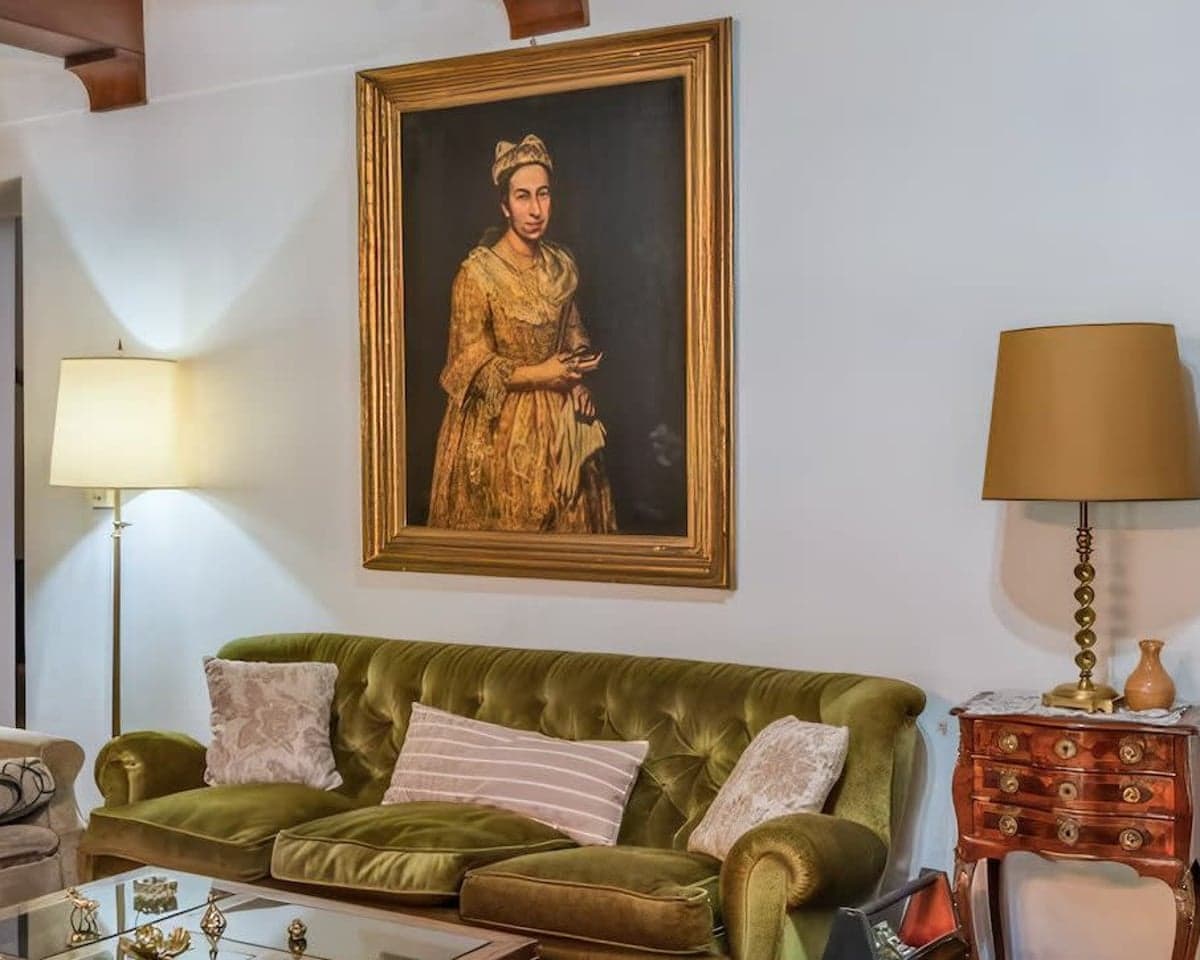
The painting had been hanging above a green sofa in the living room of Patricia Kadgien in the seaside resort of Mar del Plata. The Dutch newspaper AD first identified the artwork in photographs of the house when it was listed for sale. Kadgien's father, Friedrich Kadgien, was a financier for the Nazi SS paramilitary organisation and was among several high-ranking Nazi officials who fled to Argentina following the Second World War.
The artwork originally belonged to Jacques Goudstikker, an Amsterdam art dealer whose collection was systematically plundered during the Nazi occupation.
"An order will be issued for the painting to be returned to the heir" of Goudstikker, Judge Inchausti declared after the settlement was reached.

How was the painting discovered after so long?
The recovery began when the Dutch newspaper AD spotted the painting in photographs of a property for sale in Mar del Plata. Once identified, Patricia Kadgien and her husband were charged with concealment and placed under house arrest. During the hearing in Mar del Plata, Kadgien clutched a rosary as the case proceeded.
What was the outcome of the court agreement?
The couple agreed to return the painting to Marei von Saher, Goudstikker's daughter-in-law and sole heir. As part of the settlement, they also agreed to donate approximately $3,200 to local hospitals. Von Saher is reported to plan a temporary loan of the painting to the Holocaust Museum of Buenos Aires to raise awareness about restitution, ensuring the artwork's historical significance reaches a broader audience.
What was the scale of Goudstikker's losses?
The painting represents just one piece of a much larger tragedy. Portrait of a Lady was among more than 1,000 artworks stolen from Goudstikker's collection following the Nazi invasion of the Netherlands in 1940. Goudstikker fled his country just days after the invasion began, forced to abandon the majority of his life's work. Top German officials subsequently divided up his collection among themselves.
After the Second World War ended, the Dutch state managed to retrieve approximately 300 works from Goudstikker's collection. Most of these were later returned to his heirs, but many pieces remain scattered across the world, still unaccounted for decades later.
What happens next in the case?
Argentine prosecutors indicated that the investigation would continue for a 180-day period while Patricia Kadgien and her husband remained under restrictions, suggesting that further judicial steps may still be pending. The court's agreement to return the painting represents a significant milestone in the broader effort to restore Nazi-looted artworks to their rightful owners.
Key Facts
- The painting, attributed to either Giuseppe Ghislandi or Giacomo Ceruti depending on expert analysis, disappeared in 1940 during the Nazi occupation of the Netherlands
- It was discovered in 2025 in the home of Patricia Kadgien, daughter of a Nazi SS financier who had escaped to Argentina after the war
- The Argentine court ordered its return to Marei von Saher, the sole heir of original owner Jacques Goudstikker
- Over 1,000 artworks were stolen from Goudstikker's collection, with approximately 300 recovered after the war but many remaining missing worldwide
- The heir plans to loan the painting to Buenos Aires' Holocaust Museum to promote awareness of Nazi art restitution efforts