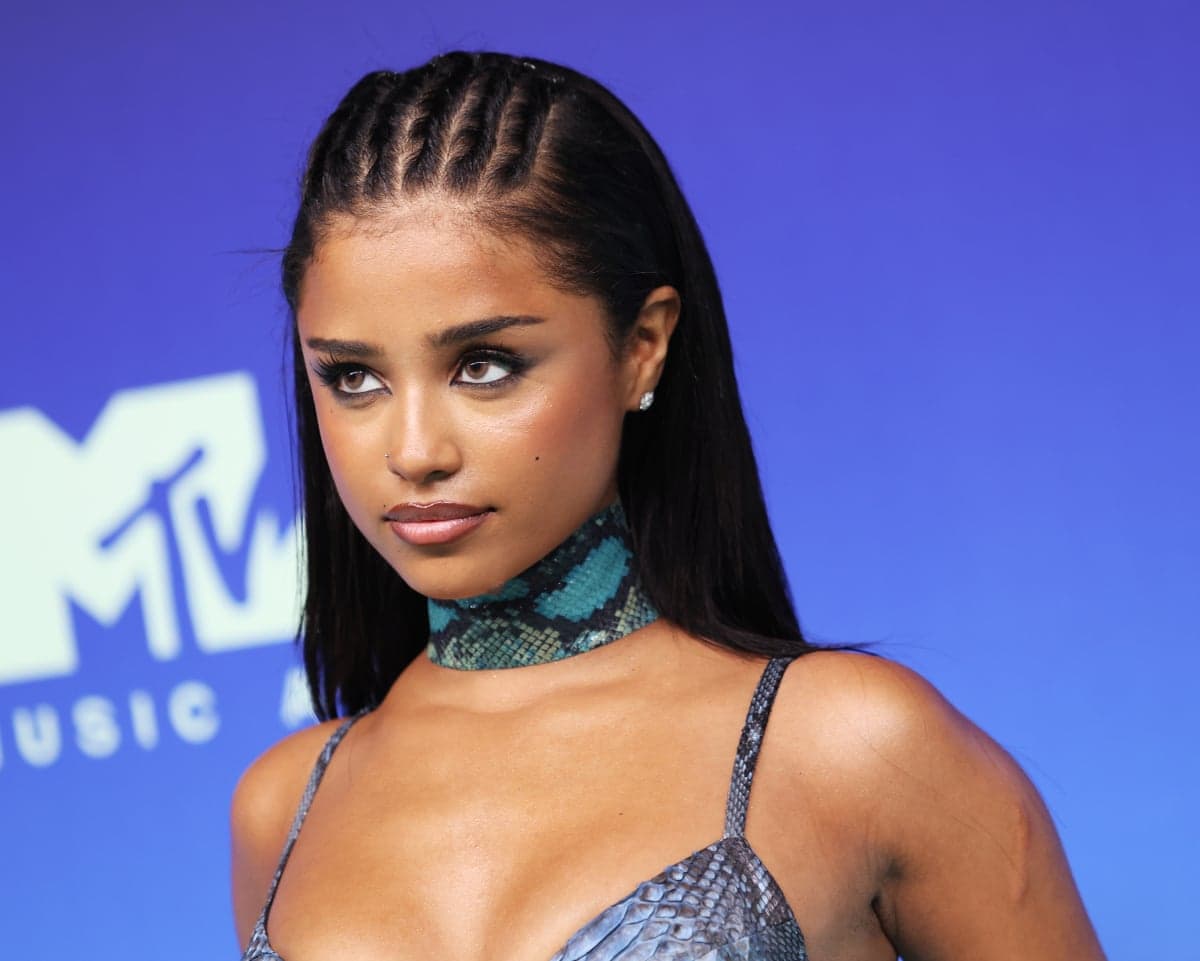
In 2024, South African pop star Tyla won the best Afrobeats award at the MTV VMAs. Dressed in a yellow gown, she opened her acceptance speech with celebration. "This is such a big moment for African music. The global impact of Water," – her hit single – "proves that African music can be pop music." Yet as applause filled the venue, her tone shifted to something more reflective. "There's a tendency to group all African music as Afrobeats," she said. "Even though Afrobeats has opened so many doors for us, African music is so diverse. I come from South Africa, I represent amapiano", referring to her country's rolling, sensual dance subgenre. Despite her heartfelt objection, months later she would win again in the Afrobeats category at the American Music Awards.
Tyla is far from alone in resisting this categorisation. Tems has rejected the label, characterising her output as a blend of "Afro, R&B, soul and alternative elements". Burna Boy opts for Afrofusion, a term that better captures the layered textures woven through his work. Wizkid, Ckay, King Promise and Davido have similarly expressed frustration with the Afrobeats umbrella, yet the term endures and constrains the continent's musical landscape.
The label took shape in the early 2010s as a marketing category for contemporary dance music emerging from west Africa, including D'Banj's Oliver Twist, which gained traction across European venues. London-based DJ Abrantee modified Fela Kuti's Afrobeat by adding an "s", fashioning a single descriptor to promote these sounds on radio and the expanding streaming ecosystem. In recent years, as African music has surged globally – driven by tracks like Tyla's Water, Rema's Calm Down and Moliy's Shake It to the Max – Afrobeats has evolved into the default classification for all African pop, dance, rap, R&B, gospel, highlife and substantial portions of the continent's experimental music.
To outsiders, this may seem a trivial dispute among music specialists, and "Afrobeats" has certainly functioned as an effective commercial tool – when the UK Official Charts Company launched an African pop chart in 2020, it adopted this name. Yet what occurs when a Western designation becomes the lens through which a culture perceives itself? Grammy-winning Nigerian producer and vocalist Bloody Civilian, who tours with Tyla beginning in October, calls the label "deeply limiting" and expresses dismay that "westerners continue to box the numerous ways Africans experiment with sound".
Western pop music flourishes across numerous distinct genres, yet an entire continent's musical output is repeatedly compressed into a single category. This does more than erase its breadth; it diminishes the distinctiveness of individual musical traditions and, consequently, severs artists from their cultural roots. West African music, which contains the widest array of artists classified under Afrobeats, has borne the brunt of this flattening: musicians and producers from the region keep inventing new sounds, but these creations are frequently absorbed into the larger Afrobeats apparatus, generating attention until they are abandoned for the next trend.
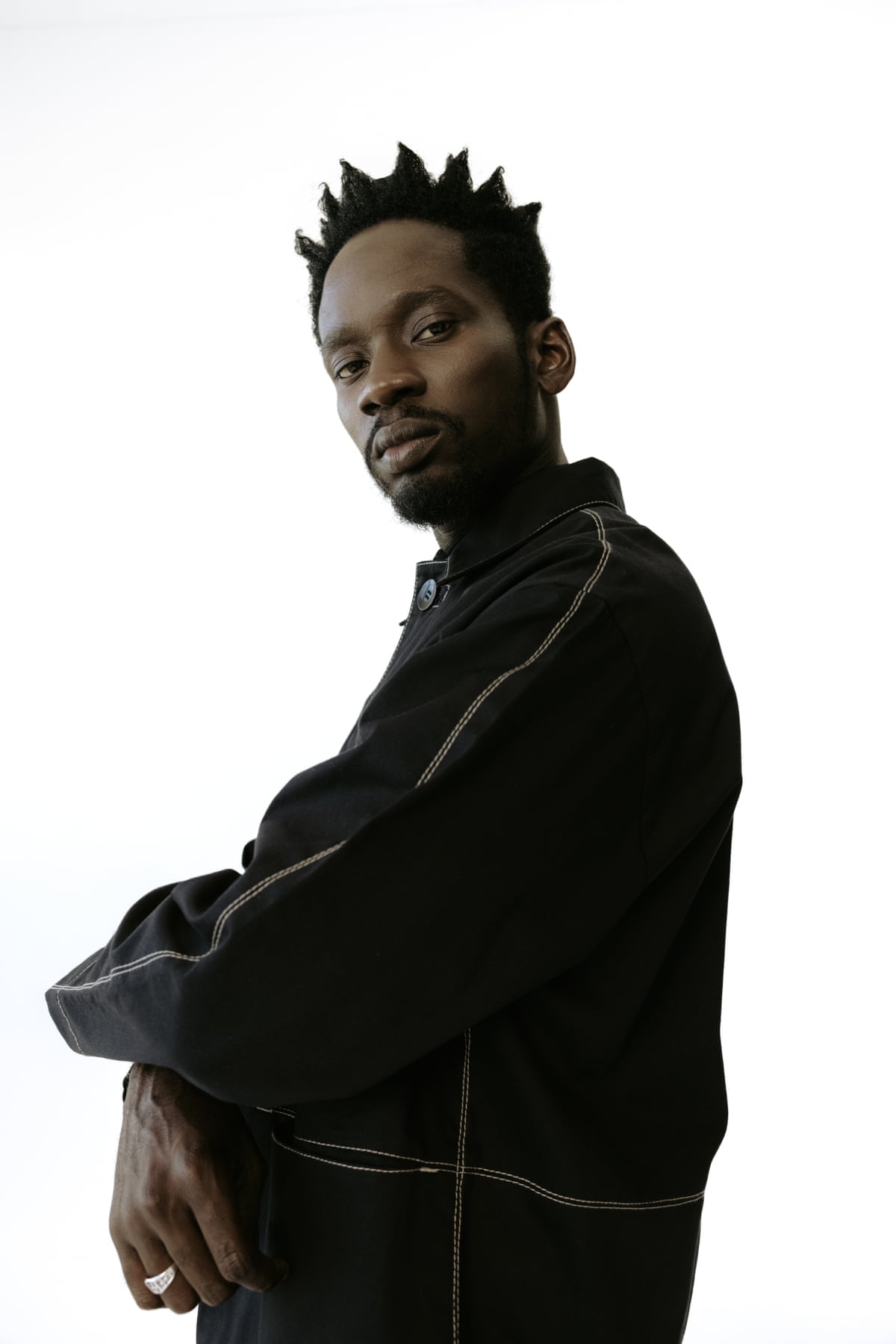
Take Mr Eazi's "banku music", a fusion of Nigerian pop and Ghanaian highlife. Mr Eazi, a Nigerian who studied at a Ghanaian university, achieved continental recognition in 2015. His languid, yearning compositions captivated west Africa with remarkable force, and banku music possessed many hallmarks of a genuine genre: its unhurried pace and distinctive four-stroke kick-drum created a thriving ecosystem around the sound. Musicians including Runtown and Tekno embraced its sonic DNA and developed their own interpretations, while students throughout the region adopted Mr Eazi's signature aesthetic: a straw hat paired with a dashiki.
In an alternate scenario, banku music, alongside South Africa's amapiano (which emerged during the same period), might have matured into a significant cultural phenomenon and potentially generated derivative genres. Instead, it received no Western promotion and lacked local positioning as a distinct musical form, so it gradually disappeared rather than crystallising into a regionally rooted style. Numerous other sounds have suffered identically: azonto, zanku, cruise, afropiano. Culture journalist Tiléwa Kazeem observes that international media outlets frequently dismiss these emerging genres as "esoteric". Afrobeats, he contends, "has not just obscured other genres but also affected their documentation".
The West appears increasingly reluctant to engage with African music's complexity: the Afrobeats category vanished from the MTV VMAs this year, though not because the term was recognised as reductive, leaving no African music category in its place. Kazeem notes, however, that West African publications, accustomed to the Afrobeats framework, similarly avoid thoroughly documenting new genres and styles, likewise treating them as niche.
Fresh sounds continue surfacing, spanning spiritually inflected styles to mara, an aggressive blend of street pop and electronic production. For them to achieve the cultural penetration that grunge or hyperpop attained in the West, "there has to be enough documentation, enough lore, enough intentionality around them," explains Dolapo Amusat, founder of Nigerian music and creative collective WeTalkSound. "Mara exemplifies what becomes possible when people genuinely invested in the sound construct substantial identities so these sounds can exist independently."
This obligation rests with those promoting this music internationally, but equally with the artists themselves and those working within African music institutions and journalism. "There's a tension between culture and commerce," culture writer Dennis Ade Peter observes. "Afrobeats artists and stakeholders regularly denounce the term, yet continue marketing their music as Afrobeats and endorse awards and platforms where their work receives this label; it's contradictory." As bell hooks wrote in her essay collection Art on My Mind, Black people "must be held accountable when we do not make needed critical interventions" necessary to challenge narrow perspectives on Black artistic expression.
Recent recognition and the Grammy shift
The landscape has begun shifting at major award ceremonies. At the 2026 Grammys, Tyla secured Best African Music Performance for "Push 2 Start," marking her second victory in the category, according to reporting on the award. The Recording Academy's description of Best African Music Performance emphasises recognising recordings with "unique local expressions" from different African regions; the category explicitly is not restricted to Afrobeats. Additionally, according to YouTube data, more than 70% of watch time for its Top 100 African artists originates from outside Africa, underscoring the global appetite for diverse African sounds. The Grammys introduced Best African Music Performance in 2024, and Fela Kuti received the 2026 Grammy Lifetime Achievement Award, becoming the first African recipient of that honour.
The path forward
Just as pioneering figures like Kuti and King Sunny Adé were permitted to establish new genres that continue shaping contemporary African music, today's generation – who have demonstrated equal charisma and musical sophistication – deserves the same latitude. The responsibility to document, celebrate and distinguish these emerging sounds falls on Western media and industry gatekeepers, but equally on African artists, labels, journalists and cultural institutions to resist the homogenising pull of convenient categorisation and insist on the specificity and integrity of their own musical traditions.